


Is your cat sneezing and suffering from a runny nose? You’re not alone; many pet owners face this frustrating issue. Understanding that your feline friend may be dealing with allergies, a mild cold, or environmental irritants is crucial for their comfort.
Fortunately, there are several natural remedies that can help alleviate these symptoms, allowing your cat to breathe easier and feel better. In this article, we’ll explore effective homemade solutions using simple, accessible ingredients. Not only will these remedies save you time and money, but they also empower you to take an active role in your pet’s health. Dive in to discover safe, gentle methods to clear up your cat’s symptoms naturally and enhance their quality of life.
Home Remedies for Cat Sneezing and Runny Nose
Caring for a cat with sneezing and a runny nose can be concerning, but many home remedies can help alleviate these symptoms naturally. A warm environment often provides immediate comfort, as it allows your cat to relax while soothing their irritated nasal passages. Ensuring good air circulation can also help, as can using a humidifier to add moisture to the air, which can ease congestion and make it easier for your cat to breathe.
- Steam Therapy: Take your cat into the bathroom while running a hot shower. The steam can help open up nasal passages and make your feline feel more comfortable.
- Saline Nasal Drops: Use a few drops of sterile saline solution in your cat’s nostrils to help clear out mucus. Always ensure that it’s specifically formulated for pets.
- Herbal Teas: Certain herbal teas like chamomile or calendula can have mild soothing effects. Brew a weak tea, allow it to cool, and offer small amounts to your cat if they enjoy drinking.
- Honey: This natural sweetener can help soothe your cat’s throat and boost their immune system. Mix a small amount (1/4 teaspoon for smaller cats) into their food or water.
Monitoring your cat’s condition closely is key. If their symptoms persist for more than a couple of days or worsen, seeking veterinary care is crucial to rule out more serious issues. Remember that while these remedies can provide relief, they should not replace the guidance of your veterinarian. By combining these natural treatments with compassionate care, you can help your furry friend feel better and breathe more easily.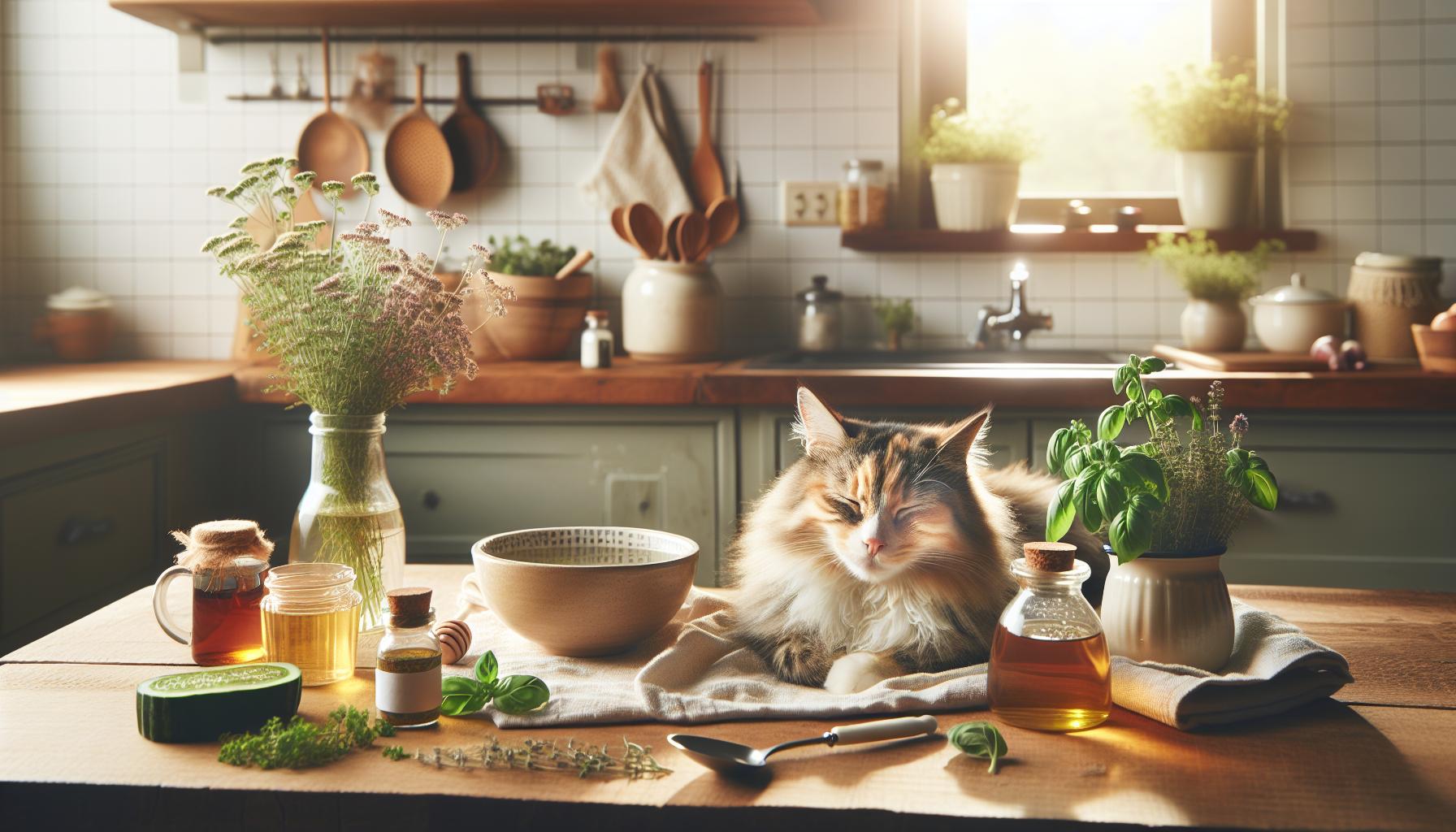
Identifying the Symptoms of Cat Allergies
Cats, like humans, can suffer from allergies that manifest in uncomfortable symptoms. Recognizing these symptoms is key to addressing your cat’s needs and providing them with relief. Common signs of cat allergies include sneezing, a runny nose, itchy or watery eyes, and excessive grooming. In some cases, you might also notice a cat’s skin becoming irritated or developing hot spots due to constant scratching.
Another indicator can be respiratory issues, where your cat may exhibit coughing or wheezing, potentially accompanied by lethargy. These symptoms often worsen in certain environments or after exposure to specific triggers like dust, pollen, or even certain foods. If you observe these signs, it’s essential to note when they occur, as this can help pinpoint potential allergens and create a more comfortable environment for your cat.
In addition to respiratory symptoms, other allergy-related issues may include gastrointestinal disturbances such as vomiting or diarrhea, which can sometimes lead to confusion as these symptoms overlap with other conditions. Keeping a close eye on your cat and monitoring for these signs can help you determine the best course of action-whether it’s employing home remedies, adjusting their diet, or consulting a veterinarian for targeted treatment options.
Understanding and identifying these symptoms will empower you to take proactive steps in using natural remedies to ease your cat’s discomfort, creating a more pleasant living experience for both you and your furry friend.
Common Causes of Sneezing in Cats
Sneezing in cats can be both puzzling and concerning for pet owners. Understanding the root causes can help you create a more comfortable environment for your feline friend. One of the most common culprits is allergies, which can stem from environmental factors such as pollen, dust mites, mold, or even certain fragrances in cleaning products. These allergens can irritate the nasal passages, prompting sneezing as a natural reflex to clear the irritation.
Infections are another frequent reason for sneezing episodes. Upper respiratory infections in cats, often caused by viruses such as feline herpesvirus or calicivirus, can lead to symptoms that include a runny nose, coughing, and sneezing. Such infections can be highly contagious among cats, particularly those in shelters or multi-cat households. It’s vital to keep an eye on other signs, such as lethargy or loss of appetite, to determine if a more serious infection might be at play.
Furthermore, underlying health issues, such as dental disease, can also manifest as sneezing. Cats with dental problems may experience pain or infection that leads to inflammation and sneezing. Another consideration is foreign bodies-tiny irritants like grass blades or dust that might get lodged in a cat’s nasal cavity, triggering an immediate sneezing reaction as they try to expel the irritant.
Lastly, smoke or chemical irritants from cigarettes, air fresheners, and even heavy perfumes can exacerbate sneezing. Maintaining a smoke-free home and avoiding areas with strong odors can help reduce these triggers. By being observant and proactive about your cat’s environment and health, you can effectively address and mitigate the causes of sneezing, leading to a happier, healthier companion.
Safe Natural Remedies for Cat Cold Symptoms
When your cat experiences sneezing and a runny nose, it can be distressing for both of you. Fortunately, there are safe and natural remedies that can help alleviate their symptoms. By incorporating some easy methods at home, you can support your feline friend’s recovery and comfort them during this time.
One effective approach is to ensure your cat stays well-hydrated. Proper hydration can thin mucus and help drain nasal passages. Encourage your kitty to drink more water by providing a fresh supply daily, or consider adding water to their food if they’re eating wet food. Adding a splash of low-sodium chicken broth may entice them to drink more, making it a flavorful addition. Another gentle remedy is the use of steamed air. You can create a soothing environment by running a hot shower and letting your cat sit in the bathroom with you (while keeping them safe from the water). The warm, humid air can ease congestion and help clear their nasal passages.
Moreover, adding honey to your cat’s diet can be beneficial. While honey should be used sparingly and only in cats over one year old, its natural antibacterial and anti-inflammatory properties can soothe the throat and promote healing. Offer a small dab of honey on your finger or mixed into their food. Always consult with your veterinarian before adding new items to their diet to ensure it’s safe for your specific pet.
Finally, consider natural arrangements such as maintaining a clean living environment free of dust and allergens. Regularly vacuuming and using air purifiers can help reduce irritants that may exacerbate sneezing and nasal discharge. Additionally, providing a cozy blanket or bed for them to rest in a quiet area can help speed up their recovery and keep them feeling secure. Implementing these natural remedies can greatly enhance your cat’s comfort levels and support their health during a cold or allergy flare-up.
Using Honey to Soothe Your Cat’s Symptoms
Honey has been praised for its healing properties across various cultures, and its soothing effects can extend to our feline friends as well. Its natural antibacterial and anti-inflammatory properties can play a significant role in alleviating discomfort associated with respiratory issues like sneezing and a runny nose in cats. However, it’s essential to use honey correctly and safely, making sure that it complements other supportive measures during your cat’s recovery.
To incorporate honey into your cat’s routine, remember that it should only be given to cats over one year old. A recommended approach is to offer a small dab of honey directly on your finger, allowing your cat to lick it off. Alternatively, you can mix the honey into their wet food, ensuring they consume it without realizing they’re taking a remedy. This not only makes it less stressful for your pet but also provides an additional flavor that might encourage them to eat more-the key to maintaining their strength while they’re not feeling well.
Although honey can be beneficial, moderation is crucial. Overconsumption can lead to other health issues like obesity or digestive problems. Aim for small quantities-about half a teaspoon once or twice a week during symptomatic periods. Always consult with your veterinarian before introducing honey or any new ingredient to your cat’s diet to ensure it aligns with their overall health needs.
Utilizing honey as a natural remedy for your cat’s cold symptoms can promote healing and provide comfort. Just as we reach for a warm cup of honey in tea when under the weather, your cat can experience similar soothing effects. Use this gentle remedy alongside other supportive strategies like hydration and maintaining a comfortable environment to help your furry companion bounce back quickly.
Essential Oils for Cat Congestion Relief
While many people associate essential oils primarily with human wellness, these natural extracts can also provide comforting relief for our feline friends suffering from congestion. Cats often experience respiratory issues, leading to sneezing and runny noses, and certain essential oils may help alleviate these symptoms. However, caution is essential, as not all essential oils are safe for cats.
To harness the benefits of essential oils safely, it’s recommended to diffuse them rather than applying them directly. One effective approach involves using a diffuser with oils like lavender or chamomile-both known for their soothing properties. The gentle aromatherapy can help ease your cat’s anxiety while encouraging easier breathing. Ensure the room is well-ventilated, and monitor your cat to see how they react. If your cat shows any signs of distress, stop using the oils immediately.
Another method is to mix a few drops of essential oil with a carrier oil, like coconut oil, and apply it to your cat’s bedding. This provides a more indirect means of exposure while creating a calming environment. Always perform a patch test first to ensure there are no adverse reactions.
Here are some tips for using essential oils effectively for your cat:
- Choose the right oils: Select pet-safe essential oils such as lavender, chamomile, or peppermint. Avoid oils like tea tree or eucalyptus, which can be toxic.
- Use a diffuser: Diffuse essential oils in a well-ventilated area, ensuring your cat can leave the room if they choose.
- Observe your cat: Watch for any signs of discomfort; if your cat appears stressed or starts sneezing more, discontinue use.
- Consult your vet: Always consult with your veterinarian before introducing new remedies to ensure they align with your cat’s health needs.
With these precautions in mind, integrating essential oils into your cat’s care routine can be a soothing and supportive way to help relieve congestion. By creating a comforting atmosphere with nature’s fragrances, you can enhance your cat’s well-being during times of discomfort. Remember, comfort and safety should always come first in any home remedy approach!
Hydration Tips to Help Your Sneezing Cat
Keeping your cat properly hydrated is crucial, especially when they’re experiencing sneezing and a runny nose. Dehydration can exacerbate symptoms of illness, making it harder for your furry friend to recover comfortably. An intriguing fact to remember is that cats have a low thirst drive, so they might not drink enough on their own, particularly when feeling unwell. Therefore, it becomes essential to actively encourage hydration in these situations.
Start by ensuring that your cat has access to fresh, clean water at all times. You might want to invest in a pet water fountain, as many cats are attracted to running water and will drink more frequently from it compared to a static bowl. Additionally, you can consider adding wet food to their diet if they don’t already consume it. Wet food contains a significant amount of moisture, which can help maintain hydration levels.
Here are a few additional tips to promote hydration effectively:
- Flavor the water: Some cats might be more inclined to drink if water is flavored slightly. Try adding a small amount of low-sodium chicken broth (ensure it doesn’t contain any onions or garlic which are harmful to cats) to their water to entice them.
- Ice cubes or ice chips: On warm days, dropping a few ice cubes in their water bowl can attract attention and encourage them to drink, plus it makes for a fun way to hydrate.
- Offer ice chips: Many cats love to play with ice cubes, and chewing on ice chips not only keeps them cool but also helps with hydration.
- Monitor their intake: Keep an eye on your cat’s drinking habits and note any changes. If your cat is reluctant to drink and shows signs of dehydration (like lethargy or dry gums), it might be wise to consult your veterinarian.
By taking these simple steps, you can support your kitty’s hydration needs and help them feel better faster during bouts of sneezing and respiratory discomfort. Remember, a well-hydrated cat is better equipped to fend off illness, promote recovery, and maintain overall health.
The Role of a Healthy Diet in Cat Respiratory Health
A cat’s diet plays a pivotal role in maintaining its overall respiratory health. A nutritious, balanced diet can help bolster your feline’s immune system, making it more resilient against respiratory issues, such as sneezing and a runny nose. When your cat is healthy, its body is better equipped to combat infections and environmental irritants, significantly reducing the frequency and severity of symptoms.
To support respiratory health, focus on a diet rich in high-quality proteins and essential fatty acids. Whole foods, such as lean meats and fish, provide the necessary nutrients to strengthen their immune system. Incorporating omega-3 fatty acids, found in fish oil or flaxseed oil, can also help reduce inflammation in the respiratory tract. Additionally, antioxidants, such as vitamins C and E, found in fruits and vegetables like blueberries and spinach, play a crucial role in fighting off oxidative stress that can weaken the immune system.
Foods to Include
Here are some foods that can be beneficial for your cat’s respiratory health:
- Fish: Rich in omega-3 fatty acids that help reduce inflammation.
- Chicken and turkey: Lean proteins that support overall health.
- Organ meats: Such as liver and heart, are nutrient-dense and can be a great addition.
- Canned pumpkin: A good source of fiber that can aid digestion.
- Green leafy vegetables: In small amounts, these provide essential vitamins.
Moreover, it’s important to avoid feeding your cat certain foods that can aggravate respiratory issues, such as dairy products, which can create mucus buildup, and processed foods high in fillers and preservatives. Always consult with your veterinarian when making significant changes to your cat’s diet, especially if your cat has pre-existing health conditions.
In summary, fostering a healthy diet isn’t just about prevention; it’s an essential aspect of caring for a cat that currently suffers from respiratory issues. By prioritizing wholesome ingredients and maintaining a balanced diet, you’ll be contributing to your cat’s ability to recover more quickly and effectively from symptoms like sneezing and a runny nose, helping them to breathe easier and live happier.
When to Seek Veterinary Care for Your Cat
It’s not uncommon for our feline friends to experience the occasional sneeze or runny nose, but knowing when these symptoms warrant a visit to the veterinarian is crucial for ensuring their health and wellbeing. While minor respiratory issues can often be managed at home with natural remedies, certain signs indicate that professional care is needed to prevent complications and ensure your cat receives appropriate treatment.
If your cat’s sneezing persists for more than a few days, it’s essential to consult a veterinarian. Chronic sneezing could indicate an underlying infection or allergy that warrants a more in-depth examination. Look out for additional symptoms such as nasal discharge that is yellow or green, which may signal a bacterial infection. Similarly, if your cat shows signs of difficulty breathing, excessive lethargy, or refuses to eat or drink, these concerns should be addressed without delay.
Another crucial time to seek veterinary help is if your cat has a history of respiratory issues, such as asthma or other chronic conditions. Even minor symptoms in these cases could escalate into more significant problems. Additionally, if there are drastic changes in their behavior, such as hiding or displaying unusual aggression, this might signal discomfort related to their health condition.
In conclusion, while many cat colds can be treated naturally at home, vigilance towards their overall symptoms is key. A proactive approach, focusing on both their immediate symptoms and broader behavioral changes, can help ensure your beloved pet gets the timely and effective care they deserve. If you’re uncertain, it’s always better to err on the side of caution and consult your veterinarian. Your cat relies on you to keep them healthy, so be attentive and responsive to their needs!
Preventive Measures to Protect Your Cat’s Health
To maintain your cat’s health and minimize the risk of sneezing and runny nose, implementing preventive measures can be incredibly beneficial. Cats are sensitive creatures, and their respiratory systems can easily be affected by their environment. One of the best strategies is to keep your home clean and free from potential irritants. Regular vacuuming and dusting can help reduce allergens like dust, mold, and dander that may lead to respiratory issues in your feline friend.
Managing Allergens
Consider using air purifiers to improve indoor air quality. These devices can filter out dust, pollen, and other allergens that might make your cat sneeze. Additionally, using hypoallergenic cat litter and avoiding heavily scented cleaning products can further decrease the likelihood of your cat developing respiratory symptoms. Always make sure your cat has a clean, dust-free area to rest and play, as this can greatly reduce exposure to potential allergens.
Regular Vet Checkups
Routine veterinary care plays a crucial role in preventing health issues. Schedule regular checkups to ensure your cat is healthy and up-to-date on vaccinations. Your vet can provide guidance on specific preventive measures tailored to your cat’s needs, especially if they have known sensitivities. If you notice any changes in your cat’s behavior or health, don’t hesitate to consult your vet for advice.
Boosting Immunity
Promoting a robust immune system through a balanced diet is vital. Feed your cat high-quality food rich in nutrients, including vitamins A, C, and E, which support their immune health. Additionally, consider integrating natural supplements recommended by your veterinarian, such as omega-3 fatty acids, which can have anti-inflammatory benefits.
Environmental Adjustments
Creating a comfortable and stress-free environment is essential for your cat’s well-being. Provide cozy, sheltered areas where they can retreat from the hustle and bustle of daily activities. Maintaining a consistent temperature and avoiding sudden drafts can also help keep their respiratory system stable. If your cat is prone to sneezing, keeping them indoors during pollen-heavy seasons can further reduce allergy triggers.
By taking proactive steps to manage allergens, ensuring regular checkups, enhancing their diet, and creating a comfortable living space, you empower your cat to enjoy better overall health and well-being. Simple actions can make a significant difference in your cat’s quality of life, allowing them to thrive without the discomfort of sneezing or runny nose symptoms.
How to Create a Comfortable Environment for Recovery
Creating a soothing environment for your feline friend is essential for their recovery from sneezing and a runny nose. Cats are sensitive to their surroundings, and a calm, comfortable space can significantly aid their healing process. You can start by designating a quiet area in your home where your cat can feel secure and relaxed. This could be a cozy corner with their favorite blanket or a soft bed away from household noise and activity.
Optimize Temperature and Humidity
Maintaining a stable temperature is crucial. Cats thrive in a warm, draft-free environment. Consider using a heated blanket or a warm bed to ensure they stay comfortable. Additionally, you might find it beneficial to use a humidifier in your home. Proper humidity levels can help relieve respiratory symptoms by keeping the air moist, making it easier for your cat to breathe. Monitor your home’s humidity, aiming for a range of 30-50% to create the most soothing atmosphere.
Cleansing the Air
To further enhance their environment, think about the air quality. Investing in a good air purifier can help filter allergens and irritants from the air, minimizing sneezing episodes. Be mindful of the cleaning products you use; opt for unscented or natural cleaners to avoid strong odors that might trigger your cat’s sensitivities. Replace any heavily perfumed items with more gentle alternatives, ensuring your cat’s space remains pleasant to breathe in.
Reduce Stress and Engage in Positive Activities
Lastly, reducing stress can promote quicker recovery. Spend quality time with your cat by gently petting or playing with them using their favorite toys; this not only provides emotional support but also helps keep their mood elevated. Create a routine that includes short, interactive sessions, allowing your cat to feel loved and secure as they heal. By taking these steps, you empower your cat to recover comfortably while also potentially easing their symptoms naturally.
Natural Supplements for Boosting Your Cat’s Immune System
Natural supplements can play a vital role in enhancing your cat’s immune system, especially when they are dealing with sneezing and a runny nose. Strengthening their defenses helps your feline friend recover faster and fend off future respiratory issues. Incorporating natural supplements into your cat’s diet can be an easy and effective way to support their health.
One popular option is omega-3 fatty acids, known for their anti-inflammatory properties. These can be found in fish oil supplements and are beneficial for overall respiratory health. Adding a few drops of high-quality fish oil to your cat’s food can promote better immune function while also improving their coat condition. Probiotics are another excellent choice, as they help maintain gut health, which is closely linked to a robust immune response. Look for cat-specific probiotic formulations that can be sprinkled onto food.
Consider using colloidal silver as a natural remedy. This natural supplement is known for its antibacterial and antiviral properties, making it a popular choice among holistic pet owners. A few drops can be added to your cat’s water bowl or mixed into their food, helping to combat infections. When choosing any supplement, always consult your veterinarian first to ensure it’s appropriate for your cat’s specific health needs and circumstances.
Additionally, mushroom extracts, such as reishi or shiitake, have been shown to boost the immune system and support overall health. These can be found in powdered form and can be easily mixed into their meals. Lastly, ensure your cat is getting enough vitamin C, which can support the immune system. While cats can produce their own vitamin C, adding foods rich in this vitamin, like cooked sweet potatoes or some fruits (in moderation), can provide an additional immune boost.
Incorporating these supplements thoughtfully can contribute significantly to your cat’s recovery process. Monitor your cat’s reaction to any new supplement and adjust as necessary to find the perfect mix that keeps them safe and healthy.
Frequently Asked Questions
Q: What are some effective home remedies for a cat’s runny nose?
A: Home remedies for a cat’s runny nose include using a humidifier to moisten the air, soothing with warm chicken broth, and making sure your cat stays hydrated. You can also try gently wiping the nose with a damp cloth to keep it clean and comfortable.
Q: How can I tell if my cat’s sneezing is serious?
A: If your cat’s sneezing is accompanied by symptoms like lethargy, loss of appetite, or discharge that changes color, it might indicate a more serious condition. In such cases, it’s best to consult a veterinarian for a thorough evaluation.
Q: Are there any herbs that can help with my cat’s congestion?
A: Certain herbs like chamomile and peppermint can aid in alleviating cat congestion. These can be offered as herbal teas to help clear up symptoms. Always ensure they are safe for cats and consult your vet beforehand.
Q: Can I use essential oils around my cat to help with cold symptoms?
A: It’s important to be cautious with essential oils around cats, as many can be toxic. Oils like lavender may provide some relief, but should be used sparingly and only in well-ventilated areas. Always consult a vet before use.
Q: How can I make sure my cat stays hydrated during a cold?
A: To keep your sneezing cat hydrated, provide fresh water daily and consider trying wet food to boost fluid intake. Adding a little chicken or fish broth (without onions or garlic) can also encourage drinking.
Q: When should I seek veterinary care for my sneezing cat?
A: If your cat’s sneezing persists for more than a few days, is accompanied by severe lethargy, significant loss of appetite, or if you notice any unusual odors or colors in nasal discharge, it’s time to visit the vet.
Q: What preventive measures can I take to avoid respiratory issues in my cat?
A: To prevent respiratory issues, maintain a clean environment, avoid exposure to allergens, ensure regular vet check-ups, and consider vaccinations against common illnesses. A healthy diet also supports respiratory health.
Q: Can a healthy diet help reduce sneezing in cats?
A: Yes, a balanced diet rich in omega-3 fatty acids can support your cat’s immune system and respiratory health, potentially reducing sneezing. Consider foods with high-quality protein and essential nutrients to maintain overall well-being.
Closing Remarks
If your cat is sneezing and dealing with a runny nose, trying natural remedies is an excellent first step towards restoring their comfort and health. Remember, using simple ingredients like honey or herbal teas can provide relief and enhance their wellbeing. Don’t wait-start incorporating these remedies today! If you’re looking for more insights on pet health, check out our guides on “Essential Oils Safe for Cats” and “Natural Treatments for Allergies in Pets.”
Stay proactive about your furry friend’s health and explore our newsletter for regular tips on home remedies and pet care. We invite you to share your experiences or ask questions in the comments below; your input helps foster a supportive community. Together, let’s keep our beloved pets happy and healthy!


