


Kennel cough is a common respiratory infection in dogs that can leave your furry friend feeling miserable and restless. It’s not only distressing for your pet but can also create worry for you as a pet owner. Fortunately, there are effective home remedies you can use to alleviate their discomfort and promote faster healing.
In this guide, we’ll explore natural relief options that can help soothe your dog’s cough, strengthen their immune system, and provide them with the comfort they need to recover. Whether you’re looking for simple ingredients you already have at home or easy steps to follow, you’ll find valuable information to help your pet feel better soon. Let’s embark on this journey to natural wellness together and equip you with the knowledge to support your beloved dog through kennel cough.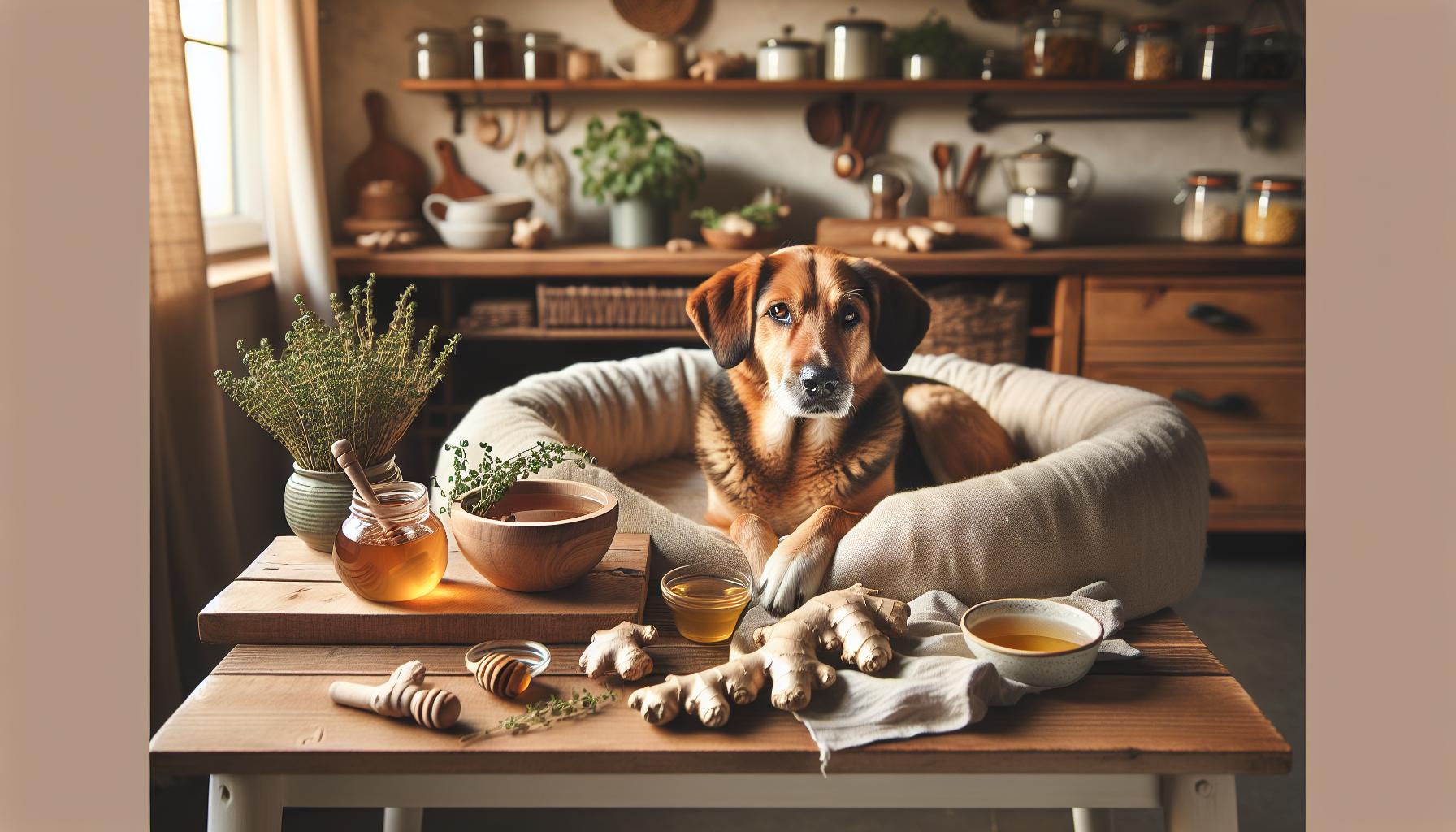
How Kennel Cough Affects Your Dog
Understanding the impact of kennel cough on your dog is crucial for timely and effective treatment. This highly contagious respiratory infection, also known as infectious tracheobronchitis, can cause significant discomfort and distress for your pet. The condition arises when a pathogen, often a combination of viruses and bacteria, inflames the lining of the dog’s trachea and bronchial tubes. As a result, your dog may experience a persistent, dry cough, which can worsen during exercise or excitement. In many cases, the cough is accompanied by a honking sound, giving it a distinctive quality that pet owners commonly recognize.
In addition to coughing, you may observe other symptoms that indicate your dog is feeling unwell. These can include lethargy, reduced appetite, sneezing, and a runny nose. While kennel cough is typically mild, it can lead to more serious complications, particularly in puppies, older dogs, or those with pre-existing health issues. Understanding helps reinforce the importance of close observation and care during recovery.
When your dog is grappling with kennel cough, implementing natural remedies can support their healing process. By focusing on creating a calm atmosphere, ensuring proper nutrition, and utilizing safe, natural ingredients, you can significantly enhance their comfort levels. Remember, kennel cough is often self-limiting; however, close monitoring and appropriate home treatment can make a noticeable difference in your dog’s recovery journey.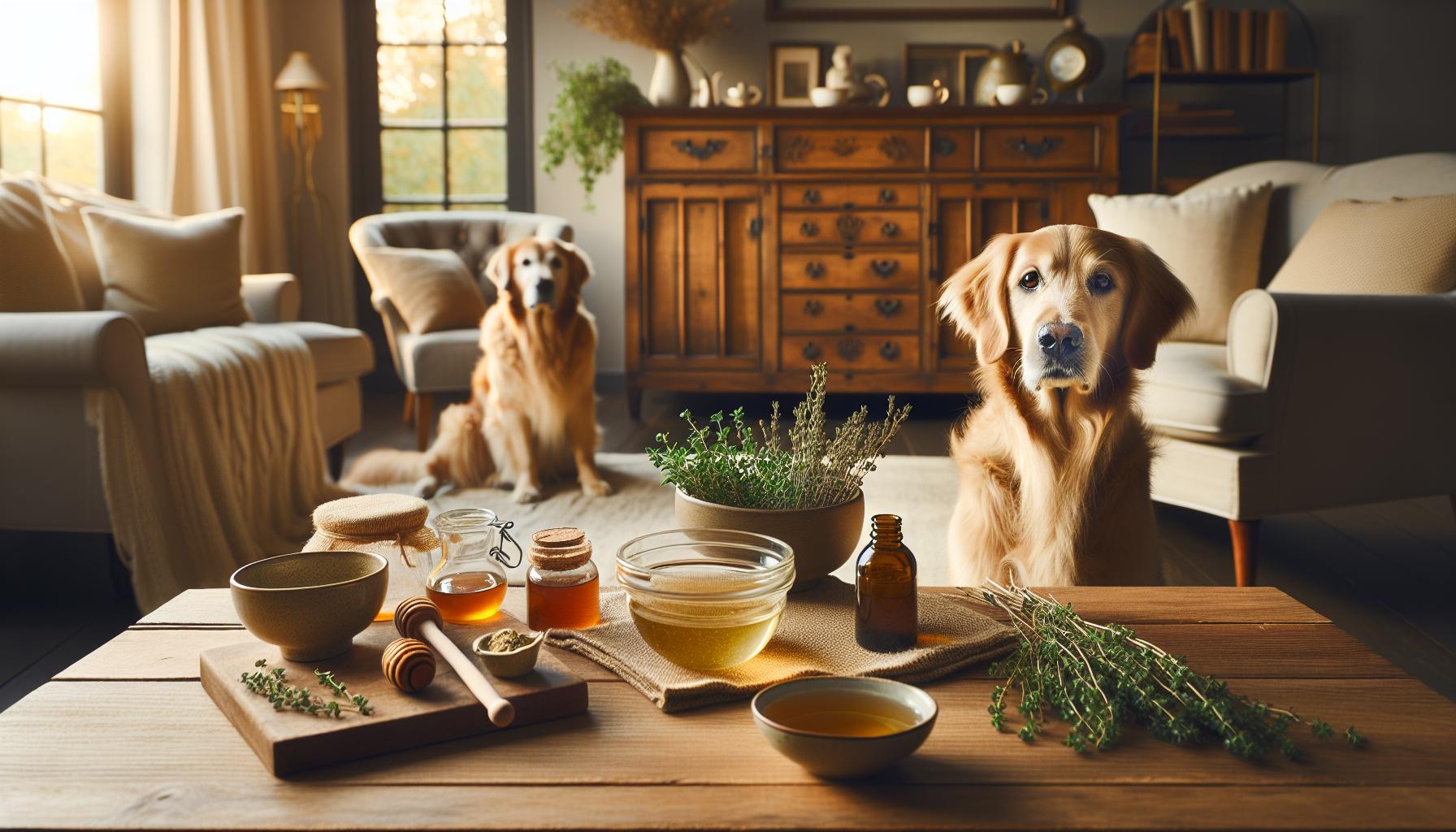
Recognizing the Symptoms of Kennel Cough
Understanding the early signs of kennel cough is vital for prompt action and relief. As a dog owner, recognizing the behaviors and symptoms exhibited by your pet will allow you to provide timely care and comfort. One of the hallmark signs of kennel cough is a persistent dry cough that may sound like a honk. This cough often intensifies during periods of excitement or physical activity, prompting concern. However, don’t panic; kennel cough is usually mild and self-limiting in healthy dogs.
In addition to coughing, you may notice other related symptoms indicating discomfort. Keep an eye out for lethargy, a decreased appetite, and nasal discharge. Some dogs might also experience sneezing or gentle coughing fits. It’s essential to monitor these symptoms closely, as they can help distinguish kennel cough from more severe respiratory issues. In young puppies, senior dogs, or those with pre-existing health conditions, kennel cough can lead to more serious complications, underscoring the importance of vigilant observation.
If you suspect your dog has kennel cough, it’s a good idea to isolate them from other pets to prevent the spread of the infection. Providing a calm, quiet space for recovery can aid their healing. With natural remedies and proper care, many dogs recover swiftly from kennel cough, regaining their usual energy and playful demeanor. Always trust your instincts as a pet owner; if your dog’s symptoms worsen or persist, reaching out to your veterinarian is a wise choice for the best course of action.
Home Remedies: Natural Ingredients for Relief
The thought of your dog suffering from kennel cough can be worrisome, but there are several natural ingredients you can use at home to provide your furry friend with some relief. Home remedies harness the healing properties of nature, enabling you to offer comfort while supporting your dog’s recovery. Many pet owners have found success using simple ingredients that you may already have in your pantry.
One effective ingredient is honey, known for its soothing properties. It can coat the throat and provide relief from coughing. Administer about a teaspoon of organic honey directly to your dog, and feel free to mix it into their food or water. Additionally, consider using bone broth for its nourishing benefits. Homemade or store-bought, ensure it’s low-sodium and free of any harmful ingredients. This tasty treat not only helps keep your dog hydrated but also provides essential nutrients that may support their recovery.
Another beneficial remedy is ginger, which has natural anti-inflammatory and antimicrobial properties. Adding a small amount of grated or powdered ginger to your dog’s food can help soothe their throat and boost their immune system. If your dog is particularly restless, you might want to consider steam therapy. This involves running a hot shower and allowing your dog to sit in the bathroom, where the steam can moisten and soothe their airways. Always monitor your pet closely during this process to ensure their comfort.
It’s important to keep an eye on your dog’s condition while administering these remedies. If you notice no improvement within a few days or if their symptoms worsen, do not hesitate to consult your veterinarian. By integrating these natural ingredients into your dog’s care routine, you can help provide the comfort and relief they need during this unsettling time.
Herbal Treatments for Coughing Dogs
The world of herbal remedies for dogs is rich with options that can provide relief from kennel cough, easing discomfort and promoting healing. Many herbs offer natural anti-inflammatory, antimicrobial, and soothing properties, making them valuable allies in your dog’s recovery. As always, it’s essential to consult your veterinarian before introducing any new treatments into your dog’s regimen, especially if your pet has underlying health issues or is on medication.
Effective Herbal Options
Several herbs have been shown to be particularly effective in alleviating coughing and supporting respiratory health in dogs. Some of the most beneficial include:
- Thyme: Known for its antiseptic properties, thyme can help relieve coughing and clear mucus from the airways. Steep a teaspoon of dried thyme in a cup of boiling water for about 10 minutes. Once cooled, you can give your dog a small amount of the liquid in their food or water.
- Marshmallow Root: This soothing herb contains mucilage, which can coat and soothe the throat. You can prepare a tea by steeping marshmallow root in hot water and offering it to your dog in small amounts.
- Licorice Root: With natural anti-inflammatory properties, licorice root may help ease throat irritation and boost the immune system. It can be given in tincture form or as a tea, but be cautious, as it can affect blood pressure and should not be used long-term.
- Eucalyptus: The steam from eucalyptus oil can help clear a congested chest. A few drops in a diffuser or hot shower can provide soothing relief. Ensure the area is well-ventilated, and always monitor your dog to prevent any adverse reactions.
How to Administer Herbal Remedies
When using herbal treatments, it’s vital to administer them properly to maximize their effectiveness and ensure safety. Here are a few practical steps:
- Consult First: Always check with your veterinarian before introducing any herbal remedy to ensure it’s appropriate for your dog’s unique health conditions.
- Start Slow: Introduce one herb at a time to evaluate your dog’s tolerance. Observing their reaction before adding more remedies will help you identify what works best.
- Prepare Carefully: Make herbal teas or infusions, straining them well to ensure there are no solid particles that may choke your dog. You can mix the herb-infused liquid into their food or offer it separately.
- Monitor Progress: Keep a close eye on your dog’s condition and the effectiveness of the resorted remedies. If symptoms persist or worsen, promptly consult your veterinarian.
Using herbals as a complementary approach in treating kennel cough can empower you to provide comforting care for your furry friend while harnessing the power of nature. With the right information and a bit of caution, these natural treatments can help promote healing and soothe your dog’s discomfort.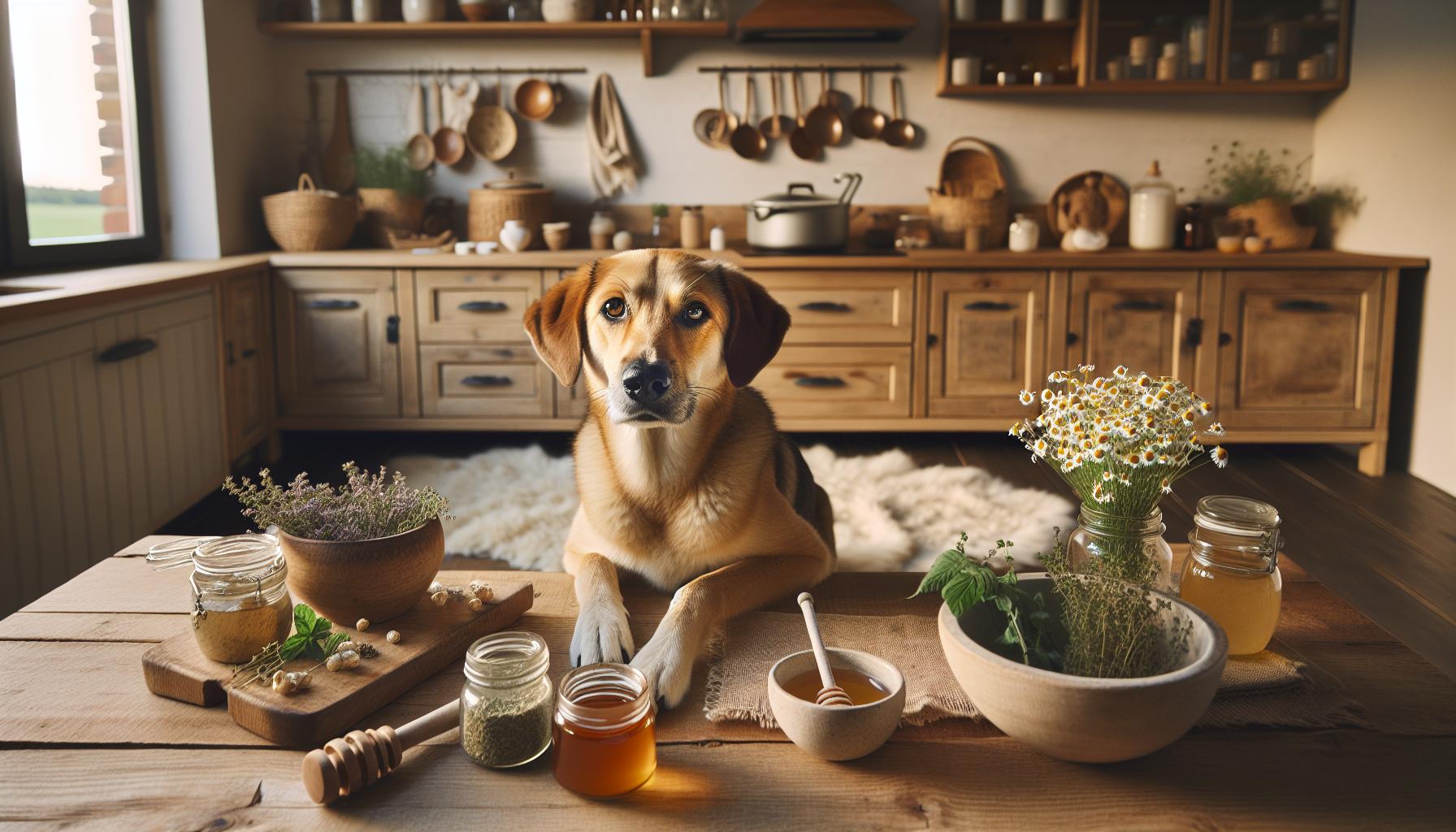
Nutritional Boosts to Support Recovery
Supporting your dog’s recovery from kennel cough is not just about treating the symptoms; nutrition plays a crucial role in strengthening their immune system and improving their overall health. Just like us, dogs benefit significantly from a balanced diet rich in vitamins and minerals that promote healing. Integrating specific nutrient-dense foods can help give your pup the boost they need to recover faster and regain their strength.
Incorporating foods high in antioxidants can be particularly beneficial. Fruits and vegetables like blueberries, carrots, and sweet potatoes are excellent choices, as they contain vitamins A, C, and various phytonutrients that help combat inflammation and support immune function. Additionally, consider adding foods rich in omega-3 fatty acids, such as salmon or flaxseeds, which offer anti-inflammatory properties that can soothe respiratory discomfort and support lung health.
Equally important is the inclusion of high-quality protein in your dog’s diet. Foods like chicken, turkey, or eggs provide essential amino acids that promote tissue repair and energy levels during recovery. You can also look into natural supplements like probiotics, which encourage a healthy gut environment and may help fortify your dog’s immune system after they’ve been under stress from illness.
Lastly, making sure your dog is getting adequate hydration is vital, especially if they are experiencing cough-related throat irritation. Adding warm broth to their meals can not only help keep them hydrated but also make their food more palatable. Simply use low-sodium chicken or beef broth to provide not just hydration but also flavor that your dog will appreciate. Always opt for natural ingredients and avoid any seasonings that could be harmful to dogs.
By focusing on these nutritional boosts, you’re setting the stage for a thorough recovery that encompasses more than just symptomatic relief. A well-rounded diet tailored to your dog’s needs can help your furry friend bounce back with vitality and resilience.
Hydration Strategies for Coughing Dogs
Ensuring that your dog stays hydrated is essential, especially if they’re battling kennel cough. Just like humans, dogs can suffer from throat irritation and dryness, which can exacerbate coughing. Proper hydration not only helps soothe their throat but also aids in thinning mucus, making it easier for them to expel it. Here are some effective strategies to keep your furry friend well-hydrated during their recovery.
Start by offering fresh, clean water at all times. Some dogs may prefer drinking from a bowl, while others might enjoy a pet water fountain that constantly circulates water. If your dog is reluctant to drink, try adding a little flavor by mixing in low-sodium chicken or beef broth. This not only enhances the taste but can also entice your dog to drink more. Just be sure to avoid any broths that contain onions or garlic, as these can be toxic to dogs.
Another excellent method to ensure hydration is through moistening their food. Adding water, broth, or even plain yogurt to dry kibble can make meals more appealing and easier to ingest. This will also help provide additional moisture in their diet. If your pup is a fan of treats, consider frozen treats made from blended fruits and broth, which can be both hydrating and soothing on a sore throat.
Regular hydration checks are vital, especially in warmer weather or after exercise. Pay attention to your dog’s gums; they should be moist and not sticky. If you notice signs of dehydration, like lethargy or dry gums, consult your veterinarian promptly. Keeping your dog well-hydrated is a simple yet crucial step in supporting their recovery from kennel cough and ensuring their overall health. By incorporating flavorful hydration options and monitoring their intake, you can help your beloved pet feel better and bounce back quicker.
Creating a Comfortable Environment for Healing
Creating a tranquil and cozy atmosphere at home can significantly aid your dog’s recovery from kennel cough. Just like humans need a peaceful space to recuperate, dogs thrive in environments that promote comfort and relaxation. Ensuring that your furry friend has a cozy resting spot and minimizing stressors in their surroundings are essential steps to support their healing process.
Begin by designating a quiet area in your home where your dog can rest undisturbed. This space should be free from excessive noise and activity, allowing them to relax more fully. You can enhance this area by placing their favorite blanket or bed to provide a familiar and comforting scent. A soft, warm bed not only offers physical comfort but also aids in reducing any anxiety they might feel during their recovery.
Soothing Elements
Consider incorporating soothing elements into your dog’s recovery environment. For example:
- Humidifier: Dry air can irritate your dog’s throat and worsen coughing. Using a humidifier in the room can add moisture to the air, helping to soothe their airways.
- Aromatherapy: Certain essential oils, like lavender, can create a calming environment. However, ensure any oils used are safe for dogs; it’s best to consult with your veterinarian before introducing any new scents.
- Calm Music: Some dogs respond positively to soft music or white noise, which can help drown out sudden noises that might disturb their rest.
Encouraging Rest and Recovery
Encourage your dog to rest by limiting their physical activity. Short, gentle walks may be okay depending on their condition, but avoid strenuous play or vigorous exercise. This is crucial, as their body needs energy to fight off the infection and recover. As their cough improves, gradually increase their activity level.
Lastly, be extra attentive during this time. Regularly check on them, offer gentle pets or comforting words, and ensure that they are comfortable. Your presence can be incredibly reassuring, creating an atmosphere filled with love and care, which is vital for their emotional well-being while they recover from kennel cough.
Preventing Kennel Cough: Tips for Dog Owners
Preventing kennel cough requires a proactive approach, particularly if your dog is frequently socialized with other pets or spends time in environments like dog parks or boarding kennels. A well-informed dog owner can significantly reduce the risk of their canine companion contracting this contagious respiratory infection. One of the most effective strategies is to ensure that your dog is fully vaccinated. Consult with your veterinarian about the specific vaccination schedule to provide optimal protection against kennel cough.
Another practical measure is to promote good health and hygiene. Regularly cleaning your dog’s living space, bedding, and toys can minimize exposure to pathogens. Additionally, consider implementing a routine grooming schedule to keep your dog’s coat healthy and reduce allergens that could irritate their respiratory system.
Socialization and exercise are essential for a dog’s well-being, but managing these activities can also be key to prevention. Opt for outdoor playdates with healthy, well-vaccinated dogs and avoid crowded places where illness may spread. If your dog suffers from a respiratory issue or has yet to be vaccinated, it’s best to limit their exposure to large groups of other dogs. Adhering to a balanced diet that supports your dog’s immune system is equally important; foods rich in antioxidants, vitamins, and minerals can bolster their defenses against illnesses, including kennel cough.
Ensure your dog has access to fresh water at all times. Hydration is crucial for maintaining a robust immune system and can also help keep their respiratory tract moist, thus reducing irritation. Lastly, observing your dog’s behavior and promptly addressing any respiratory symptoms will help you catch potential issues early, allowing for timely intervention and care. Together, these practices create a comprehensive approach to keeping your furry friend healthy and happy while minimizing the risk of kennel cough.
When to Consult Your Veterinarian
When caring for a dog suffering from kennel cough, it’s vital to know when to seek veterinary assistance. Kennel cough, though often mild, can quickly escalate into more serious respiratory infections if not addressed correctly. If your dog’s coughing persists for more than a week or worsens despite home treatments, it’s crucial to consult your veterinarian. This ensures you rule out any underlying conditions such as pneumonia or chronic bronchitis that may require professional intervention.
Another clear sign that a vet visit is necessary is if your dog shows additional symptoms alongside coughing, such as high fever, lethargy, loss of appetite, or difficulty breathing. These symptoms could indicate that the infection is severe or that there may be other health issues at play. It’s also important to consider the overall well-being of your dog; if they seem unusually distressed or if their behavior changes significantly, it may be time for a professional evaluation.
Furthermore, if you are managing a multiple-dog household or have recently visited a dog park or boarding facility, consult your vet at the onset of kennel cough symptoms. Early intervention can help prevent the spread of infection to other pets and may lead to quicker recovery for your affected dog. Your veterinarian might recommend additional treatments, such as antibiotics or cough suppressants, if they determine that the case warrants further care.
Keeping an open line of communication with your veterinarian allows you to incorporate natural remedies safely while monitoring your dog’s progress. By being proactive and attentive to your dog’s needs, you can navigate through kennel cough more effectively and help your furry friend return to their happy, lively self sooner.
Understanding Vaccination Options Against Kennel Cough
Vaccination plays a crucial role in preventing kennel cough, a highly contagious respiratory infection that affects dogs. Though it often resolves without treatment, vaccination can help reduce the risk of severe illness and outbreaks, especially in environments where many dogs congregate, such as boarding facilities or dog parks. The kennel cough vaccine, often termed the Bordetella vaccine, specifically targets one of the primary bacterial agents responsible for the infection, Bordetella bronchiseptica, along with other potential pathogens.
Most veterinarians recommend this vaccine for any dog that is frequently around other dogs, regardless of their lifestyle, as it significantly lowers the chances of contracting kennel cough. Vaccination comes in various forms, including an intranasal spray, injectable option, and oral vaccination. The intranasal version is particularly popular because it offers rapid immunity, making it ideal for dogs that might be exposed to kennel cough shortly after vaccination.
It’s essential to discuss your dog’s specific needs with your veterinarian, as they can help determine the best vaccination schedule and type based on your dog’s health, age, and lifestyle. Routine annual boosters are often recommended to maintain immunity, especially prior to events that gather large numbers of dogs. Additionally, while vaccination greatly reduces risk, it does not guarantee complete immunity, so remaining vigilant about your dog’s exposure to infectious environments is still important.
By staying informed about vaccination options and working closely with your veterinarian, you can not only prevent kennel cough but also ensure that your furry friend remains healthy and happy. Keeping your dog vaccinated is a proactive approach, setting the stage for a long, vibrant life filled with playdates and adventures.
Managing Coughing: Lifestyle Adjustments for Dogs
Managing a dog with kennel cough involves more than just treating the symptoms; it also requires thoughtful lifestyle adjustments that can greatly enhance your pet’s comfort and speed up recovery. Dogs are sensitive creatures, and their environments can significantly affect their health and mood. By creating a supportive atmosphere and making a few simple changes, you can help your furry friend feel better and heal more quickly.
One way to start is by minimizing your dog’s exposure to irritants. This means keeping indoor air clean and fresh. Use air purifiers to reduce dust and allergens that may aggravate your dog’s cough. Additionally, maintaining a smoke-free home is crucial, as tobacco smoke can exacerbate respiratory issues. Since kennel cough is a respiratory infection, it’s also beneficial to keep your dog indoors and away from other pets until they fully recover-this helps to prevent further irritation and spreading the illness.
Hydration and Nutrition
Offering plenty of fresh water is essential, as hydration can help thin mucus and ease coughing. You might also consider adding a bit of low-sodium chicken broth to their water for extra flavor and appeal. This small tweak can encourage your dog to drink more and stay hydrated, which is key to recovery. Furthermore, introducing nutrition-rich foods can bolster your dog’s immune system during this vulnerable time. Gentle, easy-to-digest meals such as plain boiled chicken and rice can provide the necessary energy without upsetting their stomach.
Comfortable Resting Areas
Creating a cozy resting area can make a world of difference. Ensure your dog has a comfortable, quiet place to relax away from drafts and noise, as a peaceful environment promotes healing. Providing soft bedding and a warm blanket can help them feel secure and calm. If your dog enjoys steam, consider running a hot shower in a closed bathroom while letting them sit nearby (but not in the water), as the steam can ease their throat and respiratory passages.
Gentle Exercise and Play
While vigorous exercise should be avoided during recovery, gentle playtime is important to keep your dog engaged and mentally stimulated. Short, calm walks can help maintain their spirits without overexerting them. Focus on low-key activities that encourage your dog to stay active but do not push them to the point of exhaustion. Remember, keeping your dog entertained can lift their mood and contribute to quicker healing.
Incorporating these lifestyle adjustments will not only help manage your dog’s symptoms but also position them for a faster recovery from kennel cough. Being attentive and responsive to your pet’s needs is the best way to support them during this time. Your care and understanding will go a long way in helping your furry companion feel better!
FAQs About Home Remedies for Kennel Cough
Many pet owners seek natural remedies for kennel cough, often wondering which home treatments are safe and effective for their furry friends. Understanding your dog’s symptoms and knowing how to provide relief at home can make a substantial difference in their comfort and recovery speed. Below are answers to some common questions regarding home remedies for kennel cough.
What are some safe home remedies for kennel cough?
Several natural ingredients can offer soothing relief for coughing dogs. Honey, known for its natural ability to coat the throat, can be given in moderation to provide comfort. A teaspoon of honey can be mixed into your dog’s food or given directly. Additionally, steam inhalation can be beneficial. Simply running a hot shower to create steam in the bathroom (while keeping your dog out of the water) allows them to breathe in the moist air, which can help ease coughing and open up airways.
Can I use essential oils?
While some essential oils like eucalyptus and lavender have soothing properties, they must be used with caution. Always dilute any essential oil and consult with your veterinarian before using it near your pet, as some oils can be toxic to dogs. Instead, consider using a natural humidifier with water to add much-needed moisture to the air, helping alleviate respiratory discomfort.
How important is hydration during recovery?
Hydration is critical for dogs recovering from kennel cough. Keeping your dog well-hydrated helps thin mucus and makes it easier for them to breathe. In addition to providing fresh water, consider adding low-sodium chicken or beef broth to entice them to drink more. You can create an enticing “broth popsicle” by freezing broth in ice cube trays, offering a rewarding and hydrating treat.
When should I see a veterinarian?
While many home remedies can provide relief, it’s essential to know when to involve your veterinarian. If your dog’s cough worsens, if they show signs of difficulty breathing, or if they experience a loss of appetite or lethargy, it’s crucial to seek professional advice. A veterinarian can assess whether there are underlying issues that natural remedies cannot address.
By integrating these natural approaches and closely monitoring your dog’s health, you can effectively manage kennel cough symptoms and enhance their recovery process. Remember, your loving care plays a pivotal role in your dog’s healing journey, and these remedies can be valuable tools in your pet care toolbox.
Frequently Asked Questions
Q: What are the best natural remedies for kennel cough?
A: Effective natural remedies for kennel cough include honey, which soothes the throat; steam inhalation to relieve congestion; and slippery elm for its anti-inflammatory properties. Ensure your dog stays hydrated and consider adding vitamin C to boost their immune system.
Q: How long does kennel cough last with home treatment?
A: With proper home treatment, kennel cough typically lasts about two to three weeks. However, persistent symptoms may require veterinary attention. Monitor your dog closely for severe symptoms or prolonged coughing.
Q: Can I use essential oils for treating kennel cough?
A: Yes, certain essential oils like eucalyptus and peppermint can help relieve coughing. However, always dilute them and consult your veterinarian first, as some oils may be harmful to dogs.
Q: Is chicken broth helpful for dogs with kennel cough?
A: Chicken broth can be beneficial for dogs with kennel cough, as it keeps them hydrated and provides nutrients. Ensure it’s low in sodium and free from onions or garlic, which are toxic to dogs.
Q: When should I take my dog to the vet for kennel cough symptoms?
A: You should consult your veterinarian if your dog’s coughing worsens, is accompanied by other symptoms like fever or lethargy, or if it lasts longer than three weeks. Early intervention is crucial for effective treatment.
Q: What can I give my dog for coughing besides medication?
A: In addition to natural remedies, you can give your dog soothing treats such as plain, unsweetened pumpkin or mashed banana, which can help calm their cough and provide nutritional support.
Q: How can I prevent my dog from getting kennel cough again?
A: To prevent kennel cough, ensure your dog is vaccinated, maintain good hygiene in their environment, and limit exposure to other dogs, especially in crowded settings. Regular vet check-ups are also important for overall health.
Q: Can kennel cough spread to other dogs in the house?
A: Yes, kennel cough is highly contagious among dogs. If one dog is infected, it’s important to isolate them and practice good hygiene to prevent spreading it to other pets in the household.
To Wrap It Up
As you explore natural remedies for kennel cough, remember that swift action can lead to faster recovery for your furry friend. By incorporating simple ingredients like honey, ginger, and plenty of hydration, you can provide them with soothing relief. If you’re looking for more comprehensive pet care strategies, check out our guides on natural treatments for common dog ailments and maintaining a healthy immune system for pets. Don’t hesitate to ask questions or share your experiences in the comments; your insights may help fellow pet owners too!
Ready to take the next step? Subscribe to our newsletter for ongoing tips on holistic pet care, or visit our product page to discover essential supplies for your dog’s well-being. With the right approach, you can not only support your dog’s health today but also equip yourself with knowledge for the future. Stay proactive in your pet’s wellness journey, and consider bookmarking our site for the latest insights to keep your canine companion happy and healthy!


