


Did you know that urinary tract infections (UTIs) can significantly affect your dog’s comfort and overall well-being? Just like us, our furry companions can experience this uncomfortable condition, causing them pain and distress. As a pet owner, it’s natural to want to soothe their discomfort using safe and effective methods.
In this guide, we’ll explore various home remedies to help alleviate your dog’s UTI symptoms naturally. By understanding these remedies, you can take proactive steps to support your pet’s health while avoiding unnecessary vet visits. From dietary adjustments to herbal solutions, discover simple, accessible options that can offer relief and promote your dog’s recovery. Let’s dive in and empower you with the knowledge to help your pooch feel better soon!
Home Remedies for Dog UTI: Understanding the Condition
Understanding a dog’s urinary tract infection (UTI) is crucial for any pet owner aiming to alleviate their furry friend’s discomfort. UTIs occur when bacteria enter the urinary system, leading to irritation, inflammation, and painful symptoms. While this condition can affect dogs of all ages and breeds, certain factors like a weakened immune system, diabetes, or anatomical differences can make some dogs more susceptible. Recognizing the early signs of a UTI, such as frequent urination, straining to urinate, or blood in the urine, allows for timely intervention and care.
To support your dog naturally during a UTI episode, it’s important to explore home remedies that can provide relief. One of the most straightforward approaches is to ensure your dog stays hydrated. Increasing water intake helps flush out the bladder, reducing bacterial load. Offering fresh, filtered water or adding a splash of low-sodium broth can encourage your dog to drink more. Additionally, maintaining a clean environment and practicing good hygiene can minimize the risk of further infections.
Another useful option is using certain natural ingredients that have soothing properties for urinary health. Cranberry extract is often highlighted for its ability to prevent bacteria from adhering to the bladder wall, thus promoting urinary tract health. You can find cranberry supplements specifically designed for dogs, or you might consider adding a small amount of pure cranberry juice (without added sugar) to your dog’s water-just consult your vet for the correct dosage. Remember, while home remedies can ease discomfort, they should complement, not replace, professional veterinary advice. If symptoms persist or worsen, it’s essential to consult a veterinarian for appropriate diagnostics and treatments.
Signs and Symptoms of a Dog UTI
Recognizing the signs and symptoms of a urinary tract infection (UTI) in dogs is essential for prompt and effective action. Like humans, dogs exhibit a variety of behaviors and physical indicators when their urinary tract is inflamed or infected. If you notice your furry friend displaying unusual behavior, it could be a signal that something isn’t right. Early detection can lead to quicker treatment and relief for your dog.
Common signs of a UTI include frequent urination, which may manifest as your dog needing to go outside more often than usual. They might also appear to struggle when urinating, showing signs of discomfort or straining, which can be alarming to observe. Additionally, look out for changes in urine color or the presence of blood, as these can indicate irritation and infection within the urinary system. Other symptoms may include:
- Excessive licking of the genital area, indicating irritation;
- Unusual accidents in the house, as a dog may not be able to hold their urine;
- Foul-smelling urine, which may suggest an infection;
- Behavioral changes, such as increased agitation or lethargy.
It’s crucial to keep a watchful eye on your dog’s health and behavior. If you suspect a UTI, consider implementing some comforting home remedies, but never hesitate to reach out to your veterinarian for personalized advice and treatment options. Taking action at the first sign of trouble can significantly enhance your dog’s comfort and well-being.
Natural Ingredients to Soothe UTI Discomfort

Finding natural ways to alleviate urinary tract infection (UTI) discomfort in dogs can be both reassuring and effective. The right ingredients not only help soothe your dog’s distress but also promote a healthier urinary system. Many pet owners have turned to natural remedies for quick relief, and several ingredients can be easily found in your pantry or garden.
Cranberries are one of the most well-known natural remedies for urinary health. These berries contain compounds called proanthocyanidins, which prevent bacteria from adhering to the urinary tract walls, thus reducing the risk of infection. You can offer cranberry juice (unsweetened and diluted with water) in your dog’s drinking bowl, but be sure to consult your veterinarian about the appropriate amount to use. Another beneficial ingredient is apple cider vinegar, which may help maintain the urinary pH balance and create an inhospitable environment for bacteria. A teaspoon mixed in your dog’s water can also boost hydration.
If you’re looking for more soothing options, consider using marshmallow root. This herb naturally soothes irritation in the urinary tract. You can brew a tea: steep one teaspoon of dried marshmallow root in a cup of boiling water for about 10 minutes, then cool it and offer it to your dog as a refreshing drink. Dandelion is another wonderful addition; it acts as a natural diuretic, which can help flush bacteria from the urinary system. You can incorporate dandelion leaves into your dog’s meals for a nutritious boost.
Embracing these natural ingredients not only comforts your dog during a UTI episode but also encourages overall urinary tract health. Always monitor your dog’s response to these remedies, and if symptoms persist or worsen, don’t hesitate to consult your veterinarian for further guidance.
Herbal Teas and Infusions for Your Dog

When your furry friend is experiencing a urinary tract infection (UTI), a soothing cup of homemade herbal tea can work wonders. Herbal teas and infusions not only provide comfort but also harness the therapeutic properties of natural ingredients, promoting a quicker recovery. Your dog may appreciate the warm, gentle flavors, while the right herbs can help ease irritation and support urinary health.
One of the most effective herbal teas is marshmallow root tea. This herb contains mucilage, which can coat the urinary tract, reducing irritation and inflammation. To prepare the tea, steep one teaspoon of dried marshmallow root in a cup of boiling water for about 10 minutes. After cooling, it can be given to your dog as a refreshing drink. You might also consider offering dandelion tea. Known for its diuretic properties, dandelion helps to flush out toxins and bacteria, promoting healthy urination. Prepare dandelion tea by steeping dried dandelion leaves in boiling water for approximately 10 minutes and serve it once cooled.
Additional Herbal Options
In addition to marshmallow root and dandelion, chamomile tea is another gentle option. Chamomile is known for its calming properties, which can help reduce your dog’s anxiety and discomfort during a UTI episode. Brew chamomile by steeping a tea bag or dried chamomile flowers in hot water, allowing it to steep for 5-10 minutes before cooling. Just be cautious with the amount, as excessive chamomile can have a mild sedative effect.
You can also blend these herbal essences into your dog’s regular water to keep them hydrated. It’s essential to ensure that any tea given to your dog is unsweetened and free from caffeine. By offering these soothing herbal teas, you’re taking a natural approach to alleviate your dog’s UTI discomfort while ensuring they feel loved and cared for. Always observe how they react to each remedy and consult your veterinarian if symptoms persist, ensuring your pet’s health is your top priority.
DIY Dog UTI Soothing Baths
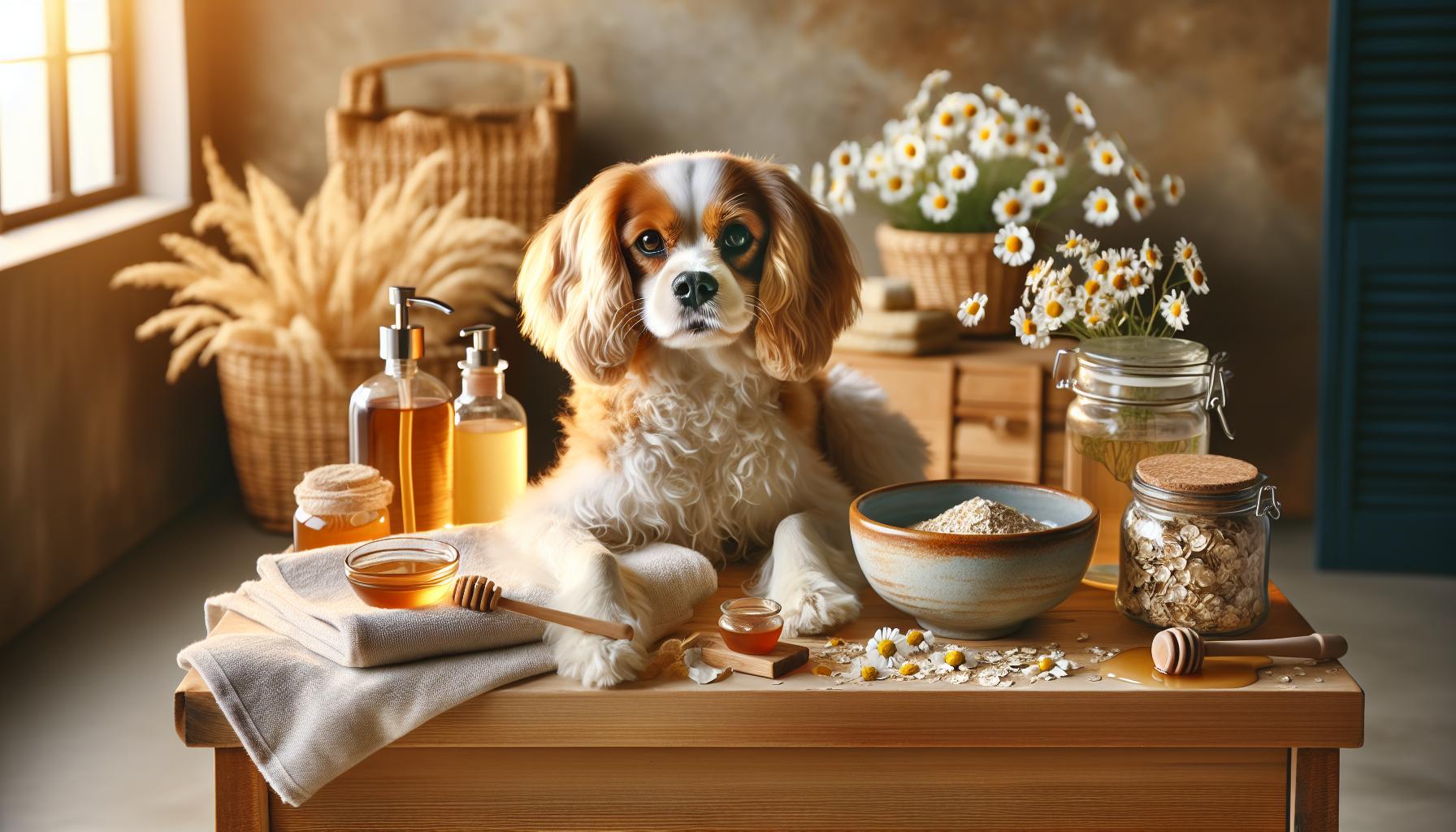
When your dog is suffering from a urinary tract infection (UTI), a warm soak can be incredibly soothing and beneficial. DIY soothing baths not only help relieve discomfort but can also promote relaxation and healing. The warmth of the water can ease muscle tension and enhance circulation to the affected areas, which is essential for a speedy recovery.
To create a comforting bath for your dog, begin by filling a tub or basin with warm water-make sure it’s not too hot, as dogs have sensitive skin. You can enhance the bath’s healing properties by adding natural ingredients such as Epsom salt, which can reduce inflammation and soothe irritated skin, or oatmeal, known for its calming effects. If you choose to use oatmeal, grind a cup into a fine powder and add it to the bathwater, mixing well until it disperses.
Choosing the Right Ingredients
Additionally, consider incorporating calming essential oils that are safe for dogs, such as lavender or chamomile. Add just a few drops, as essential oils are potent and should be used sparingly. Before using any new ingredient, perform a patch test on your dog’s skin to ensure there are no adverse reactions.
Here’s a simple step-by-step guide to ensure everything goes smoothly:
- Gather your supplies: warm water, Epsom salt or oatmeal, and any safe essential oils.
- Place your dog in the tub and ensure they are comfortable. Speak to them soothingly to reassure them.
- Allow your dog to soak for about 10-15 minutes, making sure they are relaxed the entire time.
- After the soak, gently towel dry your dog, avoiding any vigorous rubbing that could irritate the skin further.
This soothing bath not only offers comfort but also creates a wonderful bonding experience between you and your furry friend. It’s a simple yet effective way to help alleviate their discomfort during a tough time. Always monitor your dog for any unusual reactions after the bath and consult your veterinarian if symptoms persist or worsen. By using these natural remedies, you are taking meaningful steps toward your dog’s recovery while nurturing their well-being.
Dietary Changes That Help Prevent UTIs
Making dietary changes can play a crucial role in preventing urinary tract infections (UTIs) in dogs. A well-balanced diet not only supports your dog’s overall health but also strengthens their urinary system. One of the most effective first steps is to incorporate more water-rich foods into their diet. Foods like watermelon, cucumber, and broth can help keep your dog hydrated, flushing out the urinary tract and reducing the risk of bacteria buildup.
In addition to hydration, consider adding specific nutrients known to support urinary health. For example, cranberries are famous for their ability to prevent UTI recurrence. They contain compounds that prevent bacteria from adhering to the urinary tract walls. You can find cranberry extract in supplement form or look for dog foods that already include it. Blueberries and pumpkin can also be beneficial due to their high antioxidant content and fiber, which help maintain a healthy urinary tract.
Next, monitor the protein source in your dog’s diet. High-quality protein from sources like chicken, turkey, and fish can aid in maintaining optimal muscle mass and metabolic function. However, be mindful that an excess of certain proteins, particularly red meats, may contribute to higher urinary protein levels, which could lead to complications. If your dog suffers from frequent UTIs, consulting a veterinarian about the best protein sources is key.
Finally, decreasing the intake of highly processed foods that contain artificial additives or preservatives can improve your dog’s digestive health and immunity. Opt for grain-free or low-acid dog food options when preparing meals, as these diets are often easier on the urinary tract. Providing home-cooked meals, vegetable-based diets, or high-quality commercial foods can significantly enhance their dietary intake.
By implementing these dietary changes, you can empower your dog to maintain better urinary health, reducing the chances of discomfort associated with UTIs and improving their quality of life. Always introduce any new foods gradually, and consult with your veterinarian to ensure that the dietary adjustments suit your dog’s specific health needs.
Hydration Tips to Flush Out Bacteria
To help your furry friend battle a urinary tract infection (UTI), ensuring they stay well-hydrated is crucial. Drinking sufficient water aids their body in flushing out harmful bacteria from the urinary tract, potentially speeding up healing and reducing discomfort. Although some dogs may be resistant to drinking more water, there are several effective strategies to encourage hydration.
Start by incorporating water-rich foods into their diet. Offer treats such as watermelon, cucumber, or even broth (preferably low-sodium and free from onions or garlic) as snacks or meal toppers. These foods not only boost hydration levels but also provide essential vitamins and minerals. Additionally, consider using a pet water fountain; many dogs prefer running water, which can significantly increase their water intake.
Another method is to create flavored water. Adding a small amount of low-sodium chicken or beef broth to their drinking water can make it more enticing. Ensure it is safe for dogs, avoiding any flavors that may contain harmful ingredients. If your dog enjoys ice, try freezing low-sodium broth into ice cubes for a refreshing treat on hot days.
Monitor your dog’s water intake closely, as adequate hydration is vital when combating a UTI. It’s best to encourage small, frequent sips throughout the day. If you notice your dog is not drinking enough, you may need to adjust their feeding routine or consult with your vet to explore alternative hydration solutions. With a few creative adjustments and a bit of encouragement, you can help your furry companion maintain their hydration and support their urinary health effectively.
Essential Oils Safe for Dogs with UTIs
Aromatherapy isn’t just for humans; certain essential oils can also provide soothing benefits for our furry companions. When it comes to managing the discomfort associated with urinary tract infections (UTIs) in dogs, using safe and effective essential oils can offer a gentle approach. Oils such as lavender, chamomile, and frankincense are known for their calming properties and may help alleviate stress and discomfort while promoting relaxation.
Safe Essential Oils for Dogs
When selecting essential oils, it’s crucial to choose those that are safe for canine use. Always dilute essential oils before applying them to your dog’s skin or using them in a diffuser. Here are some essential oils that are generally safe for dogs:
- Lavender Oil: Known for its relaxing effects, lavender can help soothe your dog’s anxiety and reduce pain associated with UTIs.
- Chamomile Oil: This gentle oil can ease inflammation and may help your dog in feeling more at ease during treatment.
- Frankincense Oil: With potential antiseptic and anti-inflammatory properties, frankincense may support overall wellness while being soothing.
- Peppermint Oil: Used in moderation, it can aid in reducing discomfort and has a refreshing scent.
How to Use Essential Oils Safely
To use essential oils safely for your dog, consider the following methods:
- Diffusion: Use a diffuser to disperse the essential oil into the air, allowing your dog to benefit from its calming effects. Ensure the space is well-ventilated and that your dog can leave the area if they choose.
- Topical Application: Mix essential oils with a carrier oil (like coconut or almond oil) at a ratio of 1 drop of essential oil to 10 drops of carrier oil. Apply a small amount to your dog’s collar or between their shoulder blades, avoiding sensitive areas.
- Spray: Create a calming spray by mixing a few drops of essential oil with water in a spray bottle. Lightly mist their bedding or surrounding area, which can promote a relaxing environment.
Always observe your dog for any adverse reactions when introducing new products. If you notice signs of discomfort or allergy, discontinue use and consult your veterinarian. Essential oils can be a wonderful addition to your pet care routine, helping them feel more comfortable as they recover from a UTI.
Probiotics for a Healthy Urinary System
Incorporating probiotics into your dog’s diet can greatly enhance their urinary health, offering a natural way to ward off urinary tract infections (UTIs) and soothe discomfort. These beneficial bacteria help to balance the gut microbiome, which can positively impact the urinary system by preventing harmful bacteria from taking hold. When the urinary tract is healthy, the chance of infection decreases significantly, making probiotics a vital element for prevention.
Choosing the Right Probiotics
Finding the right probiotic for your dog is essential. Look for products specifically formulated for canine use, preferably those that include strains like *Lactobacillus rhamnosus*, *Enterococcus faecium*, or *Bifidobacterium bifidum*. These strains are known for their ability to support urinary and digestive health. Consult your veterinarian to ensure you select a high-quality supplement that meets your dog’s specific needs.
How to Introduce Probiotics
Introducing probiotics into your dog’s routine can be done smoothly by:
- Mixing with Food: Start by mixing a small dose of the probiotic powder or capsule with your dog’s regular food. Gradually increase the amount as your dog gets accustomed to the taste.
- Homemade Treats: You can also incorporate probiotics into homemade dog treats, ensuring your dog enjoys a tasty snack while reaping the health benefits.
- Follow Dosage Recommendations: Always adhere to the dosage guidelines provided on the product label, adjusting based on your dog’s weight and health profile.
Monitoring Your Dog’s Health
As you introduce probiotics, keep a close eye on your dog’s behavior and urinary habits. Notice any changes in their appetite, energy levels, or overall well-being. A well-functioning urinary system will typically show improved clarity and reduced frequency of bathroom visits, signaling a healthy balance of bacteria. Remember, while probiotics can be an excellent home remedy for maintaining urinary health, they should complement a holistic approach that includes proper hydration, a balanced diet, and regular veterinary checkups.
Preventive Care: Keeping UTIs at Bay
To keep your furry friend healthy and minimize the risk of urinary tract infections (UTIs), proactive preventative care is essential. One fascinating fact is that the urinary system of dogs can be influenced significantly by their diet and lifestyle choices. Implementing simple, natural strategies can encourage urinary health and reduce the likelihood of UTIs.
Maintaining proper hydration is one of the most effective preventive measures. Ensuring your dog has access to fresh, clean water at all times will help dilute their urine, reducing the concentration of harmful bacteria. You can also incorporate water-rich foods into their diet, such as cucumbers and watermelon, to aid in hydration. Regular bathroom breaks are also crucial; try to establish a routine that allows your dog to relieve themselves frequently, especially after meals or during playtime, to prevent bacteria from building up in the urinary tract.
Dietary modifications can also play a significant role in preventing UTIs. Consider shifting to a high-quality, protein-rich diet that contains cranberry extract and probiotics. Cranberries have natural compounds that may prevent bacteria from adhering to the bladder wall, while probiotics support a healthy gut and urinary system. You can easily find dog food tailored for urinary health or incorporate these ingredients into homemade treats.
For some dogs, regular exercises such as walks or play sessions help stimulate bladder function, promoting frequent urination, which aids in flushing out bacteria. Additionally, explore natural ingredients like apple cider vinegar, which can be mixed with your dog’s food in small amounts for its potential benefits in urinary tract health. Finally, regular veterinary check-ups will ensure any underlying conditions are caught early, providing your dog with the best chance at a healthy urinary system.
By adopting these straightforward practices, you’re setting up a strong defense against UTIs that will enable your dog to thrive. Implementing a tailored routine of hydration, diet, exercise, and veterinary care will not only enhance your dog’s overall health but also give you peace of mind as a devoted pet owner.
When to Consult a Veterinarian
Recognizing when to seek veterinary care for your dog can be a challenging yet crucial skill for any pet owner. While many urinary tract infections (UTIs) can be managed with home remedies, there are times when professional guidance is essential to ensure your furry friend receives the best possible care. If you notice that your dog is displaying consistent signs of distress, it’s important to act swiftly.
If your dog shows symptoms such as straining to urinate, blood in the urine, excessive licking of the urinary area, or frequent but ineffective attempts to urinate, these could indicate a more serious infection or another underlying issue that may require medical attention. Additionally, if your dog exhibits lethargy, vomiting, a lack of appetite, or fever, these symptoms may signal a systemic problem that necessitates a veterinarian’s expertise. Ignoring these signs or relying solely on home remedies in the face of potential complications can lead to more serious health issues down the line.
It’s also wise to consult your veterinarian if home treatments, such as dietary changes or herbal remedies, do not seem to alleviate your dog’s symptoms within a few days. A vet can perform diagnostic tests, such as urine analysis or imaging, to determine the underlying causes of the UTI and devise a targeted treatment plan. This approach not only helps ensure your dog receives appropriate care but also helps alleviate their discomfort more quickly.
In summary, while there are many effective home remedies for soothing discomfort from a UTI, vigilance is key. By keeping a close eye on your dog’s symptoms and being ready to seek professional help when necessary, you can protect your pet’s health and well-being, ensuring they remain happy and comfortable. Being proactive and observant will empower you to make informed decisions about your dog’s health, balancing natural remedies with the knowledge that medical intervention is sometimes essential.
Essential Supplements for Urinary Health
Supplementing your dog’s regimen with specific nutrients can be a game-changer for their urinary health. Many dog owners may not realize that certain vitamins, minerals, and herbal supplements can provide the necessary support to help prevent urinary tract infections (UTIs) and maintain overall urinary tract function. By focusing on dietary enhancements that boost bladder health, you can empower your furry friend to ward off discomfort and illness.
Key Supplements for Urinary Support
Including some of the following supplements can significantly benefit your dog’s urinary health:
- Cranberry Extract: Known for its ability to prevent bacteria from adhering to the urinary tract walls, cranberry can be a powerful ally in managing UTIs. Look for a high-quality cranberry extract that’s specifically formulated for dogs.
- Dandelion Leaf: This herbal supplement acts as a natural diuretic, promoting increased urination which helps flush out bacteria from the urinary tract. Dandelion is often available in teas or capsule form.
- Omega-3 Fatty Acids: Found in fish oil, these fatty acids support a healthy inflammatory response and can benefit urinary tract health. Adding a quality fish oil supplement can enhance your dog’s overall wellness.
- Probiotics: These beneficial bacteria can help maintain a balanced gut microbiome, which is linked to urinary tract health. Probiotics can be found in powder, pill, or chews form, and incorporating them into your dog’s diet can foster a healthier urinary system.
- Vitamin C: This vitamin can help acidify urine, creating an unstable environment for harmful bacteria, thus helping prevent infections. Ensure the supplement is vet-approved for appropriate dosing.
Implementing Supplements Safely
When introducing any supplements into your dog’s diet, it’s crucial to start slowly and monitor their response. Here are some tips to guide you:
- Consult Your Veterinarian: Before adding new supplements, discuss your choices with a veterinarian to ensure they are appropriate based on your dog’s health status and needs.
- Choose Quality Products: Look for reputable brands that provide clear labeling about ingredients and dosages. Avoid products with unnecessary fillers or additives.
- Gradual Introduction: Start with small doses, gradually increasing to the recommended amounts while observing your dog for any adverse reactions.
- Consistency is Key: Make supplements a regular part of your dog’s diet for the best results, as consistency helps to build and maintain urinary health over time.
By focusing on these essential supplements, you can contribute to your dog’s urinary health naturally. Empower yourself with knowledge and confidence in using these remedies while keeping a close eye on your furry companion’s health. Making proactive choices can lead to a happier, healthier pet, free from the discomfort of UTIs.
FAQ
Q: What are the best natural remedies for dog UTIs?
A: Some effective natural remedies for dog UTIs include increasing hydration through water or broth, adding cranberry extract to their diet, and using probiotics to enhance gut health. Herbal teas like chamomile may also help soothe discomfort. Always consult with a vet before trying new remedies.
Q: How can I tell if my dog has a UTI?
A: Signs of a UTI in dogs include frequent urination, straining to urinate, blood in urine, excessive licking of genital areas, and signs of discomfort. If you observe these symptoms, consult your veterinarian for a proper diagnosis and treatment options.
Q: Can diet help prevent UTIs in dogs?
A: Yes, a well-balanced diet can help prevent UTIs in dogs. Incorporating high-quality, moisture-rich foods and reducing the intake of processed foods can promote urinary health. Additionally, adding supplements like cranberry or probiotics may provide further preventative benefits.
Q: Are there any specific herbs that can soothe a dog’s UTI?
A: Herbs like marshmallow root, dandelion, and uva ursi are known for their soothing properties for urinary tract issues. They can help reduce inflammation and promote healing. Always consult a veterinarian before using any herbs to ensure safety for your dog.
Q: When should I see a vet about my dog’s UTI?
A: You should see a veterinarian if your dog exhibits persistent symptoms like frequent urination, blood in urine, vomiting, or lethargy. Early diagnosis is crucial to prevent complications and ensure effective treatment.
Q: How can I make my dog more comfortable during a UTI?
A: To make your dog more comfortable during a UTI, ensure they have easy access to fresh water, provide a quiet and cozy resting space, and consider using soothing baths with calendula or chamomile. Consult your vet for specific recommendations.
Q: Can stress contribute to a dog’s UTI?
A: Yes, stress can contribute to a dog’s UTI by weakening their immune system and disrupting normal urination patterns. Ensuring a calm environment and regular exercise can help reduce stress and support overall health.
Q: What role do probiotics play in preventing dog UTIs?
A: Probiotics can help maintain a healthy balance of bacteria in your dog’s gut, which supports immune function and can reduce the likelihood of urinary tract infections. Incorporating probiotic-rich foods or supplements into your dog’s diet may be beneficial.
Future Outlook
Don’t let your furry friend suffer from UTI discomfort when there are natural remedies available to help. By implementing these home solutions, you can provide relief and support your dog’s health without the stress of harsh medications. Remember, if symptoms persist, consulting with your veterinarian is crucial for the well-being of your pet.
For more valuable insights, explore our articles on homemade dog treats and natural remedies for common pet ailments. Your proactive approach can make a significant difference-start today by trying a simple remedy, and share your experiences in the comments below.
Stay connected with us for more pet care tips, and don’t forget to subscribe to our newsletter for the latest updates on natural pet health solutions. Together, let’s ensure our beloved companions lead happy and healthy lives!


