


If you’ve ever seen your beloved dog struggling with an upset stomach, you’re not alone. According to veterinary experts, gastrointestinal issues are among the most common ailments affecting dogs, often caused by dietary changes, anxiety, or even a sneaky snack from the trash. Thankfully, many effective home remedies can provide quick relief for your furry friend without the need for costly vet visits or medications.
In this guide, we’ll explore natural and easy-to-implement solutions to soothe sensitive tummies and help your dog feel better fast. From gentle dietary adjustments to soothing herbal options, you’ll find a variety of remedies that you can try right at home. Say goodbye to guesswork and worry-discover how simple ingredients in your kitchen can transform your pet’s comfort and wellbeing. Curious how to get started? Let’s dive into these reliable home remedies that ensure your four-legged family member can return to their playful self in no time.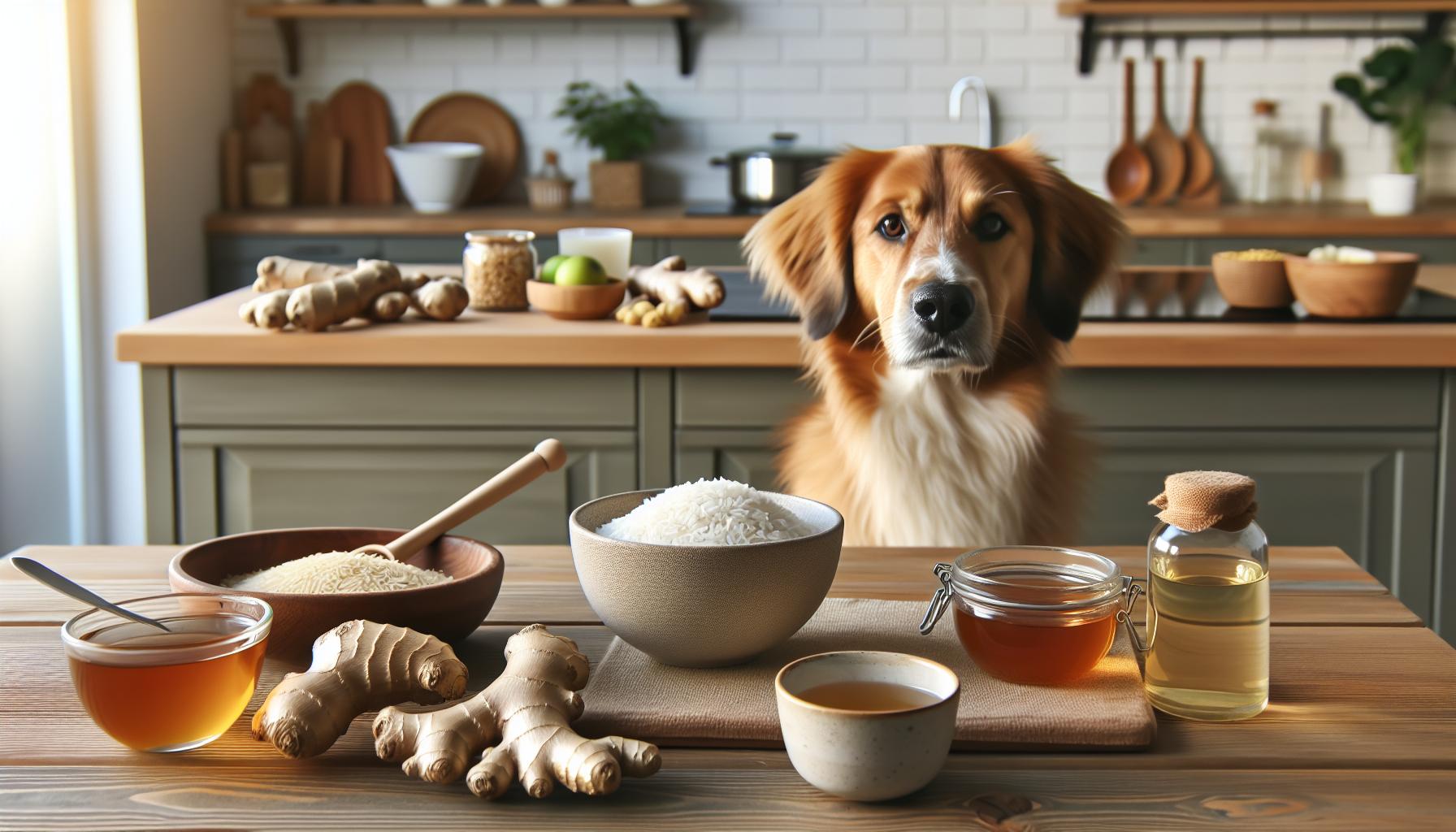
Home Remedies for Dog Upset Stomach: Quick Relief for Sensitive Tummies
Dealing with a dog that has an upset stomach can be distressing for both the pet and the owner. Fortunately, there are several safe home remedies that provide quick relief and promote healing. Many pet owners find comfort in knowing that simple, natural ingredients can help soothe their furry friends’ sensitive tummies without the need for immediate veterinary intervention.
H3: Common Home Remedies for Immediate Relief
- Bland Diet: Start by providing small amounts of a bland diet such as boiled white rice and skinless, boneless chicken. This combination is gentle on the stomach and helps to bind stool. Gradually reintroduce regular food after 24-48 hours.
- Bone Broth: Homemade bone broth is a fantastic remedy that boosts hydration and provides nutrients. To make it, simmer beef or chicken bones in water for several hours, adding in ingredients like carrots and celery for added flavor. Let it cool and strain out the solids before serving it in your dog’s bowl.
- Pumpkin: Pure canned pumpkin (not the spiced pie filling) is high in fiber and can help regulate your dog’s digestive system. A small spoonful can help firm up loose stools while also soothing irritation.
- Ginger and Chamomile: Both herbs are known for their digestive properties. Fresh ginger can be grated into your dog’s food, while chamomile tea can be steeped, cooled, and given to your dog to help with nausea and inflammation.
- Probiotics: Incorporating canine-specific probiotics into your dog’s routine can enhance their digestive flora, especially after an upset. Many pet food stores carry options designed specifically for dogs.
H3: Hydration is Key
Keeping your dog hydrated is critical, especially if they are experiencing diarrhea or vomiting. Encourage them to drink clear water, or offer ice cubes for them to lick if they aren’t interested in drinking outright. If your dog refuses fluids and shows signs of dehydration, such as lethargy or dry gums, consult a veterinarian immediately.
Using these natural remedies can provide comfort and aid in recovery for dogs suffering from upset stomachs. However, if symptoms persist for more than a day or if your dog displays severe distress, it’s always wise to consult with a veterinarian to rule out any serious conditions. By being proactive and providing gentle care, you can help your furry friend feel better naturally.
Understanding Dog Upset Stomach Symptoms
Recognizing the signs of an upset stomach in dogs is vital for timely relief and care. Dogs cannot verbally communicate their discomfort, but they often exhibit clear physical symptoms and behavioral changes when feeling unwell. Common indicators include nausea, which might be displayed through excessive drooling, lip licking, or a lack of interest in food. You may also notice your dog pacing or appearing restless, as they try to find a comfortable spot to alleviate their discomfort.
Vomiting and diarrhea are significant signs to watch out for. If your pup is throwing up or experiencing loose stools, it may indicate an upset stomach that needs attention. Additionally, keep an eye on your dog’s energy levels; lethargy or a decreased desire to engage in play can signal that something is amiss. Abdominal bloating, alongside excessive gas or straining to defecate, can also indicate gastrointestinal distress. Any combination of these symptoms should prompt you to consider natural remedies or consult your veterinarian if the issues persist or worsen.
While it’s important to monitor your dog’s symptoms closely, understanding these signs can empower you to take proactive steps towards their recovery. Instant relief options, such as bland diets or soothing herbal remedies, can be utilized effectively at home when your dog exhibits mild digestive issues. Always keep in mind the significance of hydration during these times, ensuring your furry companion drinks enough water to aid their recovery.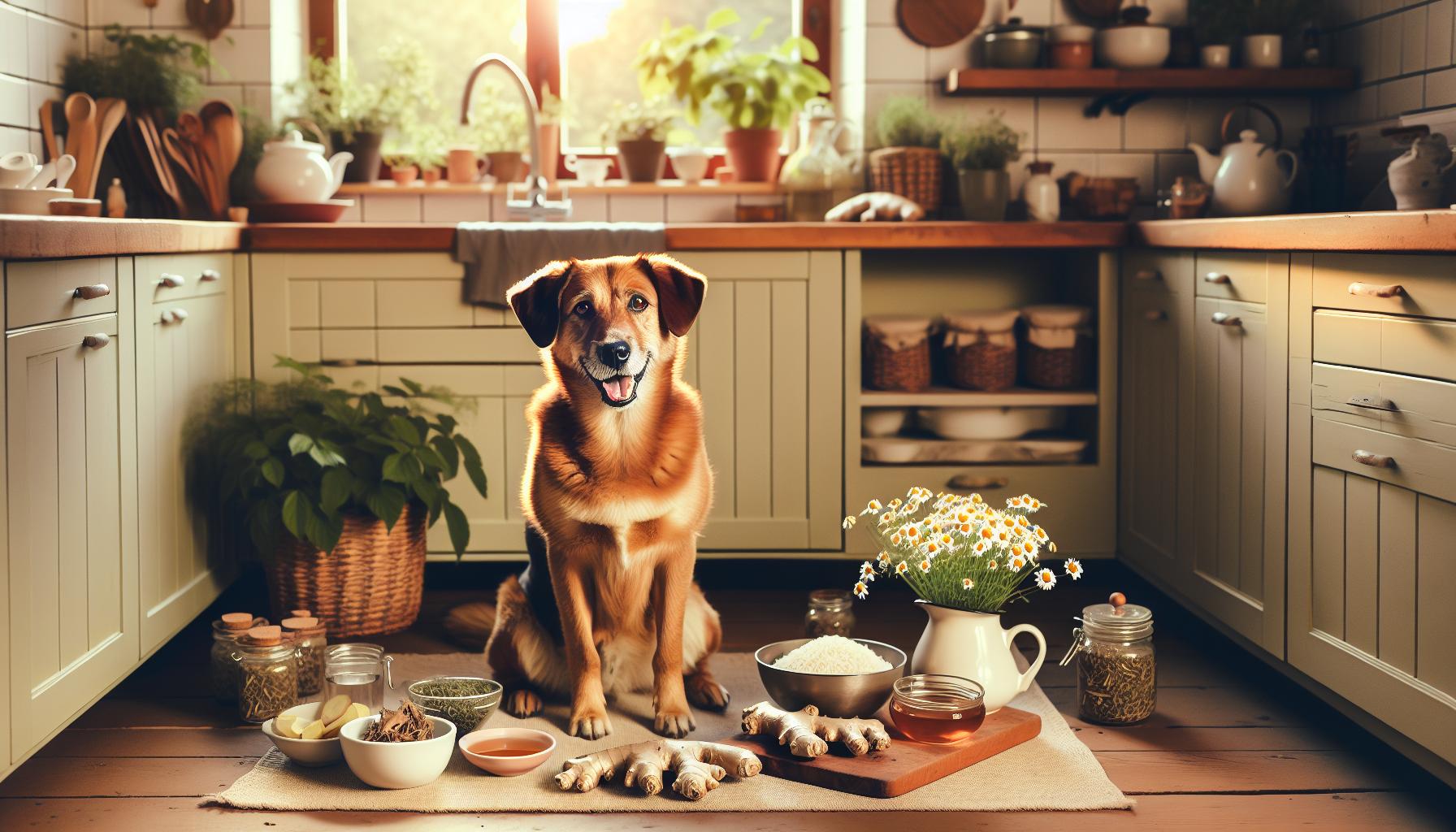
Common Causes of Upset Stomach in Dogs
Understanding the underlying causes of an upset stomach in dogs can be incredibly helpful for pet owners looking to provide quick relief. While dogs are generally resilient, their digestive systems can be sensitive to various factors. Recognizing these triggers can not only assist in immediate care but also help prevent future occurrences.
One of the most common culprits of gastrointestinal distress in dogs is dietary indiscretion. This can happen when a dog scavenges for food scraps, consumes spoiled items, or even indulges in human food that may not agree with their system. Foods high in fat or sugar, for instance, can cause significant upset. Another frequent cause is food allergies or sensitivities, which may lead dogs to react negatively to specific ingredients in their dog food. It’s essential to observe any patterns of discomfort following meals to ascertain if a particular ingredient might be affecting your furry friend.
Stress and anxiety also play a critical role in digestive health. Situations such as moving to a new home, the arrival of new pets, or loud noises like fireworks can upset a dog’s stomach. Moreover, sudden changes in routine, such as altering feeding times or types of food, may contribute to digestive disturbances. Ensuring a stable environment and maintaining a consistent diet can considerably mitigate these issues.
Lastly, parasites or infections are significant offenders, particularly in younger or unvaccinated dogs. Conditions like intestinal worms or bacterial infections can trigger symptoms of nausea, vomiting, and diarrhea. Regular veterinary check-ups and proper preventive treatments are vital in keeping these concerns at bay. By understanding the various reasons behind your dog’s upset stomach, you can better respond with appropriate home remedies and consult your vet when necessary, ensuring your companion feels better soon.
Safe Home Remedies for Immediate Relief
Experiencing an upset stomach can be distressing for both dogs and their owners. Fortunately, there are several safe and effective home remedies that can provide immediate relief for your furry friend. These natural solutions often involve common household ingredients that are gentle on your dog’s digestive system yet effective in alleviating discomfort.
A simple yet reliable remedy is fasting. Allowing your dog to fast for 12-24 hours can give their digestive system a much-needed break. During this time, ensure they have access to fresh water to stay hydrated. After the fasting period, you can introduce a bland diet to help settle their stomach. Boiled chicken and rice is an excellent choice, as it’s easy to digest. Start with a small amount and gradually increase it as your dog begins to feel better.
Another effective remedy is the incorporation of pumpkin into your dog’s diet. Canned plain pumpkin (not the spiced pie filling) is rich in fiber, which can aid digestion and firm up loose stools. Simply mix one to two tablespoons of pumpkin into your dog’s food. This not only helps soothe an upset stomach but can also regulate their digestion overall.
On the herbal front, ginger and chamomile tea are known for their soothing properties. You can prepare ginger tea by boiling a few slices of fresh ginger in water, letting it cool, and then giving your dog small amounts to drink, or you can mix some ginger powder into their food. Chamomile can be made into a tea as well, which can help reduce inflammation and relaxation in the digestive tract. Allow the tea to cool before offering it to your dog in small doses.
Lastly, consider probiotics to restore the natural balance of bacteria in your dog’s gut. These supplements can promote healthy digestion and help alleviate issues like diarrhea or gas. Look for probiotics specifically formulated for dogs and follow the serving instructions based on your dog’s weight.
Using these remedies, while keeping a close eye on your dog’s symptoms, can lead to a happier, healthier pet. If symptoms persist despite these home treatments, consulting your veterinarian is always the best course of action to ensure there are no underlying health concerns.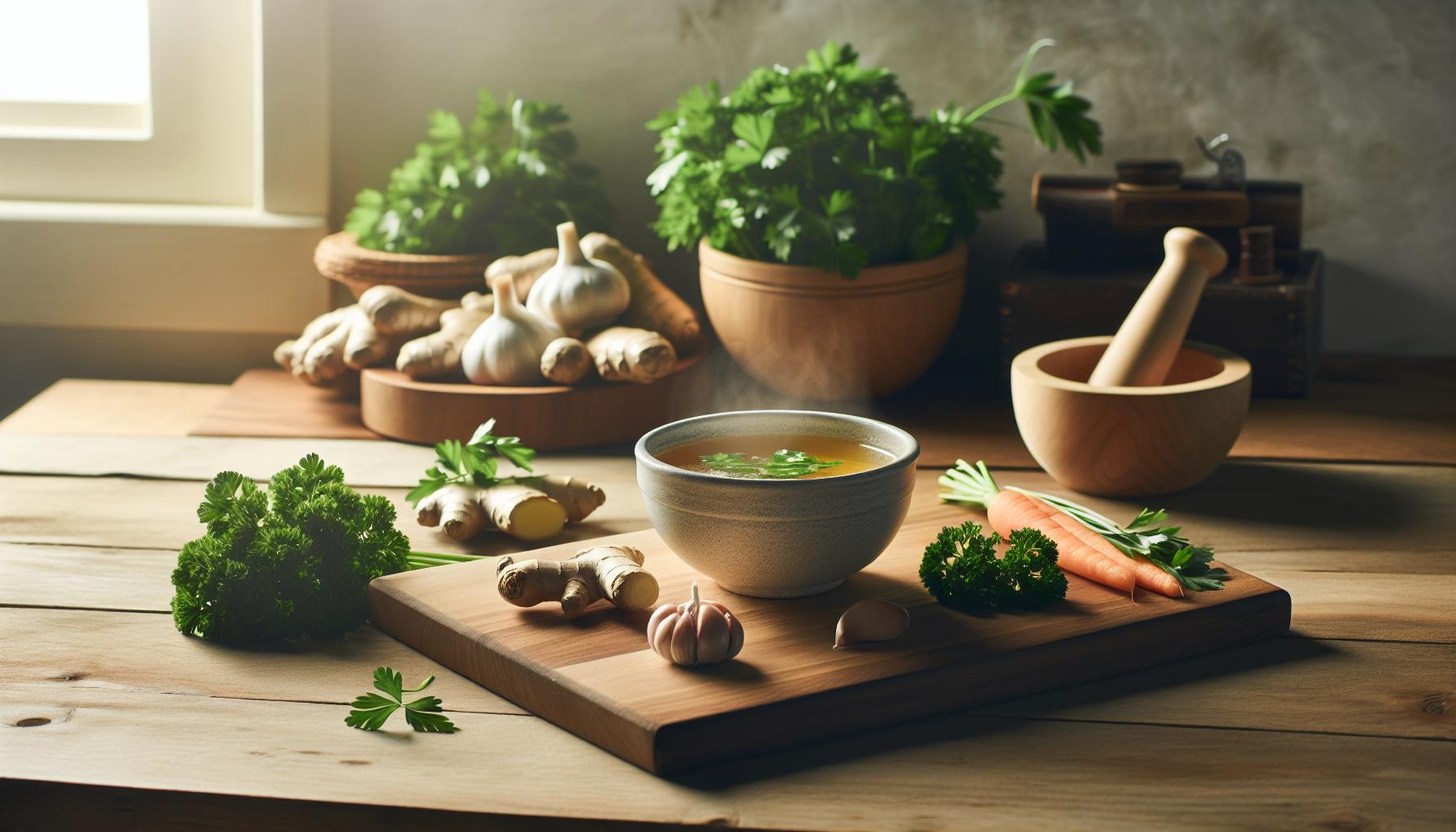
How to Use Bone Broth for Digestive Health
Bone broth is a nourishing powerhouse that can provide excellent support for your dog’s digestive health, especially when they’re experiencing an upset stomach. Not only is it easy to digest, but the gelatin and collagen present in bone broth can also help soothe inflammation in the gut, making it an ideal remedy for sensitive tummies.
To prepare bone broth for your dog, start with high-quality bones-preferably from grass-fed beef or free-range chicken. The process is simple:
- Ingredients Needed:
– 2-3 pounds of bones (include some joints and marrow bones for extra gelatin)
– 8-10 cups of water
– Optional: A splash of apple cider vinegar (this helps extract the minerals from the bones)
– Optional: Carrots, celery, or herbs for additional flavor and nutrients (avoid onions and garlic, as they can be toxic to dogs).
- Preparation Steps:
– Place the bones in a large pot or slow cooker and cover with water, adding the apple cider vinegar and any vegetables or herbs you desire.
– Bring to a boil, then reduce to a simmer and cook for 12-24 hours. The longer you simmer, the more nutrients will be extracted.
– After cooking, strain the broth through a fine mesh sieve to remove the bones, vegetable scraps, and any impurities. Let the broth cool, and then skim off any excess fat that rises to the top.
- Serving Suggestions:
– Once cooled, serve the bone broth as a soothing drink on its own, or pour it over your dog’s regular food for added hydration and flavor. Start with a small amount and observe how your dog tolerates it, gradually increasing the serving size if they enjoy it and it aids their digestion.
Bone broth not only aids in digestive recovery but also provides hydration and nourishment, making it a comforting choice during times of upset. Its versatility allows it to be served alone or as a flavorful addition to meals. Incorporating bone broth into your dog’s diet can help restore their digestive balance, ensuring they feel better in no time.
The Benefits of Pumpkin for Tummy Troubles
Pumpkin is more than just a fall favorite; it’s a fantastic natural remedy for dogs experiencing tummy troubles. Packed with fiber, vitamins, and antioxidants, pumpkin can help regulate your dog’s digestive system, making it an effective option for both diarrhea and constipation. Its high moisture content also aids in hydration, which is crucial when your furry friend is feeling unwell.
One of the easiest ways to introduce pumpkin into your dog’s diet is by using canned pumpkin (pure pumpkin, not the spiced pie filling). You can add a spoonful to their food, gradually increasing the amount based on your dog’s tolerance. For an average-sized dog, about one to four tablespoons of pumpkin can provide benefits without upsetting their stomach further. Always ensure your dog is monitored for any changes in their reaction to this new addition.
When selecting pumpkin for your pet, consider these benefits:
- High Fiber Content: Helps to regulate bowel movements and eases gastrointestinal disturbances.
- Rich in Nutrients: Contains vitamins A, C, and E, as well as essential fatty acids that support overall health.
- Low in Calories: A great alternative to high-calorie treats, making it a safe choice for overweight or sensitive dogs.
Incorporating pumpkin not only aids digestion but can also be a flavorful treat that your dog will love. To make it even more appealing, consider mixing it with some plain yogurt or a sprinkle of cinnamon (make sure your dog is not sensitive to these ingredients) for an extra tasty boost. Always remember that moderation is key; too much pumpkin can lead to more digestive issues. As your dog starts to feel better, adjusting their diet back to their regular food should be seamless as you use pumpkin to help ease them back to health.
Herbal Remedies: Ginger and Chamomile for Dogs
Ginger and chamomile are two powerful herbal remedies that can provide gentle relief for dogs experiencing stomach upset. Both herbs are known for their calming effects on the digestive system, making them excellent options for soothing sensitive tummies. Ginger not only helps to alleviate nausea but also promotes healthy digestion, while chamomile is renowned for its anti-inflammatory properties, helping to ease discomfort and promote relaxation in your furry friend.
To incorporate ginger into your dog’s diet, you can create a simple ginger tea. Start by chopping a small piece of fresh ginger root (about half an inch) and brewing it in boiling water for 10-15 minutes. After it cools, you can strain the liquid and offer it to your dog in small doses-about a teaspoon for smaller dogs and up to a tablespoon for larger breeds. Additionally, ground ginger can be sprinkled on their food. Just a pinch can often suffice, but it’s best to start small to see how your dog reacts.
Chamomile can be administered in a similar way. Prepare chamomile tea by steeping a chamomile tea bag in hot water, allowing it to cool, and then straining it before offering it to your dog. Chamomile tea can be given in small amounts (one to two teaspoons) as a calming agent and digestive aid. Alternatively, dried chamomile flowers can be added directly to your dog’s food as an additional flavor and remedy.
Both ginger and chamomile not only support digestive health but also serve as comforting options that can help ease anxiety associated with tummy issues. Incorporating these herbs into your dog’s routine can foster a more relaxed and healthier digestive system, allowing your pet to feel its best in no time. Always monitor your dog for any adverse reactions and consult your vet if symptoms persist.
DIY Rice and Chicken Diet: A Simple Solution
Providing a gentle, easily digestible diet can work wonders for dogs experiencing an upset stomach. A simple rice and chicken diet is often recommended by veterinarians and pet owners alike as a go-to solution for easing gastrointestinal distress. This homemade diet not only helps settle your dog’s stomach but also supplies essential nutrients in a low-fat, easily digestible format.
To prepare this soothing meal, you’ll need plain white rice and boiled, boneless, skinless chicken breast. Here’s how to make it:
Ingredients
- 1 cup of plain white rice
- 1 cup of boiled chicken breast, shredded or chopped
- 4 cups of water (for cooking the rice)
Instructions
- Start by boiling about 4 cups of water in a pot.
- Add the rice to the boiling water, reduce the heat to low, cover, and let it simmer until all the water is absorbed (about 15-20 minutes).
- While the rice is cooking, boil the chicken breast until thoroughly cooked (about 15 minutes).
- Once cooked, shred the chicken into small pieces (ensure there are no bones or skin) and set it aside.
- Once the rice is ready, mix it with the shredded chicken in a bowl.
- Let the mixture cool before serving it to your dog.
When serving, it’s best to provide small portions initially, especially if your dog has not eaten for a while. Start with about 1/4 to 1/2 cup of the mixture, depending on your dog’s size and appetite. This diet is typically recommended for a few days until your dog’s stomach settles, after which you can gradually reintroduce their regular food.
The rice absorbs excess stomach acid and helps firm up your dog’s stool, while the chicken provides a lean source of protein. Together, they create a balanced meal that’s easy on your dog’s digestive system. Remember to hydrate your pet well; proper hydration is crucial during recovery. If symptoms persist or if your dog shows signs of lethargy, vomiting, or diarrhea for an extended period, it’s important to consult with your veterinarian for further advice.
Probiotics: Boosting Your Dog’s Digestive Flora
To support your dog’s digestive health, incorporating probiotics can be an effective and natural way to restore balance in their gut flora. Probiotics, which are beneficial bacteria, play a vital role in breaking down food, absorbing nutrients, and promoting overall gut health. When your furry friend experiences an upset stomach, these friendly microbes can help alleviate issues like diarrhea, bloating, and discomfort by repopulating the gut with good bacteria.
One of the simplest ways to introduce probiotics into your dog’s diet is through specially formulated probiotic supplements available in various forms, such as powders or chewable treats. Certain dog-friendly foods also contain natural probiotics; for example, plain yogurt can be a beneficial addition in moderation, mostly for dogs that are not lactose intolerant. Always choose low-fat, plain varieties without added sugars or artificial ingredients to maximize health benefits.
When selecting probiotic supplements, look for products that contain multiple strains of beneficial bacteria. This diversity can enhance the positive effects on your dog’s digestive health. Popular options include Nutramax Proviable, Purina Fortiflora, and The Native Pet Probiotic. These products are designed to be palatable and can easily be mixed with your dog’s regular food or offered as a treat.
Incorporating probiotics into your dog’s routine can help establish a resilient digestive system, which is especially crucial during recovery from gastrointestinal disturbances. By maintaining a balanced gut flora, you’ll not only support quick recovery from an upset stomach but also contribute to your dog’s long-term health and well-being. If you notice persistent stomach issues despite adding probiotics, don’t hesitate to consult your veterinarian for further advice.
When to Consult Your Vet About Stomach Issues
If your dog experiences an upset stomach, it can be concerning, especially when they cannot express their discomfort. While many digestive issues can be managed at home with natural remedies, certain signs and symptoms indicate that veterinary care is essential. Knowing when to seek professional help can make a significant difference in your dog’s health and recovery.
Be observant of your dog’s symptoms. If your pet exhibits persistent vomiting or diarrhea lasting more than 24 hours, it’s important to consult your vet. Other red flags include blood in their stool, severe lethargy, and signs of pain, such as whining or a hunched posture. Additionally, if your dog refuses water or shows symptoms of dehydration (like dry gums or excessive panting), seeking medical advice is crucial. These could indicate more serious conditions that require immediate attention.
In some cases, underlying health issues might be contributing to the upset stomach. If your dog has preexisting medical conditions, such as pancreatitis or diabetes, even minor digestive disturbances can escalate quickly. Additionally, dogs who have recently been exposed to new foods, treats, or environmental changes should be monitored closely. If you suspect that your dog’s upset stomach is linked to something they ingested, contact your veterinarian for guidance on how to proceed.
Ultimately, trusting your instincts is key. If you feel that something isn’t right with your dog, even if it seems subtle, it’s always better to err on the side of caution. Early intervention can prevent complications and ensure your furry friend returns to their happy, active self as soon as possible.
Preventive Tips for Maintaining Your Dog’s Digestive Health
Maintaining your dog’s digestive health is crucial to their overall well-being and happiness. Just like humans, dogs can suffer from digestive issues that can lead to discomfort, but preventing these problems can often be achieved with some simple, proactive measures. By incorporating a few strategies into your dog’s routine, you can help ensure that their tummy stays happy and trouble-free.
Consistent Feeding Schedule
Establishing a consistent feeding routine can significantly aid in your dog’s digestive health. Dogs thrive on routine, so feeding them at the same times each day helps regulate their digestive system. Aim for two to three meals daily, depending on their age and energy level, and avoid giving table scraps or too many treats, which can upset their stomach. It’s also essential to control portion sizes based on their specific needs to prevent obesity, which can further complicate digestive issues.
Quality Nutrition
Providing high-quality, balanced dog food designed for your dog’s specific age, size, and health requirements is crucial. Look for foods that contain digestible ingredients and are free from fillers and artificial additives. Incorporating whole foods like pumpkin, sweet potatoes, and cooked eggs can also provide nutritional benefits and support digestion. Regularly check ingredient labels to ensure that your dog’s diet is nutritious; consider consulting your vet for recommendations tailored to their unique dietary needs.
Hydration
Proper hydration is vital for digestion and overall health. Ensure that your dog always has access to fresh, clean water. If your dog struggles with drinking enough, try offering ice cubes or adding a small amount of low-sodium broth to their water. Staying hydrated supports the digestive process and helps prevent constipation, making it easier for your dog to stay regular and comfortable.
Probiotics and Supplements
Introducing probiotics into your dog’s diet can promote healthy gut flora and support digestive health. Look for probiotic supplements designed specifically for dogs. Additionally, multivitamins or digestive aid supplements can be beneficial, especially for dogs with sensitive stomachs. Always consult your vet before adding new supplements to your dog’s diet to ensure they are appropriate for their health needs.
Regular Exercise
Regular physical activity is not only vital for your dog’s physical health but also plays a significant role in maintaining good digestive function. Daily walks, playtime, and mental stimulation can enhance digestion and circulation. Aim for at least 30 minutes of exercise each day to help keep your dog’s digestive system working optimally.
Implementing these preventive measures can make a significant difference in your dog’s digestive health. By creating a balanced lifestyle that includes a consistent feeding schedule, high-quality nutrition, proper hydration, probiotics, and regular exercise, you can help ensure that your furry companion enjoys a happy, healthy tummy.
The Role of Hydration in Digestive Recovery
Proper hydration plays a crucial role in aiding your dog’s recovery from an upset stomach. Just as in humans, water is essential for maintaining healthy digestion. It helps break down food, allowing nutrients to be absorbed efficiently while flushing out toxins from the body. When your dog experiences gastrointestinal distress, they may lose fluids through vomiting or diarrhea, increasing the risk of dehydration, which can compound their symptoms and lead to more serious health issues.
To promote hydration, ensure your dog always has access to fresh, clean water. If your canine companion seems reluctant to drink, consider these simple strategies to encourage fluid intake:
- Flavor Their Water: Add a small amount of low-sodium chicken or beef broth to their water. The enticing aroma can stimulate their appetite and encourage them to drink.
- Ice Cubes: Offer ice cubes made from broth or freeze small pieces of fruit like watermelon. Many dogs find chewing on ice enjoyable, and it can increase their fluid intake.
- Hydration-Boosting Treats: Introduce watery fruits and vegetables, such as cucumbers or watermelon, into their diet. These not only hydrate but also provide essential nutrients.
Keeping your dog hydrated not only helps alleviate an upset stomach but also supports their overall digestive health. If hydration issues persist or your dog shows signs of extreme lethargy, weakness, or persistent vomiting, it’s essential to consult your veterinarian immediately. Keeping a close watch on water intake can make a significant difference in their recovery process and safeguard them against further complications.
Understanding Food Sensitivities in Dogs
Recognizing and addressing food sensitivities in dogs is crucial to keeping their digestive health in check. Many pet owners may notice that certain foods can cause their furry friends to experience gas, diarrhea, or vomiting, often leading to urgent trips to the vet or attempts to self-treat at home. By understanding food sensitivities, you can create a tailored approach to feeding your dog that minimizes gastrointestinal distress and promotes a healthier tummy.
Food sensitivities often result from an allergic reaction or intolerance to specific ingredients in dog food. Common culprits include grains, dairy, soy, and certain meats. Once you identify potential triggers, it’s essential to eliminate them from your dog’s diet. Observing your dog closely for signs such as excessive itching, ear infections, or stomach upset can provide valuable cues. Keeping a food diary can also help track any correlations between what your dog eats and their digestive health, allowing you to pinpoint specific sensitivities more effectively.
If you suspect your dog has food sensitivities, consider introducing a limited-ingredient diet. This approach involves selecting food products that contain fewer ingredients, ideally consisting of a single protein source and a few carefully chosen carbohydrates. Many pet parents have had success with options like kangaroo, lamb, or sweet potato that are less likely to provoke a reaction. Remember to transition gradually to avoid further stomach upset, mixing the new food into your dog’s current diet over a week or so.
Moreover, incorporating gentle, sensitive stomach recipes can offer immediate relief during episodes of gastrointestinal upset. For instance, cooking bland foods like plain boiled chicken and rice can help settle the stomach. Pumpkin is another excellent option, as it is rich in fiber and can help firm up loose stools while providing necessary nutrients. Always consult your veterinarian before making significant changes to your dog’s diet, especially if they have ongoing stomach issues, to ensure you’re meeting their nutritional needs effectively.
Q&A
Q: What are natural ways to soothe a dog’s upset stomach at home?
A: Natural ways to soothe a dog’s upset stomach include offering plain boiled chicken and rice, incorporating pumpkin into their diet, and providing ginger or chamomile as herbal remedies. Always ensure they stay hydrated with fresh water. For more remedies, see our section on safe home options.
Q: How can I tell if my dog has a serious stomach issue?
A: Signs that your dog may have a serious stomach issue include persistent vomiting, lack of appetite, lethargy, or blood in their stool. If symptoms last more than 24 hours or worsen, consult your veterinarian immediately to rule out serious conditions.
Q: Is it safe to give my dog over-the-counter medications for stomach issues?
A: It’s generally not safe to give over-the-counter medications to dogs without veterinary guidance, as many can be harmful. For upset stomach relief, stick to home remedies like bone broth, pumpkin, and specific herbs mentioned in our article.
Q: What foods should I avoid giving to dogs with sensitive stomachs?
A: Avoid giving your dog fatty foods, dairy products, and any human foods that are spicy or rich. Certain grains may also trigger sensitivities. Stick to easily digestible foods until their stomach settles. Check our guide for more dietary advice.
Q: How do I introduce new foods to my dog’s sensitive stomach?
A: Introduce new foods gradually, mixing small amounts with their regular diet over several days. This helps minimize digestive disturbances. Monitor your dog for any adverse reactions, and refer to our preventive tips section for more guidance.
Q: Can stress cause an upset stomach in dogs?
A: Yes, stress can lead to an upset stomach in dogs. Changes in environment, routine, or experiencing fear can trigger digestive issues. Providing a calm environment and comforting routines can help reduce their stress levels.
Q: How does hydration affect my dog’s digestive health?
A: Hydration is crucial for digestive health as it helps prevent constipation and supports overall bodily functions. Ensure your dog has access to fresh water at all times, especially when they are recovering from stomach issues.
Q: When should I stop using home remedies and see a vet?
A: If your dog’s symptoms do not improve within 24-48 hours, are severe, or if they show additional concerning signs like dehydration or changes in behavior, consult your veterinarian. Some conditions require professional intervention beyond home remedies.
Closing Remarks
If your furry friend is experiencing an upset stomach, remember that natural remedies can offer quick relief and peace of mind. By implementing these simple home solutions, you’re taking proactive steps to support your dog’s health and comfort. Act now-don’t let your pet suffer longer than necessary!
For more valuable insights, check out our articles on “Natural Remedies for Dog Health” and “Understanding Your Dog’s Digestive Issues.” We encourage you to share your experiences in the comments below-your input can help others in the community!
Continue exploring our resources for training tips, nutrition advice, and pet care techniques that promote overall well-being. Every step you take strengthens your bond with your pet while keeping them happy and healthy!


