


Did you know that ear infections in dogs can often be caused by yeast overgrowth, leading to discomfort and itchy ears? As a caring pet owner, it’s important to recognize the signs and seek relief for your furry friend. Natural remedies offer an effective and gentle way to alleviate irritation without harsh chemicals.
In this guide, you’ll discover practical home remedies to help soothe your dog’s itchy ears caused by yeast infections. Not only will this empower you to take charge of your pet’s well-being, but it will also provide a deeper understanding of how to maintain their health naturally. From simple ingredients you likely have at home to step-by-step instructions, you’ll find everything you need to help your dog feel comfortable again. Let’s dive into the world of natural relief and help your dog return to their happy, playful self!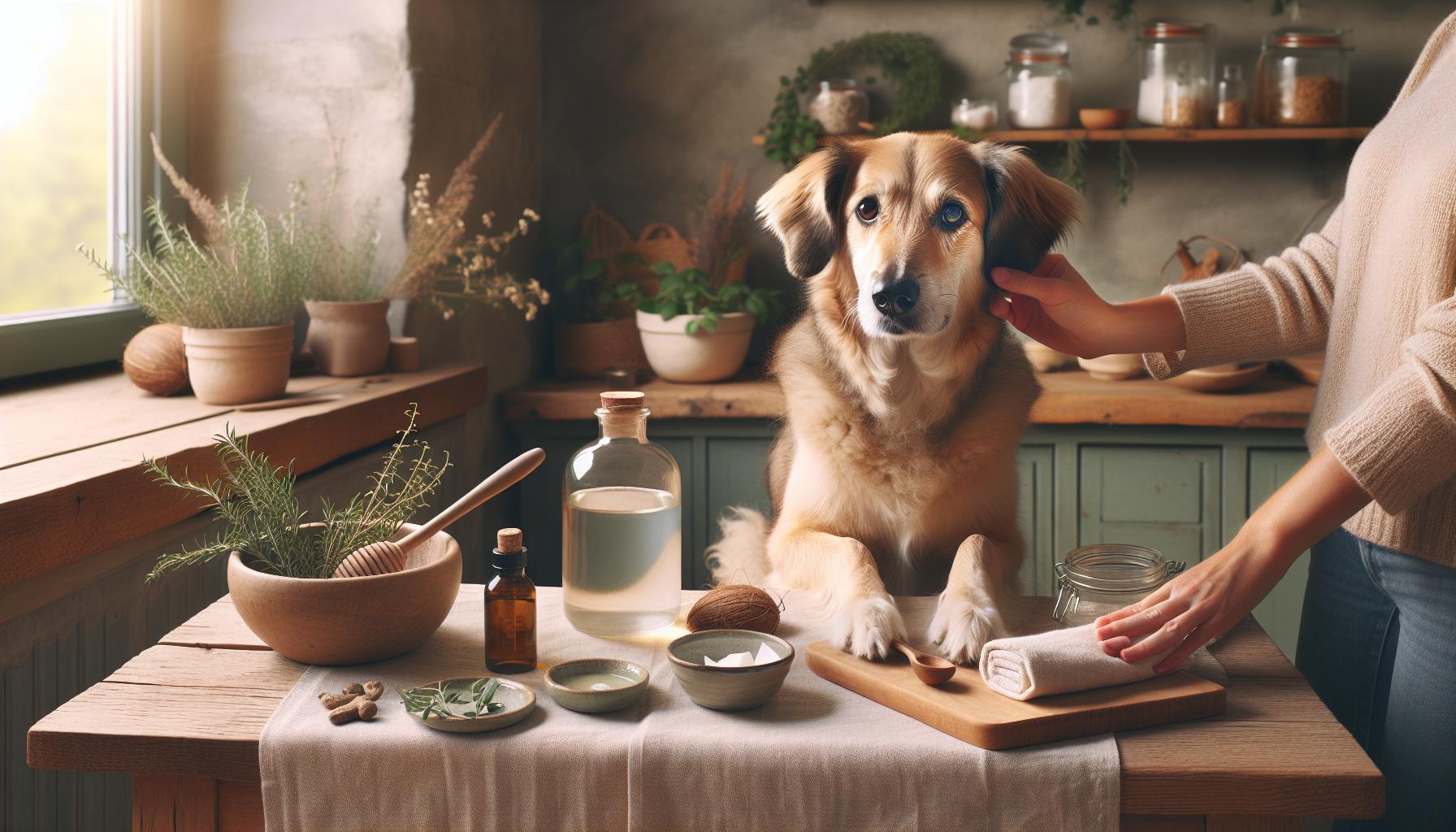
Understanding Yeast Infections in Dogs’ Ears
Yeast infections in dogs’ ears are a common yet often overlooked issue that can cause significant discomfort and distress for our furry friends. These infections are usually caused by an overgrowth of the yeast fungus, Malassezia pachydermatis, which naturally resides on the skin. Factors such as moisture, allergies, and underlying health conditions can trigger this overgrowth, leading to inflammation and irritation. Understanding the nature of yeast infections is essential for pet owners to recognize symptoms early and apply effective remedies.
Symptoms of a yeast infection can manifest in various ways, including excessive scratching at the ears, redness, odor, and a dark, waxy discharge. In severe cases, dogs may exhibit behavioral changes due to discomfort, such as increased irritability or lethargy. Recognizing these signs early is crucial for taking appropriate action. Maintaining an awareness of your dog’s ear health and hygiene is paramount to preventing these infections, especially in breeds with floppy ears or those prone to excess moisture in their ears.
When addressing a yeast infection, natural remedies can offer relief alongside veterinary guidance. Ingredients like apple cider vinegar, coconut oil, and diluted hydrogen peroxide can be beneficial in restoring balance to the ear environment. These ingredients not only help combat yeast but also soothe inflammation and promote healing. Creating a gentle cleaning solution with these natural components can empower dog owners to take control of their pet’s ear health confidently. Regular cleaning routines, combined with attentive observation of any changes in your dog’s ears, can help maintain a healthy ear environment and prevent recurring infections.
In conclusion, is the first step toward effective management. By recognizing symptoms early and employing natural remedies, you can ensure your pet remains comfortable and free from the discomfort associated with these infections. Regular ear care and attention to environmental factors can go a long way in preventing future episodes, leading to happier and healthier furry companions.
Common Symptoms of Yeast Infections in Dogs
Dogs can be remarkably resilient, but they can also exhibit discomfort that indicates a hidden issue like a yeast infection in their ears. It’s particularly vital for pet owners to recognize the signs early to ensure their beloved companions receive the care they need. Yeast infections can lead to significant discomfort, and many symptoms can develop progressively, making early detection crucial.
One of the most noticeable signs of a yeast infection is excessive scratching or rubbing at the ears. Your dog may be relentless in their efforts to relieve the itching, which can lead to redness and irritation around the ear area. If you notice your dog persistently shaking their head or tilting it to one side, this could also signal that they are trying to alleviate discomfort.
Another key symptom to watch for is a strong, unpleasant odor emanating from the ears. This odor is often described as musty or smelly and is typically accompanied by the presence of a dark, waxy discharge. This buildup can be alarming and is a telltale sign of a yeast overgrowth.
Behavioral changes can also be evident. Dogs suffering from ear infections might display signs of irritability or lethargy. They may become more withdrawn or resistant to play and interaction due to discomfort. It’s essential to monitor these behaviors closely; they may indicate that the infection is affecting your dog’s mood and overall wellbeing.
By familiarizing yourself with these symptoms, you can take timely action to address your dog’s ear health. Regular inspections and proactive monitoring can not only help alleviate issues as they arise but can also create a pathway to implementing effective natural remedies before the infection escalates.
Natural Ingredients for Ear Yeast Infection Remedies
Natural remedies can be incredibly effective for treating yeast infections in dogs’ ears, using ingredients that are both safe and readily available at home. Many pet owners are increasingly turning to nature for solutions, and understanding which natural elements can help can empower you to support your furry friend’s recovery while providing gentle relief from discomfort.
One prominent ingredient in natural remedies is apple cider vinegar, known for its antifungal properties. When diluted with an equal part of water, this mixture can be applied to the ear canal (carefully and avoiding deep insertion) to help rebalance the pH levels in the ear, thus creating an environment less hospitable to yeast growth. Additionally, coconut oil is another excellent option; it has inherent antifungal qualities and can be gently massaged into the affected ear to soothe irritation and provide moisture.
Aloe Vera is also remarkable for its soothing properties. Its gel can help calm inflamed skin and reduce itching. Simply apply a small amount to the outer ear area, being cautious not to put it directly inside the canal unless specified by a vet. Another potent antifungal is garlic oil, which can be diluted in a carrier oil and applied sparingly. However, always ensure that the concentration is appropriate, as garlic can be potent and potentially harmful in large amounts.
To maximize these remedies, it’s ideal to clean your dog’s ears regularly. You can create a simple cleaning solution with equal parts warm water and witch hazel. This not only helps remove debris but can also serve to keep the ears dry, deterring the growth of yeast.
Key Natural Ingredients
- Apple Cider Vinegar: Antifungal and pH balancing.
- Coconut Oil: Soothes irritation and moisturizes.
- Aloe Vera: Calms inflammation and reduces itching.
- Garlic Oil: Strong antifungal properties (use in moderation).
- Witch Hazel: Cleans and dries the ear canal.
These natural approaches offer potential relief and can be a part of a holistic maintenance plan for your pet’s ear health. Remember, however, that consistent observation and care are crucial in preventing yeast infections from recurring.
Step-by-Step Guide to Home Remedies
When your furry friend starts showing signs of discomfort in their ears, it may indicate a yeast infection. Thankfully, addressing this issue at home with natural remedies can be both effective and safe. Here’s a straightforward step-by-step guide to help you treat yeast infections in your dog’s ears using readily available ingredients.
Start by creating a gentle ear cleaning solution. Mix equal parts of apple cider vinegar and water in a clean container. Before applying the solution, ensure your dog is calm and comfortable. Using a dropper, carefully place a few drops of the mixture into the ear canal. Gently massage the base of the ear to ensure the solution reaches deeper into the canal. After a minute, let your dog shake their head to release any debris, and then wipe the outer ear with a soft cloth.
Next, you can apply coconut oil, renowned for its antifungal properties, to soothe any irritation. Warm a small amount of coconut oil so it becomes liquid. Carefully massage a few drops into the outer ear area, focusing on any inflamed spots. This will help moisturize and provide relief from itching. Ensure the oil isn’t too hot to avoid discomfort during application.
If your dog’s ears remain inflamed, consider using aloe vera gel. This natural wonder is excellent for calming irritated skin. Take a small amount of gel and apply it gently to the affected outer ear, always ensuring it doesn’t enter the canal. It’s recommended to use garlic oil carefully as well. Mix a few drops of diluted garlic oil (with a carrier oil) and apply it sparingly to enhance the antifungal effect, but remember to be cautious with the amount due to garlic’s potency.
Finally, ensure you are regularly cleaning your dog’s ears with a solution of warm water and witch hazel. This will help keep the ear environment clean and dry, making it less inviting for yeast to thrive. By incorporating these natural remedies into your dog care routine, you can effectively manage and alleviate discomfort from yeast infections. Always monitor your dog’s condition, and if symptoms worsen, seek veterinary assistance.
Effective Home Treatments for Itchy Ears
When your furry friend is experiencing itchy ears, it can be heartbreaking to watch them struggle with discomfort. Yeast infections in dogs’ ears often lead to intense itching, inflammation, and an overall sense of unease. Fortunately, a variety of effective home treatments can provide immediate relief and help your dog feel comfortable again.
One of the simplest yet highly effective solutions is to create a soothing ear rinse. Combine equal parts of apple cider vinegar and distilled water in a sterilized container. The acidity of apple cider vinegar helps rebalance the pH in your dog’s ears, making the environment less conducive to yeast growth. Using a dropper, administer a few drops into each ear, then gently massage at the base to ensure it penetrates deeply. Allow your dog to shake their head and clear out any debris, then wipe the outer ear with a soft cloth.
Another great natural remedy involves coconut oil, renowned for its antifungal properties. To use it, gently warm a small amount until it becomes liquid, then massage a few drops into the outer ear. Coconut oil not only soothes irritated skin but also creates a barrier that helps protect against potential infections. Additionally, aloe vera gel can be beneficial. Apply a small amount to the outer ear to calm inflammation and help with healing, ensuring that it doesn’t get into the ear canal.
For a more proactive approach, consider witch hazel as a cleaning solution. Mix it with warm water and use it to regularly wipe out the ear canal and surrounding areas. This will help keep the ears clean and dry, reducing the risk of yeast proliferation. Incorporating these remedies into your dog’s care routine can significantly alleviate itching and promote healthier ears.
Remember, monitoring your dog’s symptoms is key. If itching persists or worsens, a consultation with your veterinarian may be necessary to rule out more serious issues. With these home treatments, you can empower yourself to provide immediate relief to your beloved pet.
Preventing Yeast Infections in Dogs’ Ears
Keeping your dog’s ears healthy can significantly reduce the risk of yeast infections. Regular maintenance and an understanding of your pet’s health needs are key components in prevention. Dogs with floppy ears or those that swim frequently are particularly susceptible to ear infections, so a few proactive steps can go a long way in safeguarding their delicate ear environment.
To start, it’s essential to maintain a clean ear canal. Regularly cleaning your dog’s ears with a natural solution can help prevent the buildup of moisture and debris, creating an unsuitable environment for yeast. A mixture of equal parts apple cider vinegar and distilled water makes an excellent cleaning solution due to its antifungal properties. Use a dropper to administer a few drops in each ear, massaging gently before allowing your dog to shake their head.
Another preventive measure is to ensure your dog’s ears are completely dry after baths or swimming. Moisture is a breeding ground for yeast, so consider using a soft towel or gauze to gently blot the ears dry. For added protection, coconut oil can be applied to the outer ear; its antifungal properties not only soothe the skin but can also help repel moisture.
Diet also plays a crucial role in your dog’s overall health, including ear health. Incorporating foods rich in omega-3 fatty acids, such as fish oil or flaxseed oil, can enhance your dog’s immune system and promote healthy skin and fur. These nutrients help keep your dog’s ears free from irritation and infections.
Regular vet check-ups are important as they can detect early signs of ear issues before they develop into severe infections. If you notice any changes in your dog’s behavior or ear condition, such as excessive scratching, discharge, or bad odor, don’t hesitate to consult your veterinarian. By being proactive about your dog’s ear care, you can help prevent painful infections and ensure they lead a happy, comfortable life.
When to Seek Veterinary Help for Ear Issues
It’s not uncommon for dog owners to overlook signs of ear discomfort until the issue escalates. Recognizing when to seek veterinary help is vital for your dog’s well-being. If you notice persistent symptoms such as excessive scratching at the ears, head shaking, or rubbing ears against furniture, it’s crucial not to ignore these behaviors. A dog in distress may also exhibit changes in mood, becoming irritable or withdrawn, which can signal underlying issues.
In addition to behavioral changes, physical signs can reveal a need for veterinary attention. Look out for symptoms such as:
- Foul odor: An unpleasant smell coming from the ear may indicate an infection.
- Discharge: Any fluid or pus-like discharge suggests that your dog requires a professional examination.
- Redness or swelling: Inflammation of the ear canal is a clear indicator that something is amiss.
- Increased sensitivity: If your dog seems particularly sensitive when touching the ears, it may indicate pain.
If home remedies have been tried without improvement within a few days, or if symptoms worsen, don’t hesitate to contact your veterinarian. They can provide a thorough examination and may perform tests to diagnose the problem accurately.
Being proactive in monitoring your dog’s ear health ensures issues are addressed before they become serious. Regular check-ups can catch problems early, and your veterinarian can also offer targeted treatment options tailored to your dog’s specific needs. Trust your instincts-if you’re worried about your fur-baby, it’s always better to err on the side of caution.
Nutritional Support for Ear Health in Dogs
Nutritional choices have a significant impact on your dog’s overall health, including ear health. A well-balanced diet rich in essential nutrients can help fortify your dog’s immune system, making it more resilient against infections, including yeast infections in the ears. For example, incorporating foods high in Omega-3 fatty acids, such as salmon oil, can reduce inflammation and promote healthy skin and ears. Furthermore, probiotics-found in yogurt or as supplements-can support a balanced gut environment that indirectly benefits ear health. When your dog’s digestive system is healthy, it can help control the growth of yeast in the body.
To enhance your dog’s diet for ear health, consider adding the following ingredients:
- Fish Oil: Rich in Omega-3 fatty acids, helps reduce inflammation.
- Yogurt: Natural source of probiotics that supports gut health.
- Vegetables: Carrots and sweet potatoes are nutritious dogs love.
- Chicken or Lean Meats: High-quality proteins for muscle health and repair.
- Brown Rice: A good source of fiber that aids digestion.
It’s essential to monitor portion sizes and ensure that any dietary changes are gradual to avoid upsetting your dog’s stomach. Consulting with a veterinarian can help tailor a nutritional plan that meets your dog’s specific needs and conditions, especially if they’ve had recurrent ear issues. By providing a wholesome diet, you’re setting the stage for better ear health while enhancing your dog’s well-being.
Holistic Approaches to Dog Ear Care
To effectively support your dog’s ear health using holistic approaches, it’s essential to recognize that prevention and maintenance play significant roles in avoiding yeast infections. Understanding the environment in which yeast thrives can guide your efforts to create a less hospitable atmosphere for these pesky invaders. Keeping your dog’s ears dry and clean is crucial. Routine cleaning can eliminate the buildup of wax and debris, which can foster yeast growth if left unchecked.
Incorporating natural remedies into your dog’s ear care regimen may provide relief and promote a healthier ear environment. Essential oils like tea tree oil and lavender oil are renowned for their antifungal properties. However, these should always be diluted with a carrier oil, such as coconut oil, to prevent irritation. A common recipe includes mixing a few drops of the essential oil with a tablespoon of coconut oil, then applying a small amount to a cotton ball and gently wiping the outer ear. This not only helps to reduce yeast but can also impart a soothing effect.
Moreover, consider regular ear massages to enhance blood circulation, which can aid in prevention and healing. Massaging helps distribute natural oils and can also make it easier to check for any early signs of irritation or infection. Pair this with a diet rich in omega-3 fatty acids and probiotics, which can support skin and immune health, further fortifying your dog’s defenses against yeast infections. Foods such as fish oil, yogurt, and fresh vegetables can be excellent additions to their meals, encouraging overall wellness and robust ear health.
Lastly, staying vigilant about your dog’s ear hygiene and recognizing early signs of discomfort can make all the difference. Regular checks for redness, excessive scratching, or unusual odors can help catch any issues before they escalate. By implementing these holistic approaches, you’ll not only ease any discomfort your dog may be experiencing but also foster a healthier environment for their ears.
Monitoring and Aftercare for Ear Treatments
Monitoring your dog’s ears after treatment for yeast infections is crucial for ensuring lasting relief and preventing recurrence. Observing changes in your dog’s ears can provide early indications of their health status. For instance, a noticeable reduction in scratching, improved smell, and less redness can signal that the treatment is effective. Conversely, if your dog continues to show signs of discomfort, such as persistent scratching or shaking of the head, it might indicate that the infection persists or that a new issue has arisen.
Regularly inspect your dog’s ears during the aftercare phase. Look for any signs of inflammation, excessive wax buildup, or unusual discharge. Use a soft, damp cloth or a cotton ball to gently clean the outer ear canal. This simple step helps remove debris and keeps the area dry, reducing the chances of yeast regrowth. You can use a mixture of water and a few drops of apple cider vinegar to cleanse if recommended by your veterinarian, as the mild acidity helps restore pH balance.
It’s also essential to maintain a consistent routine for applying any natural remedies you’ve chosen. If you’re using a diluted essential oil mixture, make sure to apply it as directed, and monitor your dog’s reaction closely during each application. Keeping a log of these treatments along with any changes in symptoms can help you identify what works best for your furry friend.
In addition to monitoring treatment effects, focus on long-term preventive measures. Regular cleaning and checks, maintaining a dry environment for your dog’s ears, and ensuring they have a balanced diet rich in probiotics and omega-3 fatty acids will support overall ear health. With this proactive approach, you can help your dog enjoy healthier ears and a happier life.
Tips for Maintaining Clean and Healthy Ears
Maintaining your dog’s ear health is essential, not only to prevent yeast infections but also to ensure their overall well-being. A proactive approach can go a long way in keeping your pet comfortable and happy. Regular ear cleaning is the foundation of good ear hygiene. Start by gently inspecting your dog’s ears at least once a week. Look for signs of redness, wax buildup, or any unusual odor, which may indicate potential problems.
To clean your dog’s ears, use a veterinarian-recommended ear cleaner or a simple solution of equal parts water and apple cider vinegar. Apply a few drops into the ear canal and gently massage the base of the ear to help loosen debris. Then, use a soft, damp cotton ball to wipe away any dirt or excess wax. Always remember to clean only the visible parts of the ear and avoid inserting anything deep into the canal to prevent injury.
Creating a Healthy Environment
Keeping your dog’s ears dry is equally important in preventing yeast infections. Moisture can exacerbate existing issues and create a breeding ground for yeast. After baths or swims, thoroughly dry your dog’s ears using a soft towel, paying special attention to the outer ear and folds. Additionally, maintaining a clean living environment helps reduce allergens like dust and pollen, which can contribute to ear issues. Regularly vacuuming your home and washing your dog’s bedding will help keep their environment healthy.
Diet and Nutrition
A balanced diet plays a key role in maintaining ear health. Ensure your dog receives high-quality food enriched with omega-3 fatty acids and probiotics, as these components support a healthy immune system and can help prevent infections. Consider discussing with your veterinarian about adding supplements or dietary changes that cater to your dog’s specific health needs.
By following these simple yet effective tips, you can empower yourself to help your furry friend enjoy clear, healthy ears. Regular care and attention to your dog’s ear health will minimize the risk of yeast infections and provide them with a comfortable and happy life.
Q&A
Q: What are common causes of yeast infections in dogs’ ears?
A: Yeast infections in dogs’ ears are often caused by excessive moisture, allergies, or underlying health issues like diabetes or hormonal imbalances. Regular cleaning and monitoring can help identify and mitigate contributing factors.
Q: How can coconut oil help with yeast infections in dogs’ ears?
A: Coconut oil has antifungal properties that can inhibit yeast growth. Apply a few drops of organic coconut oil into your dog’s ears to soothe irritation and help fight the infection naturally.
Q: What natural ingredients can I use with apple cider vinegar for dog ear yeast infections?
A: Mix equal parts apple cider vinegar and distilled water. This solution can help restore the natural pH of your dog’s ears and reduce yeast overgrowth. Use a dropper to apply it regularly.
Q: How often should I clean my dog’s ears if they have a yeast infection?
A: Clean your dog’s ears at least once a week using a gentle ear cleaner. More frequent cleaning may be necessary during an active infection. Always consult your vet for specific recommendations.
Q: What are the signs that my dog’s ear infection is worsening?
A: Look for increased redness, swelling, a foul odor, excessive scratching, or discharge. If these symptoms escalate, it’s crucial to seek veterinary help promptly to prevent further complications.
Q: Can dietary changes help prevent yeast infections in dogs?
A: Yes, a balanced diet with limited carbohydrates and high-quality protein can enhance your dog’s immune system and skin health, reducing the likelihood of yeast infections. Consider consulting your vet for tailored dietary advice.
Q: Are there specific breeds that are more prone to ear yeast infections?
A: Yes, certain breeds with floppy ears, like Cocker Spaniels and Basset Hounds, are more susceptible due to reduced air circulation. Regular ear care is essential for these breeds to prevent infections.
Q: When should I switch from home remedies to veterinary treatment for my dog’s ear infection?
A: If symptoms persist after 1-2 weeks of using home remedies, or if your dog shows signs of severe discomfort, swelling, or discharge, it’s time to consult a veterinarian for professional treatment options.
Final Thoughts
Taking care of your dog’s ear health is essential, and using natural remedies for yeast infections can provide immediate relief while promoting overall wellness. Remember, consistency is key; keep an eye on your pup’s ears and maintain a clean, dry environment. If symptoms persist or worsen, consulting your veterinarian is crucial for effective treatment.
For more tips on pet care, explore our guides on “Natural Remedies for Dog Allergies” and “Homemade Dog Shampoo Recipes.” Don’t forget to sign up for our newsletter to receive the latest updates and exclusive content directly in your inbox. Share your experiences and let us know what worked for you-your insights might help other pet owners navigate similar challenges. Trust in nature, and take the first step towards soothing your furry friend’s discomfort today!


