


Did you know that pink eye, or conjunctivitis, can affect dogs just like it does in humans? This common eye condition can cause discomfort and lead to more serious issues if left untreated. As a devoted pet owner, you naturally want to ensure your furry friend remains happy and healthy, so finding effective natural remedies can be incredibly helpful.
In this guide, we’ll delve into safe and simple home remedies that can help alleviate your dog’s pink eye symptoms, reduce inflammation, and promote healing. Whether you’re looking for alternative solutions to pharmaceuticals or simply want to support your pet’s recovery in a gentle way, these natural treatments are both accessible and practical. Get ready to discover how you can effectively clear up infections and care for your dog’s eyes, ensuring they feel their best.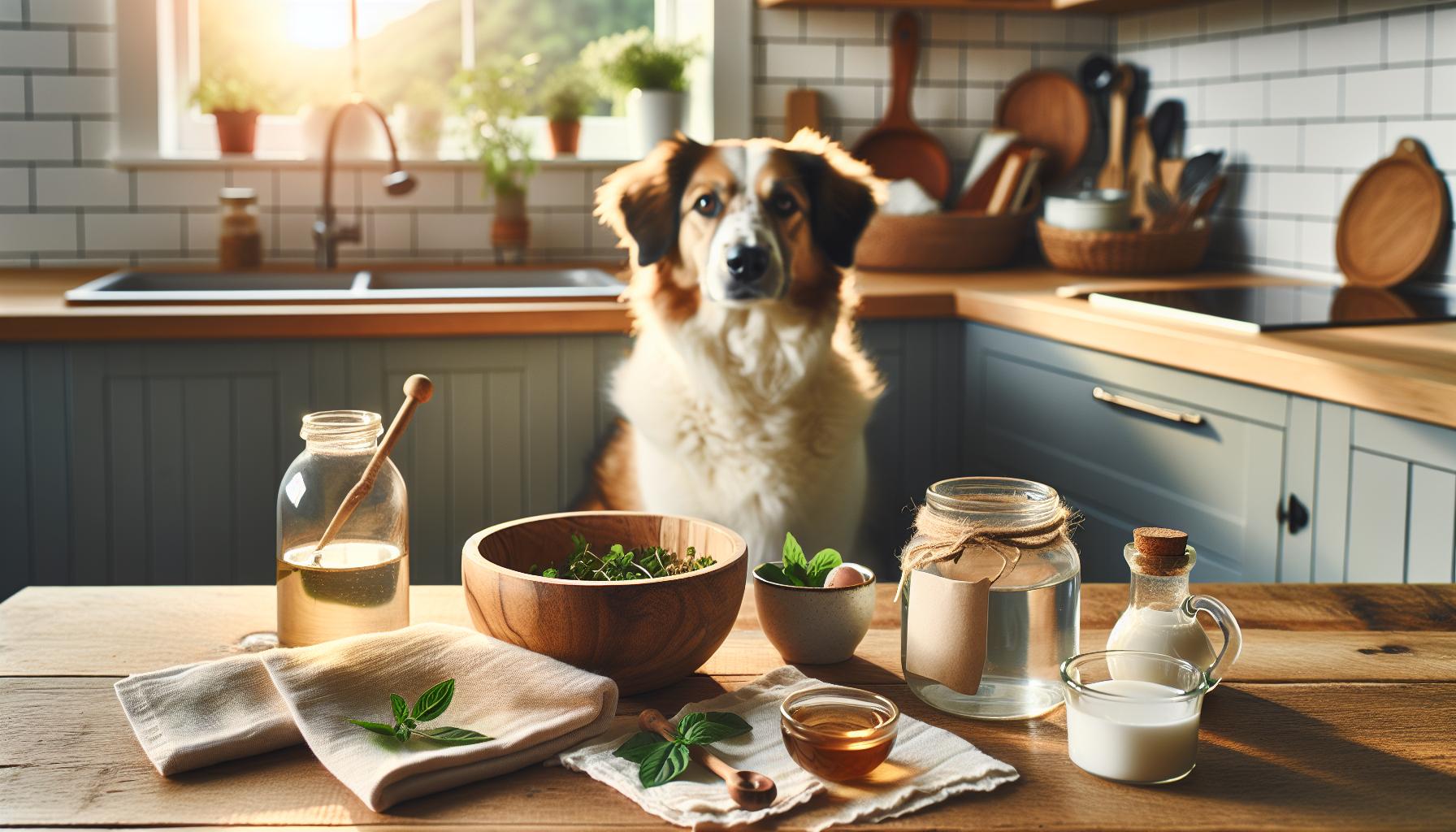
Home Remedies for Pink Eye in Dogs
Recognizing the signs of pink eye, or conjunctivitis, in dogs can be the first step towards effective treatment. Symptoms often include redness in the eyes, increased discharge, excessive tearing, and squinting. These signs can be alarming, but many natural remedies can help soothe your furry friend and promote healing from the comfort of home.
When addressing pink eye in dogs, several natural ingredients can be used to create gentle yet effective treatments. One such ingredient is chamomile tea, known for its anti-inflammatory properties. A cooled chamomile tea bag can be gently placed over the affected eye to help alleviate discomfort. Additionally, coconut oil is praised for its natural moisturizing and antibacterial qualities. A small amount of melted coconut oil can be applied around the eye area to provide relief.
To prepare a safe home remedy, consider creating a simple eye wash. Combine distilled water with a few drops of organic apple cider vinegar (in equal parts) for a soothing rinse. Using a clean cotton ball, dip it into the solution and gently wipe away any discharge, moving from the inner corner of the eye outward. This method helps keep the area clean and reduces the risk of further irritation while providing antifungal properties. Always ensure that any rinse is administered with care to avoid stressing your pet.
Preventing future occurrences of pink eye is essential. Regularly wash your dog’s bedding and avoid exposure to irritants like dust or smoke. Keeping their environment clean and reducing allergens can make a significant difference in their eye health. If symptoms persist or worsen, it’s important to consult a veterinarian to rule out more severe conditions and to receive appropriate treatment. Your vigilance and proactive care can help your dog maintain clear and healthy eyes.
Understanding Pink Eye: Causes and Symptoms
Recognizing and addressing pink eye, or conjunctivitis, in dogs is crucial for ensuring their comfort and health. This common eye condition can stem from various causes, leading to symptoms that every pet owner should be aware of. Pink eye occurs when the conjunctiva-the pink membrane that covers the eyeball and lines the eyelids-becomes inflamed. This inflammation can be triggered by allergies, infections (viral or bacterial), irritants such as dust or smoke, or even foreign objects lodged in the eye. Understanding these causes will help you identify the appropriate remedies and preventive measures for your furry friend.
When observing your dog for signs of concjunctivitis, you’ll want to look out for several key symptoms. The most visible indicator is redness around the eyeball and inner eyelids, which signals inflammation. You may also notice excessive tearing, which can result in a watery or sticky discharge that may crust over when dried. Additionally, dogs suffering from pink eye often squint or keep their eyes partially closed, displaying discomfort. If your pet seems to be rubbing their eyes with their paws or against furniture, it’s a further indication that they are experiencing irritation.
Understanding the underlying causes and symptoms of pink eye can empower you to take swift action, utilizing natural remedies and home treatments effectively. By addressing the issue promptly, you can help alleviate your dog’s discomfort and restore their eye health. Remember, though, that a clear understanding of when to seek professional veterinary care is equally important if symptoms persist or worsen, ensuring your beloved companion receives the best possible care.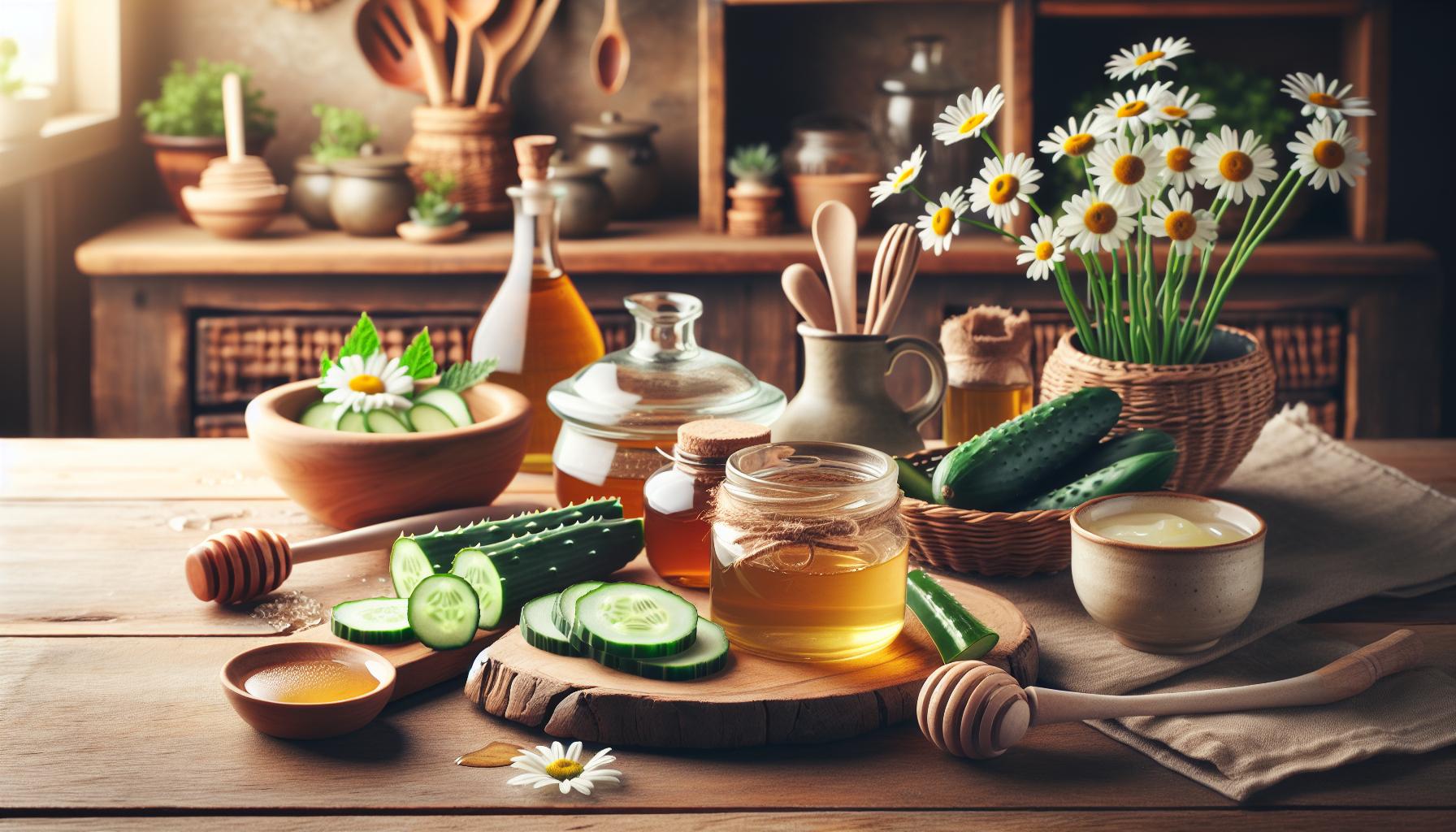
Natural Ingredients Effective for Eye Infections
When dealing with eye infections in dogs, some natural ingredients can be remarkably effective in promoting healing and soothing discomfort. Many pet owners are turning to holistic remedies, appreciating the gentle and non-invasive options available for their furry friends. Here are a few key ingredients to consider when formulating your home remedies for pink eye.
Chamomile is a wonderful herb known for its anti-inflammatory and calming properties. Brew a weak chamomile tea, let it cool, and then use it as a gentle eye rinse. The soothing effect can alleviate irritation and redness. Just make sure to strain the tea well to avoid any remnants that might further irritate your dog’s eyes.
Coconut Oil is another versatile ingredient that can support eye health. Its natural antibacterial properties and moisturizing benefits make it an excellent option for treating minor infections. Gently applying a small amount to the affected area can help reduce inflammation and provide a protective barrier against irritants.
Aloe Vera is renowned for its healing properties and is safe for use in small amounts. The gel can be diluted with water to create a soothing eye wash. This can help reduce redness and irritability, promoting a more comfortable experience for your pet. Always ensure that the aloe is pure and free from additives.
Honey, particularly raw honey, possesses natural antibacterial qualities that can aid in the recovery process. Diluting honey with distilled water creates a natural eye drop solution that can help fight infection. Just be cautious as honey should not be used in cases of serious infections that require veterinary attention.
As with any natural remedy, it is essential to monitor your dog closely for any adverse reactions. If symptoms persist or worsen, consult your veterinarian. These natural ingredients can be a supportive part of your dog’s healing journey, but they should complement, not replace, professional veterinary advice. Embracing these gentle remedies can not only help clear up pink eye but also strengthen your bond with your pet through compassionate care.
Safe Home Remedies to Treat Pink Eye
When your furry friend is suffering from pink eye, also known as conjunctivitis, it can be distressing for both you and your dog. Fortunately, there are safe and effective home remedies you can try to alleviate discomfort and promote healing. These remedies utilize natural ingredients that have been praised for their soothing and restorative properties.
Chamomile Eye Rinse
Chamomile is not just a soothing tea but a wonderful herbal remedy for eye irritations. To prepare an eye rinse:
- Brew a weak chamomile tea using one tea bag or a teaspoon of loose chamomile flowers in a cup of hot water.
- Allow the tea to steep for about 5-10 minutes.
- Strain the tea to remove all solid particles and let it cool to room temperature.
- Using a clean cotton ball or sterile gauze, gently apply the cooled tea to your dog’s affected eye.
This simple rinse can help reduce redness and inflammation, providing relief for your pet.
Coconut Oil Application
With its natural antibacterial and moisturizing properties, coconut oil can be an excellent addition to your dog’s eye care routine. To use:
- Take a small amount of organic, cold-pressed coconut oil and warm it slightly in your hands.
- Once it’s in liquid form, carefully dab a little on the affected area around the eye.
- Be careful not to put the oil directly in the eye, but ensure you cover the surrounding area.
This method can help soothe irritation and create a protective barrier.
Aloe Vera Gel Eye Wash
Aloe vera is widely recognized for its healing properties. Create a soothing eye wash by:
- Extracting fresh aloe vera gel from a leaf.
- Diluting the gel with an equal part of distilled water.
- Using a clean sterile dropper, apply the diluted solution carefully to the affected eye.
This gentle wash can reduce irritation and promote healing.
Honey Eye Drops
Raw honey is another natural option with antibacterial properties. To make an effective eye drop solution:
- Mix one part raw honey with three parts distilled water.
- Stir well until the honey is completely dissolved.
- Use a dropper to administer a few drops in the affected eye.
Honey should only be used as a remedy for mild infections. If severe symptoms persist, consult your veterinarian.
While these remedies can be helpful, it’s essential to ensure your dog is comfortable during the application process. Always observe your pet for any adverse reactions and stop using any remedy that causes irritation. Home treatments can effectively manage minor cases of pink eye, but persistent or severe symptoms indicate a need for professional veterinary care.
Step-by-Step Guide to Applying Remedies
When your dog is dealing with pink eye, knowing how to apply home remedies correctly can make all the difference in providing relief and promoting healing. Here’s a straightforward guide to help you through the process, ensuring your furry friend feels comfortable and cared for.
Start by gathering all the necessary supplies to prevent interruptions. For remedies like chamomile eye rinse, you’ll need brewed and cooled tea, a clean cotton ball or sterile gauze, and a calm environment. For coconut oil, ensure you have organic, cold-pressed coconut oil ready to warm slightly in your hands. Having everything within reach will help you maintain your pet’s focus and ease during application.
When you’re ready, place your dog in a comfortable position, ideally sitting or lying down, where they feel safe. Gently hold their head steady but without forcing it. For eye rinses or washes, it’s essential to carefully apply the solution without causing stress. Soak the cotton ball or gauze with the rinse and gently touch it to the corner of the affected eye, allowing the liquid to flow over the area without pushing too hard. For coconut oil, after warming it, use your fingertip to dab the oil around the eye area, ensuring not to apply it directly into the eye. Your touch should be soothing and gentle to help calm any anxiety your dog may have during the process.
After the application, reward your canine companion with treats and affectionate praise. This positive reinforcement not only helps associate the experience with comfort but also strengthens your bond. Check the area regularly and observe if there are any improvements or changes in your dog’s condition. Should you notice any increase in redness, swelling, or discomfort, it’s important to consult a veterinarian to ensure your dog’s health remains your top priority.
Tips for Preventing Pink Eye in Dogs
Preventing pink eye in dogs is essential for keeping their eyes healthy and avoiding discomfort. One effective way to minimize the risk of eye infections is to maintain a clean environment. Regularly vacuuming and dusting your home can help reduce allergens and irritants that could lead to conjunctivitis. Additionally, ensure outdoor areas where your dog plays are free from mud and debris, which can irritate their eyes.
Another important preventive measure is routine grooming. Long-haired breeds are particularly prone to eye irritations because hair can fall into their eyes, causing irritation and potential infection. Regularly trimming the hair around the eyes and cleaning the area gently with a damp cloth can help keep this sensitive area free from irritants. Additionally, always mind your dog while they play; discourage them from interacting with other animals that may show signs of eye infections.
Nutrition also plays a crucial role in overall eye health. A balanced diet rich in omega-3 fatty acids, antioxidants, and vitamins can support your dog’s immune system and overall eye condition. Foods such as fish, leafy greens, and carrots are beneficial. Moreover, always make sure your dog is well-hydrated. Adequate hydration helps maintain the moisture of the eyes, which can prevent issues.
Lastly, regular veterinary check-ups can help identify underlying health issues before they become serious. If you notice any signs of irritation or discharge from your dog’s eyes, consult your veterinarian promptly. Early intervention is key to preventing more severe conditions, ensuring your furry friend remains happy and healthy. Remember, a proactive approach is the best way to keep your dog’s eyes bright and clear.
When to Consult a Veterinarian
If your dog is showing symptoms of pink eye, it can be tempting to try home remedies or natural treatments first. However, knowing when to seek professional help is crucial for your pet’s health and well-being. If you notice persistent redness, swelling, or discharge from your dog’s eyes that doesn’t improve within a day or two, it’s time to consult a veterinarian. Early veterinary intervention is vital to prevent potential complications that could worsen the condition or lead to more severe health issues.
Another sign that warrants a trip to the vet is if your dog seems to be in pain or discomfort. Symptoms such as squinting, excessive tearing, or rubbing their eyes with their paws indicate that your pet might be suffering more than you realize. If you observe these behaviors alongside other concerning signs-like changes in their behavior, loss of appetite, or lethargy-these could be symptoms of a more serious underlying condition. It’s essential to get a professional opinion to ensure proper diagnosis and treatment.
In cases where you notice a sudden onset of symptoms, such as after exposure to smoke, dust, or allergens, or if your dog has recently had an injury or trauma to the eye, immediate veterinary attention is necessary. Eye injuries can escalate into more severe issues like corneal ulcers or infections if not treated promptly. Recognizing these moments and acting swiftly can make a significant difference in the outcome of your dog’s recovery.
Furthermore, it’s important to keep in mind that while home remedies can be helpful for minor irritations, they may not be effective for all types of conjunctivitis, especially if it’s bacterial or viral in nature. Veterinary professionals can provide appropriate treatments, including antibiotic ointments or anti-inflammatory medications tailored to your dog’s specific needs. Trusting your instincts and prioritizing your dog’s health will ensure they receive the best care possible.
Common Misconceptions About Dog Pink Eye
Understanding the truth behind pink eye in dogs is essential for any pet owner looking to maintain their furry friend’s health. Many people may believe that all forms of conjunctivitis are the same or that they can always treat them with home remedies. However, these misconceptions can lead to improper care and delayed treatment for your pet.
One common myth is that pink eye is always caused by allergies. While allergies are indeed a frequent cause, other factors such as bacteria, viruses, foreign bodies, or even underlying health conditions can lead to conjunctivitis. Misdiagnosing the cause can result in ineffective treatments and further aggravation of your dog’s condition. It’s crucial to observe your pet’s symptoms closely and consider a veterinary consultation to determine the underlying cause of the pink eye.
Another misconception is that home remedies alone can cure any type of conjunctivitis in dogs. While natural ingredients can be effective for mild irritations or allergic reactions, they may not suffice for more severe or infectious forms of pink eye. Relying solely on DIY treatments could lead to worsening symptoms or complications, prolonging discomfort for your dog. Always remain vigilant and consult with a veterinarian if symptoms persist or worsen, as they can provide targeted therapies to address specific types of eye infections.
Finally, some pet owners might think that all dogs are equally susceptible to pink eye and that it’s not a significant concern. In reality, certain breeds may be more prone to eye issues, and factors like age and overall health can influence a dog’s risk of developing conjunctivitis. Regular eye checks, proper grooming, and maintaining a clean living environment can significantly reduce the chances of pink eye and other eye-related problems.
In essence, arming yourself with accurate information about pink eye in dogs allows you to act effectively, ensuring your pet receives the best possible care. Fostering a good relationship with your veterinarian can also enhance your understanding and ability to manage your dog’s health conditions proactively.
Holistic Approaches to Dog Eye Health
For many dog owners, maintaining optimal eye health for their furry friends can feel daunting. However, embracing holistic approaches can empower you to take charge of your dog’s eye care naturally. A strong foundation of overall well-being is essential; therefore, focusing on nutrition, environment, and preventive care can make a world of difference in promoting better eye health and potentially preventing issues like pink eye.
Diet plays a crucial role in maintaining your dog’s eye health. Incorporating foods rich in antioxidants, such as blueberries, spinach, and carrots, can help support overall ocular function. These superfoods can combat oxidative stress, promoting healthy eyes and potentially reducing the risk of conditions that lead to pink eye. Additionally, Omega-3 fatty acids found in fish oil can help reduce inflammation, which is beneficial if your dog has any existing eye irritations. Consider including a balanced diet with high-quality ingredients, ensuring your dog receives all necessary vitamins and minerals for optimal health.
Another aspect of holistic care involves your dog’s living environment. Keeping their surroundings clean and free from allergens is vital. Regularly wash their bedding, clean surfaces, and vacuum to reduce dust and pollen. If your dog is prone to allergies, using air purifiers can improve the quality of the air they breathe. Moreover, limiting exposure to irritants, such as smoke or strong fragrances, will help create a soothing atmosphere, promoting healthier eyes.
Incorporating routine eye checks is also key. During these checks, watch for any discharge, redness, or unusual behavior, such as squinting. Early detection can prevent minor issues from escalating into more significant problems. Furthermore, consider creating a daily eye care routine. Gently wipe their eyes with a clean, damp cloth to remove any debris and keep them clear; this simple step can effectively reduce irritants that contribute to eye infections.
By taking a holistic approach rooted in nutrition, cleanliness, and proactive monitoring, you can significantly enhance your dog’s eye health and help prevent conditions like pink eye. With this comprehensive strategy, you’re not only addressing current issues but also setting your dog up for a healthier future.
Essential Lifestyle Changes for Eye Care
It’s crucial to recognize that a dog’s overall lifestyle significantly impacts eye health, especially in preventing conditions like pink eye. By making thoughtful lifestyle changes, you can bolster your furry friend’s ocular well-being and contribute to long-term health.
One effective approach is to prioritize dietary choices rich in essential nutrients. Incorporate foods that are high in antioxidants-such as blueberries, carrots, and spinach-into your dog’s meals. These ingredients help combat oxidative stress, which can lead to numerous health issues, including eye infections. Additionally, consider adding Omega-3 fatty acids from sources like fish oil to your dog’s diet. These healthy fats can reduce inflammation and promote eye health, particularly beneficial if your pet is already experiencing eye irritations.
Maintaining a clean living environment is equally important. Regularly clean your dog’s bedding, vacuum frequently, and ensure your home is free from dust, allergens, and other irritants that could exacerbate eye issues. If your dog is particularly sensitive to airborne allergens, using an air purifier can enhance air quality and provide relief. Moreover, limit exposure to harmful substances like smoke, strong chemicals, and perfumes. A calm and clean environment not only promotes better eye health but can also reduce stress for your pet-enhancing their overall quality of life.
Finally, proactive monitoring through routine eye checks can catch potential problems early. Make it a habit to examine your dog’s eyes frequently, looking for any signs of redness, discharge, or squinting. If you notice any suspicious changes, take action promptly-whether that’s implementing a natural remedy or seeking veterinary advice. This attentive care can make all the difference in preserving your dog’s eye health and ensuring a comfortable and healthy life.
DIY Dog Eye Wash: Recipes and Methods
A gentle eye wash can work wonders in alleviating discomfort and clearing infections for dogs suffering from pink eye. Making your own dog eye wash at home is not only economical but also allows you to use natural ingredients that are generally safe and soothing for your furry friend. Below are a couple of effective recipes you can try, along with simple methods for application.
Recipe 1: Saline Solution
One of the simplest and most effective eye washes is a saline solution. This mild mixture can help flush out irritants and soothe inflamed tissues.
- Ingredients:
- 1 cup of distilled water (make sure it’s boiled if not distilled)
- 1/2 teaspoon of salt (non-iodized)
Instructions:
1. Combine the distilled water and salt in a clean bowl. Stir until the salt is completely dissolved.
2. Allow the solution to cool to room temperature.
3. Use a dropper or a clean eye wash bottle to administer the solution gently into your dog’s eyes.
Recipe 2: Herbal Eye Wash
Herbal infusions can also provide calming properties. A chamomile eye wash can be particularly soothing and anti-inflammatory.
- Ingredients:
- 1 cup of boiling water
- 1 chamomile tea bag (make sure it’s caffeine-free)
Instructions:
1. Steep the chamomile tea bag in boiling water for about 10 minutes.
2. Remove the tea bag and allow the liquid to cool completely.
3. Similar to the saline solution, use a dropper or a clean eye wash bottle to administer a few drops of the infusion directly into the eyes.
Application Tips
When applying any homemade eye wash to your dog, ensure that you’re calm and gentle. Here are a few steps to follow:
- Secure your dog in a comfortable position, preferably in your lap or a soft surface.
- Hold the eye wash bottle or dropper about an inch away from the eye.
- Gently squeeze the bottle or drop the solution into the eye, allowing it to flush away discharge and soothe irritation.
- Wipe any excess liquid with a clean, soft cloth or pad.
Creating a DIY eye wash can be a simple yet effective way to provide relief to your dog suffering from pink eye. Use these recipes regularly as a preventative or soothing measure, and always observe how your dog responds to the treatment. If symptoms persist or worsen, consulting a veterinarian is essential for proper care.
Supporting Recovery: Care Tips for Affected Dogs
Ensuring the recovery of a dog suffering from pink eye involves a combination of care strategies that not only alleviate symptoms but also promote overall eye health. Just like humans, dogs benefit from a supportive environment when dealing with eye infections. One effective approach is to maintain a calm atmosphere. When your furry friend is relaxed, it can help reduce stress, which is crucial for healing.
Regularly applying gentle eye washes, as outlined in previous sections, is essential for flushing out irritants and soothing inflammation. In addition to the homemade eye washes, using a soft, damp cloth to wipe away discharge from around the eyes can help keep the area clean and free from irritation. Make sure to use a different cloth for each eye to prevent further contamination if the infection is present in only one eye.
Diet also plays a pivotal role in your dog’s recovery. Providing a well-balanced diet rich in vitamins, particularly Vitamin A and Omega-3 fatty acids, can assist in maintaining good eye health. Fresh fruits and vegetables, alongside high-quality dog food, can boost their immune system. Remember to ensure that your dog remains well-hydrated, as hydration aids in healing and overall health.
Lastly, keep your dog’s environment clean and free from allergens or irritants. Regularly vacuuming your home and washing your dog’s bedding can help minimize exposure to dust, pollen, and other triggers that may exacerbate their condition. Make a habit of checking for any signs of additional eye issues or changes in behavior, so you can act quickly should further treatment be necessary.
Frequently asked questions
Q: What are the signs of pink eye in dogs?
A: Signs of pink eye in dogs include redness of the eye, excessive tearing, swelling of the eyelids, discharge (which may be clear or pus-like), and squinting. If you notice these symptoms, it’s vital to evaluate the situation and consider home remedies while monitoring your dog’s health closely.
Q: Can I use saline solution to treat my dog’s pink eye?
A: Yes, a saline solution can be gently used to flush your dog’s eyes. It helps remove irritants and soothe the eyes. To make your own, dissolve 1 teaspoon of salt in 1 cup of warm distilled water. Use it as an eye wash or compress. For more eye wash recipes, see the DIY Dog Eye Wash section.
Q: How can I prevent my dog from getting pink eye again?
A: To prevent future occurrences of pink eye, maintain good hygiene by cleaning your dog’s face regularly, especially after walks. Keep their environment clean and avoid exposure to allergens and irritants. Regular eye check-ups can help identify issues early.
Q: Are there any natural remedies that work quickly for dog pink eye?
A: Natural remedies like chamomile tea compresses can help soothe pink eye symptoms. Brew a tea, let it cool, soak a clean cloth, and apply it to your dog’s eyes for about 10 minutes. This method can reduce inflammation and discomfort.
Q: When should I seek veterinary help for my dog’s pink eye?
A: If your dog’s symptoms worsen after a few days of at-home treatment, or if you notice severe swelling, a change in behavior, or excessive discharge, consult a veterinarian immediately. Quick intervention may be necessary to prevent complications.
Q: Can food allergies cause pink eye in dogs?
A: Yes, food allergies can lead to skin and eye issues, including pink eye. If you suspect your dog’s condition is linked to their diet, consider an elimination diet under veterinary guidance to identify and manage potential allergens.
Q: What is the best way to clean my dog’s eyes for pink eye?
A: The best way to clean your dog’s eyes is to use a damp, soft cloth or cotton ball with a saline solution or a homemade eye wash. Gently wipe away any discharge, moving from the inner corner of the eye outwards to avoid additional irritation.
Q: Can I use over-the-counter human eye drops to treat my dog’s pink eye?
A: It’s not recommended to use over-the-counter human eye drops without veterinary advice, as they may not be safe for dogs. Consult your veterinarian for appropriate medications specifically designed for pets to ensure safe and effective treatment.
The Conclusion
Now that you know how to clear up pink eye in dogs naturally, it’s time to put these remedies into action! By utilizing simple home treatments, you can help your furry friend heal more comfortably and effectively. For immediate support, consider checking out our detailed guides on boosting your pet’s immune system or understanding common signs of infections. Your dog’s well-being is a priority, and addressing these issues swiftly can prevent further complications.
Don’t hesitate to share your experiences or ask questions in the comments below-your insights might help other pet owners facing similar challenges! Remember, the more you engage with our community, the more we can help each other. For more tips on pet health, explore our resource center or subscribe to our newsletter for the latest updates. Together, let’s keep our beloved companions healthy and happy!


