


Kittens, with their delicate features and playful nature, are often prone to health issues, including eye infections. These tiny creatures rely on your care to thrive, and noticing any signs of discomfort can be concerning. In this guide, we will explore gentle, natural remedies for treating newborn kitten eye infections, helping you nurture your furry friend back to health.
Understanding how to address your kitten’s eye infection not only alleviates their discomfort but also strengthens the bond between you and your pet. Many pet owners are seeking effective, accessible solutions that they can implement at home, and this article is designed to meet those needs. With simple steps and natural ingredients, you can provide the gentle care your newborn kitten deserves.
So, if you’re looking for reliable methods to soothe those tiny eyes, keep reading to discover practical remedies that can make a significant difference in your kitten’s comfort and well-being.
Understanding Newborn Kitten Eye Infections: Key Signs to Watch For
Understanding eye infections in newborn kittens is essential for any caring pet owner. These tiny furballs can develop eye issues just like older cats, often due to their still-maturing immune systems. Recognizing the key signs early can make a big difference in their recovery and overall health.
Look for symptoms such as redness and swelling around the eyes, which may indicate irritation or infection. You might also notice discharge; clear discharge can suggest mild irritation, while yellow or green discharge often indicates a bacterial infection. Another important sign is excessive blinking or squinting, which can indicate discomfort or pain.
In addition to these visible symptoms, pay attention to your kitten’s behavior. If they are not grooming their eyes as usual or appear to be pawing at their face, it’s worth investigating further. A kitten that is less active or seems more withdrawn than normal may also be exhibiting signs of an eye infection. Keeping a watchful eye on these behaviors can guide you in deciding when to seek treatment or try gentle home remedies.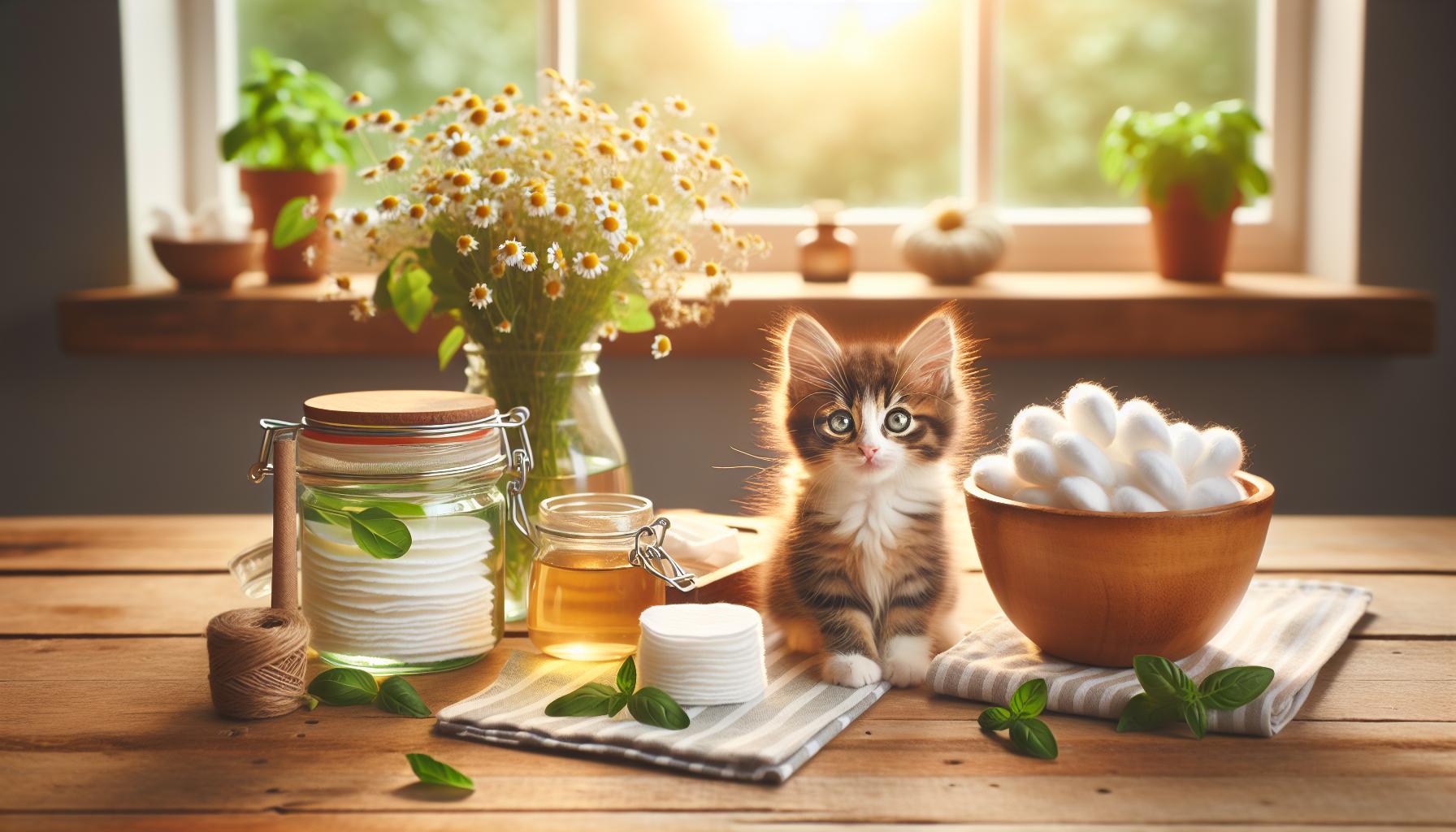
Gentle Home Remedies for Kitten Eye Infections
Gentle remedies can be an effective first line of defense against eye infections in newborn kittens, providing comfort and relief while promoting healing. Many pet owners seek natural solutions before turning to more invasive treatments, making it crucial to understand simple home remedies that are safe for young cats. A few everyday ingredients can work wonders to soothe irritated eyes and reduce discomfort.
One popular option is a warm chamomile tea rinse. Chamomile has anti-inflammatory properties that can help reduce redness and swelling. To prepare, steep a chamomile tea bag in hot water for a few minutes, then allow it to cool to room temperature. Use a clean cotton ball or pad to gently wipe away any discharge around the kitten’s eyes, using a fresh pad for each eye to prevent cross-contamination. Be sure to use this rinse two to three times daily, observing your kitten’s reaction.
Another effective remedy involves saline solution, which can help flush out debris and excess discharge. You can make a saline solution at home by mixing one teaspoon of salt in a cup of clean, warm water. Dampen a soft cloth or cotton ball with the saline and gently wipe around the eyes. This method clears irritants and establishes a cleaner environment for healing. Always use freshly prepared saline and store any unused portions in a cool place to maintain their effectiveness.
Keep in mind that when implementing these home remedies, your kitten’s comfort and safety come first. Monitor their behavior closely-if the infection worsens or shows no signs of improvement after a few days, it’s important to consult your veterinarian. You’ll want to ensure your little one receives the best care tailored to their specific needs, especially during such vulnerable stages of development.
Essential Ingredients for Effective Eye Care
When your little kitten is suffering from an eye infection, knowing the right ingredients to aid in their care can make all the difference in their recovery. Nature provides some gentle yet effective solutions that can soothe irritation and promote healing without the need for harsh chemicals. Understanding these ingredients not only empowers you to help your kitten but also fosters a closer bond through the nurturing process of care.
Chamomile Tea
Chamomile is a versatile herb renowned for its calming and anti-inflammatory properties, making it an excellent ingredient for eye care. A warm chamomile tea rinse can alleviate swelling and redness while providing comfort to your kitten. Simply steep a chamomile tea bag in hot water and allow it to cool to room temperature. Using a sterile cotton pad, gently wipe around the kitten’s eyes, taking care to use a separate pad for each eye to avoid spreading any infection.
Saline Solution
Saline solution is another must-have in your toolkit for eye care. It acts as a natural cleanser, flushing out impurities and providing relief from discharge. You can make a simple saline solution at home by mixing one teaspoon of salt with a cup of warm, sterile water. Dip a clean cloth or cotton ball into the saline and gently wipe around your kitten’s eyes, ensuring a clean area for healing. Fresh saline should be prepared daily to maintain its efficacy.
Honey
While be cautious, raw honey is occasionally used in very diluted forms as a natural antibacterial agent. When mixed with warm water, it can provide soothing properties. Always ensure the honey is organic and raw, and consult your veterinarian before using this method, as it may not be suitable for all kittens, especially very young ones.
By incorporating these natural ingredients into your kitten’s eye care regimen, you can offer safe, soothing relief that encourages healing. Always stay attentive to your kitten’s comfort and watch for any signs of improvement or worsening conditions. Creating a nurturing environment filled with gentle remedies not only aids in recovery but also supports the loving bond you share.
Step-by-Step Guide to Treating Eye Infections
When a newborn kitten is struggling with an eye infection, taking prompt and gentle action can significantly aid in their recovery. Eye infections can be concerning, but with the right home remedies and steps, you can help soothe your tiny feline while promoting healing. Follow this simple guide to ensure your precious kitten receives the care they need.
Start by assessing the situation. If you notice signs of an eye infection, such as unusual discharge, excessive tearing, or crusty eyelids, it’s crucial to act quickly. Begin your treatment by thoroughly washing your hands to maintain a clean environment. Gather your supplies, which can include chamomile tea, saline solution, and clean cotton pads or soft cloths.
Step 1: Cleaning the Eye Area
Gently clean the infected eye. Using one of the recommended home remedies, either the chamomile tea or saline solution, soak a sterile cotton pad or cloth. Then, softly wipe around the affected eye to remove any crust or discharge. Be sure to use a separate pad for each eye if the other eye is clear, to prevent any further spread of infection.
Step 2: Applying the Remedy
For chamomile tea, as mentioned earlier, steep a tea bag, let it cool, and use it to rinse the eye area. Alternatively, for a saline solution, mix one teaspoon of salt into a cup of warm, sterile water and dip your clean cloth into it. This gentle cleansing not only removes impurities but also provides relief and comfort.
Step 3: Monitor and Repeat
Keep a close eye on your kitten for any changes. Repeat the cleaning process two to three times a day, always using fresh saline or tea. Observe their condition and ensure they’re not showing signs of discomfort. If there’s improvement, breathe a sigh of relief; if symptoms persist or worsen, it’s time to consult a veterinarian.
Through this caring routine, you can create a nurturing environment that not only fosters recovery but also strengthens the bond between you and your kitten. With patience and dedication, you’ll be able to provide the gentle care needed to help your tiny companion feel better and heal swiftly.
How to Safely Clean Your Kitten’s Eyes
When caring for a newborn kitten, keeping their eyes clean is essential, especially if they’re experiencing an infection. An infection can cause discharge and discomfort, not to mention stress for both the kitten and the caregiver. By following a few simple steps, you can safely clean your kitten’s eyes and help them on the path to recovery.
Start with thorough cleanliness. Before touching your kitten or their eyes, make sure your hands are washed thoroughly with soap and water. This minimizes any risk of introducing more bacteria. Gather your supplies: you’ll need clean cotton pads or soft cloths, a prepared saline solution or cooled chamomile tea, and a calm environment for your kitten. Comfort is key, so consider swaddling them gently in a towel to keep them still and reassure them during the cleaning process.
Next comes the cleansing procedure. Moisten a clean cotton pad or cloth with the saline solution or chamomile tea. Starting from the inner corner of the eye, gently wipe away any discharge or crusty buildup. Be careful not to apply excessive pressure or drag the pad across their eye. Use a different pad for each eye if needed to prevent cross-contamination. While cleaning, talk softly to your kitten to keep them calm, as your soothing voice can be very comforting.
After cleaning, monitor your kitten closely for any signs of improvement or further irritation. Repeat the cleaning process two to three times daily, ensuring each application uses fresh saline or tea. If irritation persists or worsens, don’t hesitate to reach out to your veterinarian for professional guidance. This routine not only aids in healing but also fosters a sense of trust and companionship between you and your furry friend, making the recovery journey much easier for both of you.
When to Consult a Veterinarian: Warning Signs
Recognizing when to seek veterinary care for a newborn kitten experiencing eye infections is critical for ensuring their health and well-being. While minor infections can sometimes be managed at home, certain symptoms warrant immediate professional attention to prevent complications and ensure your kitten’s recovery. A keen eye for warning signs allows you to provide the best care possible, boosting the chances of a swift and successful recovery.
If your kitten displays signs of severe redness or swelling around the eyes, this could indicate a more serious underlying condition. Similarly, if they have persistent or excessive discharge, particularly if it’s thick or discolored, these symptoms suggest that the infection may not be resolving on its own. Other concerning indicators include excessive squinting, pawing at the eyes, or any signs of distress or pain. If your kitten appears lethargic, refuses to eat, or shows changes in behavior, don’t hesitate to consult your veterinarian.
Clear Warning Signs to Watch For
- Severe redness or swelling: Indicates possible serious infection or injury.
- Thick or colored discharge: Could point to a bacterial infection.
- Pawing at the eyes: Suggests discomfort or irritation.
- Loss of appetite: Potential sign of illness or pain.
- Behavioral changes: Increased lethargy or irritability can indicate distress.
Prompt intervention can make a significant difference in the outcome of your kitten’s health. If any of these concerning symptoms arise or if home treatments appear ineffective after a couple of days, it is always best to reach out to your veterinarian. They can provide a precise diagnosis and recommend appropriate treatments, ensuring your little one receives the best care possible. Remember, nurturing your newborn kitten’s health is not just about managing symptoms; it’s about securing a joyful and healthy future together.
Preventive Care: Keeping Your Kitten’s Eyes Healthy
Keeping your newborn kitten’s eyes healthy is essential for their overall well-being and development. A kitten’s eyes, while delicate, can benefit significantly from proactive care that helps prevent infections and other irritating conditions. One of the most effective measures is maintaining a clean environment. Ensure that your kitten’s living space is free from dust, dirt, and other potential irritants. Regularly cleaning their bedding and play areas not only promotes hygiene but also helps reduce the risk of allergens that could affect their sensitive eyes.
Additionally, incorporating a routine eye check can be a simple yet effective preventive measure. Gently examine your kitten’s eyes weekly for any signs of redness, discharge, or irritation. It’s a great opportunity to get them accustomed to having their face touched, which can ease future examinations by a veterinarian. If you notice any minor discharge, consider using a warm, damp cloth to gently wipe the area. Avoid using any harsh chemicals or commercial cleaners that could exacerbate irritation.
Maintaining a balanced diet rich in vitamins A and E is particularly beneficial for eye health. Foods that are well-suited for kittens, particularly those with natural ingredients, can provide essential nutrients that support their eyesight. You might also want to consider natural supplements specifically formulated for eye health, such as omega fatty acids, which can promote good vision and overall eye function.
Lastly, ensure that your kitten’s vaccinations are up to date. Certain viral infections can lead to eye problems, so protecting your kitten with appropriate vaccinations will go a long way in preventing future health issues. Regular vet visits are vital as well; during these check-ups, your veterinarian can assess your kitten’s eye health comprehensively and provide tailored advice to keep those little eyes sparkling and healthy. By integrating these practices into your care routine, you not only enhance your kitten’s quality of life but also create a strong foundation for their future health.
Natural Supplements for Eye Health in Kittens
Incorporating natural supplements into your kitten’s diet can play a significant role in supporting their eye health, especially during those vulnerable early months. For newborn kittens, whose immune systems are still developing, the right nutrients can help strengthen their defenses against infections and promote overall well-being, including eye function.
One of the most beneficial groups of supplements for eye health are those rich in omega-3 fatty acids, which are known for their anti-inflammatory properties and ability to support cellular health. These can be found in fish oils or flaxseed oil, both of which can be added to your kitten’s food in tiny amounts. Vitamin A is another essential nutrient that is crucial for maintaining good vision; it helps provide proper eye function and can be found in foods like liver and fish, or in supplement form. Vitamin E, an antioxidant, also plays a vital role in eye health by protecting eye cells from damage.
When considering supplements, you might find products specifically designed for kittens that include a blend of these key vitamins and fatty acids. Always consult with your veterinarian before introducing any new supplements to ensure they are appropriate for your kitten’s age and health status. Keep an eye on the dosage to avoid over-supplementation, which can lead to adverse effects.
Moreover, a well-balanced diet that includes high-quality kitten food can offer many of these nutrients naturally, reducing the need for additional supplementation. Look for formulas that list whole foods and are free from artificial additives. Regularly feeding your kitten a nutritious diet rich in these essential ingredients not only fosters eye health but also contributes to their overall growth and vitality, paving the way for a healthy and happy life.
Stories of Recovery: Real-Life Successes
When faced with the challenge of a newborn kitten suffering from an eye infection, stories of recovery can uplift spirits and provide hope. Many pet owners have successfully navigated this delicate situation using gentle home remedies and care techniques that strengthen their kittens’ resilience.
One touching example involves a rescue kitten named Luna. Found abandoned with a severe eye infection, Luna’s owner began a treatment regimen that included warm chamomile tea compresses. The anti-inflammatory properties of chamomile soothed the irritation around her eyes and provided immediate comfort. After several days of consistent care, Luna’s eyes cleared up significantly, and she regained her playful spirit. Now, she is a healthy, vibrant cat who loves to play and cuddle.
Another inspiring story centers around Max, a tiny tabby who was adopted along with his siblings. Shortly after bringing him home, his new family noticed noticeable discharge from one eye, signaling an infection. They opted for a gentle cleaning solution of diluted saline to wash away the discharge and a mixture of coconut oil and honey as a soothing balm. To their delight, Max responded beautifully. His eye infection resolved within a week, and he now thrives as a confident and playful companion.
These accounts highlight the effectiveness of natural remedies in treating kitten eye infections. Other common practices include maintaining a clean environment and ensuring that kittens receive a balanced diet, rich in vitamins, to support their overall health. Ensuring proper hydration and regular monitoring can also make a significant difference in recovery.
The key takeaway from these success stories is that with patience, love, and the right home remedies, owners can play a crucial role in their kittens’ recovery from eye infections. Each recovery story reaffirms the bond between pets and their caregivers, proving that gentle care truly fosters healing and health.
Common Myths About Kitten Eye Care
Many pet owners harbor misconceptions when it comes to caring for their kittens’ eyes, particularly regarding infections and treatment methods. One common myth is that all eye discharge is a sign of a serious condition requiring immediate veterinary intervention. In reality, while discharge can indicate an infection, it often results from less severe issues like allergies or irritants. By learning to distinguish between normal and concerning symptoms, you can manage minor cases at home with gentle care.
Another widespread belief is that natural remedies are ineffective or even harmful. Some might think that using home ingredients like chamomile tea or coconut oil won’t do much for their kitten’s eye health. However, many pet owners have successfully employed these natural treatments, which can provide soothing relief and promote healing without the side effects associated with stronger medications. Ensuring these remedies are administered carefully can yield positive results, reinforcing the idea that nature often offers solutions with fewer risks.
Owners also often wonder if they should clean their kitten’s eyes frequently. There’s a myth that excessive cleaning could worsen irritation. However, regular cleaning with a gentle saline solution can help remove debris and prevent infections from worsening. It’s important to establish a routine, using warm water or a recommended solution, to maintain eye cleanliness without overdoing it. Understanding the balance between care and caution is vital.
Lastly, many people feel that all eye infections in kittens are prelude to severe health problems. This can create unnecessary anxiety. While it’s true that regular monitoring and care are essential, the majority of common eye infections, particularly in young kittens, can be resolved with home care and, if necessary, simple veterinary intervention. Embracing the belief that most infections can be managed effectively at home allows owners to act confidently and provide the necessary support to help their precious kittens recover swiftly.
Building a Routine for Your Kitten’s Eye Maintenance
Establishing a regular eye maintenance routine for your kitten is crucial not just for immediate care but also for their long-term health and comfort. By integrating simple eye-care habits into your daily care regimen, you can help ensure your kitten stays healthy and free from infections. This can be especially important for newborns, who may be more vulnerable to eye issues.
First, consider setting specific times during the day for your kitten’s eye care. A gentle daily check can help you catch any signs of irritation or discharge early on. Here are some practical steps to include in your routine:
Daily Eye Checks
- Form a habit of gently inspecting your kitten’s eyes during playtime or cuddle sessions.
- Look for any redness, swelling, or unusual discharge. Note the color and consistency of any discharge-clear may just be a minor irritation, while yellow or green can indicate an infection that might require further attention.
Gentle Cleaning
Set aside a couple of minutes daily for a gentle cleaning session. Use a warm saline solution or a homemade brew of chamomile tea, which is known for its soothing properties.
- Soak a soft cloth or cotton ball in the solution.
- Gently wipe from the corner of the eye towards the outer edge to remove any debris or discharge.
- Always use a fresh part of the cloth or a new cotton ball for each eye to prevent cross-contamination.
Hydration and Nutrition
Proper hydration plays a vital role in maintaining healthy eyes. Ensure your kitten has access to fresh water at all times, and consider a diet rich in essential nutrients that support eye health. Look for foods that include vitamins A, C, and E, which are known to promote good eyesight.
Consistency is Key
A consistent routine not only aids in preventing infections but also builds trust between you and your kitten, allowing them to feel comfortable during eye care. Include your kitten in the routine gradually, and be observant to ensure they don’t show signs of distress.
By dedicating a few minutes each day to these practices, you provide your kitten with not only immediate care but also foster a foundation for lifelong eye health. Your gentle involvement will make it easier to manage any future issues and keep your little furball happy and healthy!
Frequently Asked Questions
Q: What are the common symptoms of eye infections in newborn kittens?
A: Common symptoms of eye infections in newborn kittens include excessive tearing, redness, swelling around the eyes, discharge, and squinting. If you notice these signs, it’s crucial to address them promptly to prevent further complications.
Q: How can I use warm compresses to treat my kitten’s eye infection?
A: To use warm compresses, soak a clean cloth in warm water and wring it out. Gently place it on your kitten’s affected eye for about 5-10 minutes. This helps to soothe irritation and may loosen any discharge, making it easier to clean.
Q: What natural ingredients can I use to help treat my kitten’s eye infection?
A: Natural ingredients like chamomile tea, diluted saline solution, and honey (in very small amounts) can be used to help treat kitten eye infections. Always ensure that any remedy is safe for pets and consult a vet if unsure.
Q: How often should I clean my kitten’s eyes when treating an infection?
A: You should clean your kitten’s eyes 1-2 times a day, using a gentle solution. Consistent cleaning helps remove discharge and prevents the infection from worsening. For detailed instructions, refer to the “How to Safely Clean Your Kitten’s Eyes” section.
Q: When is it necessary to consult a veterinarian for my kitten’s eye infection?
A: Consult a veterinarian if the infection persists for more than a couple of days, if your kitten shows signs of pain, or if there’s significant swelling or discharge. Early intervention can prevent serious complications.
Q: Are there any home remedies to avoid when treating kitten eye infections?
A: Avoid using human eye drops, harsh chemicals, or anything with fragrances, as these can irritate your kitten’s sensitive eyes. Stick to gentle, vet-approved remedies for safety.
Q: How can I prevent eye infections in my newborn kitten?
A: To prevent eye infections, maintain a clean living environment, ensure proper hygiene, and keep your kitten’s face clean. Regular check-ups with a vet can also help monitor your kitten’s overall health.
Q: Can eye infections in newborn kittens lead to vision problems?
A: Yes, untreated eye infections can lead to serious complications, including vision problems. Prompt treatment is essential to ensure your kitten’s eyes remain healthy and functional.
Concluding Remarks
Thank you for exploring our comprehensive guide on caring for newborn kitten eye infections. Remember, gentle, natural remedies can provide your tiny friend with the relief they need. If you found this information helpful, consider checking out our articles on “Homemade Cat Eye Wash” and “First Aid for Kittens,” which offer valuable insights and additional support.
Your kitten’s health is paramount, and taking immediate action can prevent further discomfort. If you have lingering questions or need personalized advice, don’t hesitate to leave a comment below or sign up for our newsletter to receive expert tips right to your inbox. Stay proactive in your kitten care journey, and empower yourself with the right knowledge.
For more resources and tools to ensure your pet’s well-being, browse through our site to discover practical guides that promote health and happiness for all furry friends. Together, let’s ensure every kitten gets the gentle care they deserve!


