


Did you know that dog coprophagia, or the habit of eating poop, is surprisingly common among our canine companions? While this behavior can be alarming and unpleasant, understanding the reasons behind it is key to finding solutions. Many pet owners worry about their dog’s health and hygiene, as well as the social implications of such a habit.
This guide will explore effective home remedies to help deter your dog from munching on droppings, empowering you to take control of this often distressing issue. From dietary adjustments to behavioral techniques, we’ll provide easy, practical steps that can fit seamlessly into your daily routine. By addressing the root causes and offering accessible fixes, we aim to foster a healthier, happier environment for both you and your furry friend. Keep reading to discover simple yet powerful strategies that work!
Understanding the Causes of Coprophagia in Dogs
Understanding why dogs engage in coprophagia, or the act of eating poop, can provide crucial insights into how to effectively prevent this behavior. Various reasons underpin this curious but often distressing habit, ranging from nutritional deficiencies to learned behavior. Dogs are naturally curious creatures, and some may simply be exploring their environment or mimicking behaviors they see in other dogs.
Nutritional factors play a significant role; dogs may be seeking out undigested nutrients that are present in feces, which might suggest that their diet is lacking in certain essential vitamins and minerals. This instinct can be frustrating for pet owners, but understanding that your dog may be trying to compensate for deficiencies can guide you in making informed dietary adjustments. Additionally, stress or anxiety can lead to this behavior as a way for dogs to cope with their emotions, reflecting a need for a more secure and stable environment.
A dog’s individual history can also be influential. Puppies, for instance, often experiment with eating feces as a normal part of their exploratory behavior. In some cases, if a dog has been punished for defecating inappropriately, they might eat their feces to hide evidence of that behavior. Observing these patterns can highlight the need for gentle correction and positive reinforcement strategies rather than punitive measures.
To effectively address coprophagia, it helps to consider these underlying causes and create an environment where your dog feels secure and well-nourished. Keeping an eye on their diet, providing mental stimulation, and ensuring a stress-free atmosphere can collectively curtail this unwanted habit. Properly understanding the motivations behind this behavior can empower pet owners to approach the issue with compassion and effectiveness.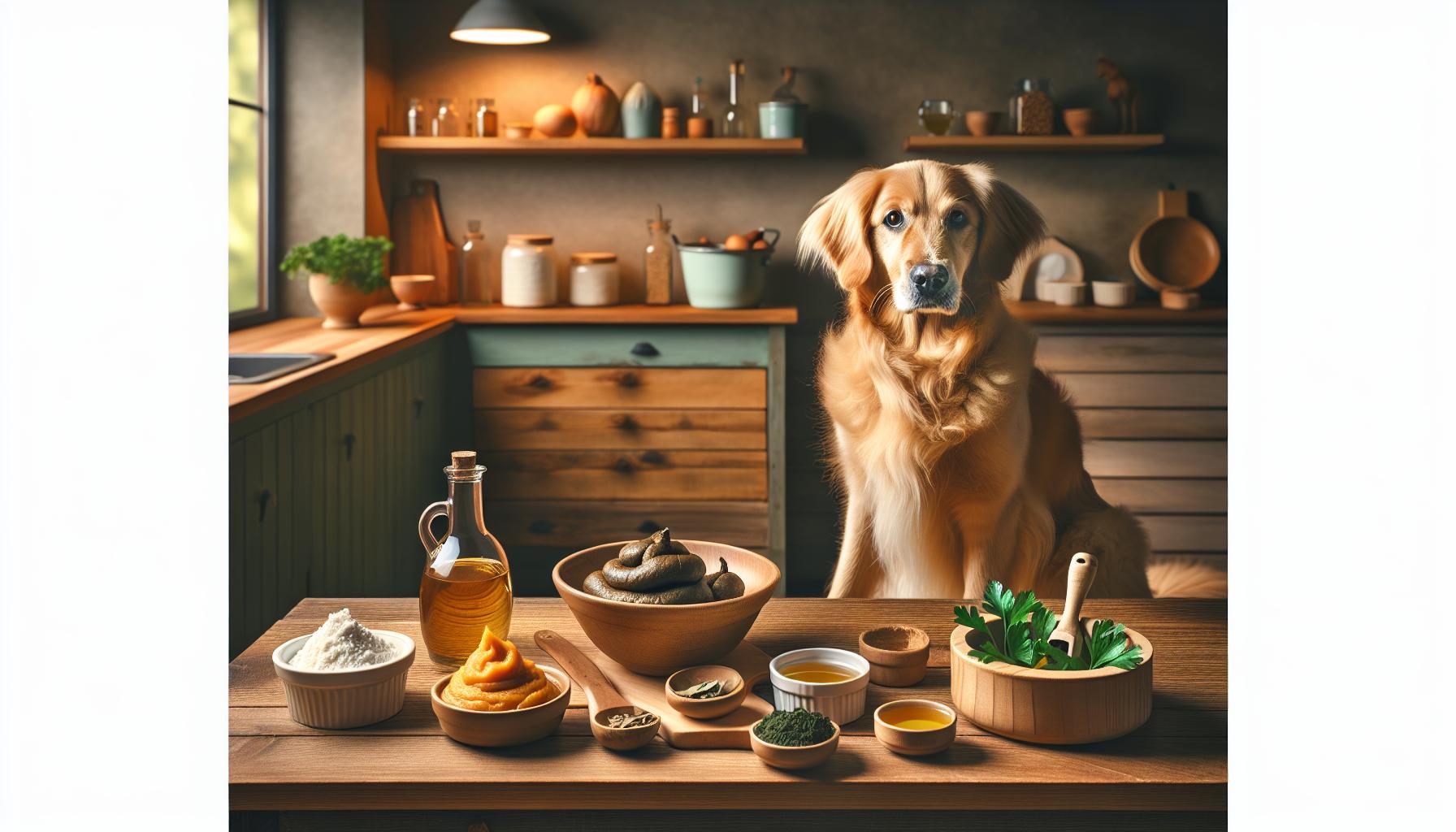
Home Remedies to Deter Your Dog from Eating Poop
Many pet owners experience the distressing habit of their dogs consuming feces, a behavior known as coprophagia. Fortunately, there are home remedies that can help deter this unappealing action, providing both you and your pup with a more pleasant experience. The first step in addressing this issue is to ensure your dog’s dietary needs are met-dogs may resort to eating poop due to nutritional deficiencies. Consider incorporating natural ingredients like pumpkin or sweet potatoes into their meals; these not only boost fiber intake but can also help firm up stools, making them less appealing.
Another effective approach is to make the feces less palatable. Sprinkling some cayenne pepper or using bitter apple spray around your yard (or on their stools, if safe) can create an unpleasant taste that deters them from indulging. Additionally, offering your dog pineapple or papaya can alter the taste of their stool due to the presence of bromelain and papain, enzymes that change how their body processes food. These changes can make feces far less tempting.
To further reinforce these habits, consider using a positive reinforcement training technique. Encouraging your dog verbally and rewarding them with treats when they ignore feces can build a desirable behavior. Careful observation during walks or yard time can help spot when your dog is tempted, allowing timely intervention. Lastly, maintaining a clean environment is crucial; picking up feces immediately after your dog goes can significantly reduce opportunistic eating.
It’s important to remember that patience and consistency are key in implementing these remedies. By addressing both the dog’s environment and their dietary habits, you can effectively curb this behavior while fostering a healthier lifestyle.
Safe and Natural Ingredients for Effective Solutions
Many pet owners are understandably distressed when their dogs engage in coprophagia-the act of consuming feces. Fortunately, there are safe and natural ingredients that can help deter this behavior. By incorporating certain foods and substances into your dog’s diet or environment, you can make feces less appealing and encourage healthier habits.
One effective approach is to enhance your dog’s meals with natural ingredients known for their digestive benefits. Pumpkin is a favorite among pet owners; it’s rich in fiber and can help firm up stool consistency, reducing the chances of it being consumed. Simply add a tablespoon of canned pumpkin (not the spiced pie filling) to their food. Similarly, sweet potatoes are another excellent source of fiber that not only aids digestion but can also improve the overall health of your dog’s stool.
In addition to dietary enhancements, certain foods can alter the taste of your dog’s stool, making it less enticing. Pineapple and papaya are fantastic choices, as they contain enzymes like bromelain and papain that can change how meat is digested, leading to unappealing feces. Try adding a small amount of these fruits to their diet, but always monitor for any allergic reactions.
Lastly, you can use specific additives that serve as deterrents. A sprinkle of cayenne pepper around the areas your dog frequents or in their food may create an unpleasant sensation that discourages stool eating. Alternatively, bitter apple spray can be applied directly on feces or around the yard to deter your dog from indulging. Always ensure that these substances are safe for your dog and used in moderation.
Embracing these natural approaches not only helps address the poop-eating issue but also fosters a healthier environment for your furry friend. Pair these remedies with consistent cleanup and positive reinforcement, and you’ll be well on your way to curbing that unappealing habit.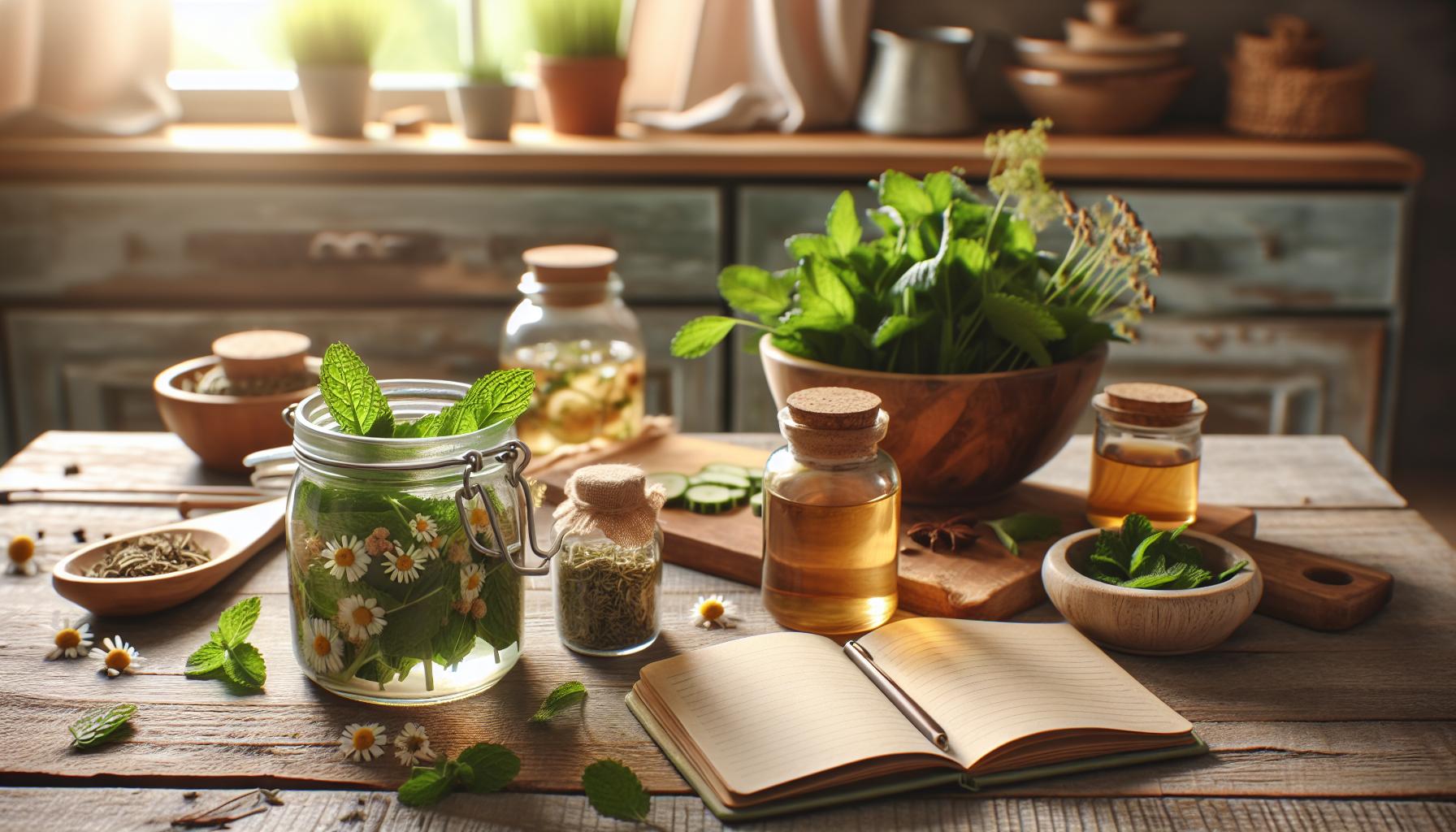
Behavioral Modifications to Curb Poop Eating
Engaging in the act of coprophagia can be perplexing and disheartening for dog owners, but understanding the role of behavioral modifications can be the key to changing this habit. Dogs often resort to eating feces out of boredom, anxiety, or simply because they find it to be a curious activity. By implementing a series of behavioral changes and strategies, you can help your furry friend develop better habits and reduce their inclination to indulge in this unappealing behavior.
One effective strategy is to increase your dog’s physical activity and mental stimulation. A well-exercised dog is less likely to look for mischief or engage in undesirable behaviors. Daily walks, play sessions, and interactive toys can keep your dog engaged and redirect their energy away from eating poop. Consider activities that challenge your dog mentally, such as puzzle toys or training sessions focused on new commands, which can foster a stronger bond between you and your pet while occupying their mind.
Another important aspect of behavioral modification is positive reinforcement. Whenever you catch your dog not engaging in coprophagia, offer praise or a small treat to reinforce this behavioral choice. This encourages your dog to associate good behavior with positive outcomes, effectively helping them understand that avoiding feces leads to rewards. Conversely, if you catch your dog in the act, avoid punishment, as this can increase anxiety and exacerbate the behavior. Instead, redirect them to a command they know, or call them to engage in a different activity.
Consistency is crucial; making small adjustments to your dog’s routine can significantly impact their behavior over time. Adopt a schedule for feeding, bathroom breaks, and walks to structure their day. Also, monitor their environment-removing any feces promptly can help reduce temptation. When they know that feces will be cleared away, they are less likely to repeat the habit. Combine these modifications with a nurturing approach, and you’ll create an environment that discourages the habit while promoting overall well-being.
Ultimately, modifying behavior is a process that requires patience and persistence. By providing increased physical and mental stimulation, utilizing positive reinforcement, and maintaining a clean environment, you can guide your dog away from coprophagia and forge a healthier, happier relationship with them.
Nutrition Adjustments to Prevent Coprophagia
A well-balanced diet plays a pivotal role in curbing the unfortunate habit of coprophagia in dogs. By addressing nutritional needs and making strategic changes, you can help reduce your dog’s urge to consume feces. A balanced diet not only supports overall health but can also significantly influence your dog’s behavior, including the likelihood of stool-eating.
Focus on Digestive Health
Improving your dog’s digestive health is fundamental. High-quality dog foods that are rich in fiber can assist in maintaining regular bowel movements and ensuring that stools are less appealing. Look for ingredients such as:
- Brown rice: A great source of easily digestible carbohydrates.
- Sweet potatoes: High in fiber, these can help create bulk in the stool.
- Pumpkin: This is not only beneficial for digestion but also reduces the texture and smell of stool, making it less enticing for your dog.
Additionally, consider adding probiotic supplements to your dog’s diet. These can help balance gut bacteria, which can improve overall digestion and may reduce feces’ allure due to better nutrient absorption.
Consider Feeding Schedule Adjustments
Regular feeding times can also contribute to reducing the temptation to eat poop. By establishing a consistent schedule, your dog will know when to expect meals, helping regulate their digestive cycle. This routine can diminish the chances of finding feces around the yard, as your dog’s bathroom habits will become more predictable. It’s beneficial to monitor your dog’s bathroom routines closely, ensuring that their stools are firm and less appealing.
Hydration Matters
Don’t overlook the importance of hydration. Ensure your dog has constant access to fresh water. Proper hydration can help keep your dog’s stool softer and less enticing, while also promoting overall health. If your dog is consistently well-hydrated, they may be less inclined to seek out other sources of moisture, such as feces.
By combining these nutritional tweaks with behavioral strategies, you can create an environment that deters coprophagia and encourages healthier behaviors. Veterinary advice can also offer tailored solutions fitting your dog’s unique needs, leading to a happier, poop-free life for both of you.
Creating a Positive Environment to Discourage Bad Habits
Creating a nurturing and positive environment for your dog can significantly influence their behavior and help discourage coprophagia. Dogs thrive in settings where they feel safe, secure, and stimulated, which reduces anxiety and boredom-two primary triggers for unwanted behaviors. A little time and effort can transform your dog’s experience at home, making it less likely for them to seek out and consume feces.
Start by providing plenty of physical and mental stimulation. Engage your dog with daily walks, playtime, and interactive toys that challenge their minds. For instance, puzzle toys can keep them entertained and redirect their focus away from undesirable behaviors. Regular training sessions not only reinforce good behavior but also strengthen your bond, giving them both mental exercise and a sense of purpose.
Another essential element is maintaining a clean and organized space. Ensure your yard is free from feces and other distractions that could entice your dog to eat poop. Frequent cleaning of their bathroom area and immediate pickup after they relieve themselves can significantly decrease their opportunity to indulge in this behavior. Pair this with creating a designated elimination area for your dog, so they develop a routine and habit that keeps their interactions with feces limited.
Finally, establish a comforting and structured daily routine. Dogs find security in predictability, so having set meal times, play times, and quiet periods will help them feel more at ease. This sense of routine reduces anxiety, which often drives behaviors like coprophagia. Consistency in their environment fosters a sense of security, encouraging healthier habits and reducing the urge for undesirable actions like eating poop. By implementing these strategies, you contribute to a positive atmosphere that promotes well-being and may help curb coprophagia naturally.
When to Consult a Veterinarian About Coprophagia
While coprophagia may seem like an odd behavior, it is more prevalent among dogs than many pet owners realize. However, it’s crucial to differentiate between harmless curiosity and a potential underlying issue. If your dog’s poop-eating habit continues despite implementing home remedies and behavioral modifications, it may be time to consult a veterinarian. Recognizing when to seek professional help can alleviate concerns and ensure your furry friend’s well-being.
A visit to the vet is essential if your dog exhibits suspicious signs alongside coprophagia, such as sudden weight loss, changes in appetite, lethargy, or gastrointestinal symptoms like diarrhea or vomiting. These symptoms could indicate nutritional deficiencies or health issues that require a thorough examination and possible treatment. For example, certain illnesses can lead to malabsorption of nutrients, prompting dogs to seek out alternative sources of nutrition, including feces. A veterinarian can run tests to rule out medical conditions and provide tailored advice based on the specific needs of your pet.
When to Seek Help:
- Persistent coprophagia despite behavioral adjustments.
- Accompanying gastrointestinal symptoms (e.g., vomiting or diarrhea).
- Sudden changes in your dog’s weight or energy levels.
- Signs of distress or discomfort during elimination.
Moreover, if your dog’s coprophagia is coupled with obsessive or compulsive behaviors, behavioral therapy may be necessary. Veterinarians can also suggest or prescribe medications that alleviate anxiety or impulsivity, which might be contributing to the issue. Remember, there’s no one-size-fits-all solution; each dog is an individual, and discerning the motivation behind their behavior is key to addressing it effectively.
Ultimately, keeping an open line of communication with your vet ensures that both you and your pet can navigate this predicament together, fostering a healthier relationship and a happier life for your dog. Your proactive steps toward understanding and resolving coprophagia are commendable, and professional guidance can provide the final piece of the puzzle.
Training Techniques to Redirect Your Dog’s Attention
Training your dog to redirect their attention away from coprophagia requires patience, consistency, and engaging techniques that stimulate their mind and natural instincts. One effective approach is to provide your dog with a variety of enriching activities that can substitute for their interest in eating feces. For instance, regular play sessions using toys or engaging in interactive games can serve as excellent distractions. Incorporating treat-dispensing toys can be particularly beneficial, as they keep your dog occupied while rewarding them with positive reinforcements.
Another effective technique is teaching the “leave it” command, which can be a game-changer. This command instructs your dog to ignore undesirable objects or behaviors. Start indoors by placing a treat in front of them, then calmly say “leave it.” When they ignore the treat and focus on you, reward them with praise and another treat. Gradually increase the difficulty by practicing in different environments or using objects that resemble feces. This training not only redirects their attention but also builds trust and reinforces good behavior.
Creating a strong recall command can also help you redirect your dog’s focus during walks or outdoor time. Practice calling your dog to you from a distance and rewarding them with treats and affection upon their arrival. This reinforces the idea that coming to you is more rewarding than investigating their surroundings. Regular practice and positive reinforcement will make your dog more responsive to commands in distracting situations.
Lastly, establishing a routine can further assist in curbing coprophagia. Structured walks and potty breaks followed by immediate playtime can help minimize opportunities for your dog to indulge in undesirable behaviors. Consistency in your commands and routines reinforces your expectations and helps your dog learn the desired behavior over time.
By employing these training techniques, you can foster a more positive environment for your dog, encouraging them to focus on engaging activities instead of eating poop. Remember, patience is key, and celebrating small victories will boost both your confidence and your dog’s progress!
Common Misconceptions About Dogs Eating Poop
Many dog owners are confronted with the unsettling behavior of coprophagia-dogs eating poop-and it often prompts a whirlwind of questions and misconceptions. One prevalent myth is that dogs engage in this behavior strictly out of hunger. While it’s true that some dogs may eat feces due to nutritional deficiencies or to glean nutrients they missed in their diet, many others are simply curious or are mimicking the behavior they observe in nature. Understanding the variety of reasons behind this behavior can help owners address the issue more effectively.
Another common misconception is that coprophagia is solely a sign of behavioral or psychological problems. While there are indeed instances where stress, anxiety, or boredom can contribute to this behavior, it’s important to recognize that coprophagia can also be a natural instinct. Mother dogs often eat their puppies’ feces as a way to keep their den clean, and this instinct can surface in domesticated dogs as well. Therefore, assuming that all cases of coprophagia indicate severe behavioral issues can lead to unnecessary stress for both the dog and owner.
Some pet owners believe that punishment can effectively correct coprophagia, but this approach is often counterproductive. Punishing a dog for this behavior may increase anxiety and further reinforce the unwanted habit. Instead, focusing on redirecting their attention and providing positive reinforcement for desirable behaviors is a more effective strategy. For example, using treats for obedience commands, as mentioned earlier, can create a more positive association and gradually reduce their interest in eating poop.
To combat the behavior effectively, maintaining a clean environment is crucial. It’s important to pick up after your dog immediately, reducing access to feces. Additionally, ensuring your dog has a balanced diet that meets their nutritional needs can help minimize the likelihood of them seeking out feces for missing nutrients. By understanding these common misconceptions, dog owners can tackle coprophagia with a sense of confidence and equip themselves with the right strategies for creating a healthier, happier environment for their furry companions.
Additional Remedies: Supplements and Treats That Help
Finding effective ways to discourage coprophagia, or dogs eating poop, can often lead pet owners to explore a variety of supplements and treats designed to alter this behavior. Incorporating specific products into your dog’s diet not only addresses nutritional gaps but also provides alternatives that can make poop less appealing. This approach serves as a supportive measure to help curb this unfortunate habit while ensuring your furry friend remains healthy and happy.
Supplements that Deter Coprophagia
There are several natural supplements known to help deter dogs from eating their own feces. These can be included in their food or given as a standalone treat. Here are a few that have been successful for many dog owners:
- Digestive Enzymes: These can aid in nutrient absorption, potentially reducing a dog’s desire to scavenge for nutrients in feces.
- Probiotics: Supplements that promote a healthy gut flora can help alleviate conditions that lead a dog to eat poop.
- Neutralizing Tablets: Products like For-Bid and Coprophagia Deterrents can be sprinkled on food to make feces taste unpleasant to dogs.
Aside from these, fiber-rich treats can also help keep your dog’s digestive system regular and may reduce the likelihood of them engaging in coprophagia.
Choosing the Right Treats
When selecting treats, look for those that contain ingredients known to help with this behavior. Here are some options to consider:
- Squash and Pumpkin: These are high in fiber and can help your dog feel fuller, decreasing the motivation to seek out fecal matter.
- Carrots and Sweet Potatoes: Both are nutritious, low-calorie snacks that dogs generally enjoy.
- Training Treats with Added Flavorings: Choose treats flavored with poultry or liver, which can distract your dog from inappropriate eating while rewarding good behavior.
Incorporating these supplements and treats into your dog’s daily routine can create a multifaceted approach to overcoming the challenges posed by coprophagia. Along with a balanced diet and positive reinforcement training, these strategies enhance the likelihood of breaking the habit while fostering a healthy lifestyle.
Maintaining a consistent regimen along with immediate removal of feces from yards and walks can significantly improve your success in addressing this issue. With patience, understanding, and a few helpful remedies, you can guide your dog towards healthier habits.
Maintaining a Clean Yard to Reduce Temptation
Keeping your yard clean is one of the most effective strategies to prevent your dog from engaging in coprophagia-the habit of eating feces. Dogs are naturally curious and explorative, often drawn to the smells and potential treasures found in the backyard. By maintaining a tidy outdoor space, you can significantly minimize their chances of finding and consuming feces, whether it’s their own or from other animals.
Start by establishing a routine for yard maintenance. Regularly inspect your yard for any droppings and remove them promptly. Setting a schedule, such as daily or every couple of days, will help keep your yard clean and reduce the temptation for your dog. Utilize a scooping tool to make the task easier and more hygienic. Additionally, teaching your dog a command to “leave it” when they approach feces can reinforce boundaries.
Best Practices for Maintaining a Clean Yard
Consider implementing the following practices to ensure your yard remains an appealing space for your dog without the allure of feces:
- Daily Cleaning: Make it a habit to check the yard for droppings and dispose of them immediately. The quicker you remove the temptation, the less likely your dog will be to eat poop.
- Grass and Ground Cover: Maintain your grass at a healthy length. Avoid tall grass or dense bushes where animals might hide. You could also consider using ground covers like clover, which might be less appealing to dogs.
- Signal for Potty Time: Set a designated potty area within your yard to encourage your dog to relieve itself in that specific spot. This method will make cleaning easier and help you keep an eye on what your dog is doing.
- Supervised Outdoor Time: Whenever possible, keep an eye on your dog when they are outside. This allows you to intervene if you see them trying to indulge in unsavory snacks.
By consistently implementing these methods, you not only ensure a clean environment but also reinforce good habits in your dog. With a less tempting yard, and coupled with the right supplements and training, you cultivate a space that promotes health and positive behavior, reducing the chances of coprophagia significantly.
Q&A
Q: How do I stop my dog from eating poop naturally?
A: To stop your dog from eating poop naturally, consider adding pineapple or pumpkin to their diet, as these can alter the taste of their stool. Regular walks and playtime can also help reduce boredom and stress, which may contribute to the behavior. Check the section on Home Remedies to Deter Your Dog from Eating Poop.
Q: Why do dogs eat poop, and how can I prevent it?
A: Dogs may eat poop due to nutritional deficiencies, behavioral issues, or scavenging instincts. Address this by ensuring a balanced diet and incorporating behavioral modifications, such as positive reinforcement and consistent training practices. Learn more in the Understanding the Causes of Coprophagia in Dogs section.
Q: Are there any supplements that help stop coprophagia?
A: Yes, certain supplements can help deter dogs from eating poop. Look for products containing enzymes or probiotics, which can improve your dog’s digestion. For more on additional remedies, check the Supplements and Treats That Help section in the article.
Q: When should I consult a veterinarian about my dog’s poop-eating habit?
A: Consult a veterinarian if your dog’s poop-eating habit is frequent or if they show signs of distress, illness, or nutritional deficiencies. A vet can provide professional advice tailored to your dog’s health needs, as outlined in the When to Consult a Veterinarian About Coprophagia section.
Q: Can specific training techniques help stop my dog from eating poop?
A: Yes, training techniques such as the “leave it” command or distraction strategies during walks can effectively interrupt this behavior. Positive reinforcement for not eating poop is crucial. For effective practices, refer to the Training Techniques to Redirect Your Dog’s Attention section.
Q: Does my dog’s diet affect their desire to eat poop?
A: Absolutely! A lack of essential nutrients in your dog’s diet can lead to coprophagia. Ensure their food is complete and balanced, addressing any deficiencies. Adjustments are further discussed in the Nutrition Adjustments to Prevent Coprophagia section.
Q: What behavioral modifications can I implement to stop my dog from eating poop?
A: Implementing consistent routines, providing mental stimulation, and reinforcing positive behaviors can help modify your dog’s behavior. Consider engaging activities like interactive toys or training sessions. More tips can be found in the Behavioral Modifications to Curb Poop Eating section.
Q: How can I maintain a clean yard to discourage my dog from eating poop?
A: To discourage your dog from eating poop, regularly clean your yard to remove any feces promptly. Consider designating a specific potty area away from where your dog plays to minimize temptation. This approach is linked to the advice in the Maintaining a Clean Yard to Reduce Temptation section.
Insights and Conclusions
Now that you’re equipped with effective home remedies to stop your dog from eating poop, it’s time to put them into action! Remember, consistency is key, and these simple fixes can help foster healthier behaviors. Don’t hesitate to explore our additional resources-check out our guides on managing dog digestion and understanding canine behavior for more insights. If you have any questions or success stories, we’d love to hear from you, so feel free to leave a comment below!
Taking these steps today can make a significant difference tomorrow. Be sure to subscribe to our newsletter for more pet care tips, and consider visiting our product page for supplements that can further support your dog’s health. Together, we can ensure your pup lives a happier, healthier life!


