


Did you know that vestibular disease is one of the leading causes of balance issues in cats, often causing distress for both pets and their owners? This condition can disrupt your feline’s life, making even simple activities challenging. As a caring pet owner, the desire to see your cat regain its stability and confidence is paramount.
In this guide, we’ll explore natural home remedies that can support your cat’s balance and overall well-being. These remedies not only aim to alleviate symptoms but also promote a holistic approach to your pet’s health. By incorporating accessible, easy-to-follow strategies, you’ll empower yourself to help your furry friend feel grounded and secure once again. Dive in to discover effective solutions that can make a meaningful difference in your cat’s life.
Understanding Vestibular Disease in Cats: Signs and Symptoms
Many cat owners are startled to see their beloved pets displaying unsteady movements, often wondering if something is seriously amiss. Vestibular disease in cats affects their balance and coordination, making it crucial for owners to recognize the signs and symptoms early. Cats suffering from this condition may show a range of unsettling behaviors, which can include sudden loss of balance, head tilt, circling, staggering, and even unusual eye movements known as nystagmus.
Understanding how these signs manifest can help in identifying vestibular disease. Affected cats might struggle to walk straight, displaying a tendency to lean or fall towards one side. They may also become disoriented, displaying an unusual fear of heights or difficulty jumping. If you notice these symptoms emerging suddenly, it’s essential to observe your cat’s behavior closely and consider other signs such as vomiting or loss of appetite, which may indicate a more serious underlying condition.
As you monitor your furry friend, it’s important to create a calm environment, minimizing stressors that can aggravate their condition. Providing a supportive space where they feel safe can greatly reduce anxiety and support their recovery process. Engaging with them gently and encouraging them to explore their environment in a safe manner can also be beneficial. Remember, understanding these initial signs is the first step toward helping your cat regain their balance and quality of life.
Natural Remedies to Support Balance in Cats
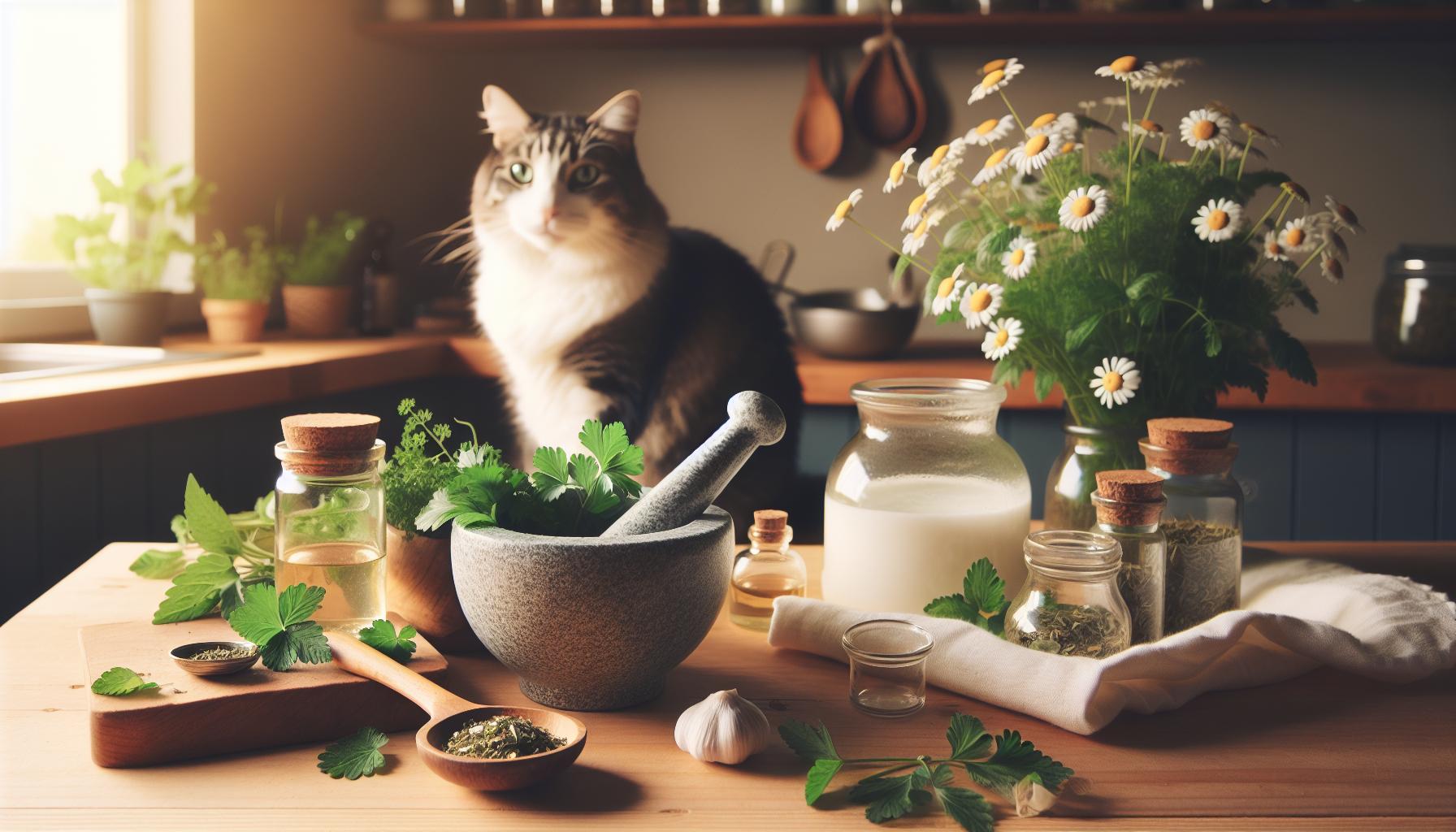
Natural remedies can play a supportive role in helping cats regain their balance during episodes of vestibular disease. These approaches can be both gentle and effective, providing ease alongside traditional veterinary care. It’s essential to consider that each cat is unique, so what works for one may not work for another. However, there are several holistic methods that many pet owners find beneficial.
One effective natural remedy is the use of ginger, known for its anti-nausea properties. Ginger can help settle an upset stomach that often accompanies vestibular issues. You can introduce ginger to your cat’s diet in small, grated fresh form or as a commercial supplement made specifically for pets. Start with a small amount to monitor for any adverse reactions.
In addition to ginger, essential fatty acids are essential in supporting overall neurological health. Fish oil supplements can help reduce inflammation and may improve brain function, contributing to better balance. When choosing a fish oil, ensure it’s specifically formulated for pets to avoid any potentially harmful additives.
Creating a comfortable and enriching environment is also crucial for your cat’s recovery. Low, stable platforms allow them to navigate their space safely without the risk of falling from heights. Encouraging gentle playtime with soft toys can stimulate their cognitive functions and improve muscle coordination, aiding recovery without overwhelming them.
Supportive herbal remedies like valerian root and chamomile can help soothe anxiety and promote relaxation. These can be offered as herbal teas (cooled) or in capsule form, ensuring you follow the advice of a veterinarian to determine safe dosages for your furry friend.
By integrating these natural remedies, you can create a nurturing atmosphere that empowers your cat as they navigate the challenges of vestibular disease. Always consult with your veterinarian before starting any new treatment to ensure it aligns with their specific health needs.
Herbal Solutions for Vestibular Disease: What Works?

Managing vestibular disease in cats can be a challenging experience, which is why many pet owners are exploring herbal solutions that may support balance and overall well-being. Herbal remedies can not only provide relief but also work in harmony with conventional treatments, promoting a holistic approach to care.
One highly regarded herb is ginger, known for its ability to alleviate nausea and vomiting, symptoms often associated with vestibular disease. You can introduce ginger to your cat’s diet by finely grating fresh ginger into their food or offering ginger supplements designed for pets. When doing this, it’s crucial to start with a small amount to see how your cat reacts, as some may have sensitivities.
Another effective option is chamomile, which is valued for its calming properties. Chamomile can help reduce anxiety which might arise from disorientation and instability. You can prepare a mild chamomile tea, allowing it to cool before offering it to your cat in a small bowl. Alternatively, chamomile is available in capsule form; just ensure the dosage is appropriate for your cat’s size and health status according to your veterinarian’s recommendations.
In addition to ginger and chamomile, valerian root also merits attention for its soothing effects. Valerian can help alleviate stress and promote relaxation during recovery. This herb can be offered as an infusion or in capsule form. Always consult your vet for the correct dosages and forms best suited for your feline friend.
Ultimately, the use of these herbal remedies can empower you to create a nurturing environment that supports your cat’s recovery from vestibular disease. By integrating gentle, natural solutions into their routine, you might see improvements in their comfort and stability. Remember to always check with your veterinarian before starting any new herbal treatments to ensure they align with your cat’s specific health needs and conditions.
Dietary Changes to Enhance Feline Balance
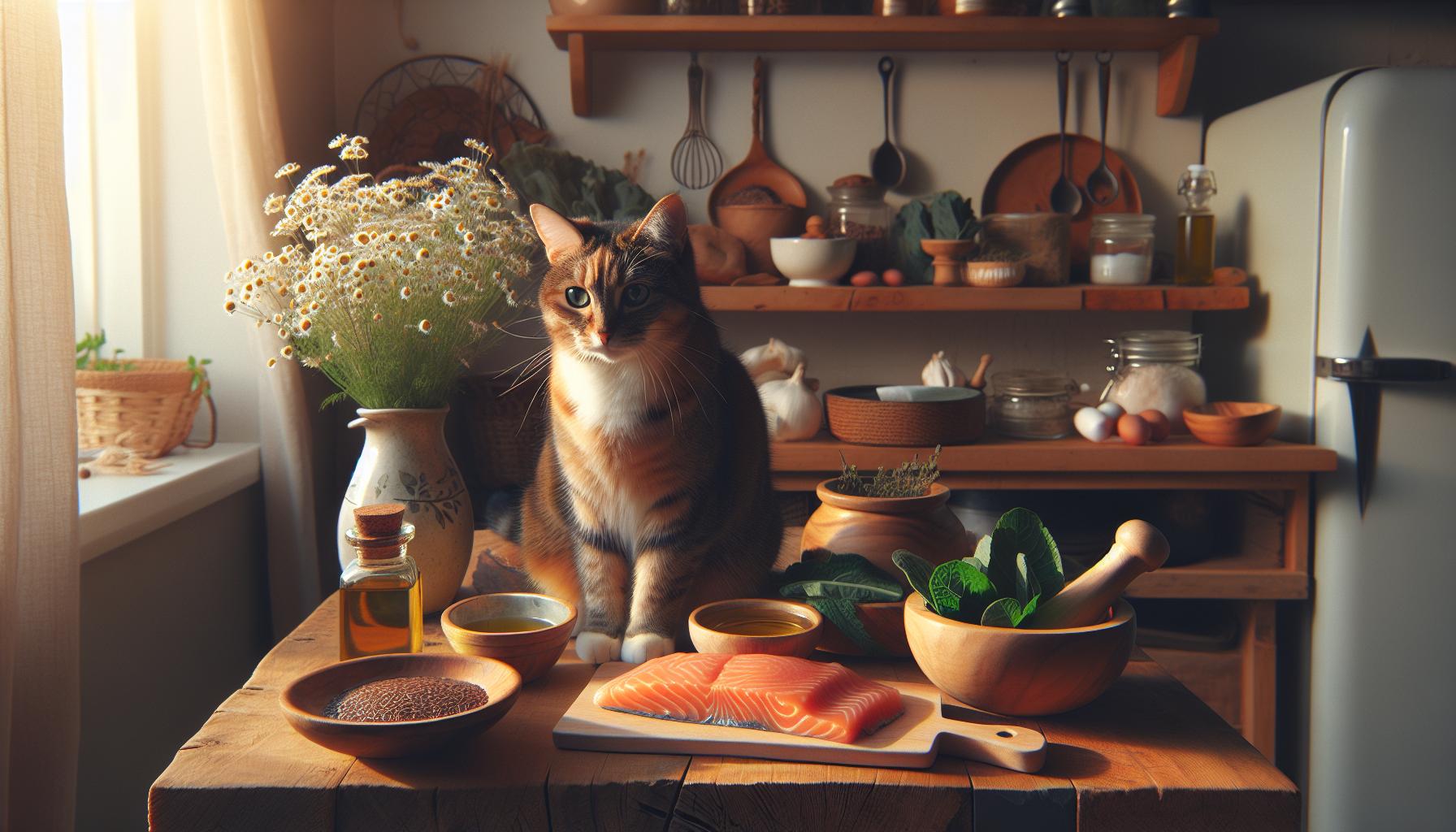
Maintaining a balanced diet is crucial for cats, especially those experiencing vestibular disease. Nutritional adjustments can significantly enhance your feline friend’s stability and overall well-being. Incorporating foods rich in essential fatty acids, proteins, and other nutrients will help support their neurological health and aid recovery from the disorientation associated with vestibular issues.
One effective way to enhance your cat’s balance is by including omega-3 fatty acids in their diet. These healthy fats are known for their anti-inflammatory properties and neuroprotective effects. You can provide omega-3s by adding a small amount of fish oil or flaxseed oil to their meals. Aim for about 1/4 teaspoon of oil for every 10 pounds of body weight, mixing it well into their food. Always consult your veterinarian to determine the appropriate amount based on your cat’s specific needs.
In addition to fatty acids, consider incorporating high-quality protein sources. Lean meats such as chicken, turkey, and fish are excellent options that provide the amino acids essential for overall health. These proteins can help maintain muscle mass and strength, which is vital for coordination and balance. Cook the meat thoroughly and offer it in small, easily digestible pieces.
Hydration also plays a crucial role in your cat’s recovery. Make sure they have constant access to fresh water, as proper hydration aids in overall health and helps mitigate the risk of dehydration during periods of instability. You might also consider adding wet or canned food to their diet, as these options usually contain higher moisture levels, which can encourage hydration while providing essential nutrients.
Lastly, integrating antioxidant-rich foods, such as blueberries and pumpkin, can support overall brain health. These fruits can be offered fresh or mixed into your cat’s food. Just ensure they are cut into manageable pieces to avoid choking hazards.
By making these dietary modifications, you not only support your cat’s balance but also contribute to their overall health and vitality, creating a nurturing environment that promotes recovery from vestibular disease.
Creating a Safe Environment for Your Cat
To help your feline friend feel more secure and stable while dealing with vestibular disease, creating a safe environment is essential. Cats are notorious for their curiosity, but when they’re experiencing balance issues, this curiosity can lead to accidents if their surroundings aren’t adapted. By modifying their space, you can ensure they navigate safely, promoting confidence and peace of mind as they recover.
Start by eliminating potential hazards in your home. Remove sharp objects, and securely store any loose items that could be knocked over. It’s also important to keep pathways clear of clutter, which can cause a cat to trip or stumble. Additionally, consider using non-slip mats on slippery surfaces, like tile or hardwood floors, to provide better traction. These simple adjustments can significantly reduce the risk of falls and help your cat move around comfortably.
Another vital aspect of creating a safe environment is providing accessible resting spots. Cats with vestibular issues may find it challenging to jump, so having low, soft surfaces for them to rest on can be very beneficial. Consider placing their bed on the floor or using sturdy, cushioned furniture designed for low access. Position water and food bowls close to these resting areas to ensure that your cat doesn’t have to exert too much effort when they need to eat or drink.
Finally, maintaining a calm atmosphere is crucial for a cat dealing with vestibular disease. Loud noises or sudden movements can startle them and exacerbate their symptoms. Create a quiet space where your cat can retreat when they need rest or comfort. Soft music or gentle sounds can also help soothe their nerves. By setting up this supportive environment, you empower your cat to navigate their recovery journey with more confidence and ease.
Exercises to Improve Coordination and Stability
Engaging in gentle exercises can significantly enhance your cat’s coordination and stability, especially as they navigate the challenges posed by vestibular disease. Just like in humans, regular movement helps to stimulate the vestibular system, which plays a key role in balance. By incorporating tailored activities into your cat’s routine, you can aid their recovery and help them regain confidence in their movements.
One simple approach is to incorporate target training. Use treats or your cat’s favorite toys to encourage them to follow your hand or an object across a perpendicular path. Start with small distances and gradually increase the distance as they become more stable. This exercise not only engages their mental faculties but also promotes physical movement without overwhelming them.
Another effective exercise is the ‘walking the line’ technique. You can create a simple balance beam by laying a sturdy board on the ground or using a low-profile cat tunnel. Encourage your cat to walk from one end to the other, rewarding them with treats or praise. This not only helps with their balance but also develops their muscle strength. Ensure the beam is stable and low to prevent any accidental falls.
Regular stretching routines can also be beneficial. Gently help your cat stretch by holding a small treat above their head to encourage them to rise and reach for it. You can also coax them to stretch sideways by placing a treat just out of reach to the side. These stretches can enhance flexibility and promote better posture, which is critical for improving their overall balance.
Lastly, don’t forget about playtime! Engaging with feather wands or laser pointers can motivate your cat to move, twist, and turn, providing a fun way to exercise while enhancing their coordination. Always monitor their energy levels and ensure that the activities remain gentle and enjoyable, as too much exertion can be counterproductive.
By integrating these exercises into your cat’s daily routine, you’ll not only support their physical recovery but also foster a sense of normalcy and happiness in their lives during this challenging time.
When to Consult a Veterinarian: Red Flags
Recognizing when your cat is facing a health challenge can be difficult, especially with conditions like vestibular disease, which may present with subtle signs initially. Be aware that while you might be tempted to manage mild symptoms at home, certain warning signs should prompt an immediate visit to the veterinarian. Understanding these red flags can make a significant difference in your cat’s health and recovery.
If you notice your cat displaying severe symptoms such as extreme disorientation, persistent head tilting, or a marked lack of coordination, it’s crucial to seek veterinary advice. Other concerning signs include vomiting, seizures, or changes in behavior, such as lethargy or aggression, which could indicate a more serious underlying condition. Pay attention to unusual eye movements, such as nystagmus (rapid, uncontrolled eye movements), which can accompany vestibular issues and warrant a professional evaluation.
Additionally, if your cat shows signs of dehydration – characterized by dry gums, excessive drooling, or refusal to eat or drink – it’s essential to consult a veterinarian promptly. Prolonged inappetence, especially in a cat already struggling with balance, can lead to further complications and more intensive treatment needs.
Here are some specific symptoms that should lead you to the vet without delay:
- Severe loss of balance or inability to stand without support
- Persistent or worsening symptoms despite home treatments
- Any signs of pain, such as vocalization or sensitivity to touch
- Signs of trauma or injury from falls
Being proactive about these red flags helps ensure your cat receives the appropriate care. Early interventions can not only alleviate suffering but can also enhance the effectiveness of any natural remedies and therapies you may choose to explore at home. Your role as a caring pet owner includes being a vigilant observer of your cat’s behavior and health, ensuring they receive the best possible support through any challenging times.
Homeopathic Treatments for Vestibular Issues
Homeopathy offers a gentle and supportive approach for managing vestibular issues in cats, focusing on the belief that the body can heal itself. Homeopathic remedies are derived from natural sources and aim to stimulate the body’s own healing mechanisms, making them a popular choice for caring pet owners seeking safe alternatives. While it’s essential to consult with a veterinarian before starting any new treatment, understanding a few commonly used homeopathic remedies can empower you to support your feline friend’s recovery.
One well-regarded remedy is Cocculus indicus, which may help alleviate symptoms of vertigo and nausea. If your cat experiences signs of dizziness or distress, especially during periods of increased motion, Cocculus can be beneficial. Another option is Ipecacuanha, which is particularly useful for cases involving vomiting or severe nausea, offering a soothing effect if your cat is uncomfortable.
Additionally, Arsenicum album can be a good fit for cats exhibiting restlessness, discomfort, or anxiety due to vestibular disturbances. If your cat displays a nervous demeanor along with balance issues, this remedy may help calm and stabilize them. Remember to administer these remedies in very small doses, typically in the form of pellets, powders, or liquid tinctures, and monitor your cat’s response.
For best results, consider consulting a trained homeopath or a veterinarian familiar with homeopathic treatments to tailor the approach to your cat’s specific symptoms and overall health profile. Additionally, combining homeopathic remedies with environmental modifications, such as providing a quiet, stable space, can enhance the overall treatment effectiveness. By being attentive to your cat’s needs and providing these natural remedies, you can take a proactive role in their health and wellbeing during challenging times.
Case Studies: Successful Home Remedy Stories
Sharing stories of pet owners who successfully used home remedies to support their cats with vestibular disease can be uplifting and encouraging for many facing similar challenges. One particularly inspiring case involved a cat named Bella, who began exhibiting signs of dizziness and uncoordination, such as stumbling and tilting her head. Bella’s owner decided to incorporate a natural remedy regimen alongside veterinary care. They began administering Cocculus indicus, which helped lessen Bella’s vertigo symptoms over time. Her owner also made a point to create a calm environment, eliminating noise and distractions, which allowed Bella to rest more peacefully. In just a few weeks, Bella’s confidence returned, and she was able to navigate her home with much greater ease.
Another compelling account features a senior cat named Leo, who experienced severe nausea accompanied by vestibular symptoms. Leo’s owner introduced Ipecacuanha to his treatment plan, as recommended by their holistic veterinarian. Within days, Leo showed marked improvement; not only did his vomiting decrease, but he also started to regain his appetite. His owner complemented this approach with a diet high in fiber and small, frequent meals that were easier for Leo to digest. Leo’s journey highlights the importance of both remedy and supportive dietary changes in strengthening a cat’s recovery.
In some cases, emotional support and environmental modifications have proven equally pivotal. A pet owner named Sarah lovingly described her cat, Max, who was initially withdrawn and anxious due to his vestibular issues. Sarah turned to Arsenicum album, which helped alleviate Max’s restlessness. She made sure to spend quality time with him, engaging him in gentle play and providing his favorite spots to lounge near sunny windows. The combination of this emotional support, the remedy, and a stable environment resulted in noticeable improvements in Max’s mood and overall well-being.
These stories illustrate the power of home remedies, combined with a compassionate approach to care. Each cat is unique, and what works for one might not work for another. However, these success stories serve as a reminder that with patience and the right natural support, many cats can find relief from the challenges of vestibular disease, helping them lead happier, healthier lives. Always consult with a veterinarian when integrating new treatments to ensure the best outcomes for your feline friend.
Preventive Measures for Vestibular Disease in Cats
Taking proactive steps can significantly reduce the risk of vestibular disease in cats, which can devastate their quality of life. Understanding preventative measures allows pet owners to create an environment that minimizes health risks and supports their feline companions’ well-being. By taking a holistic approach that combines diet, lifestyle, and environmental considerations, you can help chart a path toward better balance and health for your cat.
Nutritional Support
A well-balanced diet plays a critical role in supporting overall health and preventing vestibular issues. Incorporate high-quality, nutritionally rich food that contains essential fatty acids, particularly omega-3s, which have anti-inflammatory properties and promote brain health. Consider adding supplements, such as fish oil or flaxseed oil, after consulting your veterinarian. Additionally, ensure your cat stays hydrated, as dehydration can exacerbate dizziness and balance problems. Here are some dietary tips:
- Choose premium cat food with real meat as the first ingredient.
- Include sources of omega-3 fatty acids, like salmon or sardines.
- Incorporate electrolyte-rich foods to maintain hydration levels.
Safe Living Environment
Creating a safe living space is vital for a cat prone to vestibular issues. Keep your home free from hazards that could lead to falls or injuries. Consider the following modifications:
- Remove clutter from walking paths and ensure that furniture is stable.
- Install ramps or soft landings in elevated spaces and stairways.
- Provide comfortable resting areas in low-traffic zones where your cat can retreat and feel secure.
Regular Veterinary Care
Routine veterinary check-ups are essential for catching any health issues early. Schedule annual wellness exams and vaccinations to keep your cat in top condition. Discuss any concerns with your vet and consider regular screening for older cats, as they may be more prone to vestibular diseases. Early intervention can make all the difference in effectively managing or preventing these conditions.
Exercise and Mental Stimulation
Encouraging regular physical activity and mental stimulation enhances your cat’s coordination and cognitive function, both of which are protective against vestibular disturbances. Engage your cat in daily play sessions with interactive toys and provide scratching posts or climbing structures to promote physical activity. Puzzle feeders can stimulate your cat’s mind, reducing anxiety and enhancing overall well-being.
By integrating these preventive measures into your cat’s routine, you’ll not only help support their balance naturally but also foster a happier and healthier feline companion. Small changes can lead to significant improvements in their quality of life, so take the time to assess and adapt your care approach. Your commitment to your cat’s health and happiness will create a positive environment, laying the groundwork for a vibrant and joyful life.
Emotional Support for Cats with Vestibular Disease
Many cat owners may not realize that emotional support plays a crucial role in the recovery of pets suffering from vestibular disease. Cats are incredibly sensitive to their environments, and their emotional well-being directly impacts their physical health. When faced with balance issues, a cat can become frightened or anxious, which might exacerbate their condition. Therefore, creating a nurturing and supportive atmosphere is vital for their healing process.
One effective way to provide emotional support is through consistent gentle interaction. Spend quality time with your cat, allowing them to come to you for reassurance. You might try sitting on the floor with them or offering a cozy lap for them to rest on. Soft, soothing words and gentle petting can help instill a sense of safety and calm. Cats respond positively to familiar sounds and scents, so consider playing their favorite music or using a familiar blanket to enhance their comfort levels.
Additionally, establishing a familiar routine can greatly alleviate anxiety. Cats thrive on predictability. Feeding them at the same times each day, maintaining a regular play schedule, and ensuring their environment remains consistent will help them feel more secure as they navigate their balance challenges. Even simple rituals, like having a specific time for cuddles or quiet time, can strengthen your bond and reassure them that they are safe.
Providing a sanctuary-like space can also be beneficial. Designate a quiet area in your home where your cat can retreat when they’re feeling overwhelmed. This space should include their favorite toys, a comfortable bed, and access to fresh water. Consider minimizing loud noises or disruptions in this area to promote relaxation. If your cat is particularly stressed, you might explore calming products like pheromone diffusers or sprays, which mimic natural cat pheromones and can help reduce anxiety.
By prioritizing emotional support, you empower your cat to cope better with their vestibular disease. Your love and attention can significantly enhance their overall well-being, making it easier for them to engage with their surroundings and participate in recovery. Remember, fostering a warm and loving atmosphere is just as important as any physical care you provide.
FAQ
Q: What is vestibular disease in cats?
A: Vestibular disease in cats is a condition affecting their balance and coordination, often characterized by symptoms such as head tilting, unsteady gait, and disorientation. Understanding these symptoms is crucial for timely intervention and support [[Article Section: Understanding Vestibular Disease in Cats: Signs and Symptoms]].
Q: How can natural remedies help with vestibular disease in cats?
A: Natural remedies can support a cat’s balance and overall well-being. Herbal solutions and dietary changes, along with a safe environment, promote recovery and help manage symptoms. Incorporating gentle exercises can also enhance coordination [[Article Sections: Natural Remedies to Support Balance in Cats, Dietary Changes to Enhance Feline Balance]].
Q: What dietary changes can improve my cat’s balance?
A: Providing a balanced diet rich in omega-3 fatty acids, like fish oil, can enhance brain and nerve function, potentially aiding in recovery from vestibular issues. Always consult your veterinarian before making significant dietary changes [[Article Section: Dietary Changes to Enhance Feline Balance]].
Q: What are effective exercises for cats with vestibular disease?
A: Simple exercises like encouraging your cat to walk through a narrow space or using toys to promote movement can improve coordination. Always monitor your cat’s comfort level and consult your vet for tailored exercises [[Article Section: Exercises to Improve Coordination and Stability]].
Q: How can I create a safe environment for my cat with vestibular disease?
A: To create a safe environment, remove obstacles and secure areas where your cat may fall. Use non-slip mats and ensure food and water are easily accessible. Consider lowering furniture to prevent injury [[Article Section: Creating a Safe Environment for Your Cat]].
Q: When should I consult a veterinarian for vestibular disease in my cat?
A: Consult a veterinarian if your cat exhibits severe symptoms, such as inability to stand, excessive vomiting, or if symptoms worsen. Early intervention can lead to better outcomes [[Article Section: When to Consult a Veterinarian: Red Flags]].
Q: What homeopathic treatments are available for vestibular issues in cats?
A: Homeopathic treatments for vestibular issues may include remedies like Cocculus or China, which can support balance and reduce dizziness. Always consult with a holistic vet before starting any remedy [[Article Section: Homeopathic Treatments for Vestibular Issues]].
Q: How can I provide emotional support to my cat with vestibular disease?
A: Providing emotional support includes maintaining a calm environment, spending quality time with your cat, and engaging them in gentle play. This can help reduce anxiety and promote recovery [[Article Section: Emotional Support for Cats with Vestibular Disease]].
These FAQs serve to enhance knowledge on home remedies for cats with vestibular disease, guiding pet owners toward natural and effective support strategies. For more detailed insights, refer to the respective sections of the main article.
The Conclusion
Support your cat’s balance and well-being with natural home remedies for vestibular disease. By integrating simple ingredients and practices discussed, you can help stabilize their condition and improve their quality of life. Don’t wait to take action-your furry friend deserves immediate care and attention to promote recovery.
For more guidance on holistic pet health, check out our articles on natural remedies for common pet ailments, and learn how to create a balanced diet for your feline companion. If you have questions or want personalized advice, consider signing up for our newsletter for expert tips delivered straight to your inbox.
Join our community of pet lovers and share your experiences in the comments below. Your journey can inspire others, so let’s continue this conversation and explore additional resources together. Remember, with dedication and love, you can support your cat’s health naturally and confidently!


