


Did you know that ear infections are one of the most common issues affecting dogs? If your furry friend is shaking their head, scratching their ears, or seems uncomfortable, it could be a sign of an infection. The good news is that you don’t always need harsh chemicals or vet visits to help soothe their discomfort.
Exploring gentle, natural remedies can provide effective relief while promoting healing. Not only can these remedies ease your dog’s symptoms, but they can also empower you as a pet owner to take charge of your dog’s health in a nurturing way. In this guide, you’ll discover simple, safe, and proven methods to care for your dog’s ears using ingredients you likely have at home. Your pup deserves comfort, and with the right knowledge, you can help them feel better quickly and naturally. Let’s dive into the effective home remedies that can bring your dog relief from ear infections!
Home Remedies You Can Use for Dog Ear Infections
The discomfort caused by ear infections in dogs can be distressing for both pets and their owners, but many effective home remedies can provide gentle relief without resorting to harsh chemicals. By using natural solutions, you can support your dog’s healing process in a safe and caring manner.
One common and effective remedy involves the use of apple cider vinegar. Its natural antifungal and antibacterial properties help to combat pathogens in the ear while also restoring pH balance. To use this, mix equal parts of apple cider vinegar and water, and apply a few drops into the affected ear using a dropper. Gently massage the base of the ear to ensure the solution coats the ear canal, and then let your dog shake their head to expel any excess liquid.
Another soothing option is coconut oil. This natural moisturizer can help soothe irritated skin and has antifungal properties. Simply warm a small amount until it becomes liquid, then apply a few drops to the ear. This can help soothe inflammation and itching while also providing hydration to the ear canal.
Chamomile tea is also known for its anti-inflammatory properties. To use chamomile, brew a strong tea, allow it to cool, and then use a dropper to apply a few drops into the ear. This can help calm irritation and redness.
In addition to these remedies, maintaining good ear hygiene is crucial. Regularly checking and cleaning your dog’s ears can prevent infections from occurring. If you notice any unusual symptoms in addition to ear discomfort, it’s always wise to consult your veterinarian for further guidance and care.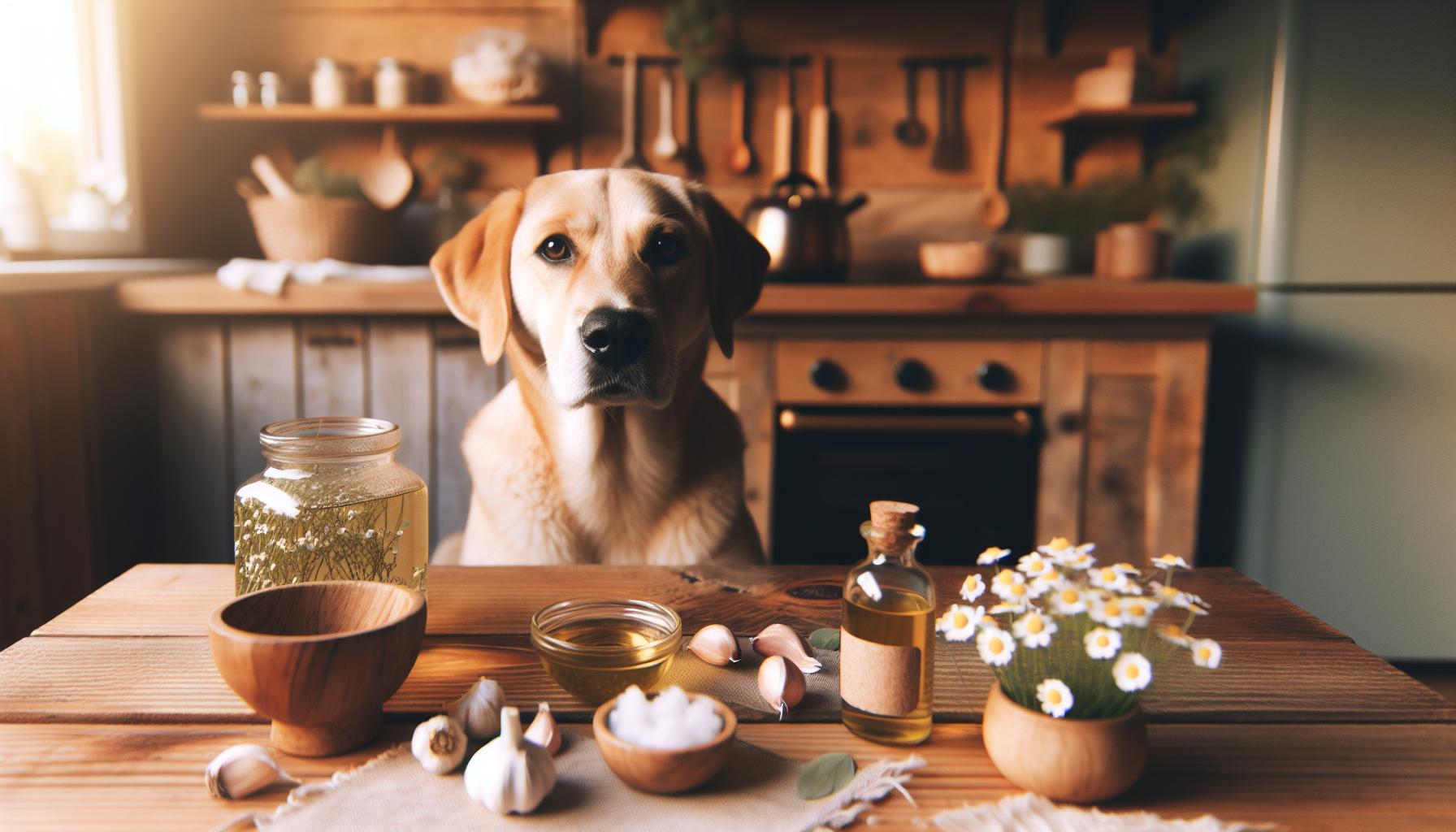
Understanding Symptoms of Ear Infections in Dogs
Ear infections in dogs can often go unnoticed until they become uncomfortable or painful, making it crucial for pet owners to be aware of the signs. Recognizing the symptoms early can help alleviate discomfort and lead to effective treatment using safe, natural remedies. One of the most common indicators is a change in behavior; dogs may start scratching at their ears, shaking their heads frequently, or showing an aversion to having their ears touched.
Another key symptom is the appearance of the ears themselves. If you notice redness, swelling, or an unusual odor emanating from your dog’s ears, these can be strong indicators of an infection. Additionally, discharge may be present, which can vary in color-from clear to yellowish or brown-each suggesting different underlying issues. Dogs might also express discomfort by whining, whimpering, or even pacing restlessly when they are unable to find a comfortable position.
Pay attention to your dog’s grooming habits as well. An increase in ear-cleaning activities or a consistent pawing at the ears might signal irritation. Moreover, changes in ear temperature-feeling unusually warm to the touch-can be another alarming sign. Regular observations can make a world of difference, as early detection can lead to simple treatments at home, like those employing natural ingredients such as apple cider vinegar or coconut oil, offering gentle relief without the harshness of chemicals.
If these symptoms persist or worsen, seeking veterinary assistance is essential. Your vet can provide a proper diagnosis and guidance on further treatments, ensuring your furry friend recovers swiftly and comfortably.
Natural Ingredients for Gentle Ear Relief
The journey to soothe a dog’s ear discomfort can often begin with simple ingredients found in your home. Many natural remedies have been praised for their gentle yet effective properties in alleviating symptoms associated with ear infections. Using natural ingredients not only provides relief without chemicals but also ensures that your furry friend stays safe and comfortable. Here are some beneficial options to consider.
Apple Cider Vinegar
Apple cider vinegar (ACV) is a fantastic solution due to its antifungal and antibacterial properties. It can help restore the pH balance in your dog’s ears and combat harmful bacteria. To use ACV as a remedy, mix equal parts of raw, organic apple cider vinegar and water. Using a cotton ball, gently apply the mixture to your dog’s ear, avoiding deep penetration into the ear canal. After application, allow your dog to shake its head, which will help dislodge any debris.
Coconut Oil
Another precious ingredient is coconut oil, which is lauded for its soothing and moisturizing properties. Its medium-chain fatty acids have natural antifungal and antibacterial effects, making it an excellent choice for treating ear infections. To apply, melt a small amount of coconut oil and use a dropper to place a few drops into the affected ear. Gently massage the base of the ear to ensure it works its way into the canal. This not only alleviates discomfort but also provides a moisturizing barrier.
Olive Oil
Olive oil is exceptionally beneficial in softening any ear wax buildup and flushing out debris. It can help soothe irritation as well. Warm a small quantity of olive oil (ensure it is lukewarm, not hot), then using a dropper, place a couple of drops in your dog’s ear. This will aid in relaxation and comfort while preparing the ear for further cleaning if necessary.
Chamomile Tea
Chamomile is well known for its calming effects, and it can also work wonders for your dog’s ears. Brew a strong chamomile tea, let it cool, and then use a cotton ball to apply it to the interior of your dog’s ear. The anti-inflammatory properties can ease any swelling and discomfort, promoting healing while giving your dog the comfort it deserves.
These natural ingredients can be powerful allies in managing ear discomfort for dogs. However, it’s essential to use them with caution and monitor your dog’s reaction. Each pet may respond differently, and while natural remedies are gentle, they can also vary in effectiveness. Always consult a veterinarian if symptoms persist or worsen, ensuring your furry friend receives the professional care they need.
Step-by-Step Guide: Making Your Own Ear Treatment
Creating your own ear treatment for your dog can be both a rewarding and effective way to manage ear infections. By utilizing natural ingredients, you can provide gentle relief without resorting to harsh chemicals. Below is a straightforward guide to help you prepare an ear treatment at home, ensuring your furry friend receives care tailored to their needs.
Start by gathering the necessary ingredients and tools. For a basic ear treatment, you will need:
- Apple Cider Vinegar – Known for its antifungal and antibacterial properties.
- Water – To dilute the vinegar.
- Dropper or Cotton Balls – For application.
- Coconut Oil (optional) – To soothe and moisturize.
Step 1: Prepare the Apple Cider Vinegar Solution
Mix equal parts of raw, organic apple cider vinegar and water. For instance, if you use 1 tablespoon of vinegar, combine it with 1 tablespoon of water. This diluted solution helps restore pH balance while preventing irritation that might occur with undiluted vinegar.
Step 2: Application
Use a dropper or a cotton ball to apply the solution to your dog’s ear. If using a dropper, place 1-2 drops into the ear canal while holding your dog’s ear upright. If using a cotton ball, gently soak it in the solution and apply it to the outer ear, avoiding deep penetration into the ear canal. Allow your dog to shake its head afterward; this motion can help dislodge any debris and ensure the solution reaches deeper areas.
Step 3: Optional Coconut Oil Treatment
If you choose to use coconut oil, warm it slightly until it is just melted (not hot) and apply a few drops into the ear after the vinegar solution. Gently massage the base of the ear to help the oil penetrate and offer soothing relief.
Step 4: Monitor and Adjust
After the treatment, keep an eye on your dog’s condition. Check for any signs of discomfort or adverse reactions. If the symptoms persist or worsen, consult with a veterinarian for further assistance. It’s crucial to ensure your dog is comfortable and that the treatments are effective.
With these steps, you can feel empowered to manage your dog’s ear discomfort naturally. Always remember to approach home remedies with care, maintaining a close watch on your pet’s response to the treatment.
How to Safely Administer Ear Drops to Your Dog
Administering ear drops to your dog may seem daunting, but with the right approach, it can be a straightforward and stress-free experience for both of you. Dogs often find the sound of droplets unsettling, so creating a calm environment is essential. Start by choosing a quiet space where your pet feels comfortable. You might want to have a friend or family member nearby to help hold your dog securely if they tend to wiggle or squirm.
Before applying the drops, ensure that the bottle is at room temperature. Cold medications can be uncomfortable for your dog. Hold your dog’s head steady and gently pull back the ear flap to expose the ear canal. This maneuver makes it easier for you to apply the drops accurately. Aim to administer 1-2 drops directly into the ear canal without letting the dropper tip touch your dog’s ear to maintain cleanliness. This can help avoid any contamination or discomfort.
After applying the ear drops, give your dog the opportunity to shake their head. This natural instinct can help distribute the medication throughout the ear canal and ensure that it reaches deeper areas. A gentle massage at the base of the ear can also encourage proper distribution of the drops. It’s important to reward your furry friend with affection or a treat afterward, reinforcing the idea that this is a positive experience.
Always monitor your dog’s reaction closely for any signs of discomfort or adverse effects. If your dog seems agitated or the symptoms persist despite treatment, it’s best to consult your veterinarian. Regular ear cleaning and checking can prevent infections before they escalate, ensuring your dog’s ears remain healthy and happy.
Preventative Care: Keeping Your Dog’s Ears Healthy
To maintain your dog’s ear health, regular preventive care is key. Just like humans, dogs can develop ear issues if their ears are neglected. A simple routine that incorporates ear cleaning and monitoring can significantly reduce the risk of infections and keep your furry friend comfortable.
Begin with routine checks of your dog’s ears. Look for signs of redness, swelling, or any foul odors. Ideally, incorporate this into your grooming routine every time you brush your dog. If your dog has floppy ears, they may be more prone to moisture retention and wax buildup, making them susceptible to infections. Be sure to pay extra attention to these areas.
Cleaning your dog’s ears is an essential part of preventive care. You can create a gentle yet effective ear cleaner at home using natural ingredients. For a DIY solution, mix equal parts of distilled water and apple cider vinegar. Use a cotton ball to gently wipe the visible parts of the ear without going deep into the ear canal. This will help remove dirt and excess wax. Ensure you do this once every couple of weeks (or more frequently if your dog is prone to ear issues) to maintain ear health without the use of harsh chemicals.
Additionally, consider your dog’s diet as it plays a pivotal role in overall health, including ear health. Include foods rich in omega-3 fatty acids, which can help reduce inflammation. Whole foods, like salmon and flaxseed oil, can nourish your dog from the inside out.
Lastly, stay aware of your dog’s environment. If your dog enjoys swimming, ensure you dry and clean their ears promptly after water exposure to prevent moisture buildup. Providing regular grooming, a healthy diet, and a watchful eye can greatly enhance your dog’s ear health and overall well-being.
When to Seek Veterinary Help for Ear Infections
Recognizing when to seek veterinary help for your dog’s ear infection is crucial to ensure swift and effective treatment. While home remedies can offer gentle relief, certain signs indicate that professional intervention is necessary. If you notice your dog exhibiting persistent discomfort, refusing to let you touch their ears, or displaying severe symptoms such as intense scratching or shaking of the head, it’s time to consult a veterinarian. These can be signs of a more severe infection or underlying issues that require medical attention.
Additional warning signs include discolored discharge from the ear, an unpleasant odor, swelling, or any bleeding. These symptoms can suggest a bacterial or yeast infection that may not respond to natural remedies alone. Furthermore, if your dog is showing signs of distress, such as excessive whining or lethargy, it’s crucial to act promptly. Dogs can be remarkably resilient, but they often hide their pain until it’s severe, so don’t rely solely on your dog’s behavior as an indicator of their condition.
Regular veterinary check-ups are also advisable, especially for breeds prone to ear issues. During these visits, your vet can perform thorough examinations and provide guidance on preventative care tailored to your dog’s specific needs. Always prioritize your pet’s health; if at any point you feel unsure about managing their symptoms effectively at home, reaching out for professional help is the best course of action to ensure your furry friend’s well-being.
Common Myths About Dog Ear Infections Debunked
Misunderstandings about dog ear infections are widespread, and dispelling these myths can help pet owners provide more effective care for their furry companions. One common misconception is that ear infections are a minor concern that can be treated solely with over-the-counter products available in pet stores. While some of these products may help with mild cases, it’s crucial to recognize that ear infections often have underlying causes that require proper diagnosis and treatment from a veterinarian. Ignoring symptoms or relying solely on store-bought remedies can lead to complications and a worsening of the condition.
Another prevalent myth is that all ear infections are caused by dirt or lack of hygiene. While cleanliness does play a role in ear health, ear infections can also stem from allergies, hormonal imbalances, or even foreign objects lodged in the ear canal. Thus, simply cleaning your dog’s ears frequently may not prevent infections if these underlying issues are present. Regular check-ups with the vet can help identify any potential problems before they escalate.
Furthermore, many dog owners believe that home remedies, like vinegar or alcohol, are effective treatments for ear infections. However, these substances can irritate the sensitive skin within the ear canal, potentially worsening the situation. Instead, consider gentler alternatives, such as a solution made from a mixture of warm water and coconut oil, which can soothe inflammation and support healing. Adopting a holistic approach that focuses on gentle, natural remedies while remaining vigilant about the symptoms will provide better outcomes for your dog’s ear health.
Ultimately, knowing the facts about dog ear infections allows owners to take proactive steps. Invest time in understanding your pet’s ear health and remain alert to any changes. Combining preventative care with informed choices about treatment will empower you in your quest to keep your furry friend healthy and happy.
Exploring Dietary Changes for Ear Health
Diet plays an essential role in maintaining the overall health of dogs, and it significantly impacts their ear health as well. A balanced, nutrient-rich diet can help bolster your dog’s immune system, potentially reducing the frequency and severity of ear infections. Certain dietary adjustments can support your dog’s natural defenses, encourage proper pH levels in their body, and prevent conditions conducive to infection.
To start, consider incorporating fatty acids into your dog’s meals. Ingredients such as salmon oil or flaxseed oil are excellent sources of omega-3 fatty acids, which help reduce inflammation and support skin health. These fats also promote healthy coat and skin conditions, which can lessen the likelihood of allergies that lead to ear infections. Aim for a diet that includes these beneficial oils, as they not only enhance your dog’s skin but also keep their ears healthy.
Probiotics can also be a game changer. These beneficial bacteria support gut health and strengthen the immune response. Adding probiotic-rich foods, like plain yogurt (in moderation) or specific canine probiotic supplements, can help maintain a healthy balance of bacteria in your dog’s system. This balance often translates to reduced occurrences of common health issues, including ear infections, as a stronger immune system is better equipped to fend off potential pathogens.
It’s also important to steer clear of allergens. Many dogs suffer from food sensitivities that can lead to skin irritations and subsequent ear issues. Pay attention to your dog’s reactions to certain foods, such as grain or specific proteins. Transitioning to a hypoallergenic diet or grain-free options can help mitigate allergic reactions and keep their skin and ears in better shape.
Incorporating a variety of fresh fruits and vegetables can provide vitamins and minerals that support overall health. Carrots, blueberries, and sweet potatoes are not only healthy treats but also offer antioxidants that promote immune function. Always introduce new foods gradually and ensure they are safe and suitable for your dog’s diet.
Lastly, hydration is key. Always provide fresh water to keep your dog well-hydrated, as proper hydration aids in overall bodily functions and helps maintain a healthy skin barrier. A healthy and balanced diet, complemented by adequate water intake, can be an invaluable part of your dog’s ear health regimen, helping them to thrive and ward off infections more effectively.
Additional Home Remedies for Dog Comfort
When faced with the discomfort of ear infections, dogs often require extra love and care from their owners. There are several natural home remedies that can provide soothing relief without resorting to harsh chemicals. Many pet owners find that simple, gentle ingredients can do wonders in alleviating the pain and irritation associated with ear infections, allowing our furry friends to feel more at ease.
One effective remedy involves using a blend of warm olive oil and a few drops of apple cider vinegar. The olive oil helps to soothe and moisturize the ear canal, while apple cider vinegar can aid in combating yeast and bacteria due to its natural antifungal and antibacterial properties. To prepare this remedy, simply warm a small amount of olive oil (make sure it’s lukewarm, not hot), mix in one or two drops of apple cider vinegar, and use a dropper to gently apply a few drops into your dog’s ear. Massage the base of the ear gently to help the mixture reach further into the canal. Make sure to perform this in a calm environment, as a relaxed dog will facilitate the application process.
Another wonderful option is to create a chamomile tea rinse. Chamomile is known for its anti-inflammatory and calming properties, making it an excellent choice for irritated ears. To make this rinse, steep a chamomile tea bag in hot water and let it cool completely. Once it has cooled, you can use a dropper to apply the tea into your dog’s ear. This rinse not only helps with inflammation but also offers a comforting aroma that may help soothe your pet.
You may also find relief through a simple mixture of baking soda and water, which can assist in alleviating itching. Create a paste with a small amount of baking soda and water, applying it sparingly just around the outer ear. This can help neutralize any itching sensations and help your dog feel more comfortable. Just be cautious not to get the paste deep inside the ear canal.
By integrating these gentle home remedies into your dog’s care routine, you can provide them with safe and effective comfort. Always monitor your dog for any signs of worsening symptoms or discomfort after application. If the ear infection does not improve, or if it appears to worsen, don’t hesitate to seek veterinary advice for further evaluation and treatment.
Holistic Approaches to Dog Ear Care
Dogs, like humans, can benefit immensely from a holistic approach to their health, especially when it comes to ear care. Exploring natural remedies not only alleviates discomfort but also promotes overall well-being. Integrating holistic methods can provide your furry friend with safe and effective relief from ear infections, laying the groundwork for long-term ear health.
One effective holistic practice is using essential oils. Oils such as tea tree oil and lavender possess natural antibacterial and soothing properties. To use, dilute a few drops of essential oil in a carrier oil, like coconut oil, and gently apply it to the outer ear. Remember, essential oils are potent; always ensure they are safe for dogs and properly diluted to prevent irritation.
In addition to topical treatments, consider the role of nutrition in your dog’s ear health. A diet rich in omega-3 fatty acids, found in fish oil, can improve skin and coat health, thus reducing the chances of ear infections. Supplementing your dog’s food with fish oil or including omega-3-rich foods can make a noticeable difference. Furthermore, maintaining optimal gut health with probiotics is crucial, as a healthy digestive system can aid in reducing inflammatory responses that may trigger ear problems.
Lastly, regular ear cleaning is key to preventing infections. Instead of harsh chemicals, opt for gentle, natural cleaners. Mix equal parts of white vinegar and distilled water to create a cleanser that helps maintain ear hygiene. The acetic acid in vinegar is effective at combating bacteria and fungus without causing harm.
By embracing these holistic approaches, you can empower your dog with the comfort they deserve while promoting a healthier lifestyle. Regularly assess their ear condition, involve gentle cleaning practices, and consult with your veterinarian on dietary choices to ensure the best for your canine companion.
Tips for Managing Recurring Ear Infections
Managing recurring ear infections in dogs can feel like a daunting challenge, but with the right approach, you can provide your furry friend lasting relief. Many dogs suffer from chronic ear issues due to factors like allergies, environmental irritants, or moisture buildup. By incorporating consistent care practices and natural remedies into your routine, you can help mitigate these uncomfortable infections.
To start, it’s essential to establish a regular ear cleaning routine. Utilizing a gentle, natural cleaning solution can keep your dog’s ears free from debris and reduce the chances of infection. One effective recipe includes mixing equal parts of distilled water and white vinegar. The acetic acid in vinegar helps fight bacteria and yeast without harsh chemicals. Use a cotton ball soaked in the solution to clean the outer ear gently, being careful not to insert anything deep into the ear canal.
Next, consider dietary adjustments that support ear health. A diet rich in omega-3 fatty acids, such as those found in fish oil, can enhance skin and coat condition, reducing allergens that may cause ear issues. Adding high-quality probiotics can also promote a healthy gut, which plays a significant role in your dog’s overall immune system. These dietary changes, combined with high-quality kibble, can pave the way for fewer infections and better health overall.
Regularly check for environmental triggers that may contribute to ear infections. Dust, mold, and pollens can aggravate your dog’s ears. Keeping your home clean, washing your dog’s bedding regularly, and even using air purifiers can help maintain a healthy environment. Additionally, observe your dog for any signs of allergies and consult your vet about potential food sensitivities or environmental triggers.
Lastly, give your dog a good bath with gentle, dog-safe shampoos that maintain skin health and don’t irritate the ears. After bathing, ensure their ears are thoroughly dried, as moisture is a common culprit for ear infections. By combining these preventive measures with routine ear hygiene, you’ll reduce the likelihood of recurrent infections and provide your pet with a more comfortable and healthier life.
Faq
Q: What natural remedies can help soothe a dog’s ear infection?
A: Natural remedies like apple cider vinegar, witch hazel, and coconut oil can provide soothing relief for ear infections in dogs. Mix equal parts of apple cider vinegar and water, and use it as a gentle rinse. Always test a small area first and consult your vet.
Q: How can I tell if my dog has an ear infection?
A: Common signs of ear infections in dogs include excessive scratching at the ear, shaking their head, redness or swelling in the ear canal, and an unpleasant odor. If you notice these symptoms, it’s important to investigate further or seek veterinary advice.
Q: Is there a way to prevent ear infections in dogs?
A: Yes, regular ear cleaning using a vet-recommended solution and keeping your dog’s ears dry after baths or swimming can help prevent infections. Additionally, routine checks for debris and moisture contribute to ear health and can significantly reduce risks.
Q: Are there any risks with using home remedies for ear infections?
A: While many home remedies can be safe, incorrect usage or ingredients can worsen the infection or cause irritation. Always consult with a veterinarian before starting any home treatment, especially if your dog shows severe symptoms.
Q: When is it necessary to see a veterinarian for a dog’s ear infection?
A: You should see a veterinarian if your dog’s ear infection persists for more than a few days, shows severe pain, or if there are signs of fever or swelling. Prompt veterinary care can prevent serious complications.
Q: Can I use essential oils to treat my dog’s ear infection?
A: Some essential oils, like lavender or tea tree oil, can be soothing, but they must be diluted properly. Improper use can be harmful to dogs. Always consult your veterinarian before applying any essential oils to ensure safety.
Q: How can diet affect my dog’s ear health?
A: Certain diets can influence ear health by reducing skin allergies and inflammation. Feeding a balanced diet rich in Omega-3 fatty acids may help strengthen your dog’s immune system and improve their overall ear health.
Q: What should I do if my dog scratches their ears excessively?
A: Excessive scratching can indicate an ear infection or allergies. Check for any visible signs of irritation and gently clean the ears. If scratching continues or other symptoms appear, consult your veterinarian for proper diagnosis and treatment recommendations.
Final Thoughts
Thank you for exploring our guide on providing gentle relief for your dog’s ear infection with natural remedies. Remember, using simple ingredients you likely have at home can lead to significant improvements without the use of harsh chemicals. If you found this information helpful, don’t hesitate to check out our articles on “Natural Remedies for Common Dog Health Issues” and “How to Recognize and Treat Your Dog’s Ear Problems”.
As you take these first steps towards helping your furry friend, we encourage you to subscribe to our newsletter for more tips, exclusive guides, and personalized recommendations. Your pet’s health is priceless, and we’re here to support you every step of the way.
Have questions or experiences to share? Join the conversation in the comments below! Your insights could help others on their pet care journey. Together, we can ensure our pets live happy, healthy lives!


