


Is your furry friend experiencing an upset stomach? You’re not alone-many dog owners face this common issue that can leave pets feeling uncomfortable and us feeling helpless. Fortunately, there are effective home remedies to soothe sensitive tummies and help restore their comfort.
Understanding your dog’s discomfort is crucial. An upset stomach can stem from various factors, including dietary changes or anxiety. The good news is that with natural ingredients and simple methods, you can provide gentle relief without harsh chemicals or expensive vet visits.
In this article, we’ll explore tried-and-true home remedies specifically designed for dogs with upset stomachs. By equipping yourself with these natural solutions, you can feel empowered to care for your pet’s health and well-being, allowing them to bounce back to their playful selves in no time. Let’s dive in and discover how to help your canine companion feel better!
Home Remedies to Soothe Dog Tummy Troubles
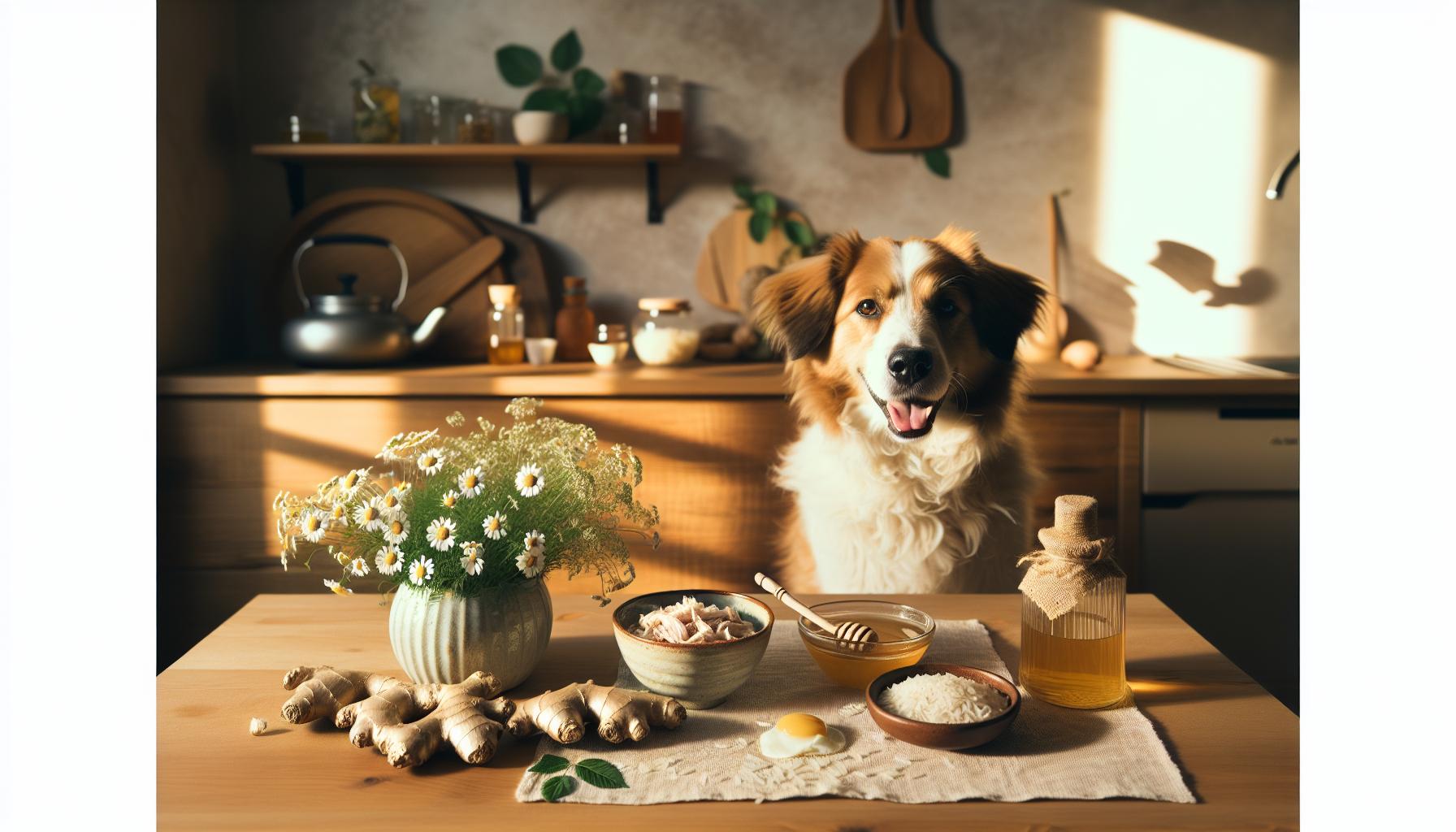
A dog’s tummy troubles can be distressing, both for the pet and their owner. Fortunately, many natural remedies can provide gentle relief for a furry friend’s upset stomach. These remedies are often made from ingredients you likely have at home and can help soothe minor digestive issues. Before trying any home remedies, keep a close eye on your dog’s symptoms to ensure they’re not part of a more serious condition.
One of the simplest remedies is a bland diet, often recommended to calm an upset stomach. You can prepare a mix of plain, boiled white rice with skinless, boiled chicken, ensuring no spices or seasoning are added. Offer small portions multiple times a day to allow your dog’s stomach to settle. Additionally, some pet owners have found success with pumpkin puree, which is rich in fiber and can aid digestion. Just make sure to use pure pumpkin (not the spiced pie filling) to avoid any harmful additives.
For hydration, homemade electrolyte solutions can be helpful. Mix water with a pinch of salt and sugar to replenish lost fluids. You can also offer low-sodium chicken broth to encourage your dog to drink more, providing vitamins and nutrients while still being gentle on their stomach.
Lastly, consider incorporating ginger into your dog’s diet. This natural anti-nausea herb can come in the form of ginger tea or small amounts of grated ginger added to their meals. Always start with small quantities to see how your dog reacts, keeping in mind that not all remedies are suitable for every dog.
With patience and the right approach, you can help soothe your dog’s tummy troubles from the comfort of home, promoting a faster recovery and ensuring your beloved companion feels better soon.
Common Causes of Dog Upset Stomach

If your furry friend is experiencing tummy troubles, understanding the underlying causes can be a crucial step toward providing relief. Dogs may face upset stomachs for various reasons, some of which can be easily managed at home. Just like humans, dogs are susceptible to dietary indiscretions, stress, and health issues that can lead to digestive discomfort.
One of the most prominent culprits behind an upset stomach in dogs is their diet. A sudden change in food, consuming spoiled or inappropriate foods, or overeating can wreak havoc on their digestive system. For instance, many dogs may have sensitivities to certain ingredients, such as grains, dairy, or even new proteins, leading to gastrointestinal upset. Furthermore, common household foods like chocolate, grapes, and onions are toxic to dogs and should be avoided entirely.
Another significant factor is ingestion of foreign objects or toxins. Dogs are notorious for scavenging, and they may ingest things like toys, bones, or non-food items, which can cause blockages or irritation within the digestive tract. Stress can also contribute to tummy troubles; changes in routine, new environments, or loud noises may lead to anxiety-induced digestive issues. In some cases, intestinal parasites or infections can be the cause, so keeping an eye on your dog’s overall health and regular veterinary check-ups are essential.
By understanding these potential causes, you can take proactive steps to prevent future digestive issues. Keeping your dog’s diet consistent and observing their reactions to new foods can be beneficial. Moreover, creating a calm environment can help reduce stress-related tummy troubles, ensuring your beloved companion stays healthy and happy.
Safe Foods for Sensitive Dog Stomachs
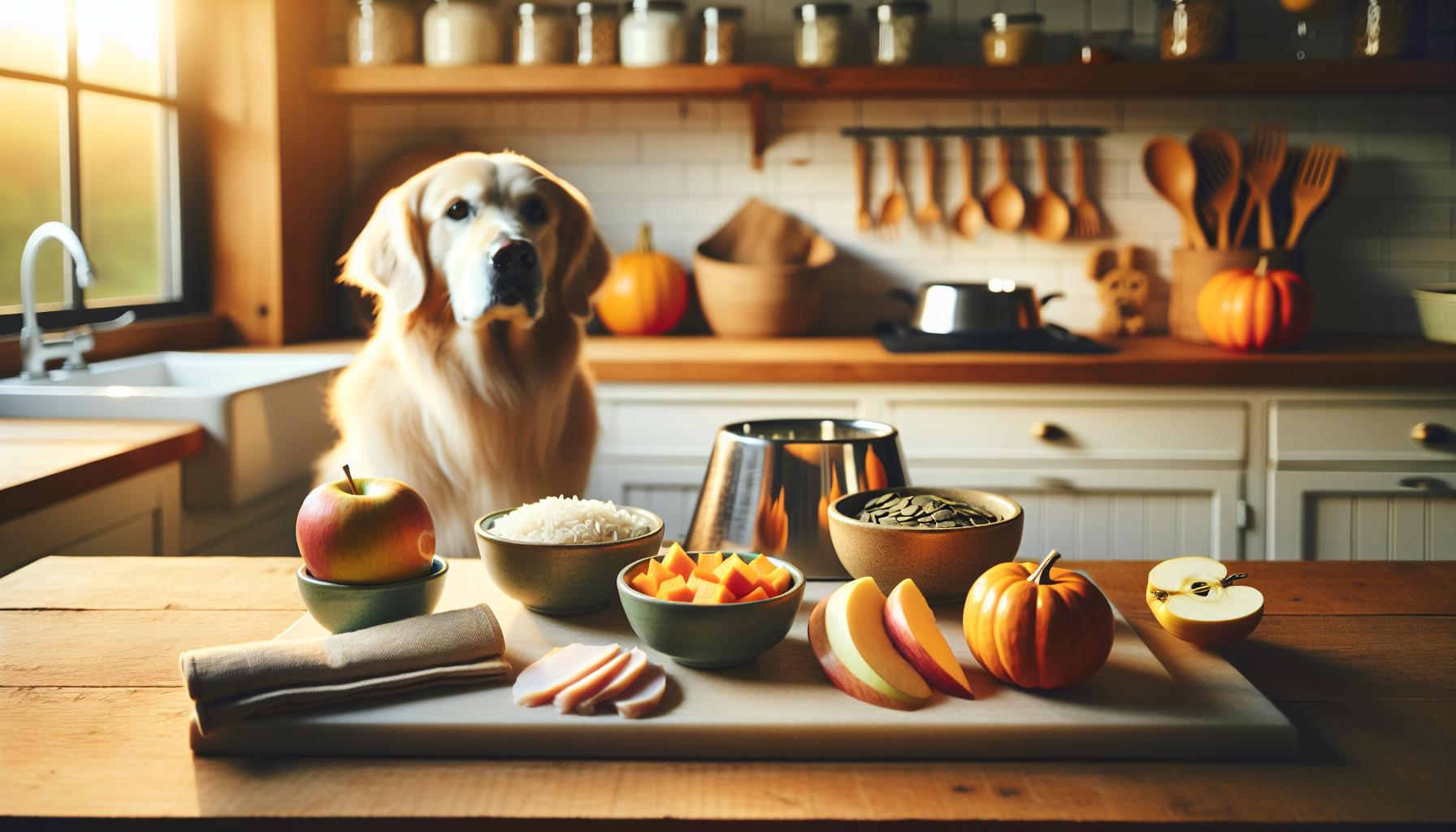
When your dog experiences digestive issues, selecting the right foods is crucial for their recovery. Sensitive tummies often require a gentle approach to feeding, which can help reduce irritation and restore digestive health. Many pet owners may not realize that there are several safe, easily digestible foods that can provide comfort to a dog with an upset stomach.
One of the most recommended foods for sensitive dogs is plain, boiled white rice. It’s a staple for a reason-its simplicity helps settle the stomach while providing easy-to-digest carbohydrates. Another excellent option is plain, boiled chicken (without skin or seasoning), which is lean and packed with protein while being gentle on the digestive tract. You can also consider pumpkin (not the spiced pie filling), which is very soothing and rich in soluble fiber, helping to bulk up stools or relieve diarrhea.
Combining these safe foods can create a balanced meal for your pup. For instance, a mix of boiled chicken and rice, or pumpkin mixed with rice, can form a satisfying and nutritious dish. If your dog seems to tolerate these foods well, you might gradually reintroduce their regular diet, ensuring any changes are made slowly to monitor for adverse reactions.
To provide even more options, consider adding small amounts of sweet potatoes or oatmeal, both of which are nutritious and generally easy on the stomach. Just like with other ingredients, make sure these are plain and cooked thoroughly. Additionally, be cautious with the amounts and always introduce new foods gradually to prevent further digestive upsets.
By choosing these wholesome, easily digestible foods, you can give your dog the gentle relief they need while supporting their overall digestive health.
Step-by-Step Guide to Prepare Homemade Remedies
When your furry friend is feeling under the weather with an upset stomach, creating homemade remedies can be an effective and comforting way to provide relief. These natural solutions often use ingredients you may already have on hand, making it easy to whip up a soothing meal in no time. Here’s a simple guide to help you prepare some gentle remedies at home, ensuring your dog gets the relief they need without added stress.
1. Boiled Chicken and Rice
This classic remedy is not only easy to prepare but also highly digestible for dogs with sensitive stomachs.
- Ingredients: 1 cup of white rice, 1 cup of boneless, skinless chicken breast.
- Instructions:
- Boil the chicken in water until fully cooked (about 15-20 minutes).
- Remove the chicken, let it cool, and shred it into small, bite-sized pieces.
- In the same water, add the rice and cook according to package instructions (usually about 15 minutes).
- Mix the shredded chicken with the rice and allow it to cool before serving.
2. Pumpkin Puree
Pumpkin can be a great addition to your dog’s diet, helping to regulate their digestive system.
- Ingredients: 1 can of pure pumpkin (not pumpkin pie filling).
- Instructions:
- Scoop a tablespoon of pumpkin puree into your dog’s bowl.
- For more flavor and nutrients, mix it with a small portion of boiled chicken or rice.
- Serve immediately or store any leftovers in the refrigerator for up to a week.
3. Sweet Potato Mash
Sweet potatoes are not only delicious but also packed with nutrients that are good for your pup’s tummy.
- Ingredients: 1-2 medium sweet potatoes.
- Instructions:
- Peel and chop the sweet potatoes into cubes.
- Boil them in water until they are soft (about 20 minutes).
- Drain the water and mash the sweet potatoes with a fork or potato masher.
- Let it cool before serving. You can mix it with some plain rice for extra fiber.
By following these simple steps, you can create soothing meals tailored for your dog’s upset stomach. Remember to introduce any new foods gradually and monitor their reactions. If symptoms persist or your dog seems particularly lethargic or uncomfortable, it’s always wise to consult your veterinarian for further guidance. With these easy recipes at your fingertips, helping your beloved pet feel better can be a straightforward and rewarding task.
The Role of Hydration in Dog Digestive Health
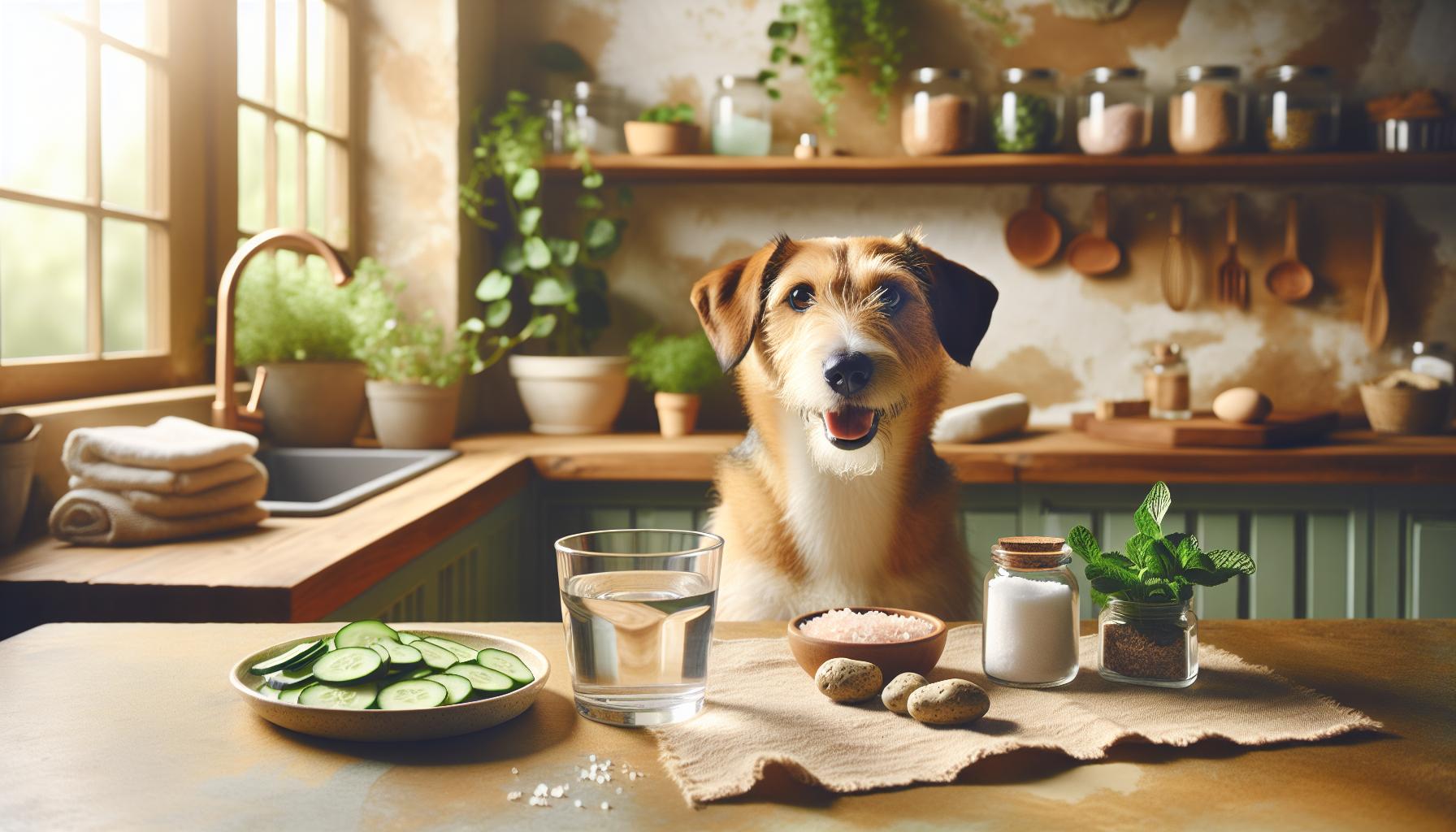
Maintaining proper hydration is crucial for your dog’s digestive health, especially when they are experiencing tummy troubles. Just like humans, dogs rely on water to help digest food, absorb nutrients, and eliminate waste. When a dog’s stomach is upset, they might not feel like drinking water, which can lead to dehydration and worsen their condition. Ensuring your dog stays hydrated promotes digestive function and overall well-being.
One effective way to encourage water intake is to offer fresh, clean water frequently throughout the day. It’s helpful to check their water bowl regularly to ensure it’s filled, as dogs may drink more if they see water readily available. Additionally, you can enhance their hydration by providing a mild broth. Homemade chicken or beef broth (without onions or garlic) is appealing to dogs and can supplement their fluid intake while also providing some nutrients. Here’s a simple recipe:
- Ingredients:
- 1 whole chicken or beef bones
- Water
- Optional: Carrots and celery (avoid onions and garlic)
- Instructions:
- Place the chicken or bones in a large pot and cover with water.
- Add optional vegetables for flavor.
- Simmer for several hours, skimming any foam off the top.
- Let it cool, strain out the solids, and store the broth in the refrigerator or freeze in portions.
If your dog’s tummy troubles persist and they refuse to drink, consider offering ice cubes made from broth or blended watery fruits like watermelon (without seeds). These alternatives can make hydration more enjoyable. Remember, however, that while hydration aids in digestion, it shouldn’t replace medical advice. Always consult a veterinarian if your dog shows signs of severe dehydration, such as lethargy, dry gums, or excessive panting, as these may indicate a more serious problem requiring professional intervention.
Through attentive hydration strategies, you can support your dog’s recovery and help them regain their digestive balance naturally and comfortably.
Healing Herbs and Ingredients for Your Dog
When your furry friend is dealing with an upset stomach, nature offers a host of herbal remedies that can provide gentle relief. Many herbs, commonly found in your kitchen or local store, are not only safe but also beneficial for soothing canine tummies. These natural ingredients can help reduce inflammation, aid digestion, and promote overall gut health, empowering pet owners to take a proactive approach to their dog’s well-being.
Ginger
One of the most well-known herbs for digestive relief, ginger, is revered for its anti-nausea properties. It can help alleviate stomach discomfort and gas in dogs. A simple way to use ginger is by creating a calming tea. To make this herbal infusion, follow these steps:
- Thinly slice fresh ginger (about a teaspoon for small dogs, up to a tablespoon for larger breeds).
- Boil it in two cups of water for about 10 minutes.
- Cool the tea, strain it, and offer it to your pet in small amounts, ensuring it’s not too hot.
Chamomile
Another excellent option is chamomile, known for its soothing effects on both humans and dogs. It can help calm gastrointestinal upset and reduce anxiety that may contribute to tummy troubles. You can prepare chamomile tea just like ginger tea, allowing your dog to sip it throughout the day. It’s gentle enough for regular consumption, but consult your vet if your dog has any known allergies or is taking medications.
Pumpkin
Pumpkin is a fantastic ingredient with multiple health benefits for dogs. It’s rich in fiber, which can help regulate digestion and firm up loose stools. Plain canned pumpkin (not the spiced pie filling) can be added to your dog’s food. Just a tablespoon for small dogs or up to ¼ cup for larger breeds can do wonders for their digestive health.
Bone Broth
In addition to hydration, bone broth serves as an excellent base for other herbs. This nutrient-rich liquid is soothing and can help with recovery from an upset stomach. To make it, simmer bones (chicken or beef) with water for several hours, optionally adding ginger or a small handful of parsley for additional digestive benefits.
With a little practice, these healing herbs and ingredients can become powerful allies in managing your dog’s digestive health. Always keep an eye on your furry friend’s reaction to new remedies and consult your veterinarian for personalized advice, especially if the tummy troubles persist or worsen. By integrating these natural solutions, you can help your pet feel more comfortable and support their journey back to wellness.
When to Consult a Veterinarian for Tummy Issues
Recognizing when to seek veterinary assistance for your dog’s tummy troubles is crucial for their health and well-being. While many mild digestive issues can be managed at home with natural remedies, some signals warrant professional intervention. Pay close attention to your pet’s behavior and symptoms, as these can indicate the severity of their condition.
If your dog is experiencing persistent vomiting or diarrhea that lasts longer than 24 hours, it’s time to contact your veterinarian. Dehydration can quickly set in, especially in small breeds or puppies, increasing the urgency. Additionally, watch for signs of discomfort, such as excessive whining, pacing, or a reluctance to eat or drink. If your dog displays these behaviors, it may suggest a more significant underlying issue that needs veterinary evaluation.
Other concerning symptoms include blood in vomit or stool, abdominal swelling, lethargy, or if your dog is unusually quiet and unresponsive. Such signs could indicate serious conditions like pancreatitis, intestinal blockage, or infections, and should be addressed immediately by a veterinarian. It’s always better to err on the side of caution; if you’re unsure about your dog’s health, don’t hesitate to seek professional help.
To help you track your dog’s health, consider keeping a log of their symptoms, eating habits, and any home remedies you’ve tried. This information will be beneficial for your veterinarian and assist in diagnosing the issue more effectively. Remember, your furry companion depends on you for their care and comfort-don’t hesitate to reach out for help when needed.
Tips for Preventing Future Stomach Problems
Maintaining your dog’s digestive health can save both you and your furry friend from uncomfortable moments. By implementing proactive measures in your pet’s diet and lifestyle, you can significantly reduce the chances of stomach troubles. A stable and balanced diet is key; ensure that you provide high-quality dog food that meets all of your dog’s nutritional needs. Avoid sudden changes in their diet, as this can lead to digestive upset. Instead, introduce new foods gradually over a week to give their stomach time to adjust.
Establish a Regular Feeding Schedule
Keeping a consistent feeding schedule is essential for regulating your dog’s digestion. Meals should be served at the same times each day, as this helps to reinforce a routine that can minimize anxiety and promote better digestion. Additionally, instead of one or two large meals, consider dividing their daily intake into three smaller meals. This can ease the burden on their stomach and help prevent bloat, especially in larger breeds.
Hydration is Vital
Water plays a crucial role in digestion. Ensure fresh water is always available and encourage your pet to drink throughout the day. Dehydration can exacerbate stomach issues, so monitor their water intake, especially during hot weather or after physical activity. If your dog is reluctant to drink, you can offer ice cubes or a small amount of low-sodium chicken broth to entice them.
Avoid Table Scraps and Unapproved Treats
It might be tempting to share your meals or snacks with your furry companion, but many human foods can disrupt their digestive system. Steer clear of rich foods, dairy products, and anything fatty, as these can lead to upset stomachs. Instead, opt for dog-specific treats made from wholesome ingredients that are designed to be gentle on their system. Treats such as carrot sticks or apple slices can be offered as healthy alternatives.
Monitor Their Behavior and Diet
Finally, keeping a close eye on your dog’s eating habits and behavior can help catch potential digestive issues early. If you notice changes in their appetite, stool consistency, or general demeanor, it’s a good idea to address these changes promptly. Recording any dietary changes or unusual behavior in a journal can provide valuable insights to discuss with your veterinarian if stomach problems do arise.
By taking these steps, you’ll foster a healthier digestive system for your dog and create a more comfortable living situation for both of you. A happy belly leads to a happy pup!
Understanding Dog Digestive Anatomy and Function
Canines have a fascinating digestive system that works distinctly from that of humans, making it essential to understand how their anatomy influences dietary needs and digestive health. Dogs are classified as omnivores, which means they can digest a variety of foods ranging from meats to greens. However, the structure of their digestive tract is more similar to that of carnivores, influencing how they process food, absorb nutrients, and eliminate waste.
The digestive process begins in the mouth, where enzymes in saliva begin breaking down food. Once swallowed, food travels down the esophagus to the stomach, an organ designed to handle tough foods with high acidity. Here, gastric juices further decompose food into a semi-liquid form called chyme. The stomach’s muscular walls churn this mixture, helping to mix in digestive enzymes. Following this process, the chyme moves into the small intestine, where the vast majority of nutrient absorption occurs. The lining of the small intestine is lined with tiny villi that increase the surface area for optimal absorption of nutrients like proteins, fats, and carbohydrates.
The next stop in the digestive journey is the large intestine, which plays a crucial role in absorbing water and electrolytes, leading to the formation of stool. An interesting fact about a dog’s digestive system is that the transit time through the intestines can vary based on diet and health. For instance, diets high in fiber can accelerate this transit time, while a lack of adequate fiber might cause food to remain in the digestive tract longer, increasing the likelihood of discomfort or constipation.
Maintaining a well-balanced diet that suits your dog’s unique digestive system is critical for overall health. Factors like age, activity level, and health conditions should guide dietary choices. For example, older dogs may require diets lower in fat and higher in fiber to maintain digestive health. Being attentive to what your dog eats and how they respond can be vital in preventing tummy troubles and ensuring their digestive function remains optimal. By knowing how your dog’s digestive system operates, you can tailor their diet and incorporate natural remedies effectively, helping to soothe any discomfort they may experience.
Owner Experiences: Success Stories with Home Remedies
Experiencing an upset stomach can be distressing for both dogs and their owners. Many pet parents have turned to simple home remedies, finding success in soothing their furry friends’ tummy troubles. These stories are not only heartwarming but also serve as practical inspiration for others who may be struggling with similar issues.
One owner shared how they alleviated their dog’s gastrointestinal upset by brewing a mild ginger tea. After steeping some fresh ginger slices in hot water, they allowed it to cool before offering a small amount to their pup. Within a few hours, they noticed an improvement in their dog’s appetite and energy levels. Ginger is known for its natural anti-inflammatory properties, making it a gentle yet effective remedy for calming a dog’s stomach.
Another success story involved a dog who had been experiencing diarrhea after a change in diet. The owner prepared a simple bland diet of boiled chicken and white rice. This classic combination helped stabilize the dog’s digestive system. By slowly reintroducing the regular food over a week, the owner found that their dog’s stomach issues subsided without additional vet visits. It’s always pertinent to listen to your pet’s needs-sometimes, the simplest solutions can yield the best results.
Practical Tips from Pet Owners
- Pumpkin Purée: Many owners recommend offering canned pumpkin (not the spiced pie filling) as a natural source of fiber to help firm up loose stools. A tablespoon mixed in their food can work wonders.
- Plain Yogurt: Some pet parents have successfully used plain, unsweetened yogurt as a probiotic boost to restore gut health. Just a small spoonful can help balance their digestive flora.
- Bone Broth: This nutritious broth can be an excellent way to provide hydration and nutrients, especially for dogs who may not want to eat due to an upset stomach.
These remedies illustrate the power of natural solutions combined with attentive observation. By sharing their experiences, owners not only help each other but also reinforce the notion that homemade remedies can bring comfort and relief. Each dog’s digestive health journey is unique, so it’s important to approach remedies wisely and modify them based on individual needs.
How to Monitor Your Dog’s Recovery Progress
Recognizing signs of recovery in your dog after an upset stomach is just as important as choosing the right home remedy. As you implement natural solutions like ginger tea or a bland diet, monitoring your dog’s response can provide valuable insights into their health status. Observing changes in behavior and physical condition can help you understand whether the remedy is effective or if further intervention is needed.
Start by keeping a daily log of your dog’s eating habits, energy levels, and bathroom behaviors. Documenting this information can help you identify patterns and trends that indicate improvement or concern. For instance, a gradual increase in appetite and a return to playful behavior are positive signs. Additionally, pay attention to the consistency and frequency of your dog’s stools. From firm to soft, any significant changes should be noted, as this can guide you in adjusting the homemade remedies or notifying your veterinarian if needed.
It’s also essential to check for other symptoms that could signal an ongoing issue. If your dog shows persistent lethargy, vomiting, or refuses to eat more than 24 hours after starting home treatment, it may be time to consult a veterinarian. Flexibility in your approach is key; if something isn’t working, don’t hesitate to modify the remedy or seek professional advice. Engaging in this attentive monitoring not only ensures your dog’s wellbeing but also fosters a deeper bond between you and your furry companion as you work together towards recovery.
Incorporating these observations into your routine can empower you with a better understanding of your dog’s health. It’s a reassuring process that transitions from uncertainty to confidence as you witness your dog improving steadily with your care and attention. Trust your instincts and stay engaged-your involvement is crucial to helping your dog regain their happy, healthy self.
Frequently Asked Questions
Q: What are natural remedies for dog upset stomach?
A: Natural remedies for a dog with an upset stomach include gentler foods like boiled chicken and rice, small amounts of pumpkin, and hydration with broth or water. Always introduce new foods gradually and monitor their reaction. For detailed preparation methods, refer to the “Step-by-Step Guide to Prepare Homemade Remedies” section.
Q: How can I tell if my dog’s stomach issue is serious?
A: Signs of a serious dog stomach issue include persistent vomiting, diarrhea lasting more than 24 hours, lethargy, or blood in stool. If your dog exhibits these symptoms, consult a veterinarian immediately for diagnosis and treatment options.
Q: Can I give my dog over-the-counter human medications for stomach issues?
A: Many over-the-counter human medications can be harmful to dogs. Always consult your veterinarian before giving any medication, even if it’s commonly used, to ensure it’s safe for your dog’s specific condition.
Q: What foods should I avoid giving to a dog with an upset stomach?
A: Avoid fatty, spicy, or rich foods, dairy products, and any foods that your dog has not eaten before. These can exacerbate digestion issues. Instead, focus on safe foods like rice and boiled chicken as mentioned in the “Safe Foods for Sensitive Dog Stomachs” section.
Q: How long should I fast my dog when they have an upset stomach?
A: Fasting your dog for 12 to 24 hours can help their stomach settle. After fasting, introduce bland foods in small amounts to see if they can keep them down. This approach is outlined in the article’s “Home Remedies to Soothe Dog Tummy Troubles” section.
Q: Are there home remedies using herbs for dogs with upset stomachs?
A: Yes, herbs like ginger and chamomile can be soothing for dogs with upset stomachs. These herbs can help reduce nausea and inflammation. Consult the “Healing Herbs and Ingredients for Your Dog” section for more detail.
Q: What are some preventative measures for future dog stomach problems?
A: Preventative measures include maintaining a consistent diet, avoiding sudden changes to food, ensuring your dog has access to fresh water, and regularly checking for any toxic plants or substances in your home.
Q: How can I monitor my dog’s recovery from an upset stomach?
A: Monitoring your dog’s recovery involves observing their appetite, energy level, and overall behavior. Gradually reintroduce regular food and note any adverse reactions. For more on recovery progress, explore “How to Monitor Your Dog’s Recovery Progress.”
To Conclude
If your furry friend is experiencing an upset stomach, our home remedies offer gentle relief that you can implement right away. Remember, a combination of ingredients like plain pumpkin, rice, and probiotics can soothe their sensitive tummies and get them back to their playful selves in no time. For optimal results, consider keeping track of their diet and any symptoms, as this will help you identify potential triggers in the future.
Are you looking for more ways to enhance your pet’s health? Explore our articles on natural remedies for common dog issues and discover tips on maintaining a balanced diet for your canine. Don’t forget to sign up for our newsletter to receive expert advice and exclusive content straight to your inbox! Your dog’s wellness is our priority, and we’re here to support you every step of the way-so feel free to leave a comment or share your experiences with other pet owners to foster a community of care. Together, let’s keep those tails wagging!


