


If you’ve ever noticed your dog scooting across the floor, you know how concerning and uncomfortable it can be for both of you. This behavior might signal underlying issues, such as allergies, anal gland problems, or skin irritations. Fortunately, there are effective home remedies you can try to help your furry friend find relief and comfort.
By addressing the root causes of scooting with natural solutions, you can not only alleviate your dog’s discomfort but also strengthen the bond you share through compassionate care. From diet adjustments to soothing topical treatments, discovering the right remedy can make all the difference. So, let’s explore some simple yet powerful home fixes that could stop the scooting and get your pup back to their happy, wagging self.
Home Remedies for Dog Scooting: Common Causes Explained
Scooting is a common behavior among dogs, often leaving pet owners puzzled and concerned. The act of dragging their behinds on the ground can stem from a few underlying issues, and understanding these causes is the first step toward addressing the problem. While it may seem humorous, scooting can be a sign of discomfort or irritation. Dogs might resort to this behavior due to anal gland issues, allergies, parasites such as fleas or worms, or even environmental irritants. Recognizing the reason behind your dog’s scooting can empower you to act and relieve their discomfort effectively.
Common Causes of Dog Scooting
- Anal Gland Issues: Dogs have two anal glands located on either side of their anus that can become full, impacted, or infected, causing discomfort and prompting scooting to relieve pressure.
- Allergies: Food allergies or environmental irritants like pollen, dust, or chemicals can lead to itchy skin, including around the anal area, making dogs scoot to alleviate irritation.
- Parasites: Fleas, ticks, and intestinal worms can cause itchiness and discomfort; dogs may scoot in an attempt to relieve itchiness caused by these pests.
- Health Conditions: Certain health issues, such as inflammation or infections, can lead to discomfort in the anal area, prompting a dog to scoot.
Identifying the exact cause of your dog’s scooting is essential in determining the appropriate course of action. Regular veterinary check-ups are vital, especially if your dog begins scooting suddenly or frequently, as some causes may require medical treatment. By observing your dog’s behavior and seeking advice when necessary, not only can you help them find relief, but you can also promote their overall well-being.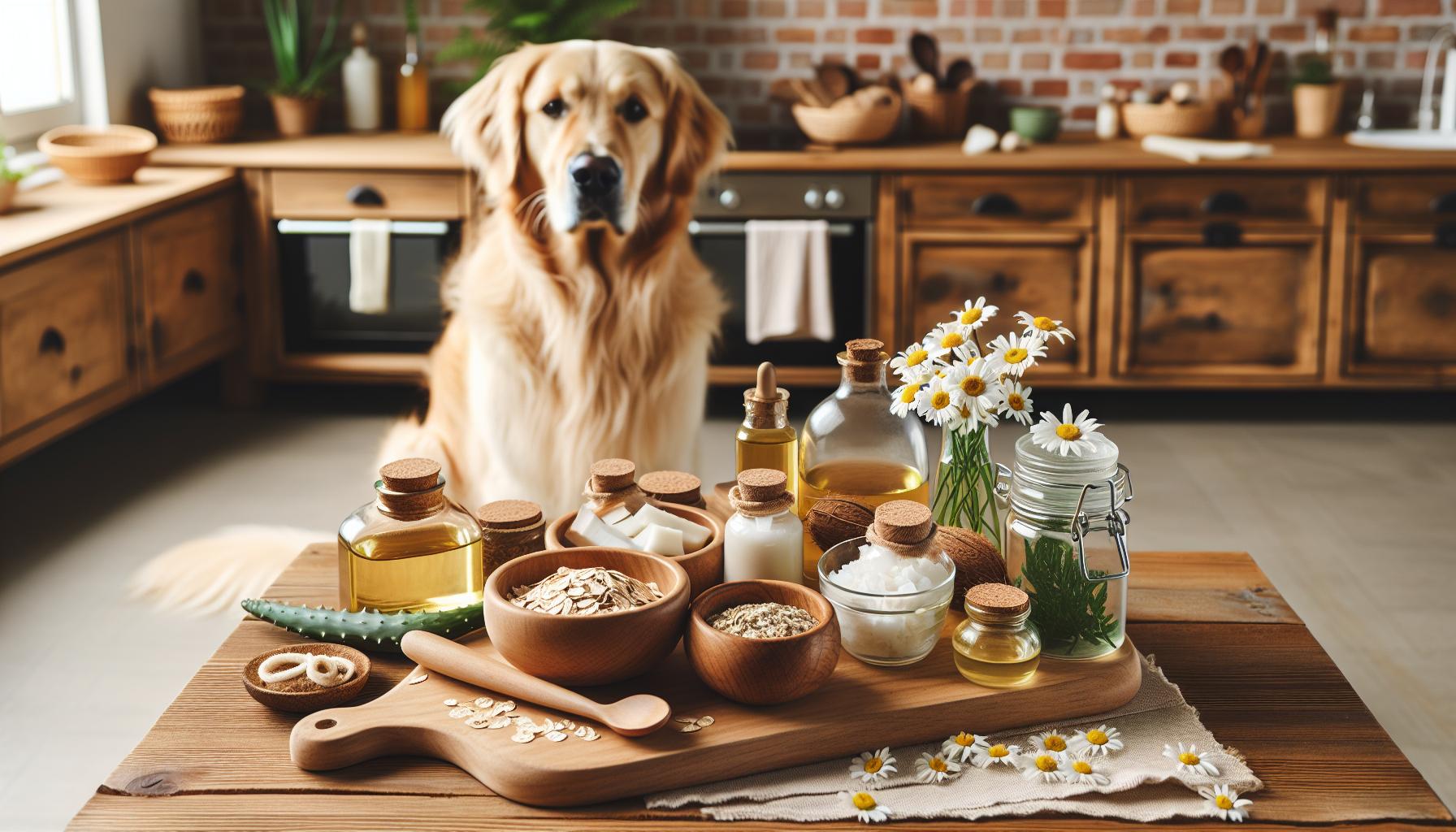
Natural Ingredients to Soothe Your Dog’s Discomfort
To help alleviate your dog’s discomfort from scooting, incorporating natural ingredients into their routine can be an effective and gentle approach. Many of these ingredients not only provide relief but also promote overall health and well-being. Utilizing items that are likely already in your home can simplify the process and give you peace of mind.
One popular option is coconut oil. Known for its anti-inflammatory and antibacterial properties, coconut oil can help soothe the skin around your dog’s rear end. Simply massage a small amount onto the affected area, being careful to avoid ingestion in large amounts. Additionally, adding a teaspoon of coconut oil to your dog’s food can aid in digestion and support healthy skin.
Another useful ingredient is apple cider vinegar. Diluted with an equal part of water, this natural remedy can help balance the skin’s pH and fight off potential infections. Applying this mixture to the area with a cotton ball can reduce irritation caused by allergies or environmental irritants. However, make sure your dog doesn’t lick it off immediately after application.
Aloe vera is another wonderful option for soothing skin irritation. This natural gel can be applied topically to help calm inflammation and promote healing. Look for pure aloe vera gel with no added ingredients or fragrances, as these can sometimes irritate sensitive skin. Just ensure that your dog doesn’t consume it, as ingestion can lead to digestive upset.
Additionally, incorporating probiotics into your dog’s diet can greatly improve their gut health, potentially reducing scooting due to digestive issues. You can find dog-specific probiotic supplements or probiotic-rich foods like plain yogurt or kefir that are safe for dogs.
These natural ingredients not only offer immediate relief but also support your dog’s long-term health. With a little trial and error, you can discover which remedies work best for your furry friend, keeping them comfortable and happy. Always monitor your dog after trying new treatments, and don’t hesitate to consult with your veterinarian if symptoms persist or worsen.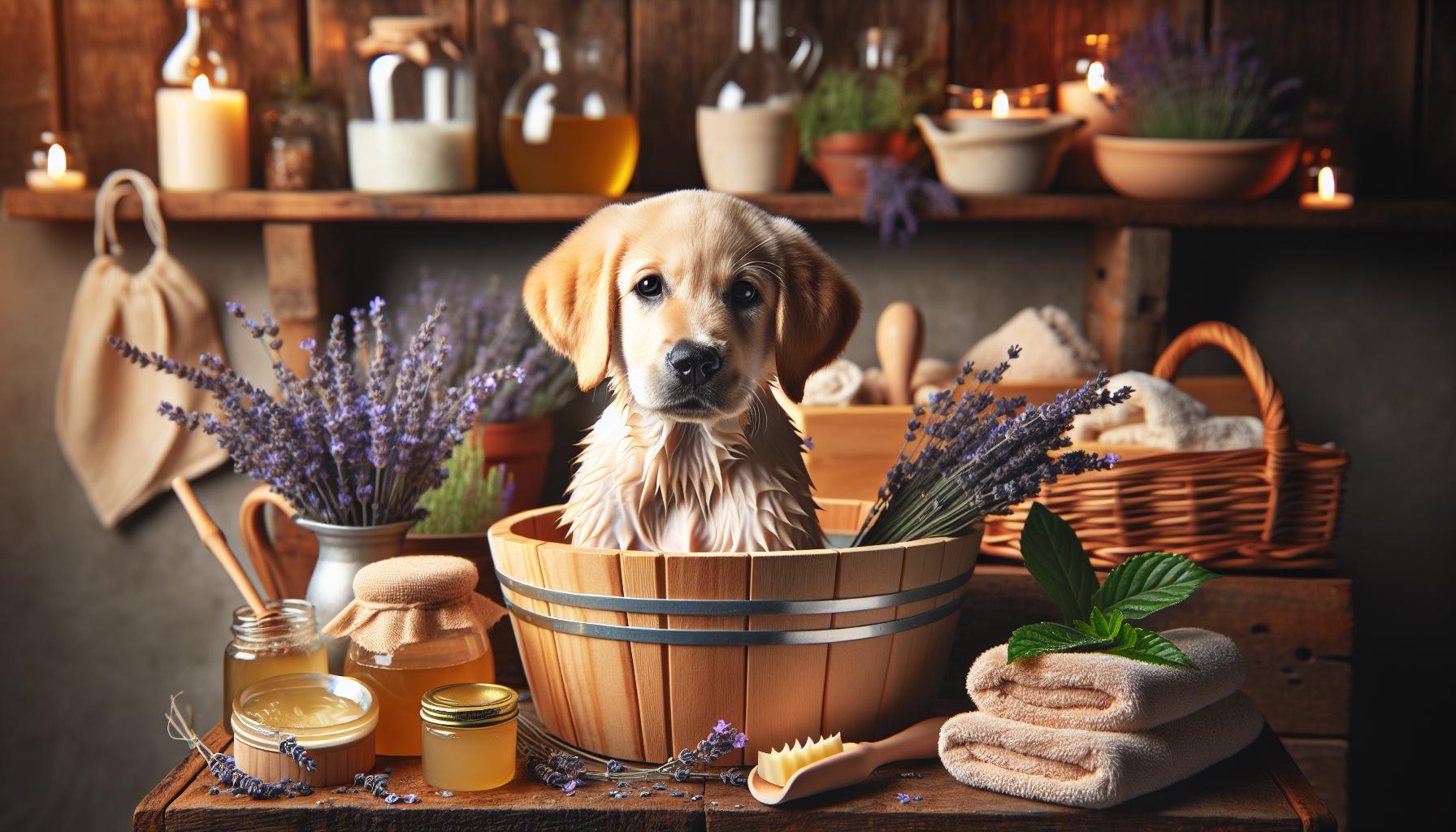
Step-by-Step: Making a Soothing Dog Bath
Creating a soothing bath for your dog can significantly alleviate the discomfort that may cause them to scoot. A well-prepared bath not only cleanses but can also provide relief from irritations and promote healing. Through this simple process, you will harness the benefits of natural ingredients that soothe inflammation and restore balance to your dog’s skin.
Start by gathering your supplies. You will need:
- Warm water
- 1 cup of oatmeal (finely ground if possible)
- 1/2 cup of natural, unscented dog shampoo or a gentle baby shampoo
- 1/4 cup of aloe vera gel (ensure it’s 100% pure and safe for pets)
- Optional: 1 tablespoon of coconut oil for extra moisture
Once you have everything ready, follow these straightforward steps:
Step 1: Fill the Tub
Begin by filling your tub or sink with warm water, ensuring it isn’t too hot. The ideal temperature will be comfortable to the touch and should gently envelop your dog without overwhelming them.
Step 2: Prepare Your Oatmeal Bath
Add the finely ground oatmeal to the warm water, stirring it to create a milky bath. Oatmeal is known for its soothing properties and can help relieve itchy or irritated skin. If using coconut oil, melt it first before adding to the bath, allowing it to blend well.
Step 3: Clean and Soothe
Gently place your dog in the bath, ensuring they feel comfortable. Use a cup or your hands to pour the oatmeal water over their body, avoiding the head to prevent irritation. As you do this, add a small amount of the dog shampoo, creating a lather to clean without stripping essential oils from their coat.
Step 4: Rinse and Apply
After a thorough rinse, apply the aloe vera gel directly to any irritated areas. Be sure to keep it away from your dog’s eyes and mouth. Aloe vera provides cooling relief and promotes healing of any irritated skin.
Step 5: Final Rinse
Once you’ve applied the aloe vera, give your dog one final rinse with clean, lukewarm water to remove any residual shampoo and oatmeal. A gentle pat down with a soft towel afterward will help dry them off without causing excessive rubbing.
This comforting bath can be a calming experience for your dog and may significantly reduce the urge to scoot. Make this treatment a part of your dog’s grooming routine to help maintain their skin health, and always ensure to observe their behavior and consult with a veterinarian if the scooting persists or intensifies.
Essential Oils Safe for Dogs and Their Benefits
Certain essential oils can provide not just a pleasant aroma but also therapeutic benefits for your furry friend, helping to alleviate discomfort that may cause scooting. These oils can be used in various ways, from soothing inflammation to promoting relaxation, making them a valuable addition to your natural pet care toolkit. Before incorporating any essential oil into your dog’s routine, always ensure it’s safe and properly diluted to avoid adverse reactions.
Among the most beneficial oils for dogs are lavender, chamomile, and frankincense, each known for their unique properties. Lavender oil is renowned for its calming effects, which can help relieve stress and anxiety, making it easier for your dog to relax and avoid behaviors like scooting. Chamomile offers anti-inflammatory benefits, soothing irritated skin and promoting healing. Frankincense, often regarded as a natural antiseptic, not only aids in reducing inflammation but can also support your dog’s immune system.
When using essential oils, always dilute them properly. A general guideline is to mix 1 drop of essential oil with at least 1 tablespoon of a carrier oil, such as coconut oil or olive oil. Apply this mixture to your dog’s belly or the base of their tail, where they may be experiencing discomfort. Additionally, diffusing these oils in a well-ventilated area can help create a calming environment, further supporting your dog’s well-being.
To enhance your efforts, consider creating a soothing dog spray using essential oils. Combine water with a few drops of your diluted essential oil mixture in a spray bottle. Lightly mist your dog’s coat before their bath or after a walk. This not only refreshes their fur but can also provide calming scents throughout your home. Each time you incorporate these oils, observe your dog’s reaction, and consult a veterinarian if you notice any unusual behaviors or signs of distress. Embracing natural remedies can be a wonderful way to care for your pet’s health and comfort, allowing you both to enjoy precious moments together.
DIY Dog Scooting Spray: Simple Recipes to Try
Creating a simple spray to help alleviate your dog’s scooting can be a fantastic way to provide relief using natural ingredients you likely already have at home. Many dogs scoot due to discomfort caused by skin irritation, allergies, or even digestive issues, and a soothing spray can help address these symptoms. A DIY dog scooting spray can not only provide physical comfort but also being a lovely bonding experience for you and your furry friend.
To get started, you’ll need a few key ingredients:
- Water: The base of your spray.
- Diluted essential oils: Such as lavender or chamomile known for their soothing and anti-inflammatory properties.
- A spray bottle: Preferably one that’s clean and easy to use.
Simple Spray Recipe
Ingredients:
- 1 cup of distilled water
- 3-5 drops of lavender essential oil (diluted in a carrier oil)
- 3-5 drops of chamomile essential oil (diluted in a carrier oil)
Instructions:
- Mix the Ingredients: In a clean spray bottle, combine 1 cup of distilled water with the diluted oils. Ensure that you mix sufficiently so the oils blend well for even distribution.
- Shake Well: Before each use, gently shake the spray bottle to ensure the oils and water are mixed.
- Application: Lightly mist your dog’s coat while avoiding their eyes and nose. Use it after baths or walks to refresh their fur and provide soothing relief. You can also spray it in their resting areas to create a calming environment.
- Observe Reactions: Keep an eye on how your dog reacts to the spray. If you notice any signs of discomfort or allergies, discontinue use and consult your veterinarian.
Using this DIY dog scooting spray not only addresses immediate issues but also fosters a sense of comfort and calm in your pet. By utilizing natural ingredients, you can take part in your dog’s care, ensuring they feel their best and helping you create more delightful moments together.
Diet Changes to Stop Dog Scooting
Certain dietary changes can significantly reduce or eliminate your dog’s scooting behavior, which often stems from discomfort in the anal area or digestive issues. If your furry friend is finding their way across the floor in a less-than-dignified manner, it could be a sign that their diet needs a little tweaking. By selecting the right foods, you can promote better digestive health and help alleviate any underlying causes of scooting.
First and foremost, consider adding fiber to your dog’s diet. Fiber aids digestion and can help prevent issues such as constipation, which can lead to scooting. You can include pumpkin puree (plain and canned, not the spiced pie filling), sweet potatoes, or green beans in their meals. These ingredients are not only healthy but also palatable for most dogs. Start by incorporating a small amount and gradually increasing it while monitoring their stool consistency.
Hydration Matters
Ensure your dog stays well-hydrated, as a lack of sufficient water can cause dehydration and lead to hard stools. Make it easy for them to access fresh water throughout the day, and consider adding wet food into their diet if they’re on a dry kibble regimen. The increased moisture can help facilitate smoother digestion.
Another vital aspect of diet is the quality of the food itself. Choose high-quality dog food that lists real meat as the first ingredient and is free from fillers like corn or soy. Sometimes, food allergies can also manifest as skin sensitivities leading to scooting. A gradual transition to a grain-free diet or a protein source they haven’t tried before (like lamb or venison) may help if food allergies are suspected.
To summarize the dietary changes, consider these steps:
- Add Fiber: Include pumpkin puree or sweet potatoes to improve digestive health.
- Ensure Adequate Hydration: Keep water available and consider adding wet food.
- Choose Quality Food: Opt for high-quality kibble free from fillers and allergens.
- Monitor for Allergies: Try a grain-free or novel protein diet if allergies are suspected.
These dietary adjustments can play a crucial role in reducing scooting behavior and improving your dog’s overall wellbeing. Always consult with your veterinarian before making significant changes to ensure that these modifications are suitable for your dog’s specific needs. By being proactive about your dog’s nutrition, you can enhance their comfort and happiness in many ways.
When to Consult a Veterinarian: Signs to Watch For
Recognizing the signs that indicate it’s time to consult a veterinarian can be vital for your dog’s health, especially when dealing with scooting issues. While occasional scooting can be a normal behavior, persistent scooting may signal underlying problems that require professional attention. Before dismissing your dog’s scooting as just a quirky habit, observe for additional symptoms that might suggest a more serious condition.
If your dog is scooting frequently, watch for these concerning signs:
- Bleeding or Discharge: Notice any blood or unusual discharge from the anus? This could indicate injury, infection, or even more serious conditions.
- Excessive Licking: If your dog is obsessively licking their rear end, it might signify irritation or itching that could be caused by allergies or skin conditions.
- Loss of Appetite: Sudden changes in your dog’s eating habits, particularly a loss of appetite, can warrant a veterinary visit as it often correlates with gastrointestinal issues.
- Diarrhea or Constipation: Regular bathroom troubles can lead to discomfort, causing scooting. If your dog is experiencing diarrhea or constipation along with scooting, seek veterinary advice.
- Abdominal Pain or Distension: If your dog shows signs of abdominal discomfort-like whining, pacing, or a swollen abdomen-it is essential to consult your veterinarian without delay.
Keep in mind, many health issues that lead to scooting can be simple to resolve if treated early. If you notice these signs, don’t hesitate to reach out to a veterinarian. They can diagnose the issue accurately and recommend effective solutions, which may include dietary changes, medication, or other interventions. Remember, being proactive about your dog’s health not only relieves their discomfort but also strengthens your bond through attentive care. Regular check-ups can make a significant difference in managing your dog’s overall well-being and preventing future scooting episodes.
Preventative Measures to Keep Your Dog Comfortable
To keep your furry friend comfortable and minimize the chances of scooting, implementing a few preventative measures can be immensely helpful. Scooting often stems from irritation or discomfort, so addressing these underlying causes is crucial. Regular grooming, for instance, removes dirt and debris that may irritate your dog’s rear. By keeping your pet clean, especially in sensitive areas, you can help prevent discomfort that leads to scooting.
Another important aspect is maintaining a well-balanced diet and ensuring proper hydration. A healthy diet rich in fiber can promote digestive health and regular bowel movements, significantly reducing instances of scooting caused by gastrointestinal issues. Incorporate high-quality dog food, and consider adding pumpkin or sweet potatoes to their meals, as these are known to aid digestion. Don’t forget to keep fresh water available at all times to help with overall health and hydration.
Moreover, regular vet check-ups are essential, even when your dog appears to be healthy. These visits can catch any issues before they escalate, from anal gland problems to allergies. Additionally, observing your dog’s behavior during walks or playtime can provide insights into their comfort levels. If they seem hesitant or are constantly scooting, it may indicate a problem that needs addressing.
Lastly, consider creating a comfortable environment at home. Provide soft bedding and ensure your dog has areas to rest that are away from drafts. Using safe essential oils, like lavender, in their resting areas can also promote relaxation, potentially reducing anxiety-related scooting. Consistent care and attention to your dog’s needs will not only improve their comfort but also strengthen the bond you share.
Holistic Approaches: Combining Home Remedies with Care
Combining home remedies with a holistic approach can be incredibly effective in addressing the discomfort that causes dogs to scoot. Rather than relying solely on quick fixes, it’s beneficial to look at the overall well-being of your furry friend. Understanding that emotional, dietary, and physical health are interconnected will pave the way for a comprehensive solution to scooting.
One of the core aspects of a holistic approach is using natural ingredients and techniques that not only soothe your dog in the moment but also promote long-term health. For instance, incorporating a fiber-rich diet can improve digestion and prevent gastrointestinal issues that might lead to scooting. Foods like pumpkin and sweet potatoes are not only tasty but also help maintain a healthy gut. When preparing meals, consider adding a spoonful of plain, canned pumpkin to your dog’s food to aid digestion and regulate bowel movements. This simple addition can make a significant difference over time.
In addition to dietary changes, grooming can play a pivotal role in enhancing comfort. Regular baths using natural, pet-safe shampoos can keep the skin clean and irritation-free, reducing the likelihood of scooting. After a bath, consider applying a soothing blend made from coconut oil or aloe vera to help alleviate any existing discomfort. These natural ingredients are gentle on your dog’s skin and can promote healing.
Creating a calm and relaxing environment for your dog is equally crucial. Using safe essential oils like lavender can help reduce stress and anxiety, often contributing factors in scooting behavior. A few drops in a diffuser or on their bedding can create a soothing atmosphere that encourages relaxation. Pair this with comfortable bedding and cozy resting spots to ensure your dog feels secure at home.
Finally, being observant of your dog’s behavior can lead to deeper insight. Keeping a diary of when your dog scoots, their diet changes, or any new products introduced can help identify patterns and triggers. This holistic practice not only assists in addressing the immediate issue of scooting but also fosters a better understanding of your pet’s health and happiness overall. By prioritizing natural remedies and care, you empower both yourself and your furry companion towards a more comfortable life.
Understanding Dog Behavior: Why Do They Scoot?
Dogs have a unique way of communicating their discomfort, and scooting is one of their telltale signs. This behavior can stem from a variety of sources, and understanding why your dog scoots can provide valuable insights into their well-being. Scooting often occurs when a dog feels irritation or discomfort around their rear end, which can be caused by several factors.
One of the most common reasons dogs scoot is anal gland issues. Dogs have two scent glands located on either side of their anus that can become impacted or infected, leading to discomfort. When this happens, your dog might scoop along the ground in an attempt to relieve the irritation. Other causes may include allergies, intestinal parasites, or skin infections, all of which can lead to itching and discomfort in that area. Additionally, some dogs may scoot simply due to boredom or a playful instinct, which can be common, especially among younger pups.
To help soothe your furry friend, observe their behavior closely. Keeping track of when your dog scoots and any other symptoms they may display can shed light on what might be causing the issue. For instance, if your dog scoots after eating, they may have food sensitivities that need to be addressed. If you notice other concerning signs, such as bleeding, persistent scooting, or excessive licking, it’s essential to consult with a veterinarian.
In many cases, implementing preventive measures can help mitigate scooting behavior. Regular grooming and bathing can keep your dog’s rear clean and reduce skin irritation. This care, paired with a balanced diet rich in fiber, can support digestive health and prevent issues that lead to scooting. By addressing these underlying causes, you can help your dog feel more comfortable and happy, ultimately reducing their need to scoot.
Success Stories: Home Remedies That Worked for Others
Many pet owners have found success in addressing dog scooting with natural home remedies, transforming their furry friends from uncomfortable to carefree. One standout example involves a Labrador named Max, who faced persistent scooting due to anal gland issues. His owner began incorporating pumpkin into Max’s diet, which is high in fiber. The result? A noticeable decrease in scooting and improved overall digestive health. This simple addition helped to bulk up his stool, assisting in the natural expression of the anal glands and significantly reducing irritation.
In another inspiring case, Bella, a small terrier, suffered from scooting attributed to skin allergies. Her owner decided to try an oatmeal bath-a soothing solution made with finely ground oats mixed with warm water. After regular baths, Bella’s discomfort diminished, and the scooting actions reduced notably. Many pet owners echo this success, reporting that oatmeal baths not only alleviate itching but also soothe inflamed skin.
Moreover, an inventive DIY spray made from diluted apple cider vinegar became a game changer for a family with a Golden Retriever named Charlie. After inquiring about the best home remedies, they mixed equal parts of apple cider vinegar and water and applied it carefully to the affected area (avoiding any open wounds). The natural antibacterial properties of apple cider vinegar relieved some discomfort, and Charlie’s scooting behavior decreased significantly over a few weeks.
These stories highlight the power of natural ingredients and simple lifestyle changes in promoting pet wellness. By embracing approachable and effective solutions, pet parents can often find relief for their dogs in an empowered and loving way. For anyone facing similar scooting issues with their pets, experimenting with these remedies could lead to positive outcomes and a happier, more comfortable companion.
Frequently Asked Questions
Q: What causes dogs to scoot, and how can home remedies help?
A: Dogs may scoot due to anal gland issues, allergies, or skin irritations. Home remedies, such as a soothing bath with oatmeal or a diet rich in fiber, can alleviate discomfort and reduce scooting behavior. These methods improve overall comfort and health.
Q: How can I make a simple dog-friendly balm for scooting?
A: To make a soothing balm, mix coconut oil with a few drops of chamomile essential oil. Apply it gently to the irritated area. Coconut oil moisturizes the skin, while chamomile has anti-inflammatory properties that calm irritation, addressing the root cause of scooting.
Q: Are there specific dietary changes to stop my dog from scooting?
A: Yes, increasing fiber in your dog’s diet can help prevent scooting. Introduce pumpkin, green beans, or a high-fiber dog food. These changes promote healthy bowel movements and can reduce anal gland issues, leading to less scooting overall.
Q: When is it appropriate to use essential oils on my dog for scooting?
A: Essential oils like lavender and chamomile can be safe for dogs; however, it’s crucial to dilute them properly and perform a patch test first. Use these oils to soothe irritated skin. Consult with a veterinarian if unsure about which oils are safe for your pet.
Q: How often should I give my dog a soothing bath to curb scooting?
A: Giving your dog a soothing bath once a week can help alleviate scooting, especially if they’re experiencing skin irritation or allergies. Use gentle, dog-specific shampoos with soothing ingredients like oatmeal to ensure comfort and relief from discomfort.
Q: What signs indicate that I should consult a vet about my dog’s scooting?
A: If your dog scoots persistently, shows signs of pain, has swelling, or if there’s blood in the stool, consult a veterinarian. These could indicate serious issues like impaction or infections, requiring professional diagnosis and treatment beyond home remedies.
Q: Can home remedies prevent future scooting issues in dogs?
A: Yes, regular grooming, a balanced diet, and maintaining a healthy weight can prevent scooting. Addressing allergies with hypoallergenic diets and implementing routine vet check-ups can catch potential issues early, ultimately keeping your dog comfortable and scoot-free.
Q: Is it safe to use commercial products for scooting, or should I stick to home remedies?
A: While some commercial products can be effective, many contain harsh chemicals. Home remedies are typically gentler and safer for your dog. Always consult with a veterinarian for recommendations and ensure any home remedy is suitable for your dog’s specific needs.
In Retrospect
By implementing these effective home remedies for dog scooting, you’re taking an important step towards ensuring your furry friend’s comfort and health. Don’t wait until the problem worsens-start today and observe the positive changes! For more pet care tips, explore our guides on common dog health issues and natural treatments that can further support your pet’s well-being.
If you found this information helpful, consider signing up for our newsletter for regular updates and advice tailored specifically for pet owners like you. Remember, consistent care is key to your dog’s happiness. Share your experiences in the comments below, and feel free to reach out if you have any questions. Your engagement not only helps us improve but also builds a community of pet lovers dedicated to providing the best for their companions. Keep exploring, and give your dog the relief they deserve!


