


When your beloved dog experiences vomiting or diarrhea, it can be distressing for both of you. Did you know that many common tummy troubles in dogs can be alleviated with natural home remedies? Understanding how to effectively calm these digestive upsets can save you from stressful vet visits and help your furry friend feel better faster.
In this guide, you’ll discover simple, effective remedies using readily available ingredients that can soothe your dog’s stomach and restore their health. Whether it’s an occasional upset or a more persistent issue, these natural solutions are designed to empower you as a pet owner, addressing your concerns and enhancing your dog’s well-being. Let’s explore how to bring comfort and relief to your four-legged family member naturally.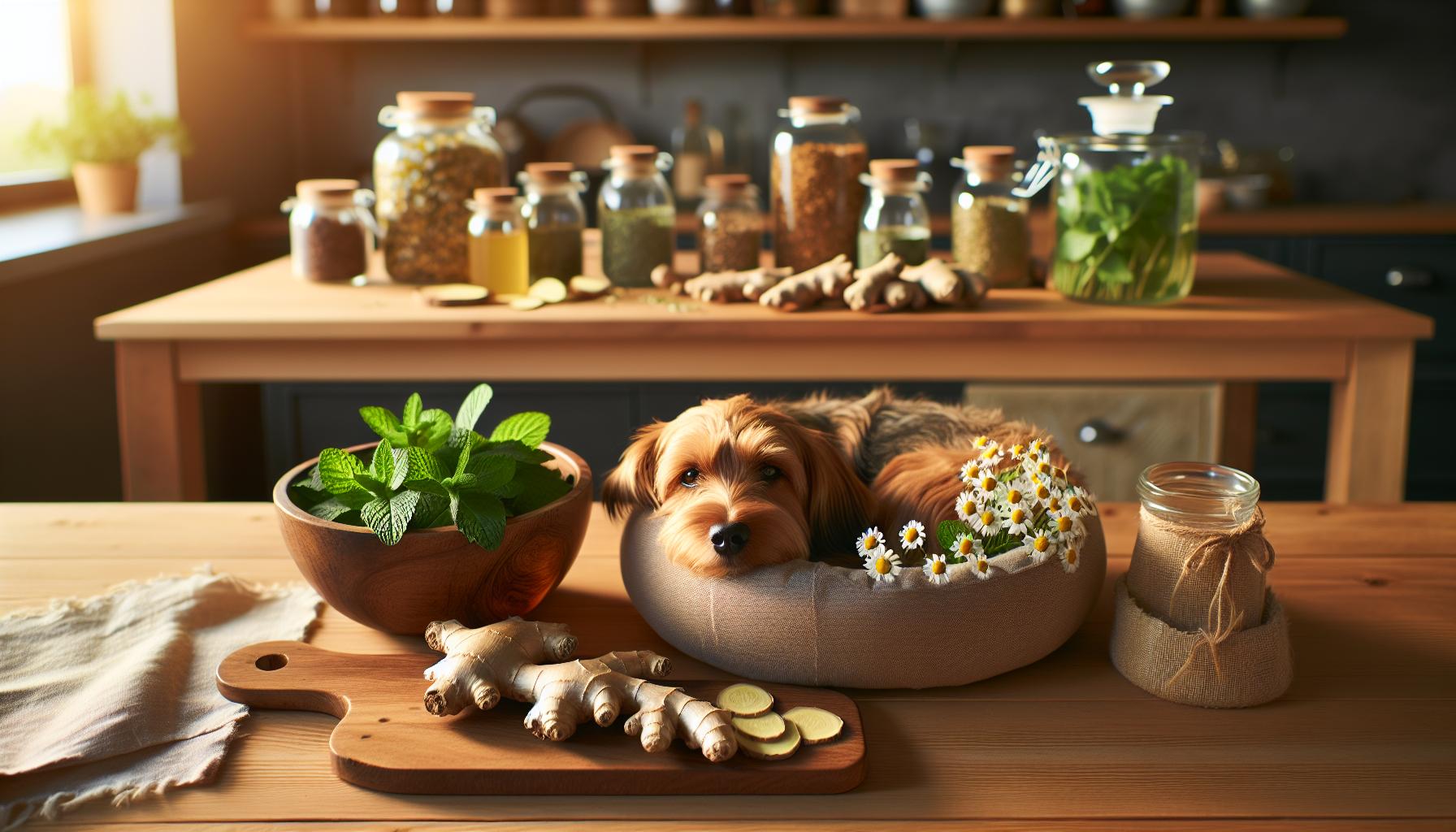
Home Remedies for Vomiting in Dogs: Safe and Effective Solutions
When your dog experiences vomiting, it can be distressing for both you and your furry friend. Fortunately, there are safe, natural home remedies that can help soothe their stomach and promote recovery. Many dogs experience digestive upset due to reasons like dietary indiscretion, stress, or minor infections, and acting swiftly can often alleviate their discomfort without the need for medication.
One effective remedy is to withhold food for a short period. Allowing a 12 to 24-hour fast gives your dog’s stomach a chance to settle. After the fasting period, gradually reintroduce a bland diet. Foods such as boiled white rice mixed with plain, boiled chicken (no skin or bones) are gentle on the stomach and can help firm up stools. Start with small servings, waiting a few hours in between feeds, to monitor your dog’s tolerance.
Another beneficial remedy is ginger, a natural anti-nausea agent. You can offer ginger tea by steeping a piece of fresh ginger in hot water and allowing it to cool before giving it to your dog in small doses. Additionally, introducing probiotics can support your dog’s gut health and restore balance. Probiotic supplements specifically formulated for dogs can help regulate their digestive system, particularly during recovery from vomiting.
Remember, hydration is crucial. Ensure your dog has access to fresh water to prevent dehydration. If your dog refuses to drink, offering diluted bone broth can be an appealing alternative that helps maintain hydration while providing nutrients. As you implement these remedies, keep a close eye on your dog’s condition. If vomiting persists or is accompanied by other concerning symptoms like lethargy or diarrhea, consult your veterinarian promptly to rule out any serious health issues.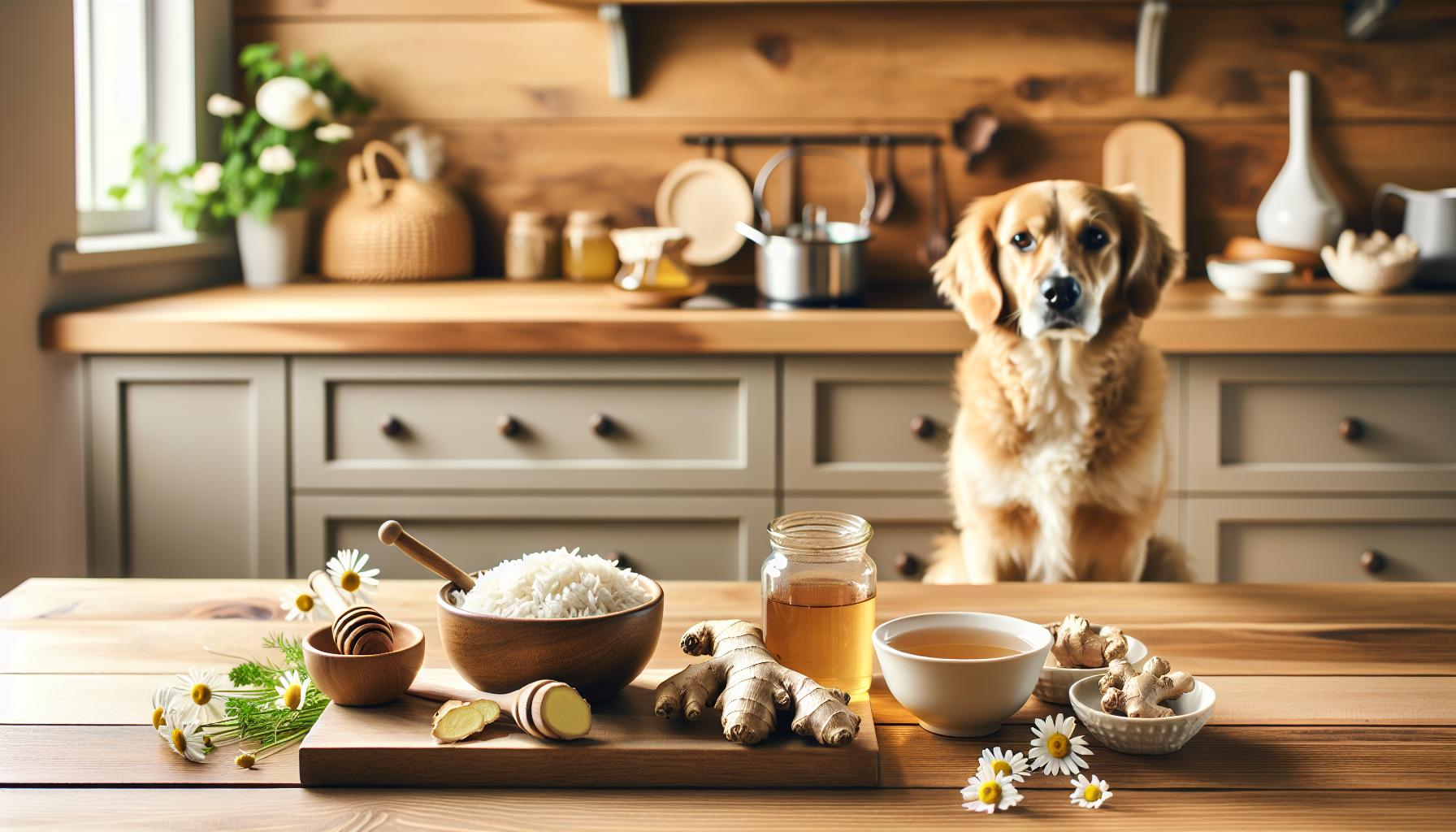
Natural Remedies for Diarrhea in Dogs: What You Need to Know
When your dog experiences diarrhea, it can be just as concerning as vomiting. This common digestive issue often results from dietary changes, stress, or minor infections, but there are several natural remedies you can employ to help your furry friend feel better. Quick action is essential, as prolonged diarrhea can lead to dehydration, but many effective home remedies can provide relief.
One of the first steps to take is to temporarily withhold food for 12 to 24 hours. During this fasting period, ensure your dog has access to plenty of fresh water to stay hydrated. After the fast, gradually reintroduce a bland diet. Options like plain boiled rice, pumpkin puree (not the spiced pie filling), or plain boiled chicken (without skin or bones) can be gentle on your dog’s stomach and help firm up their stools. It’s crucial to introduce these foods slowly; start with small portions and observe how your dog reacts.
In addition to dietary adjustments, incorporating certain natural ingredients can also aid in recovery. For example, pumpkin is high in fiber and can absorb excess water in the digestive tract, making it an excellent option to help manage diarrhea. A small amount of plain canned pumpkin mixed into their food can be very beneficial. Another helpful ingredient is probiotics, which promote healthy gut flora. You can either purchase dog-specific probiotic supplements or use plain, unsweetened yogurt in moderation, helping to restore balance in your dog’s digestive system.
While these remedies can be effective for mild cases, monitoring your dog’s condition is crucial. If diarrhea persists for more than a day or is accompanied by vomiting, lethargy, or other concerning symptoms, reach out to your veterinarian. Being proactive and attentive will not only help your dog recover faster but also provide you with peace of mind during their recovery process.
Identifying Common Causes of Tummy Upsets in Dogs
Understanding what triggers tummy troubles in dogs can empower you to intervene quickly and effectively. Many pet owners are surprised to learn that a dog’s digestive system is quite sensitive, and seemingly minor changes in their environment or diet can lead to significant digestive upset. Knowing the common causes can help you address issues promptly and confidently.
One of the most frequent culprits of tummy upsets is dietary indiscretion. Dogs are notorious for scavenging, and even a small amount of something they shouldn’t eat-like table scraps, spoiled food, or certain human foods-can lead to vomiting or diarrhea. It’s essential to monitor your dog’s eating habits closely and ensure they are fed a balanced diet that meets their nutritional needs.
Another potential cause is stress or anxiety. Dogs can be sensitive to changes in their environment, such as moving to a new home, the introduction of a new pet, or even changes in their owner’s routine. This stress can manifest in their stomachs, leading to discomfort or upset. Creating a calm, consistent environment for your dog can help alleviate stress-related tummy troubles.
Furthermore, infections-whether bacterial, viral, or parasitic-can wreak havoc on a dog’s digestive system. If your dog has been exposed to other animals or has recently been in unfamiliar areas, they may be at risk of picking up these infections. Observing other symptoms, like lethargy or fever, can be important indicators of a more serious issue that may require veterinary attention.
Recognizing these common causes-dietary indiscretion, stress, and infections-can help you take proactive steps. If you notice signs of digestive upset, it’s crucial to assess your dog’s behavior and environment. Keeping a log of any changes in their diet or routine can also help pinpoint the cause of the issue, making it easier to implement effective home remedies and, if necessary, consult with your veterinarian.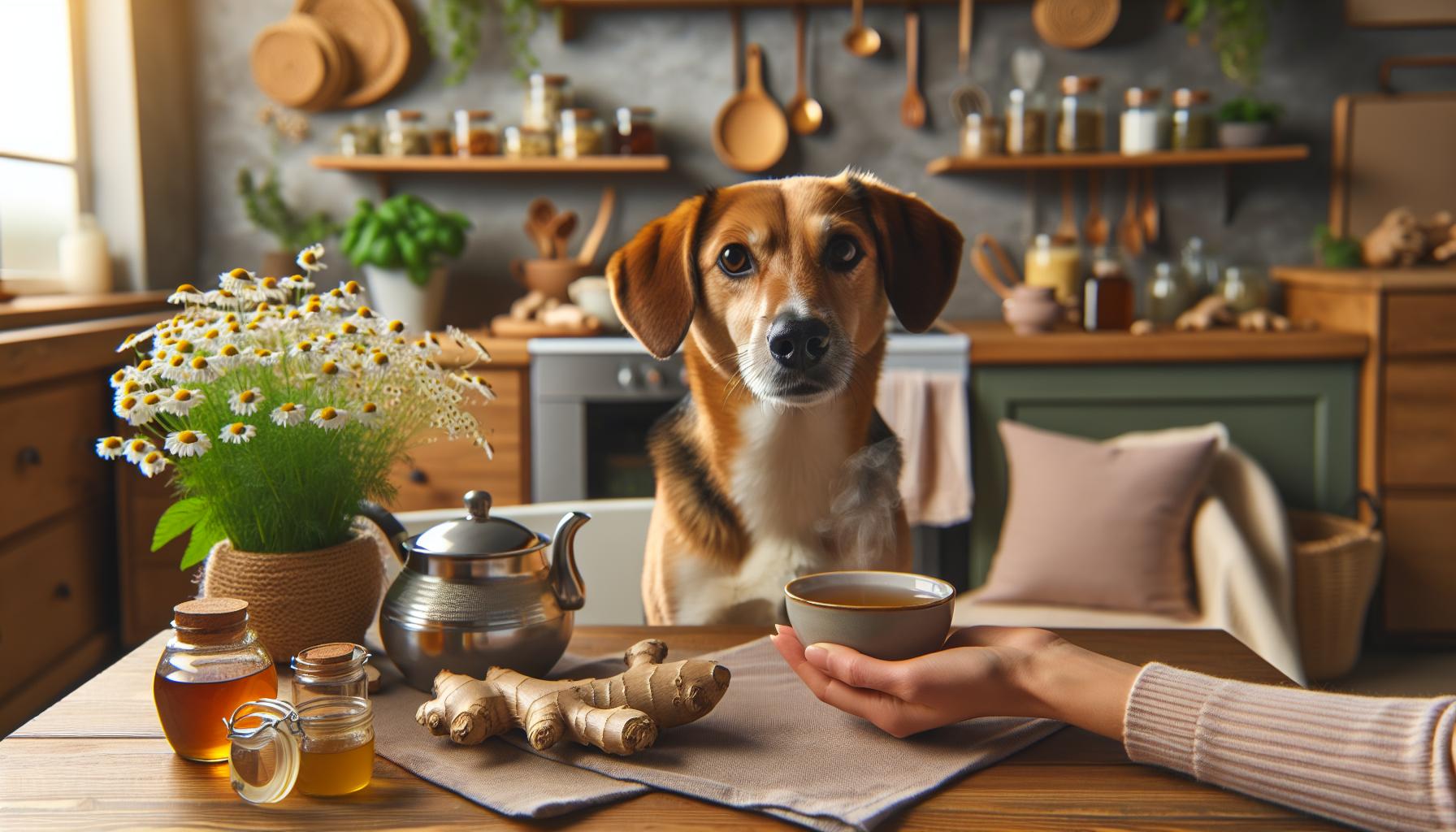
When to Consult a Veterinarian: Signs of Serious Issues
Recognizing when your dog needs medical attention can be challenging, especially during bouts of vomiting or diarrhea. While many tummy troubles can be resolved at home with natural remedies, some signs indicate that a visit to the veterinarian is necessary. If your dog exhibits any of the following symptoms, it’s important to act quickly.
Severe Symptoms to Watch For
- Persistent Vomiting: If your dog vomits more than twice in a 24-hour period, it may indicate a more serious issue that requires professional evaluation.
- Blood in Vomit or Stool: The presence of blood can signify internal bleeding or serious infections, necessitating immediate veterinary care.
- Dehydration Signs: Lethargy, dry gums, or loss of skin elasticity are clear indicators of dehydration, which can occur rapidly in dogs. If you suspect dehydration, consult your vet promptly.
- Prolonged Diarrhea: If diarrhea persists for more than a day or is accompanied by other symptoms like vomiting, it may lead to severe dehydration or indicate underlying health issues.
Additional factors to consider include your dog’s age, breed, and overall health history. Puppies and senior dogs, in particular, are more vulnerable to rapid onset of complications from digestive issues. If you notice that your dog is unusually lethargic, refuses to eat or drink, or exhibits any distress, these could be alarms that prompt a veterinary visit.
Maintaining an open line of communication with your veterinarian is essential. Provide them with as much information as possible, including any recent changes in your dog’s diet or environment, as this can help in diagnosing the issue. Taking note of the frequency and characteristics of your dog’s vomiting or diarrhea will aid the veterinarian in making an informed decision on the best course of action. Your vigilance and prompt attention could make all the difference in your dog’s recovery journey.
Soothing Foods for Dogs with Stomach Issues
If your furry friend is experiencing tummy troubles, choosing the right foods can be a soothing way to help them recover. Many pet owners find that certain easily digestible foods can calm an upset stomach and settle their dog’s digestive system. One of the most recommended options is plain, boiled chicken (without skin or seasoning) combined with white rice. This classic “chicken and rice” recipe provides a bland diet that is gentle on the stomach and offers protein without loading them up with fat or spices.
Another excellent choice is plain pumpkin puree. Not only is it rich in fiber, helping to firm up loose stools, but it also contains moisture that can aid in hydration. A small amount of canned pumpkin (not the spiced pie filling) mixed into their food can work wonders. Similarly, mashed sweet potatoes are gentle and rich in nutrients, providing a tasty alternative that is easy on the digestive tract.
If you’re looking for more variety, consider adding plain, unsweetened yogurt to their diet, as long as your dog is not lactose intolerant. Yogurt can help replenish beneficial bacteria in the gut and aid digestion, providing both soothing relief and a tasty treat. Introduce it gradually to avoid any stomach upset.
Finally, a simple bone broth can also be beneficial. Made by simmering bones in water for several hours, bone broth not only is nutritious but also easy for dogs to digest. It can be served on its own or poured over their food to enhance flavor and hydration.
Quick Tips for Preparing Soothing Foods
- Chicken and Rice: Boil chicken without skin, mix with white rice (1 part chicken to 2 parts rice).
- Pumpkin: Add 1-2 tablespoons of plain pumpkin puree to their food.
- Sweet Potatoes: Boil, mash, and mix with their regular food in small quantities.
- Yogurt: Mixed in small amounts if no lactose intolerance is present.
- Bone Broth: Create broth from simmered bones, strain, and serve warm.
Monitoring your dog’s response to these soothing foods is essential. If symptoms persist or worsen, don’t hesitate to consult your veterinarian.
The Role of Hydration: Electrolytes and Easy-to-Digest Liquids
Keeping your dog well-hydrated during bouts of vomiting or diarrhea is crucial for their recovery and overall health. When dogs experience gastrointestinal upset, they risk losing not only water but also vital electrolytes, which are essential for maintaining fluid balance and proper bodily functions. Offering the right liquids can help replenish these lost nutrients and ease your dog’s discomfort.
One easy and effective solution is to provide an electrolyte solution specifically formulated for pets. These solutions can typically be found at pet stores or through your veterinarian. Look for products with natural ingredients and no added sugars. If you prefer a homemade approach, you can create a simple rehydration solution by mixing one teaspoon of salt and one tablespoon of sugar with one liter of water. This mixture can help to restore electrolyte balance, but ensure your dog takes it in small amounts over time, rather than gulping it down all at once.
In addition to electrolyte solutions, consider offering easy-to-digest liquids such as plain, unsweetened yogurt, which can be passed to your dog in small portions to aid digestion and maintain gut health. Bone broth is another excellent option, as it’s not only hydrating but also provides essential nutrients. To prepare, simmer bones in water for several hours, strain the broth, and allow it to cool before offering it to your pet. Make sure it contains no onion or garlic, as these can be harmful to dogs.
Lastly, always ensure your dog has access to fresh, clean water, encouraging them to drink frequently. You might also try offering ice chips if they seem reluctant, as the cold may stimulate their interest. Regular hydration is vital in helping your furry friend bounce back from tummy troubles, so keep a close eye on their fluid intake and consult your veterinarian if symptoms persist or worsen.
Herbal Remedies for Vomiting and Diarrhea in Dogs
When your dog experiences vomiting or diarrhea, the search for gentle, effective remedies can be daunting. Thankfully, herbal remedies can offer natural relief and help restore balance in your furry friend’s digestive system. Nature provides a wealth of options that can be safely used to ease tummy troubles, making it easier for your pup to feel more comfortable and recover quickly.
Herbal Solutions to Consider
There are several herbs known for their soothing properties that can support your dog during gastrointestinal upset:
- Ginger: A well-known natural anti-nausea remedy, ginger can help settle your dog’s stomach. You can offer ginger in its raw form (a small piece of ginger root) or as a powdered supplement. Consult your veterinarian for the appropriate dosage based on your dog’s size.
- Peppermint: This herb can aid digestion and relieve gas, which is helpful when your dog has an upset stomach. A small amount of peppermint tea, cooled, can be offered in their water bowl. Again, moderation is key!
- Chamomile: Known for its calming effects, chamomile can soothe an upset stomach and alleviate nausea. Brew chamomile tea, allow it to cool, and offer it in small doses to help relax your dog and their gastrointestinal tract.
- Slippery Elm: This herb is often used as a remedy for digestive issues due to its mucilaginous properties, which coat the digestive tract. You can give slippery elm powder mixed with water to form a paste, serving it gently by mouth to your dog.
Administration Tips
Using herbal remedies is straightforward, but it’s essential to introduce them gradually to ensure your dog tolerates them well. Begin with small doses and monitor your dog’s response. Additionally, always consult with your veterinarian before starting any herbal treatment, particularly if your dog is on other medications or has pre-existing health conditions.
It’s encouraging to know that nature holds many solutions for our furry friends. With the right herbs and a little patience, you can help alleviate your dog’s discomfort and support their recovery journey. Remember that while these natural remedies can be effective, they should be part of a holistic approach to your dog’s health, including a proper diet and hydration.
Creating a Calm Environment: Reducing Stress for Your Dog
Creating a peaceful and comforting atmosphere can significantly alleviate stress for your dog, especially when they are experiencing tummy troubles. Dogs are highly sensitive to their environment, and a calm setting can help reduce anxiety, which in turn may ease symptoms like vomiting or diarrhea. By taking simple steps to create a soothing space for your furry friend, you can help facilitate their recovery and promote overall well-being.
Begin by designating a quiet area in your home where your dog feels secure. This space should be free from loud noises, such as television or music, and away from the hustle and bustle of daily activities. Consider using a comfortable dog bed or some soft blankets that smell familiar to your pet, which can serve to comfort them. You might also add a favorite toy or a piece of your clothing to the area, as these items can provide emotional reassurance.
Incorporating gentle scents can further enhance relaxation. Lavender and chamomile are known for their calming properties. You can use a diffuser to spread these soothing aromas throughout the designated area, or simply place a few drops on a cloth nearby. Make sure to monitor your dog’s reaction to any new scents. If they seem uncomfortable or show signs of distress, remove the scents immediately.
Physical comfort can be equally important in creating a calming environment. Ensure that your dog has access to fresh water at all times, as hydration is crucial for recovery. If they’re not drinking on their own, try offering ice chips or flavored liquids, such as low-sodium chicken broth, to stimulate their interest in hydration. Moreover, using soft, easy-to-digest foods during recovery can also help soothe their tummy, reinforcing that comforting atmosphere you are building.
Lastly, consider incorporating quiet, soothing sounds, such as soft music or nature sounds, to further create a peaceful ambiance. Alternatively, you could play calming dog sounds or white noise to mask any disruptive noises from outside. These elements can help keep your dog serene, making it easier for them to rest and recover from their digestive upset. By ensuring that your dog feels safe and cozy, you provide the essential support they need during this challenging time.
Preventive Measures: Keeping Your Dog’s Tummy Happy
Keeping your dog’s tummy happy requires a proactive approach that centers around their diet, lifestyle, and environment. By implementing simple preventive measures, you can significantly reduce the chances of tummy troubles like vomiting and diarrhea, ensuring your furry friend stays comfortable and healthy. A balanced diet is paramount; opting for high-quality dog food that suits your dog’s specific breed, age, and health needs lays the foundation for good digestive health. Incorporating fresh, whole ingredients can also enhance their nutrition while being easier on their stomachs.
Diet Management
Regularly scheduled meals prevent overeating, which can lead to digestive issues. Aim for small, consistent meals throughout the day instead of one large portion. Offer digestive-friendly foods such as plain cooked rice, sweet potatoes, or pumpkin, which are gentle on the stomach and can help firm up loose stools. Additionally, be cautious of table scraps and sudden diet changes; abrupt shifts can confuse your dog’s digestive system. If you wish to introduce a new food, do so gradually over a week to minimize disruption.
Hydration Matters
Alongside a balanced diet, ensuring your dog stays hydrated is essential. Dehydration can exacerbate digestive issues, especially during episodes of vomiting or diarrhea. Always provide fresh, clean water, and consider offering low-sodium broth or electrolyte solutions specifically designed for pets when they’re unwell. Not only does this promote fluid intake, but it can also help replenish lost electrolytes.
Create a Healthy Environment
The environment in which your dog eats can also impact their digestive health. Feeding your dog in a quiet, distraction-free area can lead to better eating habits, reducing anxiety during mealtime. Moreover, consider using elevated bowls if your dog is larger, as this can aid digestion and reduce the risk of bloat.
Regular Exercise
Finally, incorporate regular exercise into your dog’s routine. Keeping your dog active not only helps maintain a healthy weight but also improves digestion. Activities like walks, play sessions, or even interactive toys can stimulate their gastrointestinal system and promote regular bowel movements.
By adopting these preventive strategies and monitoring your dog’s habits closely, you can help maintain their digestive wellness. Consistent care, combined with natural remedies when needed, ensures that your beloved companion enjoys a happy, tummy-friendly life.
Homemade Diet Recipes for Recovery: Simple and Nutritious Options
When your furry friend is experiencing an upset stomach, preparing homemade meals can be a gentle yet effective way to help them recover. Simple ingredients can be comforting and easy to digest, providing essential nutrients without overwhelming their sensitive tummies. Here are some straightforward recipes that cater to dogs recovering from vomiting and diarrhea:
Chicken and Rice
One of the most recommended recipes for dogs with digestive issues is a classic combination of chicken and rice. This dish is bland yet nutritious, making it perfect for ensuring your dog gets enough energy without straining their tummy.
Ingredients:
- 1 cup of white rice
- 2 cups of water
- 1 cup of boneless, skinless chicken breast
Instructions:
- Rinse the rice under cold water to remove excess starch.
- In a saucepan, bring the water to a boil and add the rice.
- Reduce the heat, cover, and simmer for about 15-20 minutes until the rice is cooked.
- While the rice is cooking, poach the chicken in a separate pot of water until fully cooked (about 15 minutes).
- Allow the chicken to cool, then shred it into small, bite-sized pieces.
- Mix the shredded chicken with the cooked rice. Serve warm.
Pumpkin and Sweet Potato Mash
Pumpkin and sweet potatoes are fantastic for digestive health due to their high fiber content. This recipe not only helps firm up loose stools but also provides antioxidants.
Ingredients:
- 1 cup of cooked and mashed pumpkin (canned pumpkin pureé is fine)
- 1 cup of cooked and mashed sweet potato
Instructions:
- Boil sweet potatoes until tender, then peel and mash.
- In a bowl, combine the mashed pumpkin and sweet potato.
- Serve this mash to your dog as a small side dish or main meal.
Egg and Spinach Scramble
Eggs are a great source of protein and are gentle on the stomach. Combined with spinach, this meal offers a nutrient-dense option that is easy to digest.
Ingredients:
- 1 egg
- 1/4 cup of fresh spinach, chopped
Instructions:
- In a non-stick skillet, scramble the egg over low heat.
- Once the egg is almost cooked, add the chopped spinach.
- Cook until the spinach is wilted and the egg is fully cooked.
- Allow it to cool before serving.
Each of these recipes provides a tailored approach to your dog’s dietary needs during recovery. Always consult with a veterinarian before making significant changes to your dog’s diet, especially if they have pre-existing conditions. By carefully selecting ingredients and preparing them at home, you can help ensure that your dog gets back on their feet quickly while enjoying some tasty meals in the process.
Monitoring Your Dog’s Recovery: What to Watch For
Monitoring your dog’s recovery after experiencing vomiting or diarrhea can be crucial in ensuring they return to their happy, healthy self. Dogs, like humans, exhibit signs of their discomfort and health changes, and being attentive can make all the difference in their recovery journey. Keeping a close eye on your canine companion allows you to identify any potential setbacks requiring immediate intervention.
As you support your dog’s recovery, look for improvement in their symptoms. Ideally, you should first monitor their appetite and energy levels. A gradual return to normal eating habits and playful behavior is a good sign. If your dog is eating small portions of bland food-like the chicken and rice dish mentioned earlier-and showing curiosity or enthusiasm during meal times, you’re likely on the right track. Conversely, a continued lack of interest in food or lethargy may indicate a more serious underlying issue that warrants a vet’s attention.
Another important factor to observe is your dog’s bathroom habits. Ideally, you want to see a return to normal stool consistency. If your dog’s stools begin to firm up rather than remain loose or watery, that’s a positive indicator. However, if diarrhea persists for more than 24 hours or if you notice blood in the stool, it’s time to consult with a veterinarian. Additionally, keep an eye out for excessive vomiting. A single incident of vomiting might not be alarming, but multiple instances, especially if accompanied by other symptoms like lethargy or distended abdomen, should prompt immediate veterinary advice.
Finally, hydration is crucial during this recovery phase. Ensure your dog is drinking water regularly. Consider providing electrolyte solutions specially designed for pets if your dog seems dehydrated or has lost a significant amount of fluids. Look for signs of dehydration, such as dry gums, sunken eyes, or skin that doesn’t bounce back when you pinch it. Maintaining proper hydration can greatly influence how quickly your pup gets back on their paws.
By continuously observing these indicators, you’ll be equipped to respond to your dog’s needs effectively, ensuring they recover comfortably and swiftly. Remember, your patience and attentiveness play a vital role in their healing process, so stay engaged and advocate for their well-being.
Supporting Your Dog’s Gut Health: Probiotics and Beyond
Maintaining optimal gut health is essential for your dog, especially after experiencing vomiting or diarrhea. A balanced microbiome plays a crucial role in digestion, nutrient absorption, and overall immunity. Introducing probiotics and other gut-supportive elements can significantly aid recovery and prevent future tummy troubles.
Understanding Probiotics
Probiotics are beneficial bacteria that promote a healthy digestive system. Incorporating them into your dog’s diet can help restore the balance of gut flora after disturbances caused by illness or dietary changes. Look for high-quality probiotic supplements specifically formulated for dogs, which may come in powder, capsule, or chewable forms. Always ensure to choose a product with live and active cultures for maximum effectiveness.
Natural Sources of Probiotics
You can also boost your dog’s gut health with natural food sources that contain probiotics. Consider adding the following to their diet:
- Plain Yogurt: A small amount of unsweetened, plain yogurt can be a great natural source of probiotics. Aim for varieties with live cultures and no artificial sweeteners.
- Kefir: This fermented milk drink contains beneficial bacteria and yeast. Just like yogurt, choose plain kefir without added sugars or artificial flavors.
- Fermented Vegetables: Small quantities of fermented options like sauerkraut or kimchi (without garlic or onion) can add probiotics to your dog’s diet.
Beyond Probiotics: Supporting Gut Health
In addition to probiotics, consider integrating fiber-rich foods to support healthy digestion. Foods like pumpkin puree (not the sugary pie filling) and sweet potatoes can help regulate your dog’s bowel movements. These ingredients are not only soothing but also packed with nutrients.
Similarly, offering digestible proteins during recovery-such as boiled chicken or turkey-can help your dog’s stomach settle while providing necessary nourishment. These gentle foods minimize gastrointestinal stress and can help promote a gradual return to a regular diet.
Monitoring and Adjustments
As you introduce these gut-supporting elements, observe your dog’s reaction. Look for signs of improvement in their appetite and stool consistency. If your dog enjoys these additions and tolerates them well, consider making probiotics and fiber-rich foods a part of their long-term diet. However, if you notice any adverse reactions, such as worsening symptoms, it’s wise to consult your veterinarian for tailored advice.
By proactively supporting your dog’s gut health through probiotics and a balanced diet, you can help ensure a swift and successful recovery from tummy troubles. Your attentiveness can make a world of difference in your furry friend’s well-being.
Q&A
Q: What natural ingredients can help soothe my dog’s upset stomach?
A: Natural ingredients like plain cooked rice, boiled chicken, and pumpkin puree are excellent for soothing a dog’s upset stomach. These foods are easy to digest and can help firm up stool. Refer to the section on Soothing Foods for Dogs with Stomach Issues for specific recommendations.
Q: How can I tell if my dog’s vomiting is serious?
A: Signs that your dog’s vomiting may be serious include blood in the vomit, lethargy, or dehydration. If your dog displays these symptoms or vomits more than twice in a day, consult a veterinarian. For a more detailed guide, see the section on When to Consult a Veterinarian: Signs of Serious Issues.
Q: What homemade remedies can I try for my dog’s diarrhea?
A: You can prepare a bland diet using white rice mixed with boiled chicken, or include plain pumpkin to help with diarrhea. These remedies can aid digestion and solidify stool. Check out the section on Natural Remedies for Diarrhea in Dogs for more options.
Q: Is it safe to give my dog probiotics for digestive issues?
A: Yes, probiotics can be beneficial for dogs with digestive issues as they help maintain gut health. Look for dog-specific probiotic supplements, or consider natural sources like plain yogurt if your dog tolerates dairy. Visit the section on Supporting Your Dog’s Gut Health: Probiotics and Beyond for additional insights.
Q: When should I seek veterinary care for my dog’s vomiting and diarrhea?
A: Seek veterinary care if your dog is vomiting repeatedly, shows signs of dehydration, or if diarrhea persists for more than 24 hours. Immediate medical attention is critical for puppies and senior dogs. Find more specific signs in the section on When to Consult a Veterinarian: Signs of Serious Issues.
Q: Can stress cause stomach issues in dogs?
A: Yes, stress can lead to tummy upsets in dogs. Changes in environment, new family members, or loud noises can trigger stress responses. To help alleviate stress, create a calm environment and consider gradual adjustments. See Creating a Calm Environment: Reducing Stress for Your Dog for tips.
Q: What should I avoid feeding my dog when they are sick?
A: Avoid feeding your dog fatty foods, human food with spices, or dairy products when they are sick as these can aggravate their condition. Stick to bland diets until recovery, as outlined in the Soothing Foods for Dogs with Stomach Issues section.
Q: How does hydration affect my dog’s recovery from vomiting and diarrhea?
A: Hydration is crucial for recovery as it helps replace lost fluids and electrolytes. Provide fresh water and consider offering electrolyte solutions specifically formulated for dogs. For more hydration tips, refer to the section on The Role of Hydration: Electrolytes and Easy-to-Digest Liquids.
Concluding Remarks
If your dog is experiencing tummy troubles, don’t wait for them to feel better on their own. Implementing these natural home remedies can offer quick relief and help restore their comfort. Always keep a close eye on their condition, and if symptoms persist, consider reaching out to a veterinarian for further guidance.
For more solutions to enhance your pet’s health, check out our articles on “Natural Remedies for Dog Digestive Issues” and “Essential Oils Safe for Dogs.” Join our newsletter for exclusive tips and stay updated on the latest pet care advice. Your furry friend deserves the best, and you can be the hero they need!
Don’t forget to share your experiences in the comments below and connect with our community of pet owners. Together, we can ensure every pet stays happy and healthy!


