


Parvovirus is a serious concern for puppies, and it can be distressing for any pet owner to see their playful companion fall ill. Did you know that with prompt care and supportive home remedies, you can help your pup recover and regain their zest for life? This guide will explore effective natural remedies that not only support recovery from parvo but also boost your puppy’s overall health.
As a pet parent, your primary goal is to ensure your furry friend feels comfortable and loved during this challenging time. You may be wondering what you can do to aid their healing process alongside veterinary care. From nutritional boosts to soothing remedies, the right home strategies can make a meaningful difference. Join us on this journey to discover simple, gentle solutions that empower you to help your puppy thrive again.
Understanding Canine Parvovirus: Symptoms and Risks
Canine parvovirus (CPV) is a highly contagious virus that poses a significant risk to puppies, especially those between six weeks and six months of age. Understanding the symptoms and risks associated with this disease can empower pet owners to act quickly and effectively. Common signs of parvovirus include severe vomiting, diarrhea (often bloody), lethargy, loss of appetite, and abdominal pain. These symptoms can lead to rapid dehydration and require immediate veterinary intervention, as the condition can escalate quickly and prove fatal if not treated promptly.
One noteworthy aspect of parvovirus is how it spreads. It is transmitted through direct contact with an infected dog or contaminated surfaces. The virus can survive in the environment for months, making it crucial for pet owners to maintain clean areas and avoid high-risk environments, particularly for young or unvaccinated puppies. Awareness of these risks can significantly reduce the chance of infection.
While it’s essential to consult with a veterinarian upon noticing symptoms, understanding how to support your puppy’s health naturally can be helpful. Simple practices such as ensuring a nutritious diet, maintaining hydration, and creating a calm recovery environment can significantly aid in their recovery. By being proactive and informed, you can better navigate the challenges of parvovirus and provide your pup with a supportive healing experience.
Incorporating safe, natural remedies can assist in addressing symptoms and aiding recovery. Always remember that while natural care is beneficial, it should complement veterinary advice and treatment for effective healing.
Natural Remedies for Parvo: The Power of Nutrition
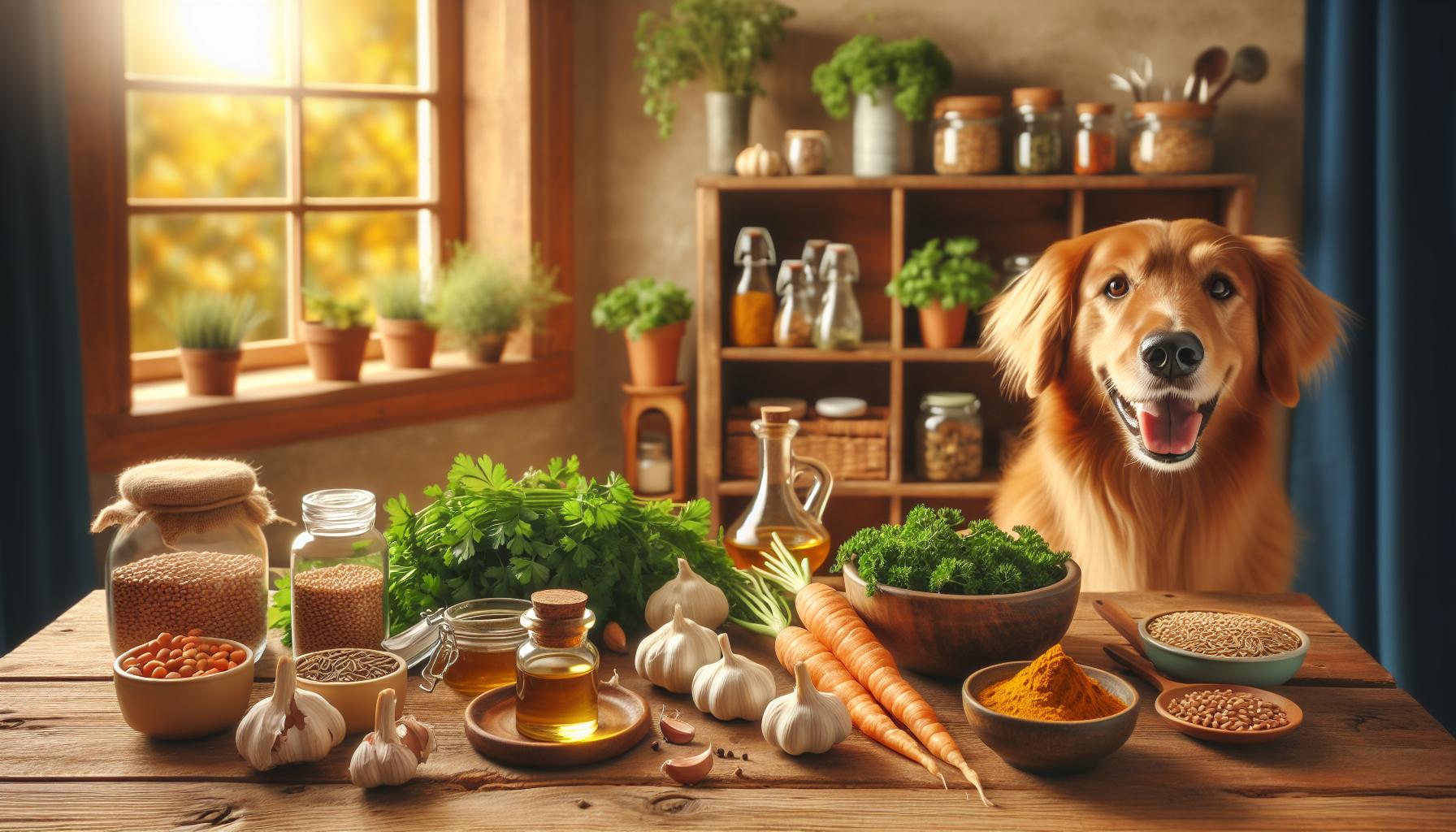
Puppies battling parvovirus need all the support they can get, and nutrition plays a crucial role in their recovery. Providing a diet rich in essential nutrients can help bolster their immune system, aid digestion, and restore their energy levels. Just like humans, dogs can benefit from specific foods that are gentle on their stomachs yet packed with vitamins and minerals to assist healing.
Start with easily digestible foods such as boiled chicken, turkey, or lean beef combined with plain white rice or sweet potatoes. This combination can provide protein and carbohydrates without overwhelming their sensitive digestive systems. You can also consider offering mashed bananas or pumpkin puree, both of which are rich in fiber and can help soothe the gastrointestinal tract. Always ensure that any new food is introduced gradually to avoid overwhelming their system during recovery.
Incorporating Nutrient-Dense Additions
Including certain nutrient-dense additions can enhance your puppy’s meals, contributing to a solid recovery. Here are some beneficial options:
- Bone Broth: Rich in minerals and collagen, bone broth is soothing for the stomach and can stimulate your puppy’s appetite.
- Probiotics: Consider adding a probiotic supplement or plain yogurt to their diet to help restore healthy gut flora, essential after bouts of diarrhea.
- Eggs: Scrambled or boiled eggs can provide an excellent source of protein and are gentle on the stomach.
These additions not only aid in recovery but can also make meals more appealing to a puppy that may be hesitant to eat.
Monitoring and Adjusting Diet
While it’s important to provide nutrition, keeping a close watch on how your puppy responds to different foods is equally vital. If you notice any signs of discomfort or an upset stomach after introducing new foods, it may be wise to revert to bland options and consult your veterinarian for specific dietary recommendations tailored to your puppy’s condition.
Supporting your puppy through their parvovirus recovery with the right nutrition can make a significant difference in their overall health. Remember to provide a calm environment and monitor their mood and energy levels as you incorporate these natural remedies into their care regimen. These thoughtful, nutritious choices empower you as a pet owner to help your furry friend regain their vitality and well-being.
Hydration is Key: Natural Fluids for Your Puppy
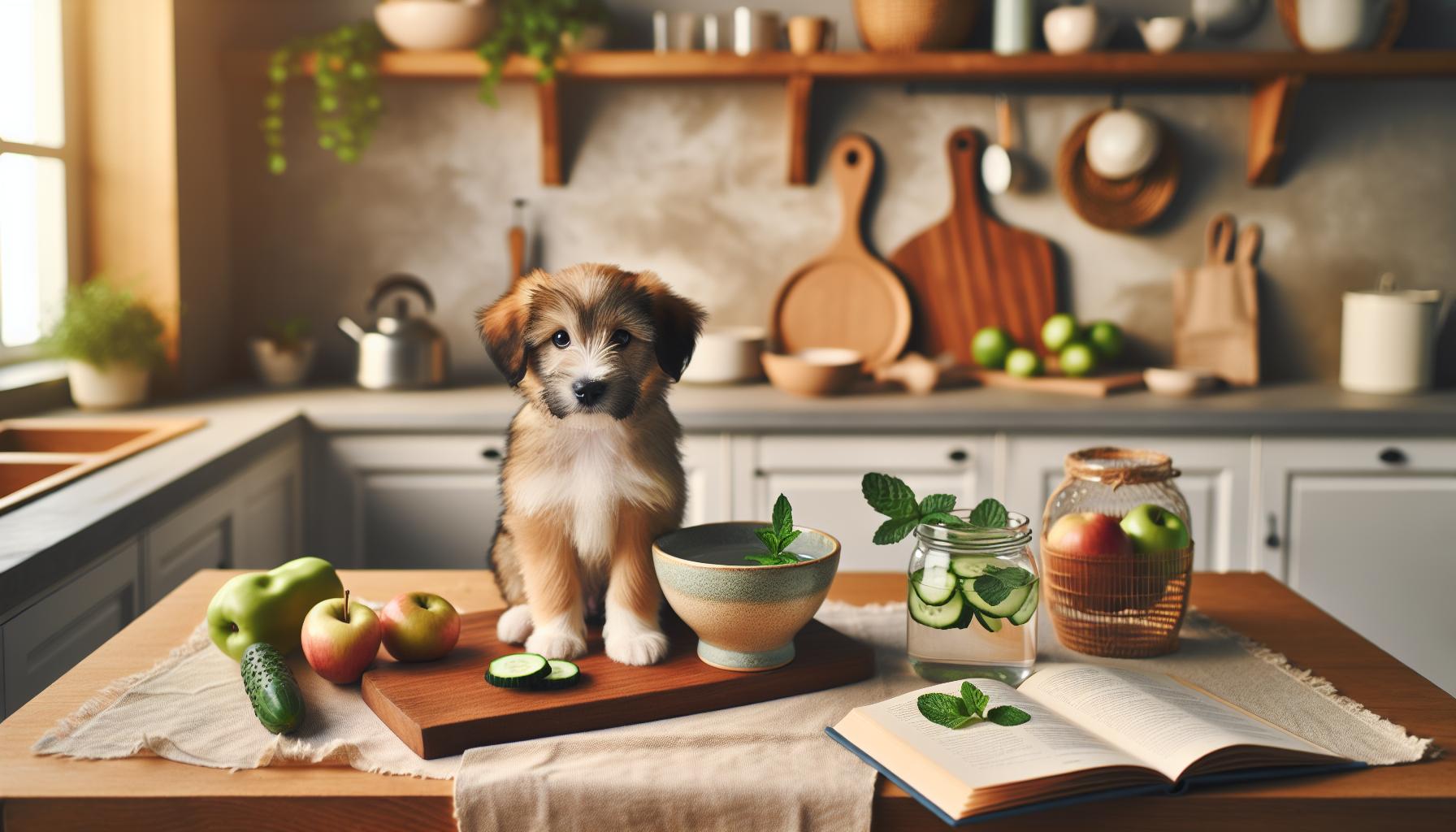
To ensure a successful recovery from parvovirus, maintaining proper hydration for your puppy is paramount. Dehydration not only exacerbates the symptoms of this serious illness but can also lead to further complications. Puppies with parvo often experience severe diarrhea and vomiting, making it crucial to replace lost fluids effectively. Fortunately, there are several natural methods to keep your furry friend hydrated and support their health during this challenging time.
Start with electrolyte solutions, which can be vital in replenishing lost minerals and maintaining hydration. A simple homemade solution can be made by mixing 1 liter of clean, filtered water with a half teaspoon of salt and a quarter teaspoon of baking soda. This mixture can help restore electrolyte balance. Additionally, offering low-sodium chicken or beef broth can provide both hydration and nourishment, making it more appealing for your puppy. Ensure the broth is free from onions and garlic, as these can be harmful to dogs.
For those puppies who find it challenging to drink, try using a syringe or dropper to offer fluids directly. This method can be effective in ensuring they receive enough hydration, especially if they are reluctant to drink on their own. Gently squirt the liquid into the side of their mouth to make the process comfortable for them. If your puppy responds positively to this, gradually increase the amount you provide.
Lastly, encourage hydration by offering fresh water frequently and making it easily accessible. Remember to monitor your puppy’s hydration levels by checking for signs such as dry gums or lethargy. Keeping an eye on their urine output is also essential; a decrease may indicate a need for more fluids. With consistent care and attention to hydration, you can help your puppy move towards recovery with greater comfort and support.
Herbal Support: Beneficial Plants for Recovery
In the journey to recovery from parvovirus, herbal support can play a vital role in bolstering your puppy’s health. Various plants have been recognized for their therapeutic properties, helping to soothe symptoms and strengthen the immune system. Integrating these into your puppy’s care routine can provide gentle support while they recover from this challenging illness.
One powerful herb is ginger, known for its anti-nausea benefits. It can help alleviate vomiting and keep your puppy more comfortable during recovery. You can prepare a mild ginger tea by steeping a small piece of fresh ginger in hot water. Once cooled, offer it to your puppy in a small amount-just a few teaspoons to start, ensuring that it’s well tolerated.
Another beneficial herb is chamomile, which has anti-inflammatory and calming properties. Chamomile tea can aid in soothing an upset stomach and promoting relaxation. To prepare chamomile tea, steep chamomile flowers in boiling water, allow it to cool, and then offer it in small, safe doses. Always consult your veterinarian before introducing new herbs, especially if your puppy is on medication.
Finally, consider incorporating marshmallow root, which may help soothe the digestive tract and maintain hydration. You can find marshmallow root in powdered form at health food stores or as a tea. Make a gentle tea and offer it to your puppy in small sips to help support their recovery.
When using herbal remedies, always prioritize your puppy’s safety by doing thorough research and consulting with your veterinarian prior to introducing any new plants. Remember, while herbs can offer support, they should complement, not replace, conventional veterinary care. Your attentive and loving care during this time can significantly impact your puppy’s recovery path.
Probiotics: Restoring Gut Health Naturally
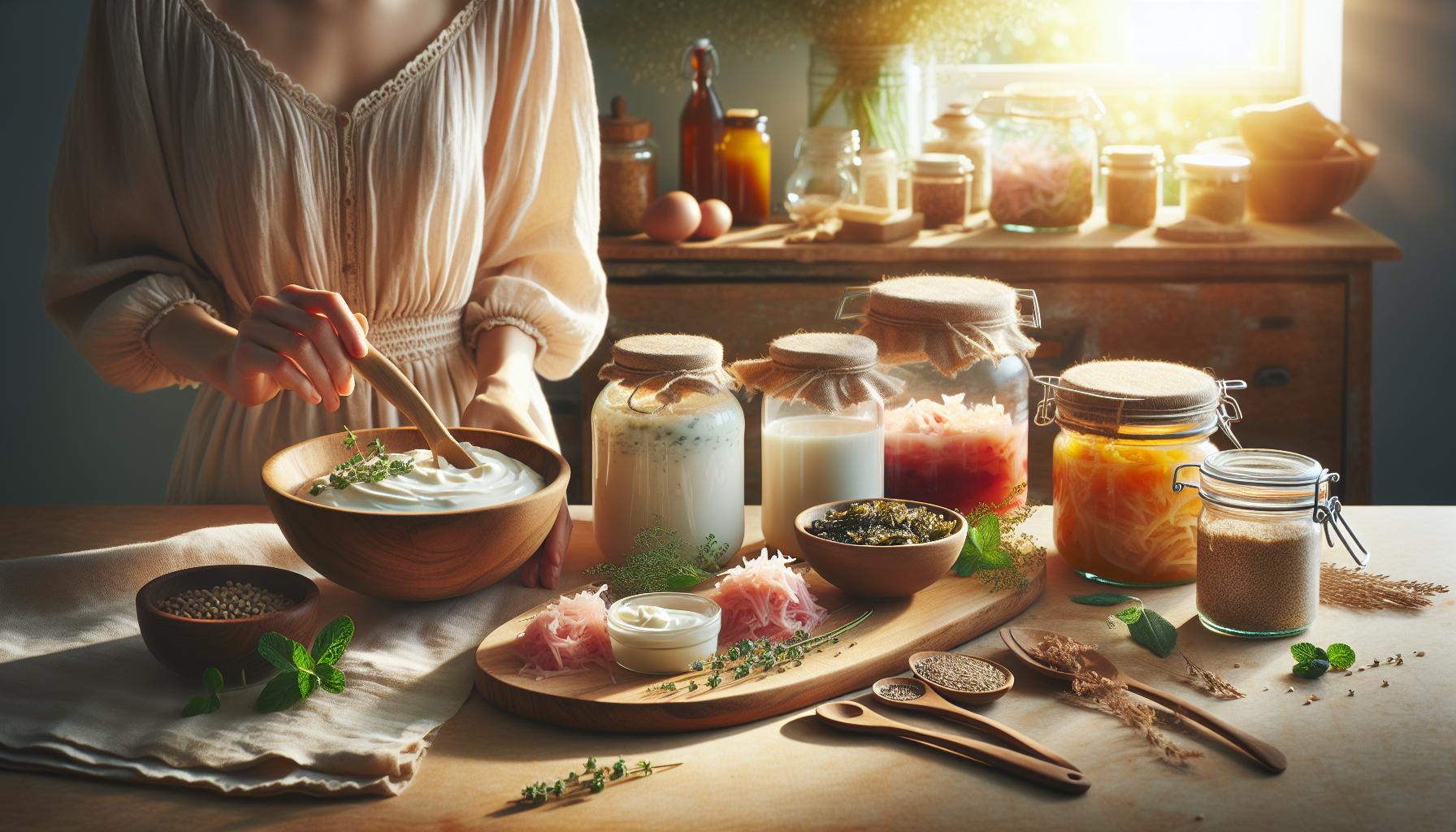
Restoring gut health is a crucial part of the recovery process for puppies battling parvovirus. Probiotics, which are beneficial live bacteria, can play a significant role in reestablishing a healthy digestive system. After a bout of parvovirus, many puppies experience gastrointestinal distress, which can disrupt the delicate balance of gut flora. By introducing probiotics, you help replenish these good bacteria, improving digestion and enhancing the immune response.
A practical approach to incorporating probiotics into your puppy’s diet is through natural sources. Foods like plain, unsweetened yogurt or kefir can be beneficial, as they are rich in live cultures. Start with a small amount-about a teaspoon for small breeds or a tablespoon for larger ones-and monitor your puppy’s response before gradually increasing the quantity. Keep in mind that not all yogurts are suitable; opt for those that contain no added sugars or artificial flavors. Always consult your veterinarian regarding the appropriate types and amounts of probiotics for your specific puppy’s condition and dietary needs.
In addition to dairy sources, consider probiotic supplements designed specifically for pets. These are often available in powder or chewable form, providing an easy and safe way to introduce beneficial bacteria. Look for products containing strains like Lactobacillus acidophilus or Bifidobacterium animalis, which are known to support canine digestive health. Following the manufacturer’s dosing guidelines is essential to avoid overwhelming your puppy’s system.
Lastly, monitor your puppy closely during this recovery period. Signs of improvement, such as firming up stool and increased vitality, indicate that the probiotics are positively impacting their gut health. If any adverse reactions occur, such as vomiting or diarrhea, consult with your veterinarian promptly. Restoring gut health through probiotics not only aids in recovery from parvovirus but also sets the foundation for your puppy’s long-term health and well-being.
Homemade Electrolyte Solutions for Puppies
When a puppy is suffering from parvovirus, maintaining hydration is critically important. This deadly virus can lead to severe dehydration due to vomiting and diarrhea, making homemade electrolyte solutions a lifeline for your furry friend. These solutions can help replenish vital fluids and electrolytes lost during illness, supporting your puppy’s recovery.
To prepare a simple electrolyte solution at home, you will need:
- 1 liter of clean water
- 1 teaspoon of salt (preferably sea salt)
- 1 teaspoon of baking soda
- 1 tablespoon of sugar or honey (avoid honey for puppies under one year)
Combine all the ingredients in a clean container until fully dissolved. This mixture will provide essential electrolytes like sodium and potassium, beneficial for restoring your puppy’s hydration levels.
How to Administer the Electrolyte Solution
Start by offering small amounts of the homemade electrolyte solution to your puppy. Use a clean syringe or dropper to give your puppy the solution gradually, if they’re hesitant to drink from a bowl. Aim for about 5-10 ml every 10-15 minutes, especially if they are dehydrated. Monitor their response and adjust the amount based on their comfort and willingness to consume the solution.
Always keep a close eye on your puppy during this time. If they show signs of improvement-more energy, less vomiting, and normal urination-continue administering the electrolyte solution until they can resume regular hydration. If you notice any signs of distress or if your puppy refuses the solution, it is crucial to reach out to your veterinarian for further assistance.
By using a homemade electrolyte solution, you provide your struggling puppy with an added layer of care, ensuring they stay hydrated as they fight through the challenging effects of parvovirus.
Gentle Care Practices: Comforting Your Puppy
When your puppy is battling parvovirus, providing comfort can be as essential as hydration and nutrition. They may feel weak and vulnerable, so creating a soothing environment can significantly enhance their sense of security and well-being. By focusing on gentle care practices, you can help them feel safe and supported, which is vital during their recovery.
Start by establishing a quiet, cozy space for your puppy to rest. Use soft blankets or a heated pad (set on low) to create a warm, inviting area where they can relax. Surrounding them with familiar toys can also offer comfort, as these items may remind them of happier, healthier times. Ensure the space is free from loud noises and disturbances to minimize stress and anxiety.
Additionally, regular gentle handling can help. Approach your puppy calmly and speak soothingly to them, letting them know you’re there to help. Short, soft petting sessions provide reassurance, and you can even try gently massaging their legs and back to promote relaxation. This touch can be comforting and help strengthen your bond during this difficult time. Remember to watch their signals; if they seem uncomfortable or reluctant to be touched, allow them space and return once they feel more receptive.
Lastly, consider using natural calming aids. Herbal remedies like chamomile or valerian root can have a soothing effect but should be used under the guidance of a veterinarian. Creating a calming atmosphere with dim lighting or soft music can also help alleviate their anxiety. Together, these gentle care practices can provide your puppy with the comfort and support they need while they fight against parvovirus. Your love and attention during this critical time will make a difference in their recovery journey.
Incorporating Restorative Care: A Healing Environment
Creating a nurturing environment for your puppy during their recovery from parvovirus is crucial for their emotional and physical well-being. A healing atmosphere not only promotes relaxation but also aids the recovery process. Dogs, especially when unwell, are sensitive to their surroundings. By intentionally designing a calm and restorative space, you can provide them with the security they need to heal.
Start by selecting a quiet area of your home away from the hustle and bustle of daily activities. This space should be easily accessible yet removed from distractions and stressors. Use soft bedding, like a plush dog bed or soft blankets, to make this area comfortable. If your puppy enjoys warmth, consider placing a heating pad set on low beneath the bedding to help soothe their aches. It’s also beneficial to maintain a comfortable temperature in the room; a slightly warmer environment can help keep your puppy relaxed.
In addition to physical comfort, consider the emotional aspect of their healing environment. Surround your puppy with items that offer them a sense of familiarity and security. Favorite toys, a piece of your clothing, or even a blanket that smells like home can provide comfort. Taking care to maintain a low noise level is also essential. Soft music or quiet white noise machines can mask sudden sounds and create a soothing atmosphere. If your puppy is particularly anxious, you may find that diffusing calming essential oils, like lavender, can further enhance relaxation. However, always confirm with your veterinarian that these oils are safe for pets before using them.
During this time, gentle interactions will also contribute to the healing environment. Spend time sitting quietly with your puppy, offering soft strokes and gentle reassurance. Your presence can help alleviate their stress, helping them feel more at ease. The goal is to create a safe haven where your puppy feels loved and protected, allowing them to focus on recovery rather than their illness. As you cultivate this nurturing space, remember that your love and attention play an invaluable role in their journey back to health.
Monitoring Recovery: When to Seek Veterinary Help
Recognizing when your puppy’s condition requires veterinary attention is crucial, especially when dealing with a serious illness like parvovirus. While many owners may feel empowered to implement home remedies, it’s essential to monitor your puppy’s recovery closely. Promptly addressing any concerning signs can be the difference between life and death for these vulnerable pets.
Look for significant changes in symptoms or behavior. If your puppy shows no improvement after a few days of home treatment, or if symptoms worsen, such as increased lethargy, persistent vomiting, bloody diarrhea, or severe dehydration, it is time to consult a veterinarian. Signs that necessitate immediate veterinary intervention include:
- Continued vomiting or refusal to eat: If your puppy cannot keep food or water down for more than 24 hours, professional care is necessary.
- Dehydration: Signs of dehydration include dry gums, lethargy, and a loss of skin elasticity. If you notice these signs, seek veterinary help.
- Bloody stools: The presence of blood in the stool can indicate severe intestinal damage, requiring urgent veterinary treatment.
- Severe lethargy: A puppy that becomes increasingly weak and unresponsive may need immediate medical assistance.
In addition to these red flags, it’s wise to keep a journal of your puppy’s symptoms and any home care interventions. This log can help a veterinarian assess the situation more accurately if a visit becomes necessary.
Understand that while natural remedies can be supportive, they may not replace the need for professional care in critical cases. If you’re ever in doubt about your puppy’s condition, it’s better to err on the side of caution and consult a vet. Your furry friend’s well-being depends on your vigilant care and timely actions.
Preventative Measures: Protecting Your Pup from Parvo
Taking proactive steps to ensure your puppy stays healthy is an essential part of responsible pet ownership, especially when it comes to protecting against serious diseases like parvovirus. Canine parvovirus is highly contagious and can spread quickly among dogs, particularly in environments where they are in close contact with each other, such as parks or kennels. The good news is that there are several effective preventative measures you can take to keep your pup safe from this threatening virus.
Start with vaccination, the cornerstone of parvo prevention. Vaccinating your puppy against canine parvovirus, typically starting at six to eight weeks of age, is critical. Follow the vaccination schedule provided by your veterinarian, as the initial series of vaccines will greatly reduce the risk of infection and strengthen your puppy’s immune system. After the initial vaccinations, your dog may receive booster shots to maintain immunity throughout their life.
In addition to vaccination, you should also be mindful of your puppy’s environment. Limit exposure to areas where unvaccinated dogs frequent until your puppy is fully vaccinated. This is especially important in the first few months of their life when their immune systems are still developing. If you have multiple pets, ensure that they are all up to date on their vaccinations to minimize the risk of bringing the virus home. Another key aspect is maintaining cleanliness in your dog’s living space-regularly disinfect surfaces and avoid letting your pet interact with feces from other dogs, as the virus can survive in the environment for long periods.
Socialization is vital for your pup’s development, but it should be done carefully. Take your puppy to interaction settings that are known to be safe, such as socialization classes or areas where you are confident other dogs have been vaccinated. When introducing your puppy to new dogs, do so gradually, watching for any signs of illness.
Lastly, a strong immune system can act as an additional line of defense. Feeding your puppy a balanced diet rich in high-quality proteins, vitamins, and minerals will support their overall health and resilience against diseases. Incorporating foods high in antioxidants, such as blueberries or carrots, can further bolster immune responses. Ensuring your puppy has regular check-ups with the vet will help catch any potential health issues early.
By focusing on these preventative measures, you can significantly reduce the risk of your puppy contracting parvovirus and foster a healthy, vibrant start to their life. Empowering yourself with knowledge and proactive care will not only protect your furry friend but also provide peace of mind as a pet owner.
Resources for Pet Owners: Supportive Communities and Literature
Finding trustworthy support and resources can be a lifeline when managing your puppy’s health, especially during challenging times like dealing with parvovirus. Many pet owners successfully navigate these difficulties by connecting with knowledgeable communities and accessing a wealth of literature dedicated to canine health care. This shared knowledge can empower you to implement effective home remedies and holistic approaches.
One of the best places to seek guidance is through online support groups and forums where fellow pet owners share experiences, tips, and successes related to parvo recovery. Websites like Facebook have numerous pet health groups where members can ask questions and receive advice on natural remedies, nutrition, and care practices. Engaging in discussions can provide you with a sense of community and alleviate some of the fears associated with your puppy’s condition.
Additionally, delving into literature focused on canine health and natural remedies can prove invaluable. Many books and e-guides offer comprehensive insights into pet care, emphasizing nutritional benefits and natural healing practices. Look for titles that discuss holistic treatments or homeopathic remedies specifically for dogs. For instance, resources that cover the importance of hydration, the use of probiotics, or herbs that support recovery are particularly relevant. Websites for veterinary schools or animal health organizations often publish articles or brochures that can deepen your understanding of parvovirus and its treatment pathways.
Lastly, local veterinary clinics and pet supply stores may host workshops or provide access to printed material that focuses on natural remedies and preventative care. These establishments often have knowledgeable staff who can guide you in selecting appropriate supplements or dietary changes that can support your pup’s recovery.
In summary, whether through community support, literature, or direct consultations, a myriad of resources is available to assist you in caring for your puppy. Embracing these options allows you to foster an environment of healing and wellness, ensuring your furry friend receives the best chance at recovery while instilling confidence in your caregiving capabilities.
FAQ
Q: What are the signs of parvo in puppies that require home remedies?
A: Common signs of parvo in puppies include severe vomiting, diarrhea (often bloody), lethargy, loss of appetite, and dehydration. If you notice these symptoms, immediate home remedies focusing on hydration and nutrition can help support your puppy until you seek veterinary care for a comprehensive treatment plan.
Q: How can I help my puppy recover from parvo at home?
A: To aid your puppy’s recovery from parvo at home, focus on hydration with homemade electrolyte solutions and providing easy-to-digest foods. Additionally, incorporating probiotics can restore gut health, which is crucial after parvovirus. Monitor your puppy closely for any worsening symptoms to ensure timely veterinary intervention when necessary.
Q: What natural foods can I give my puppy with parvo?
A: Natural foods beneficial for a puppy with parvo include plain boiled rice, pumpkin puree for its fiber content, and easily digestible proteins like cooked chicken. These foods can help soothe the digestive system, allowing your puppy to recover without overwhelming its stomach.
Q: When should I consider taking my puppy to the vet during parvo treatment at home?
A: If your puppy shows signs of severe dehydration, persistent vomiting or diarrhea, or if symptoms worsen despite home care, seek veterinary attention immediately. Early veterinary intervention can provide critical treatments, such as IV fluids or medications, that may be necessary for recovery.
Q: Can herbal remedies be effective for treating parvo in puppies?
A: Yes, certain herbal remedies can support recovery from parvo in puppies. Herbs like ginger and slippery elm can soothe the gastrointestinal tract and reduce nausea. However, consult your veterinarian before introducing any herbal treatments to ensure they are safe and appropriate for your puppy’s condition.
Q: How important is hydration for a puppy with parvo?
A: Hydration is crucial for a puppy suffering from parvo since the virus causes severe fluid loss due to vomiting and diarrhea. Providing fluids through homemade electrolyte solutions or even small amounts of water frequently can help prevent dehydration and support recovery.
Q: What is the best way to make homemade electrolyte solutions for puppies?
A: To make a homemade electrolyte solution for puppies, mix 1 liter of water with 1 teaspoon of salt, 1 tablespoon of sugar, and a splash of electrolyte drink like Pedialyte. Offer this solution in small amounts frequently to keep your puppy hydrated and help balance electrolytes lost due to illness.
Q: How can I create a calming environment for my puppy recovering from parvo?
A: Create a calming environment by providing a quiet, comfortable space with soft bedding. Limit noise and foot traffic to help reduce stress. Gentle handling and ensuring your puppy is warm and cozy will promote relaxation and aid recovery during this critical time.
For further detailed guidance on care and nutrition, check out the sections on nutrition and gentle care practices in our article.
Insights and Conclusions
Caring for a puppy with parvo can be challenging, but these home remedies can provide natural support during this tough time. Remember, it’s essential to act quickly and consult your veterinarian for guidance. For more tips on keeping your furry friend healthy, check out our articles on “Natural Supplements for Puppy Health” and “Home Care Tips for Sick Pets.”
Don’t wait-start implementing these remedies today to give your pup the best chance at recovery! If you found this guide helpful, please share your thoughts in the comments below, and don’t forget to subscribe to our newsletter for more valuable insights. Together, we can ensure your beloved pet receives the care they deserve! Your dedication as a pet parent truly makes a difference. Explore more resources on our site, and let’s keep your puppy’s tail wagging!


