


Did you know that parvovirus is one of the most serious viral infections affecting dogs, particularly puppies? As a pet owner, it’s natural to feel anxious when your furry friend is struggling with this illness. But while veterinary care is crucial, many owners seek gentle, supportive home remedies to help their dogs through recovery.
In this guide, we’ll explore safe, natural methods to bolster your dog’s immune system and enhance their recovery process. From herbal infusions to nutritious broths, these remedies can provide comfort and aid healing, all while allowing you to take an active role in your pet’s care. Understanding these gentle approaches can empower you to make informed choices that promote your dog’s well-being, ensuring they receive the love and support they truly need during this challenging time. Let’s dive into the world of home remedies and discover how you can make a positive difference in your dog’s recovery journey.
Home Remedies to Boost Your Dog’s Immune System
To support your dog’s immune system during recovery from parvo, consider incorporating these natural remedies that are gentle yet effective. A strong immune system can significantly aid your furry friend’s healing process and bolster their overall health.
One powerful way to enhance immunity is through diet. Including antioxidant-rich foods can play a vital role. Foods like blueberries, sweet potatoes, and spinach can offer a nutritional boost. You can easily mix these into their regular meals. Additionally, consider adding cooked pumpkin; it not only helps with digestion but also provides essential nutrients that can aid recovery.
Another home remedy for boosting immunity is bone broth. Rich in vitamins, minerals, and amino acids, bone broth can help nourish your dog while being gentle on their stomach. You can make homemade bone broth by simmering bones (preferably from grass-fed animals) in water for 24 hours. Once cooled, strain the mixture, and serve it warm to your dog. This not only provides hydration but also supports gut health.
Also, incorporating specific herbs known for their immune-boosting properties can be beneficial. Turmeric is highly regarded for its anti-inflammatory and antioxidant effects. You can sprinkle a small amount of turmeric powder (about 1/8 tsp for small dogs and up to 1 tsp for large dogs) into their food. Honey can also be a natural immune booster. A teaspoon of raw honey can provide energy and can be given daily-ensuring your dog isn’t allergic to it first.
Lastly, maintaining a stress-free environment can greatly aid in recovery. Stress can hinder the immune system, so providing a calm and quiet space for your dog is fundamental. Engage in gentle play and comforting strokes, which can soothe anxiety and create a nurturing atmosphere for healing.
These home remedies can empower your dog’s body to fight back and recover from parvo more effectively. Each small step contributes to a collectively robust immune response, helping your furry friend return to their playful self in no time.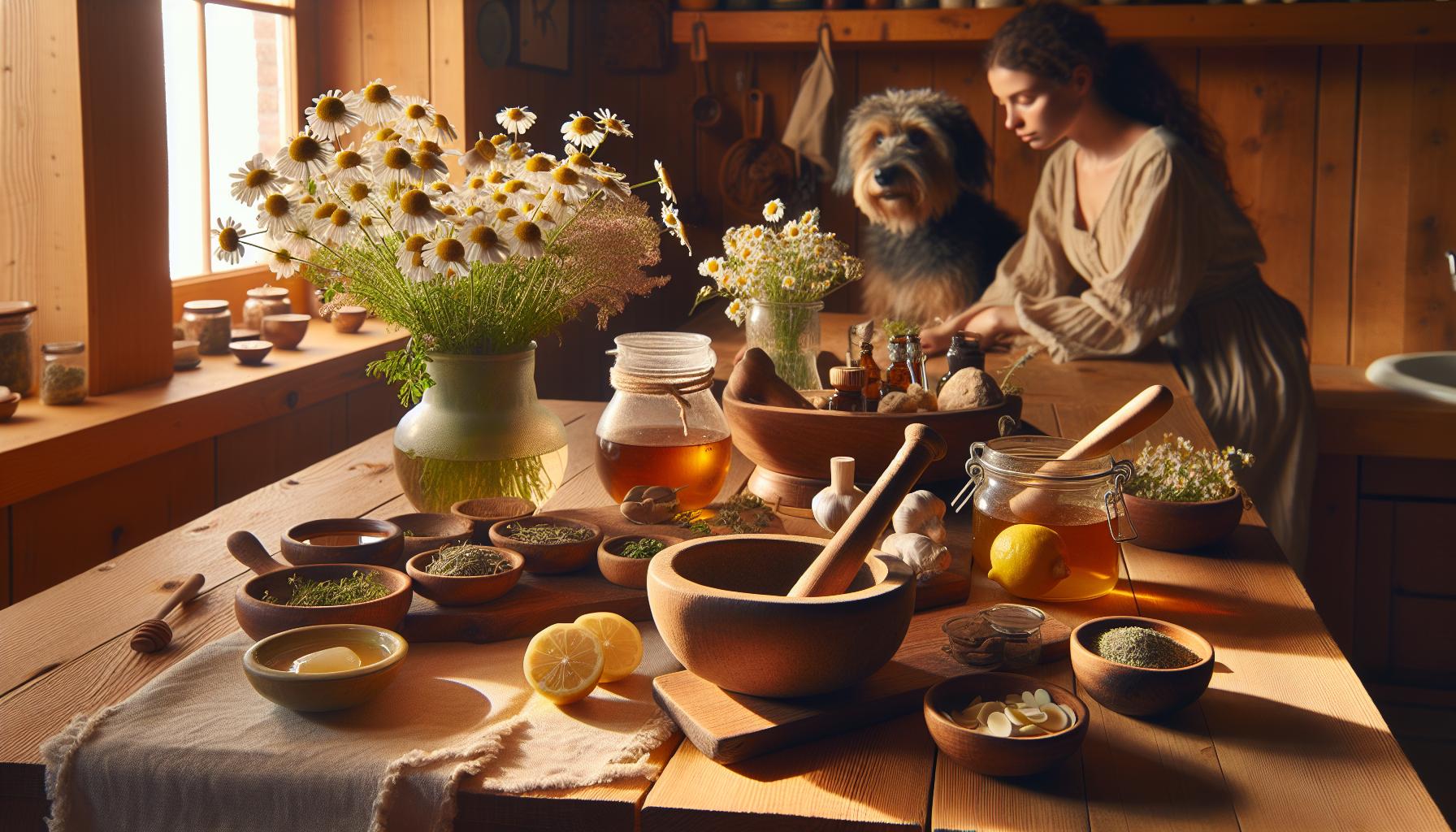
Understanding the Symptoms and Effects of Parvo
Recognizing the early signs of canine parvovirus (parvo) can make a significant difference in your dog’s recovery. Parvo is a highly contagious viral infection that primarily affects puppies but can also impact older dogs. The symptoms often start with lethargy and loss of appetite, which can escalate quickly. One of the most telling signs is severe vomiting and diarrhea, which may be foul-smelling and contain blood. Additionally, dogs infected with parvo may experience abdominal pain and bloating, leading to noticeable discomfort. While these symptoms can be alarming, being aware of them is the first step to ensuring your pet receives the necessary care.
As the disease progresses, dehydration becomes a major risk due to the excessive fluid loss from vomiting and diarrhea. Symptoms of dehydration include dry gums, sunken eyes, and excessive panting. If left untreated, parvo can lead to more severe complications, including shock and even death. It is essential for pet owners to act swiftly and consider home remedies that support recovery while also encouraging hydration and comfort during this fragile time.
In addition to the immediate physical symptoms, the emotional effects of parvo on your dog should not be overlooked. The stress and discomfort can lead to anxiety and behavioral changes. It’s vital to create a soothing environment that helps your dog feel secure. Gentle touch, soft voices, and familiar spaces can provide comfort. Observing these symptoms closely and providing the right care can empower you to manage your dog’s condition more effectively, empowering both you and your pet through this challenging journey.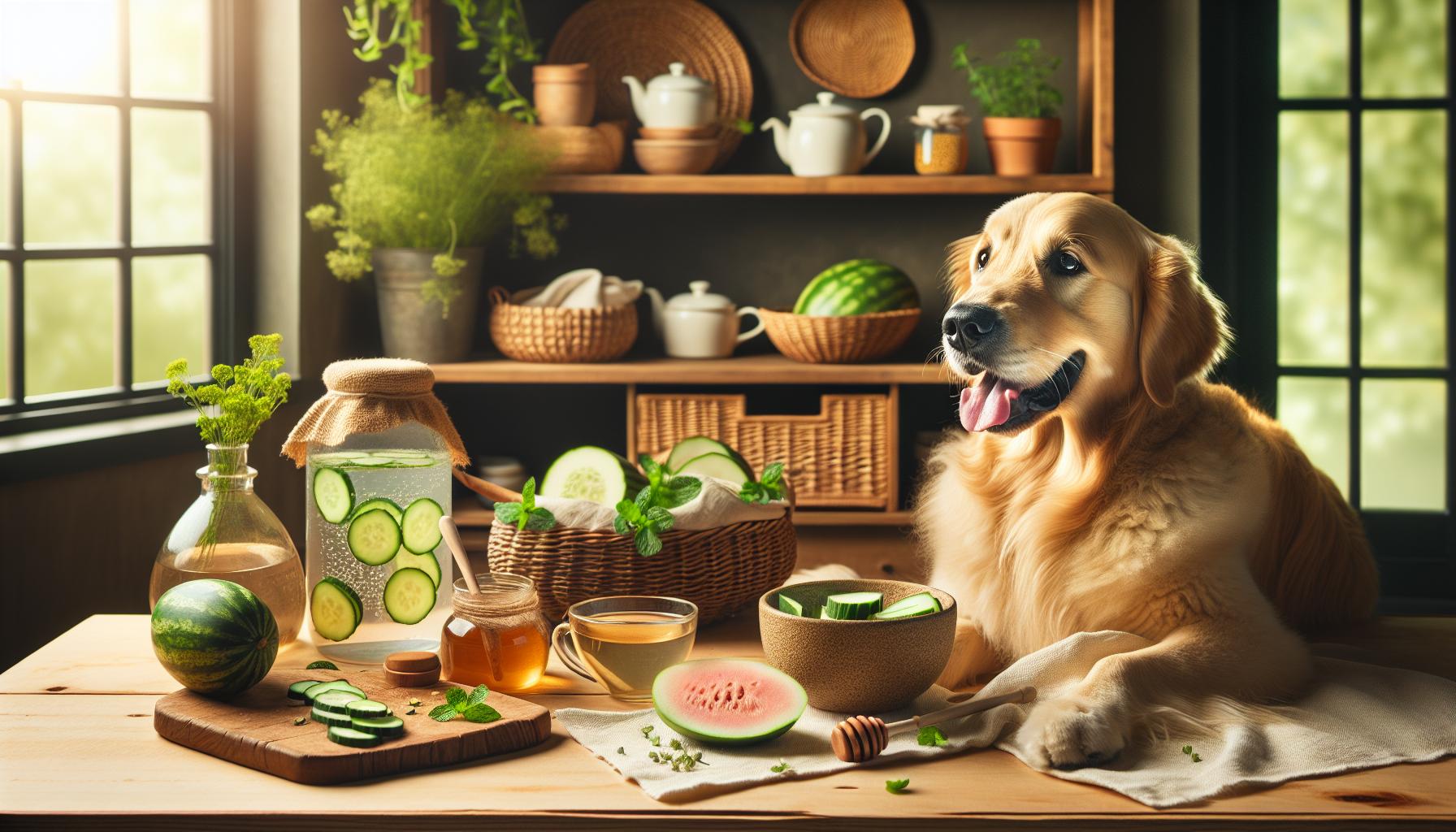
Natural Hydration Solutions for Sick Dogs
Hydration is one of the most critical aspects of recovery for dogs suffering from parvovirus. Dehydration can quickly become life-threatening, especially when a dog is losing fluids through vomiting and diarrhea. Employing natural hydration solutions can make a significant difference in your dog’s recovery. These solutions are not only beneficial for maintaining liquids but also help to restore electrolytes, ensuring that your dog regains strength.
One effective way to encourage hydration is by using homemade electrolyte solutions. You can create a simple recipe that is gentle on your dog’s stomach. Combine 1 liter of water, 1 teaspoon of salt, and 2 tablespoons of sugar or honey. Mix thoroughly until dissolved and offer this solution gradually to your dog. It can be served in a shallow dish or using a syringe (without the needle) to ensure they ingest the fluid appropriately. Always start with small amounts to see how your dog reacts, especially since their stomach may be sensitive during recovery.
In addition to electrolyte solutions, broths can serve as a nourishing and hydrating option. Homemade chicken or beef broth is rich in flavor and nutrients. Simply simmer bones in water for about 2 hours, adding carrots, celery, and herbs for taste. Strain the mixture to remove any solids, and allow the broth to cool before offering it to your dog. This not only helps with hydration but can also stimulate their appetite, making it a great strategy when they are recovering from parvo.
Lastly, provide fresh water at all times, ensuring it’s easily accessible. You may consider adding ice cubes to their water bowl, as many dogs enjoy chewing on them, which can assist in keeping them refreshed. Keeping their space clean and maintaining a routine for hydration and feeding can help create a supportive environment for recovery, encouraging your pet to stay hydrated and comfortable during this challenging time.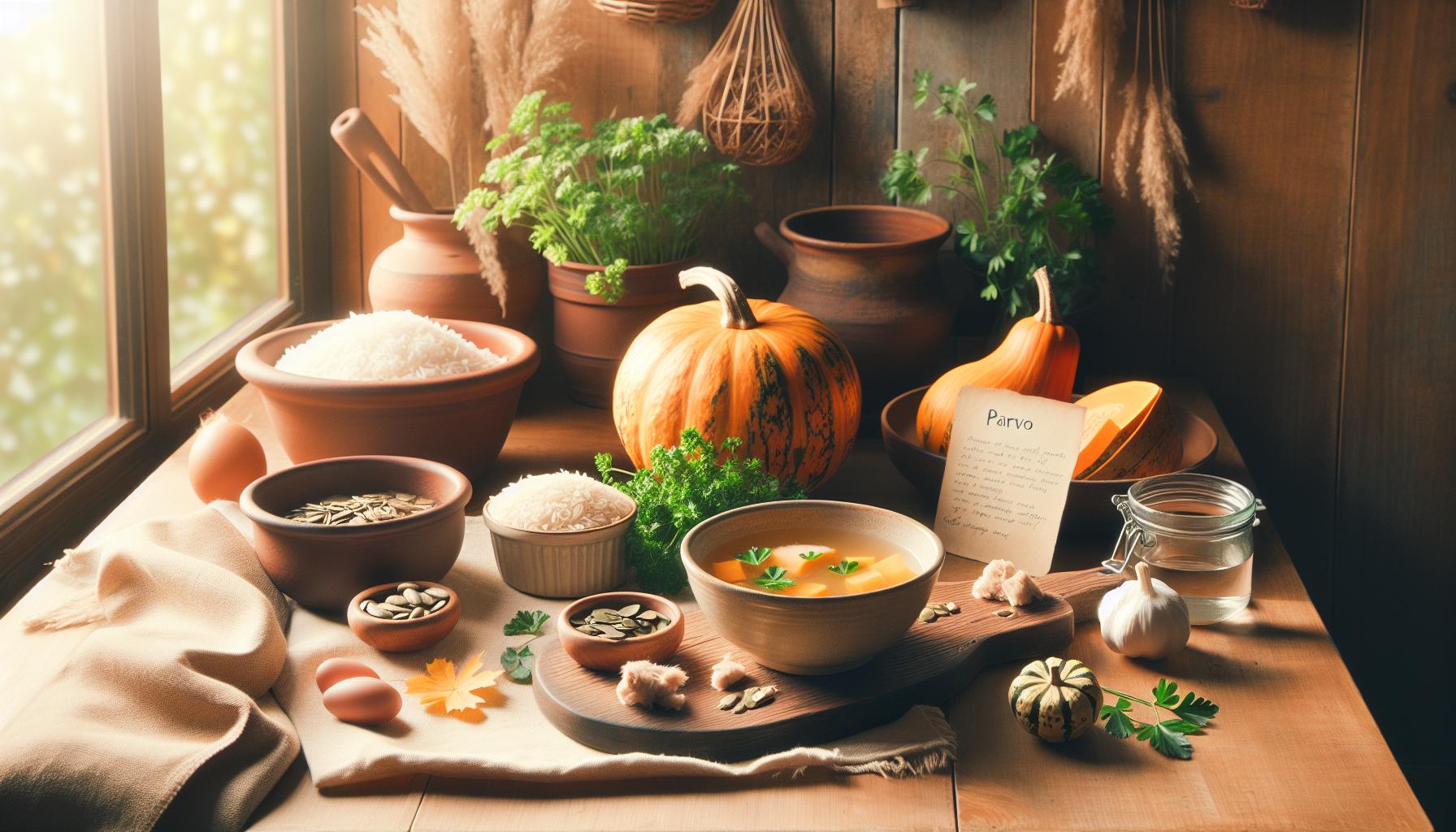
Wholesome Foods to Aid Recovery from Parvo
When your dog is recovering from parvovirus, providing them with wholesome foods can significantly enhance their healing journey. The nutritional value of what you feed them plays a crucial role in restoring their strength, boosting their immune system, and promoting overall well-being. Here are several natural food options that are gentle on their stomach while offering essential nutrients needed for recovery.
Homemade Chicken and Rice
One of the most recommended diets for dogs recuperating from illness is a simple mix of boiled chicken and white rice. This easily digestible meal can help settle your dog’s stomach while providing sufficient protein and carbohydrates. To prepare, boil boneless, skinless chicken until fully cooked, then shred it and mix it with plain, cooked white rice. Serve it in small portions to avoid overwhelming your pet, gradually increasing the amount as their appetite returns.
Pumpkin for Digestion
Adding canned pumpkin (not the spiced pie filling) can be remarkably beneficial for your dog’s digestive health. Pumpkin is rich in fiber, which helps to firm up stools if your dog is experiencing diarrhea, a common symptom of parvovirus. Additionally, it contains vital nutrients and antioxidants. Aim for about 1-2 tablespoons of pumpkin mixed into their food daily during recovery.
Sweet Potatoes
Sweet potatoes are another excellent food option, packed with vitamins (like A and C) and antioxidants. They can provide energy and are gentle on the stomach. Cook sweet potatoes thoroughly by boiling or baking, then mash them up before mixing with your dog’s other food. Start with small amounts to monitor how your dog reacts.
Eggs for Protein
Scrambled eggs can be a nutritious treat for your recovering dog. Eggs are high in protein, promoting muscle repair and immune function. Ensure to cook the eggs without any oils, butter, or seasoning. Serve them plain, and you can even mix a bit into their chicken and rice dish for added flavor and nutrition.
Probiotics
Incorporating probiotics into your dog’s diet can also help restore the healthy bacteria in their gut, especially after the impact of parvovirus. Look for high-quality dog-friendly probiotic supplements or plain yogurt with live cultures (without artificial sweeteners). A small spoonful can help aid digestion, but it’s essential to introduce it gradually.
While these wholesome foods can support your dog’s recovery, always keep an eye on their condition. As their health improves, you can gradually reintroduce their regular diet. If there are any concerns about your dog’s appetite or symptoms persisting, consult your veterinarian for further guidance and tailored advice. Being attentive and providing these nurturing food options will help your furry friend regain strength and vitality during this challenging time.
Herbal Remedies and Supplements for Healing
Using herbal remedies and supplements can effectively support your dog’s recovery from parvovirus by helping to strengthen their immune system and reduce inflammation. Many herbs are known for their healing properties and can be easy to integrate into your dog’s care routine. However, it’s crucial to approach these remedies with care and consult your vet before implementing any new treatments.
Supportive Herbal Remedies
Herbs like milk thistle and echinacea can provide beneficial support during your dog’s recovery. Milk thistle is renowned for its liver-protective properties, helping to detoxify and repair liver damage often associated with parvo. A typical dosage can be around 0.5 to 1.5 mg per pound of your dog’s body weight, given once or twice daily. Echinacea, known for its immune-boosting effects, can help reduce the duration and severity of illness. Follow the recommended dosages on the supplement packaging or consult your veterinarian for specific guidance.
Natural Supplements for Healing
In addition to herbs, certain supplements can further aid recovery. Fish oil is an excellent addition due to its anti-inflammatory properties. It can help soothe your dog’s digestive tract and improve overall health. Look for high-quality fish oil supplements, and a common dosage is around 1000 mg per 10 pounds of body weight per day.
Glutamine is another valuable supplement, especially for dogs recovering from gut damage caused by parvovirus. This amino acid can help heal the intestinal lining. A typical dosage is about 0.1 to 0.5 grams per kilogram of your dog’s body weight. Introducing it slowly into their diet can help ease their adjustment to this supplementation.
Safe Application and Monitoring
When using herbal remedies and supplements, introducing them gradually is key. Monitor your dog’s response closely-watching for any adverse reactions or improvements. Always provide fresh water alongside herbal treatments to ensure proper hydration, as hydration is crucial during recovery.
In conclusion, natural herbal remedies and supplements can significantly enhance your dog’s healing process after battling parvovirus. By choosing the right options and consulting your veterinarian, you can create a nurturing environment that supports your furry friend on their path to recovery.
Safe Home Environment for a Recovering Dog
Creating a nurturing space for your dog during their recovery from parvovirus is crucial for their healing process. A safe home environment not only promotes comfort but also reduces stress, which is essential for their immune system to function optimally. Incorporate soft bedding in a quiet corner of the house, away from busy areas, to give your dog a cozy spot where they can rest undisturbed. Make sure the temperature is comfortable-not too hot or cold-as dogs can be sensitive to extreme temperatures, especially while recovering.
It’s also important to maintain a clean environment. Regularly disinfect the areas where your dog spends time, using pet-safe cleaners to eliminate the risk of further infections. Limit access to areas that could expose them to pathogens-even outside your home, avoid places where other dogs frequent until your pup is fully recovered. Keep bowls, toys, and bedding clean and sanitized to prevent cross-contamination. If your dog struggles with hydration, provide fresh, clean water at all times, encouraging them to drink by using a shallow bowl or offering ice cubes if they prefer.
A peaceful and loving environment can significantly boost your dog’s morale. Spend quality time with them through gentle petting and calm talking, reassuring them that they are safe and cared for. You can also introduce soft music to soothe them, as calming sounds have been shown to reduce stress in animals. To further enhance the atmosphere, limit loud noise and sudden disruptions in the household; maintaining a consistent routine helps provide a sense of security for your recovering dog.
If your dog requires specific dietary needs during recovery, carefully prepare their meals to align with their health requirements. Make certain they have access to their designated feeding area, away from distractions, allowing them to eat comfortably. This attention to their environment shows your furry friend how much you care, reinforcing their trust in your support as they recover from this challenging illness.
Gentle Care Practices to Comfort Your Dog
Providing gentle care to a dog recovering from parvovirus is not just about physical comfort; it’s about nurturing their emotional well-being too. Dogs are incredibly sensitive creatures, and during a challenging recovery, your affection and attention can significantly impact their healing process. Engaging in soothing interactions can help reduce their stress levels and foster a sense of safety and security.
Creating a Comforting Environment
To promote a sense of calm, start by setting up a specific recovery area for your dog, free from loud noises or disruptive activities. This secluded space can be equipped with soft, warm bedding, and some of their favorite toys or blankets. Gentle handling is essential; approach your pet slowly and speak in a soft, soothing voice to reassure them. Regularly pamper them with gentle, calming massages, focusing on areas they enjoy, like behind the ears or along their back. This not only makes them feel loved but can also help alleviate any aches or discomfort they may be experiencing.
Routine and Interaction
Keeping a consistent routine can provide your dog with the structure they need during recovery. Set regular times for meals, walks, and quiet play, which can promote predictability and security. During your interactions, limit intense activities and instead focus on quiet companionship. You can read aloud to your dog or play soft music, which has been shown to help reduce anxiety in pets. Often, the presence of a loved one can be more comforting than any toy or treat.
Hydration and Light Feeding
Ensure your dog stays hydrated by offering fresh water consistently. If they are reluctant to drink, you can entice them with ice chips or make ice cubes with low-sodium broth. Feeding them easily digestible, small meals can also be comforting. Foods like boiled chicken or rice can help settle their stomachs, and serve them in a warm bowl to make mealtime feel special.
Finally, showering your pup with love and attention is vital during this recovery period. This can be as simple as gentle petting or allowing them to rest their head on your lap. Your calm and nurturing presence can do wonders in helping them feel safe, loved, and ultimately assist in their recovery journey from parvovirus.
Building a Supportive Routine for Recovery
Establishing a routine during your dog’s recovery from parvovirus can significantly aid in their healing process. Dogs thrive on predictability, and a well-structured daily schedule can help create a sense of security and normalcy amidst the discomfort they may be experiencing. This routine should encompass consistent times for meals, hydration, rest, and gentle interactions, fostering both physical healing and emotional reassurance.
Daily Structure
Create a daily schedule that your dog can anticipate. Here are some key components to include:
- Feeding Times: Offer small, highly digestible meals at regular intervals to keep their energy levels up and support their recovery. Consider options like boiled chicken and rice in moderate portions.
- Hydration: Regularly encourage your pup to drink water. If they’re hesitant, introduce ice chips or scrambled eggs in water to entice them.
- Rest Periods: Schedule quiet time with soft bedding where your dog can relax undisturbed. Limit the number of guests or loud activities in this space.
- Gentle Activities: Incorporate light interactions such as soft petting, gentle brushing, or quiet companionship. Reading aloud to your dog can also be soothing and comforting.
Gradual Reintroduction to Activity
As your dog begins to show signs of improvement, gradually introduce short, monitored walks. Begin with just a few minutes and increase the duration as they tolerate it. Avoid strenuous activities or dog parks until you’re certain they’re fully recovered. Always pay attention to their energy levels and comfort during these activities.
During recovery, your dog may benefit significantly from the stability of a routine. It reinforces positive behavior, aids in appetite stimulation, and can mitigate stress. Observing your dog closely for any changes in their health or behavior during this time is crucial. Should you notice any setbacks or if their condition doesn’t improve, do not hesitate to consult your veterinarian for guidance and support. Making your recovery efforts as comforting and structured as possible can lead to a successful and loving rehabilitation for your furry friend.
Monitoring Your Dog’s Progress During Recovery
from parvovirus is crucial for ensuring a successful healing process. Not only does it help you spot any potential issues early, but being attentive to their condition also provides reassurance to both you and your furry friend. Keep in mind that recovery can vary widely from one dog to another, so having a check-list of recovery indicators can be extremely beneficial.
Begin by regularly assessing your dog’s appetite. Notice if they are gradually returning to their normal feeding habits, such as showing interest in food or being excited at meal times. Offering small, bland meals like boiled chicken with rice can help gauge their willingness to eat. It is important to note any changes, such as reluctance to eat or vomiting after meals, as these might indicate lingering issues that need attention.
Additionally, monitor their hydration closely. Dehydration is a common concern for dogs recovering from parvo. Ensure your dog has constant access to fresh water, and encourage it by offering ice chips or chicken broth if they’re hesitant to drink. Observe their energy levels as well-while it’s normal for a recovering dog to be more tired than usual, any sudden increase in lethargy or refusal to engage can be a cause for concern.
Regularly check for other signs of recovery, such as normal bowel movements and a return to regular behavior. Subtle changes can be telling; if your dog is beginning to play or engage more, it’s a positive sign. Keep notes of daily observations so you can provide specific information to your veterinarian if any concerns arise.
By being vigilant and supportive during this critical recovery stage, you not only help your dog heal but also create a stronger bond through your nurturing care.
When to Seek Veterinary Assistance for Parvo
It’s crucial to know that while some symptoms of parvovirus can be managed at home, there are critical indicators that necessitate immediate vet intervention. Parvo is a severe viral infection that can escalate quickly, making it essential to monitor your furry friend closely during recovery. If you notice any alarming signs, don’t hesitate to seek professional help, as early intervention can be life-saving.
Signs That Require Immediate Veterinary Attention
- Severe Vomiting and Diarrhea: If your dog is experiencing persistent vomiting or diarrhea that lasts more than a few hours, it may indicate a worsening condition. This can lead to dehydration, which is particularly dangerous for dogs recovering from parvo.
- Listlessness or Extreme Lethargy: While some fatigue is normal during recovery, a sudden decrease in energy or an unwillingness to engage can signal complications. If your pet seems unresponsive or excessively tired, consult your vet.
- Refusal to Eat or Drink: If your dog is consistently refusing food or water after being previously interested, it may indicate that they are feeling worse rather than better. Hydration is vital, so seek guidance if your dog won’t drink.
- Blood in Vomit or Stool: The presence of blood can be a serious sign of gastrointestinal distress or additional infections. This needs prompt evaluation from a veterinarian.
- Persistent Fever: A temperature above normal (typically around 101.5°F) can indicate infection or severe illness. If your dog has a high fever that does not respond to at-home treatment, it’s vital to contact your vet.
Being vigilant about these symptoms can help ensure your dog receives the necessary care. Remember, it’s always better to err on the side of caution when it comes to your pet’s health. If you’re unsure or if your gut feeling says something is off, don’t hesitate to reach out to your veterinarian for advice or an evaluation. They can provide the expertise needed to further assess your dog’s condition and recommend appropriate treatment.
Preventative Measures to Avoid Parvo Infection
To prevent your dog from contracting parvovirus, it is essential to adopt proactive measures that can significantly reduce the risk of infection. Parvo thrives in environments where dogs congregate, particularly in places like dog parks, kennels, and grooming facilities. One of the most effective ways to protect your furry friend is through vaccination. Ensure that your dog is up-to-date on their vaccinations, particularly the core vaccines that include parvovirus. For puppies, a series of vaccinations starting at six to eight weeks old is crucial for building immunity.
Maintaining a clean environment is another vital aspect of prevention. Parvovirus is resilient and can survive in the environment for months. Regularly disinfect areas where your dog spends time, especially if you have a dog that has been in contact with other animals. Use a bleach solution (1 part bleach to 30 parts water) to sanitize surfaces, toys, and bedding. Avoid bringing your dog to areas where unvaccinated dogs frequent until they are fully vaccinated.
Socialization is essential for puppies, but it should be done safely. While exposing your pup to new experiences and other dogs is important, ensure that these dogs are healthy and vaccinated. Avoid dog parks and public places until your puppy has completed their vaccination series. During this period, consider organizing playdates with friends’ dogs who are known to be healthy and vaccinated. This way, your puppy can enjoy social interactions without the risk of exposure to parvo.
Lastly, be vigilant about your dog’s health and behavior. If you adopt a new dog or puppy, observe them closely for any signs of illness before introducing them to your household. Early recognition of symptoms can lead to quicker interventions, reducing the chance of spreading infection. By implementing these preventative measures, you can create a safer environment for your dog and significantly lower the risk of parvovirus infection.
Emotional Support for Your Pet During Healing
Providing emotional support for your dog during their healing process is as vital as the physical remedies you implement. Pets, just like humans, experience stress during illness, and your care can tremendously impact their recovery. Letting them know they’re not alone can make a world of difference. Dogs often communicate their feelings through body language; a gentle touch, soothing voice, or simply being close can help create a safe space for them to heal.
- Quality Time: Spend extra time with your dog, whether it’s sitting quietly together or engaging in gentle play. This not only comforts them but also helps strengthen your bond.
- Calm Environment: Ensure their healing space is quiet and comfortable. Soft music or nature sounds can create a serene atmosphere, helping to reduce anxiety.
- Routine: Maintaining a familiar routine can provide a sense of stability. Regular feeding and walking schedules-adjusted for their energy levels-contribute to their emotional well-being.
Using comfort objects, like a favorite blanket or toy, can also alleviate anxiety. If your dog finds solace in a particular item, ensure it’s within reach during their recovery. Additionally, consider incorporating soothing scents. Lavender, for example, is known to have calming properties for both dogs and humans. A few drops of lavender oil on their bedding can create a comforting environment.
Lastly, be patient and attentive. Observe their needs and moods closely; some days may be better than others. Celebrate small victories, like eating a little or showing interest in a walk. Your positive reinforcement can boost their spirits significantly. By creating a nurturing atmosphere filled with love and reassurance, you’ll help your furry friend navigate through their healing journey with a bit more grace and comfort.
Q&A
Q: What natural supplements can help a dog recover from parvo?
A: Natural supplements like probiotic powders can aid digestion and restore gut health, which may be compromised during parvo. Additionally, slippery elm and milk thistle are gentle herbs that support recovery. Always consult a veterinarian before introducing any new supplements.
Q: How can I support my dog’s immune system after parvo treatment?
A: Supporting your dog’s immune system can be achieved with a balanced diet rich in antioxidants, such as blueberries and leafy greens. Regular exercise and stress reduction techniques, like gentle massage, also contribute positively to recovery. Refer to the section on boosting your dog’s immune system for more details.
Q: What should I do if my dog isn’t eating after recovering from parvo?
A: If your dog refuses to eat, try offering bland foods such as boiled chicken and rice, which are gentle on the stomach. Gradually reintroduce their regular diet once they show interest. Ensure hydration by encouraging water intake or offering low-sodium broth.
Q: When can I introduce regular food after my dog has recovered from parvo?
A: It’s best to introduce regular food after your dog starts eating bland foods without vomiting or diarrhea for at least 24-48 hours. Transition gradually by mixing their regular food with the bland diet until they adjust comfortably.
Q: How can I create a stress-free environment for my recovering dog?
A: Create a cozy, quiet space for your dog with their bed, favorite toys, and minimal noises. Routine can also help reduce stress, so keep feeding and walking times consistent. Refer to the section on safe environments for more tips.
Q: What are the signs that my dog is recovering from parvo?
A: Signs of recovery include increased energy levels, a return to normal appetite, and regular bowel movements. Improvements in mood and behavior are also good indicators. Monitor these changes closely after their treatment.
Q: Can I give my dog bone broth during their recovery from parvo?
A: Yes, bone broth is an excellent option as it is nutrient-dense and soothing for the digestive system. It can help with hydration and provides essential minerals that support recovery. Make sure it’s free of harmful ingredients, like onions or garlic.
Q: How often should I monitor my dog during their recovery from parvo?
A: Monitor your dog’s condition at least twice a day, checking for symptoms like vomiting, diarrhea, or lethargy. Keeping a log of their eating, drinking, and bathroom habits can help you notice any changes more easily.
To Wrap It Up
As you explore the gentle and effective home remedies for supporting your dog’s recovery from parvo, remember that these natural solutions can make a significant difference in your pet’s health. Act now to implement these strategies while staying in tune with your veterinarian’s advice for the best outcomes. For further reading, check out our articles on “Keeping Your Dog Hydrated Naturally” and “Essential Vitamins for Dog Health” to deepen your understanding and provide complete care.
Don’t hesitate to leave a comment below or share your experiences with other pet owners; your stories can inspire and reassure others facing similar challenges. If you’re looking for personalized support or have questions about specific remedies, consider signing up for our newsletter, where you’ll receive expert tips straight to your inbox. Your commitment to your dog’s health deserves reliable guidance, and we’re here to help every step of the way!


