


Cherry eye, a common condition in dogs, occurs when the third eyelid gland protrudes and creates a noticeable bulge. As a pet owner, witnessing your furry friend dealing with this discomfort can be concerning. Fortunately, there are natural home remedies available that can soothe irritation and support healing without the need for invasive procedures.
Understanding the benefits of these remedies can empower you to care for your pet confidently. With simple, accessible ingredients and techniques, you can provide relief while fostering a nurturing bond with your canine companion. By exploring these natural solutions, you’ll not only help alleviate your dog’s discomfort but also learn valuable practices that enhance their overall well-being. Read on to discover effective and easy ways to treat cherry eye at home, ensuring your beloved pet feels their best.
Natural Causes of Cherry Eye in Dogs
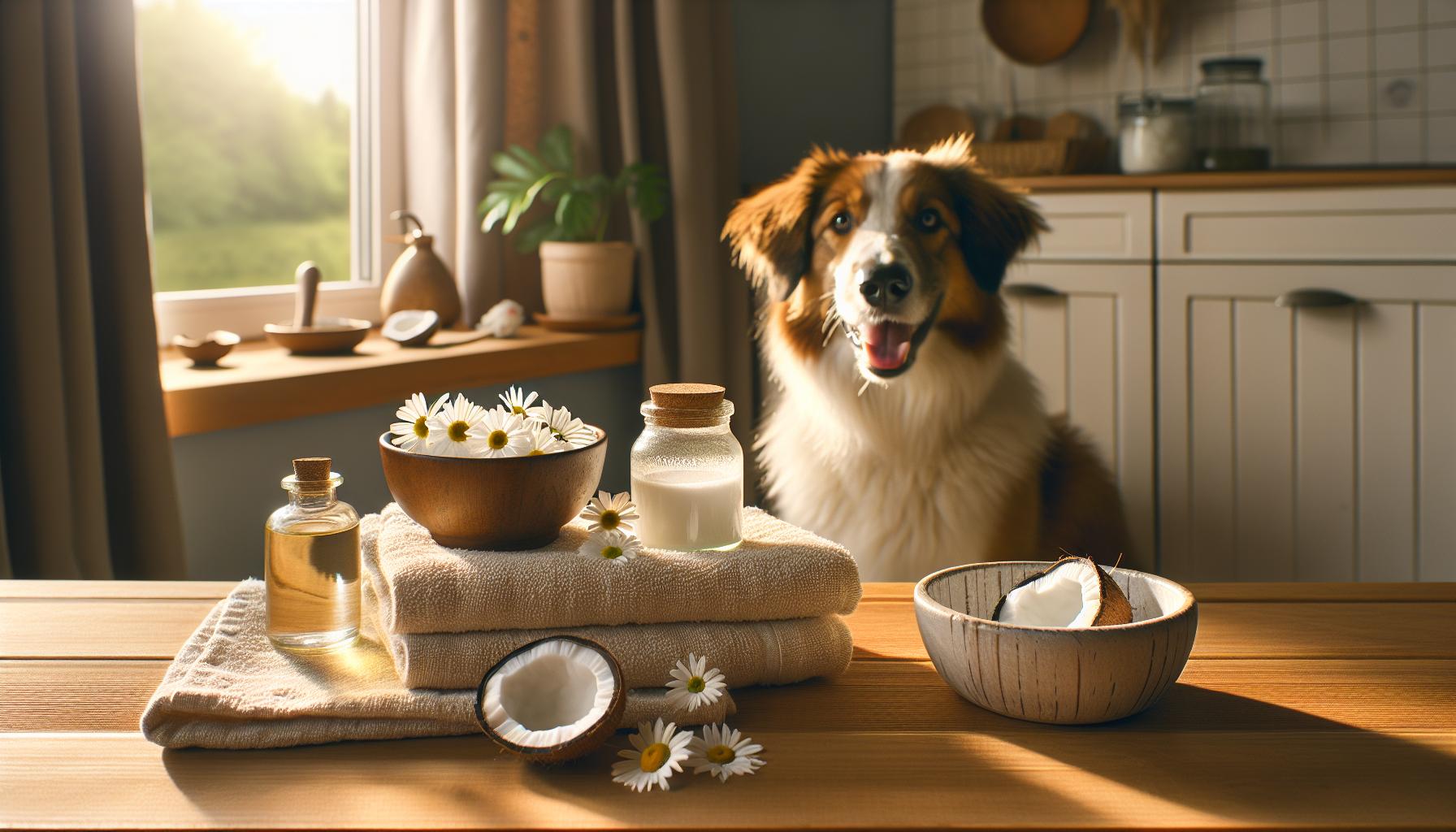
The presence of cherry eye in dogs is often a source of concern for pet owners, but understanding its natural causes can empower you to manage the condition effectively. Cherry eye, scientifically known as prolapse of the third eyelid gland, can occur due to a variety of factors, most notably genetic predisposition. Certain breeds, including Bulldogs, Cocker Spaniels, and Boston Terriers, are more prone to this condition due to their physical structure. The weak connective tissue in some dogs may cause the gland to slip out of place, resulting in the characteristic red mass protruding from the inner corner of the eye.
Environmental factors also play a role in the development of cherry eye. Chronic irritation from allergens, dust, or debris can inflame the eye and subsequent weakening of the supporting structures. Keeping your dog’s environment clean and minimizing exposure to potential irritants can help reduce the chances of developing this issue. Additionally, factors like dehydration or general health could impact the elasticity of the tissues around the eye, contributing to the likelihood of prolapse.
Another consideration is the dog’s age and overall health. Younger dogs, particularly those aged six months to two years, are frequently affected. Ensuring your puppy receives adequate nutrition along with regular vet checkups can foster better tissue health and resilience. A holistic approach, incorporating both environmental management and good health practices, can make a significant difference in minimizing the risk of cherry eye for your furry friend.
By being proactive and informed, you can better navigate the challenges of cherry eye while exploring natural remedies to soothe and support your dog’s eye health.
Symptoms of Cherry Eye: What to Look For
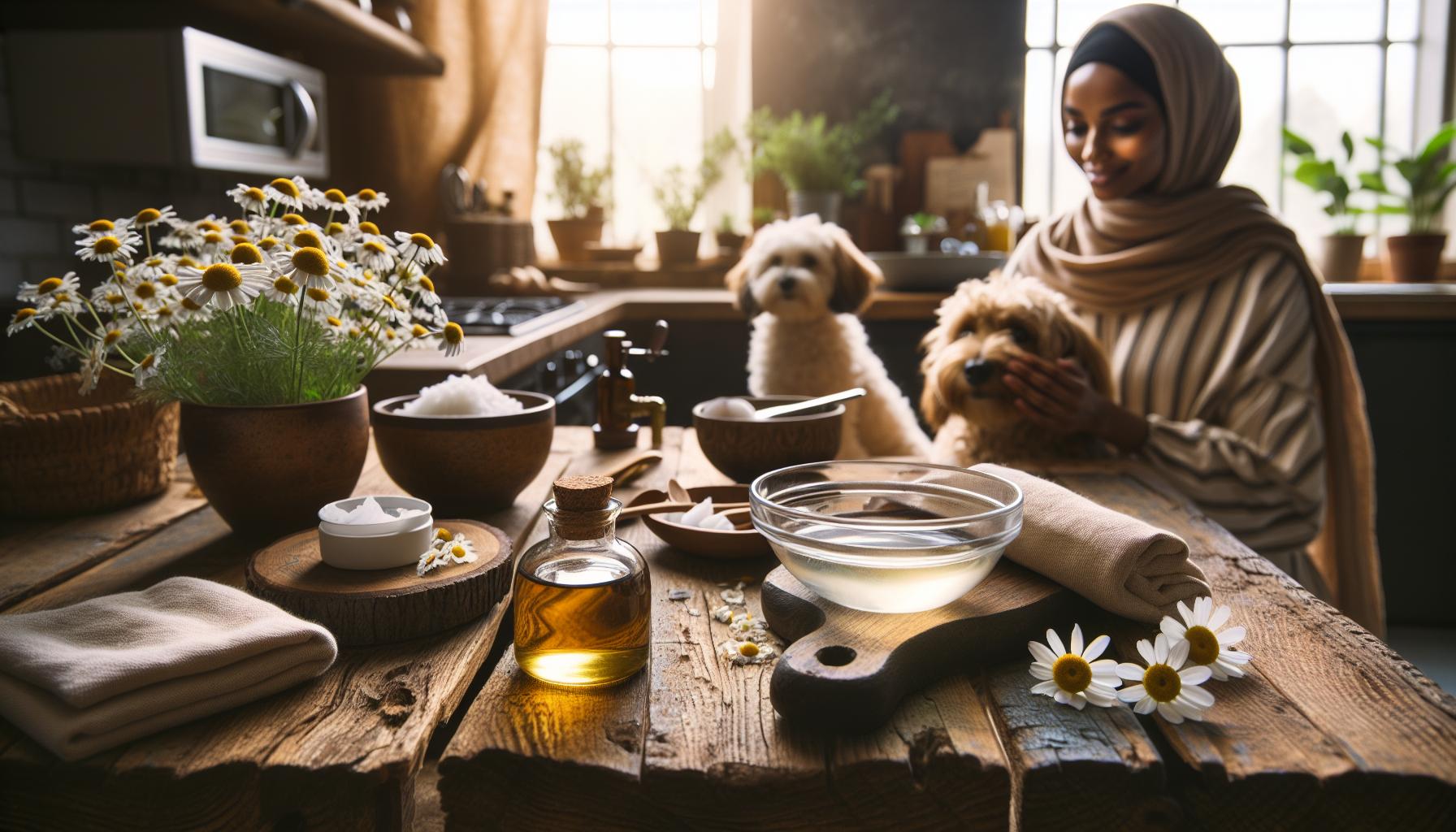
Recognizing the signs of cherry eye in your dog is crucial for early intervention and effective management. As the condition develops, the most noticeable symptom is a red, swollen mass that appears at the inner corner of the eye, which is actually the prolapsed third eyelid gland. This protrusion can be alarming, but awareness of other accompanying symptoms can help you assess your dog’s condition more thoroughly.
Dogs with cherry eye may exhibit discomfort or irritation, which could manifest in behaviors such as rubbing their eyes, squinting, or excessive blinking. You might also observe increased tearing or discharge around the eye, indicating a potential infection or inflammation that could accompany cherry eye. Affected dogs may also experience swelling in the surrounding eyelids, leading to noticeable differences in appearance between the eyes.
In addition to these visual cues, pay attention to your dog’s behavior. Affected pets might become more sensitive to light or show signs of distress, such as whining or pawing at their face. If you notice any combination of these symptoms, it’s essential to consult with a veterinarian for a proper diagnosis and potential treatment options. Keeping a watchful eye on your furry friend can make all the difference in catching cherry eye early and providing appropriate care.
Creating a supportive environment for your dog is equally important. Ensure that your dog’s living area is free of dust, irritants, and allergens, and maintain a regular grooming routine to help minimize discomfort. Combining this proactive approach with natural soothing solutions can greatly benefit your pet’s eye health and overall well-being.
Home Remedies: Soothing Solutions for Cherry Eye
While cherry eye in dogs can be alarming, there are several home remedies that can help soothe the condition and provide your furry friend with much-needed relief. These natural solutions are not only gentle but also easy to incorporate into your pet care routine.
Start with a simple saline solution. You can create this at home by mixing 1 teaspoon of salt with 1 cup of warm, distilled water. Using a clean dropper or cotton ball, gently apply the saline solution to the affected eye several times a day. This can help to keep the area clean and reduce irritation. Additionally, consider using cold chamomile tea bags. After steeping the tea, let the bags cool, then apply them as compresses over the eye for about 10-15 minutes. Chamomile has anti-inflammatory properties that can help to reduce swelling and soothe discomfort.
Another effective remedy involves using aloe vera gel. Ensure you use only pure aloe vera, as some products can contain additives that may irritate your dog’s eyes. Applying a small amount to the surrounding area (avoiding direct contact with the eye) can provide soothing relief. Lastly, make sure your dog stays hydrated and maintains a healthy diet rich in Omega-3 fatty acids, which can support overall eye health. Foods such as fish, flaxseed, and certain vegetable oils are great options.
Always approach these remedies with care. Monitor your dog’s reaction to any home treatment and discontinue use if you notice any worsening of symptoms. With a little patience and consistent care, you can help manage your dog’s cherry eye at home while preparing for a vet visit if needed.
Herbal Treatments: Natural Ingredients for Healing
Natural remedies can be a soothing alternative for pets suffering from cherry eye, offering relief without the stress of medications or invasive procedures. Incorporating herbal treatments can effectively alleviate symptoms due to their natural healing properties. Many herbs contain anti-inflammatory, antiseptic, and soothing qualities that can assist in reducing swelling and promoting healing around the affected eye.
One highly recommended herbal remedy is eyebright (Euphrasia officinalis), known for its ability to treat various eye ailments. You can brew an infusion of eyebright by steeping 1 teaspoon of dried herb in 1 cup of boiling water for about 10 minutes. Once cooled, you can use a clean dropper to apply a few drops directly into the affected eye or use it to soak a cotton ball to gently clean the area. Eyebright is packed with antioxidants and essential nutrients that support ocular health.
Calendula is another excellent choice, prized for its strong anti-inflammatory and wound-healing properties. You can prepare a calendula-infused oil by soaking dried calendula flowers in a carrier oil, like olive oil, for several weeks. Once prepared, apply a small amount of the oil around the eye area (avoiding contact with the eye itself) to help soothe irritation and promote healing. Its natural soothing effect is beneficial for reducing redness and inflammation associated with cherry eye.
Incorporating coconut oil can also be beneficial. Its natural antibacterial properties help prevent infections while providing moisture and support to the affected area. Apply a small amount of organic, cold-pressed coconut oil around the eye to keep the skin hydrated and protect it from irritation. Additionally, ensuring your dog maintains a balanced diet rich in omega-3 fatty acids-found in fish oil or flaxseed-can further enhance their overall eye health, providing another layer of support for preventing and managing cherry eye.
As you explore these herbal treatments, always monitor your dog’s response. Each animal may react differently, and it’s crucial to consult with a veterinarian if symptoms persist or worsen. With gentle care and the right natural ingredients, you can help your furry companion find relief and comfort from cherry eye.
How to Apply Home Remedies Safely
One of the most important aspects of using home remedies for cherry eye in dogs is ensuring that you apply them safely and effectively. Many pet owners are hesitant to try these natural solutions due to concerns about their proper use and the potential reactions from their furry companions. However, with careful attention and a few simple guidelines, you can provide soothing relief to your dog’s eye while minimizing any risks.
Start by maintaining a clean environment. Always wash your hands thoroughly before handling any herbs or preparing treatments. Cleanliness significantly reduces the risk of introducing bacteria to the affected area. When preparing herbal solutions, such as eyebright infusions or calendula oils, use clean utensils and storage containers. For topical applications, keep a supply of sterile cotton balls or gauze on hand, which you can soak in your prepared solutions. Never use any remedy if it has been contaminated or if you notice any signs of spoilage.
Administering the Remedies
When it’s time to apply the remedy, ensure your dog is calm and comfortable. You may want to have someone help you hold your dog gently but securely. If you’re using a dropper for liquids, tilt the dog’s head slightly back to allow gravity to help the solution flow into the eye. If using a cotton ball, gently dab around the area without directly touching the eye to avoid irritation. The key is to be gentle and patient, as your dog may be sensitive to having their eye area handled.
It’s also essential to monitor your dog after application for any unusual reactions. Observe for signs of discomfort, such as pawing at the eye, excessive tearing, or changes in behavior. If your dog seems agitated or if the symptoms persist or worsen, discontinue use and consult your veterinarian for advice. Many dogs respond well to natural treatments, but individual reactions can vary, and your vet is the best resource for determining the next steps.
Implementing these home remedies can be a gentle way to provide relief for your dog. By following these safety tips, you can confidently use natural solutions to help soothe cherry eye, ensuring your beloved pet feels better while you nurture their health with care and love.
Preventing Cherry Eye: Tips for Dog Owners
Maintaining your dog’s eye health is crucial, especially in preventing common issues like cherry eye. This condition, involving the prolapse of the third eyelid gland, can usually be linked to genetic predisposition and certain breeds. However, there are several proactive measures you can take as a dog owner to minimize the risk.
To begin with, regular grooming is essential. Keeping your dog’s facial area clean and free of debris not only enhances their overall health but also reduces irritation that could lead to cherry eye. Pay particular attention to the eye area by using a damp cloth to gently clean away any discharge or buildup. Additionally, certain breeds with prominent eyes may benefit from eye lubricants, which can help keep their eyes moist and reduce irritation.
Another vital step is ensuring a balanced diet rich in vitamins and minerals that promote eye health. Ingredients high in omega-3 fatty acids, such as fish oil, can help enhance eye function and might lower the risk of cherry eye. Incorporate foods like carrots, fresh fruits, and leafy greens into your dog’s diet, as these foods are known for their beneficial effects on vision.
It’s also important to be mindful of environmental factors. Minimize your dog’s exposure to allergens and irritants such as dust, smoke, and pollen, which can aggravate the eyes. If you live in a particularly vulnerable area for these allergens, consider creating a controlled environment indoors. Regular air purifying and cleaning could yield substantial benefits for your dog’s eye health.
Lastly, embed regular veterinary checkups into your pet care routine. During these visits, your veterinarian can evaluate not only your dog’s overall health but also their eye condition. Early detection of problems can vastly reduce the risk of complications, including cherry eye.
By taking these proactive steps, you can significantly contribute to your dog’s eye health, helping to prevent conditions like cherry eye from occurring in the first place. Establishing these habits will encourage a happier and healthier life for your furry companion.
When to Seek Veterinary Help
If you’ve noticed your dog displaying signs of cherry eye, it’s natural to want to try home remedies and soothing solutions first. However, understanding is crucial in ensuring your pet receives the best possible care. Cherry eye can lead to discomfort, chronic issues, or even long-term damage if not addressed properly.
Monitor your dog closely for specific indicators that it may be time to consult a veterinarian. Symptoms such as persistent swelling, redness, excessive tearing, or discharge from the eye warrant immediate attention. Additionally, if your dog shows any signs of pain-such as squinting, pawing at the eye, or reluctance to engage in normal activities-these may be red flags indicating the need for professional care.
Moreover, consider the duration and severity of the condition. If the cherry eye persists despite your attempts to manage it with home remedies, or if you’ve tried treatments for more than a few days without improvement, a veterinarian’s evaluation is essential. Early intervention can help prevent complications like infections or more extensive health issues, ensuring your dog’s overall well-being.
In some cases, cherry eye may be symptomatic of underlying health issues. If your dog belongs to a breed that is particularly prone to the condition-or if you have a puppy whose cherry eye appears suddenly-you should consult with your vet to rule out other causes. Remember, your veterinarian is there to support you and your furry friend, providing guidance on safe and effective treatment options, whether surgical or non-surgical.
Comparing Home Remedies to Surgical Options
In the quest to alleviate cherry eye in dogs, many pet owners often find themselves weighing the benefits of natural home remedies against surgical options. It’s vital to understand that while home remedies can provide temporary relief, they may not always address the underlying causes of cherry eye. Natural solutions, such as warm compresses for soothing inflammation and topical treatments like coconut oil, can be beneficial and are often easy to implement. These methods not only ease discomfort but also engage the owner’s role as a caretaker, contributing to a healthy bond with their pet.
However, it’s important to recognize the limitations of home remedies. If symptoms persist or worsen despite consistent treatment, it may indicate that a more serious underlying condition exists, necessitating professional intervention. Surgical correction, typically involving repositioning the gland, often provides a more permanent solution. It can prevent the recurrence of cherry eye and reduce the risk of complications such as conjunctivitis or corneal damage. This option is especially prudent for breeds predisposed to the condition, as surgery can correct structural issues that home remedies cannot.
When deciding between home remedies and surgical options, consider the severity of your dog’s condition, your comfort level with various treatments, and the guidance of your veterinarian. Many owners find value in trying gentle, natural techniques initially, particularly in mild cases. However, maintaining open communication with a vet is crucial. They can offer tailored advice based on your dog’s specific needs and monitor progress, helping to ensure that no opportunity for effective care is overlooked. Ultimately, whether you choose a holistic approach or surgical intervention, the priority should be your dog’s comfort and well-being, leading to a happier, healthier life.
Long-Term Care for Dogs with Cherry Eye
Caring for a dog with cherry eye requires a trusted approach that emphasizes both immediate comfort and long-term health. Maintaining an attentive eye on your dog’s condition is crucial. This can involve regular checks for changes in the eye’s appearance, such as increased redness, swelling, or discharge, which may signal the need for veterinary advice. Consistent monitoring ensures that any potential complications are caught early, allowing for timely intervention and maintaining your dog’s overall health.
To enhance your dog’s long-term comfort, consider integrating a few simple, natural remedies into their daily routine. One effective method is applying warm compresses to the affected eye. This can soothe inflammation and promote healing. Here’s how to do it:
How to Apply Warm Compresses
- Take a clean, soft cloth and soak it in warm water (not too hot).
- Wring out excess water and gently place the cloth over your dog’s eye for about 5-10 minutes.
- Repeat this process 2-3 times a day for the best results.
Incorporating anti-inflammatory herbal treatments, such as chamomile tea compresses, can also be beneficial. Brewed chamomile can be cooled and applied similarly to warm compresses, providing gentle anti-inflammatory properties while promoting relaxation. Regularly using these herbal treatments can help manage symptoms over time, providing your pet with ongoing relief from discomfort.
Another essential aspect of long-term care is nutrition. A well-balanced diet rich in vitamins A, C, and omega fatty acids supports eye health. Incorporating foods such as carrots, sweet potatoes, and fish into your dog’s diet can be advantageous. If your dog’s condition is hereditary or recurring, discussing appropriate dietary supplements with your veterinarian can further bolster their resistance against potential flare-ups.
Ultimately, nurturing a close relationship with your veterinarian ensures that you remain equipped with the best practices for your dog’s individual needs, striking the perfect balance between natural remedies and professional care. Embracing this cooperative approach promotes not only healing but also a more profound bond with your furry friend, leading to a happier, healthier life.
Owner Experiences: Success Stories and Tips
Many dog owners have discovered the soothing relief that natural remedies can provide for cherry eye, and their success stories are both encouraging and informative. One pet parent, Lisa, noticed her bulldog, Max, developing cherry eye and decided to try a combination of warm compresses and chamomile tea. After soaking a clean cloth in warm chamomile tea, she gently applied it to Max’s eye, finding that this not only reduced redness but also appeared to calm him. Lisa repeated this process twice daily, and within a week, the symptoms significantly improved.
Inspired by her success, other owners have also shared their home remedy journeys. John, who has a golden retriever named Bella, highlighted the importance of a consistent routine. He combined warm compresses with dietary adjustments, introducing foods high in omega fatty acids, like salmon and flaxseed. Not only did this seem to help with Bella’s cherry eye, but it also contributed to her overall health and coat shine. He emphasizes the need for patience and regular monitoring, stating, “It’s amazing what a little daily care can do!”
It’s important to remember that while these remedies can be effective, each dog’s response may vary. Share your experiences with fellow dog owners, as this communal knowledge can be invaluable.
Tips from Owners
- Stay Consistent: Regular application of warm compresses can make a significant difference over time.
- Diet Matters: Incorporate nutritious foods that support eye health into your dog’s diet.
- Document Progress: Keep track of changes in your dog’s symptoms daily. Photos can help you visualize progress.
- Connect with Community: Engage with local or online pet groups for additional support and shared experiences.
Ultimately, the journey of managing cherry eye through natural remedies can bond you even closer to your furry friend, turning a challenging situation into an opportunity for growth and care. Your proactive approach not only helps in healing but also enriches your connection with your beloved pet.
Understanding the Eye Anatomy in Dogs
The eyes of dogs are complex and fascinating organs, and understanding their anatomy is crucial for recognizing issues like cherry eye and deciding on the best home remedies. The dog’s eye consists of several components that work together to enable clear vision and proper functioning. The main elements include the cornea, lens, retina, and, importantly, the nictitating membrane-or the “third eyelid.” This membrane is responsible for protecting the eye and keeping it moist, which is why cherry eye, characterized by the protrusion of this membrane, can be concerning to pet owners.
When the nictitating membrane becomes inflamed or displaced, it can lead to cherry eye, which often appears as a pink or red mass in the corner of the eye. Understanding the physiological role of this membrane can empower you to manage and treat conditions like cherry eye effectively. Furthermore, this knowledge can boost confidence in exploring natural remedies and determining if professional intervention is necessary.
To support eye health, incorporating dietary enhancements is beneficial. For example, feeding your dog a balanced diet rich in omega-3 fatty acids can promote eye health because these nutrients support overall tissue integrity and reduce inflammation. Additionally, maintaining your dog’s eye hygiene through regular cleaning can prevent irritations that may exacerbate conditions like cherry eye. Simple practices, such as using a damp cloth to wipe away any discharge from the eyes, can make a significant difference and keep your pet comfortable.
Here are some helpful practices to keep your dog’s eyes healthy:
- Regular Check-ups: Schedule routine veterinary visits to monitor your dog’s overall health and eye condition.
- Balanced Diet: Feed your dog food that includes antioxidants and omega fatty acids to support eye health.
- Clean Eyes: Gently cleanse around the eyes with a soft, damp cloth to remove debris and prevent irritation.
- Monitor Symptoms: Keep an eye out for signs of discomfort, excessive tearing, or redness, and respond promptly to abnormal changes.
By understanding canine eye anatomy and taking proactive measures, you empower yourself to implement effective home remedies while fostering a deeper bond with your furry companion. Regular attention and care will help keep your dog’s eyes healthy and mitigate issues like cherry eye, allowing for happier, more comfortable companionship.
The Importance of Regular Veterinary Checkups
Regular veterinary checkups are an essential part of keeping your dog healthy and proactive in managing conditions like cherry eye. Many pet owners might be tempted to rely solely on home remedies, but understanding the limitations of these approaches can significantly impact your dog’s eye health and overall well-being. During routine visits, veterinarians can detect early signs of disorders that may not yet be apparent to you, enabling timely interventions that can prevent more severe issues down the line.
One of the key benefits of regular checkups is that they provide an opportunity for your veterinarian to assess your dog’s eye health comprehensively. They can examine the eyes to identify any irritations, infections, or signs of cherry eye that might require more than just soothing home remedies. Additionally, a vet’s professional insight can help you understand the underlying causes of cherry eye specific to your dog’s breed or age, which is invaluable information for tailoring home care and prevention strategies.
Establishing a Preventive Routine
During these visits, your veterinarian can also suggest appropriate preventive measures. This may include dietary recommendations, such as foods rich in antioxidants, that support eye health and strengthen your pet’s immune system. Your vet may also offer guidance on proper eye cleaning techniques and other home care practices. Incorporating this knowledge not only enhances the effectiveness of any home remedies you might choose to employ but also ensures your dog’s eyes stay healthy in the long run.
Maintaining a regular checkup schedule fosters a strong rapport with your veterinary team, creating an environment of trust and open communication. This collaboration becomes particularly crucial when cherry eye or other eye issues arise, as immediate professional advice can make all the difference. Ultimately, understanding the role of regular veterinary visits empowers you to be a proactive pet owner, combining the benefits of natural remedies with professional guidance for the best outcomes for your furry companion.
FAQ
Q: What are the best home remedies for soothing cherry eye in dogs?
A: The best home remedies for soothing cherry eye in dogs include applying a warm compress to reduce swelling and using natural anti-inflammatory ingredients like chamomile tea for eye rinses. Always consult a veterinarian before trying these methods to ensure they are safe for your dog.
Q: How can I naturally treat cherry eye without surgery?
A: Natural treatments for cherry eye include using herbal remedies such as calendula or aloe vera for their anti-inflammatory properties. Regular application of these can help soothe the eye but consult your vet to explore options based on your dog’s condition.
Q: What causes cherry eye in dogs, and how can I prevent it?
A: Cherry eye occurs due to a prolapse of the third eyelid gland, often influenced by genetics and anatomy. To help prevent it, maintain your dog’s overall eye health with regular vet checkups and keep their environment free from irritants that could strain their eyes.
Q: When should I seek veterinary help for my dog’s cherry eye?
A: Seek veterinary help if your dog’s cherry eye persists despite home remedies, shows signs of pain, or if the eye appears red and swollen. Quick actions can prevent further complications, making timely consultations crucial.
Q: Can diet affect my dog’s susceptibility to cherry eye?
A: Yes, a balanced diet rich in fatty acids can support eye health and may reduce the likelihood of conditions like cherry eye. Consider incorporating omega-3 sources such as fish oil into your dog’s meals after discussing with your vet for optimal nutrition.
Q: Are there specific herbal treatments for cherry eye in dogs?
A: Herbs like eyebright and bilberry are known for their eye-health benefits and can be used as an infusion for gentle eye rinses. Always introduce new herbal treatments gradually and consult your vet for appropriate usage.
Q: How do I apply home remedies safely to my dog’s eyes?
A: To apply home remedies safely, first ensure your hands are clean, then use a soft cloth or dropper for application. Avoid using any harsh ingredients and monitor your dog’s reaction. Refer to the section on “How to Apply Home Remedies Safely” in your article for detailed steps.
Q: What are the signs that my dog needs immediate treatment for cherry eye?
A: Signs that require immediate veterinary treatment include excessive redness, discharge, swelling, or if your dog is frequently pawing at its eye. These symptoms can indicate infection or pain, necessitating prompt professional care.
In Retrospect
Now that you’ve discovered natural remedies for cherry eye in dogs, it’s vital to act quickly to soothe your furry friend. Remember, the sooner you implement these solutions, the better their chances for relief. If you have any lingering questions or concerns, feel free to explore our comprehensive guides on “Natural Remedies for Allergies in Dogs” and “Understanding Dog Eye Health.” Your pet’s comfort and wellbeing are our top priority.
Ready to deepen your knowledge? Sign up for our newsletter to receive the latest tips on pet care and wellbeing. Your engagement matters-share your thoughts or experiences in the comments below! By taking these steps, you’re contributing to a supportive community that prioritizes our beloved pets’ health. Let’s continue this journey together to ensure your dog lives a happy, healthy life!


