


Bad breath in dogs, often caused by dental issues or dietary habits, can be a major concern for pet owners. Not only can it make cuddles and kisses less enjoyable, but it can also indicate underlying health problems. Fortunately, there are effective natural remedies to freshen your dog’s breath without resorting to chemicals or artificial ingredients.
Imagine transforming your dog’s halitosis into sweet-smelling kisses with just a few simple, holistic solutions you can prepare at home. By incorporating these easy-to-follow remedies, you will not only improve your furry friend’s breath but also enhance their overall oral health. So, if you’re ready to make those doggy moments more delightful, read on to discover practical tips on ensuring your pup has a fresh, happy smile!
Understanding Dog Bad Breath: Causes and Concerns
Bad breath in dogs can be more than just an unpleasant odor; it can signal underlying health issues that require attention. Many pet owners are surprised to learn that halitosis is common among dogs, and it often stems from problems in the oral cavity, such as plaque buildup, gum disease, or even tooth decay. Food particles trapped in the mouth can decompose, leading to unpleasant smells. Additionally, certain medical conditions-like kidney diseases or diabetes-can contribute to changes in a dog’s breath that might indicate more serious health concerns.
Understanding the causes of bad breath helps pet owners take proactive steps to improve their dog’s oral health. It’s essential to identify the source of the odor, as regular dental care and preventive measures can often nip the problem in the bud. For instance, while natural remedies can be effective in freshening up your pup’s breath temporarily, they should not replace regular check-ups and cleanings from a veterinarian. This holistic approach ensures that any serious health issues are addressed while also providing remedies for everyday freshness.
If you notice persistent bad breath, it’s important to pay attention to accompanying signs, such as swelling of the gums, changes in eating habits, or excessive drooling. These could indicate oral discomfort or disease, signaling the need for professional evaluation. Being vigilant about your dog’s dental health not only improves their breath but also enhances their overall well-being and longevity, fostering a closer bond between you and your furry friend.
Natural Ingredients to Freshen Your Dog’s Breath
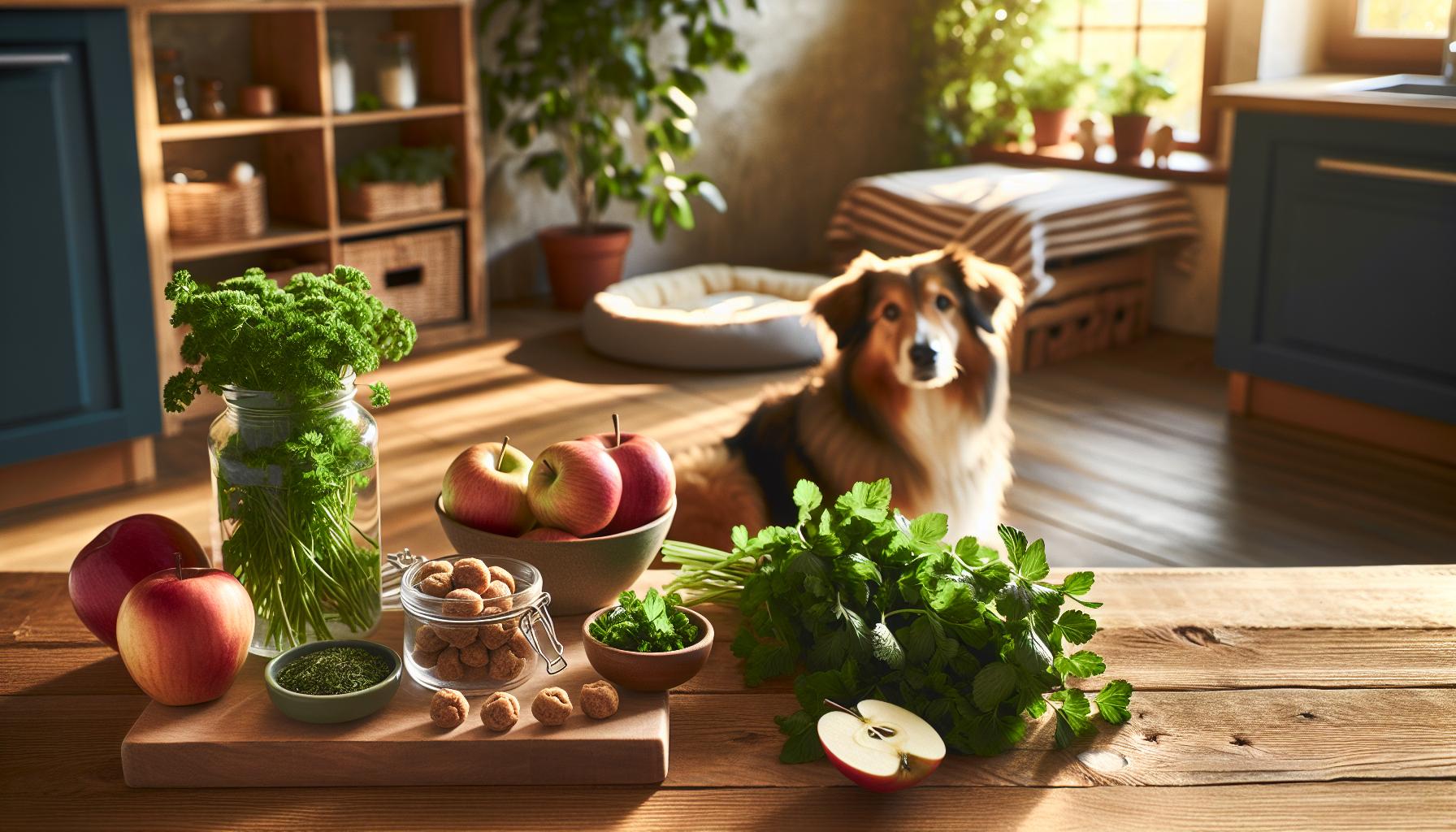
Adding natural ingredients to your dog’s diet can be a simple and effective way to freshen their breath. Certain foods not only enhance breath freshness but also contribute to your pup’s overall health. For instance, crunchy fruits and vegetables can help reduce plaque buildup, while others possess properties that neutralize odors.
Here are some great natural ingredients you can consider including in your dog’s routine:
- Carrots: These crunchy treats are not only low in calories but also serve as natural toothbrushes. Chewing on carrots can help scrape away plaque and stimulate gums, keeping your dog’s mouth fresh.
- Parsley: A common herb found in many kitchens, parsley contains chlorophyll, which can help neutralize bad odors. Add finely chopped parsley to your dog’s food or give it as a treat to combat bad breath.
- Apples: Slices of apple (without seeds) can help freshen breath due to their high fiber content, which may also help reduce plaque. They are a sweet treat that many dogs enjoy!
- Pumpkin: Rich in fiber, pumpkin can assist with digestion and can also freshen a dog’s breath when incorporated into their diet. Just make sure to use plain, cooked pumpkin without any added sugars or spices.
- Coconut Oil: Known for its antibacterial properties, a small amount of coconut oil can help combat bad bacteria in your dog’s mouth. You can mix it with their food or let them lick it off a spoon!
Integrating these natural ingredients into your dog’s diet is easy and effective. You can mix them into regular meals, use them as treats, or even create homemade dog snacks. However, it’s essential to introduce new foods gradually and monitor your dog’s reactions. Each dog is unique, so while one ingredient may work wonders for your neighbor’s dog, it might not have the same effect for yours.
With a few simple adjustments, you can promote better breath for your furry friend and contribute positively to their dental health. Always keep an eye on your dog’s oral hygiene, as natural remedies should complement, not replace, regular veterinary check-ups and professional dental care.
Simple Home Remedies for Bad Dog Breath
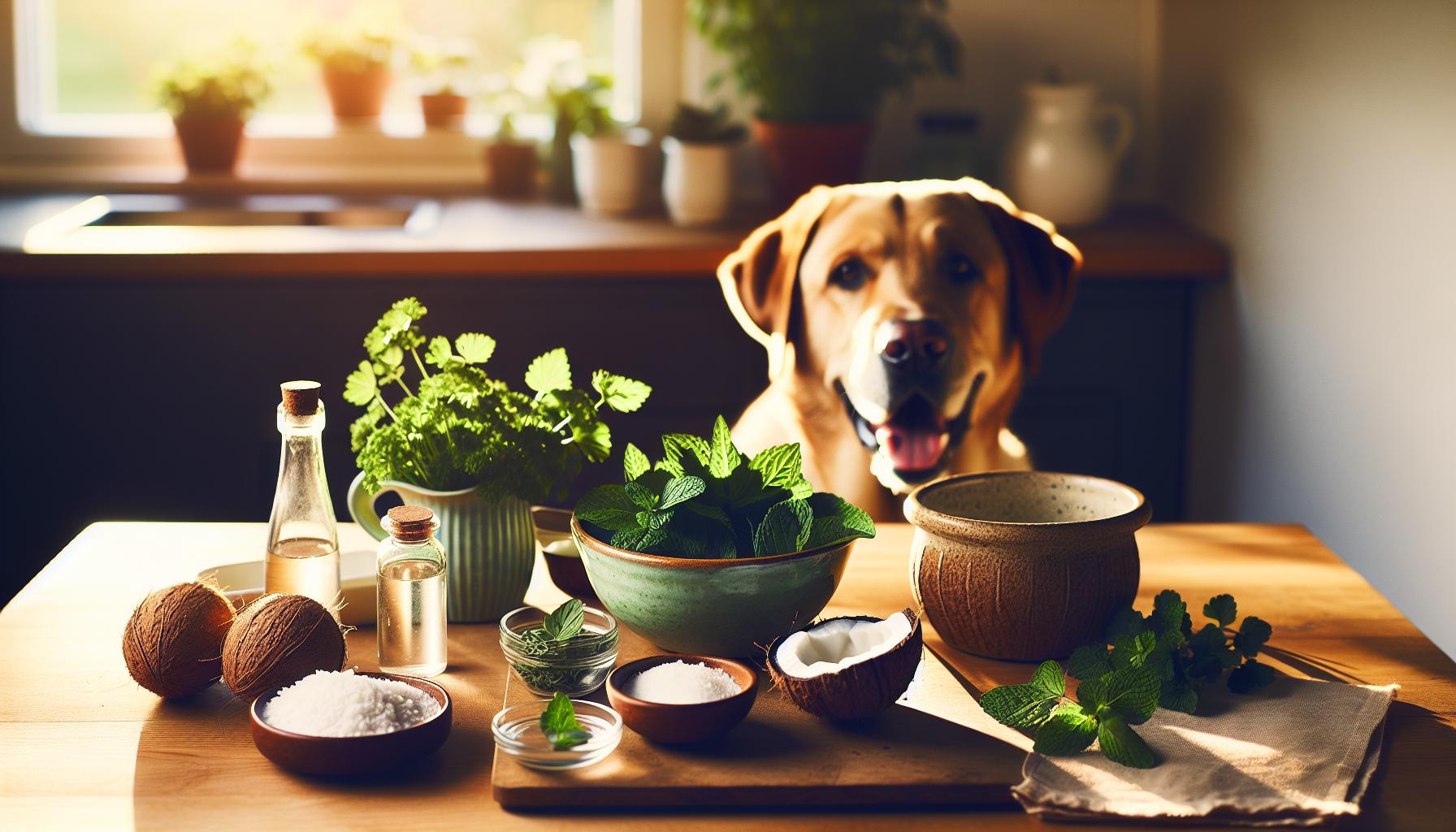
Many dog owners are familiar with the distressing experience of bad breath from their furry companions. Fortunately, there are several simple home remedies that can help freshen your dog’s breath, allowing them to share their loving affection without discomforting any noses nearby. Implementing a few natural solutions can significantly improve your dog’s oral hygiene while also nurturing their overall health.
One effective method involves dietary adjustments. Incorporating crunchy vegetables like carrots into your dog’s diet not only makes for a fun snack but also helps clean their teeth as they chew, reducing plaque and promoting fresher breath. Another worth trying is parsley, a herb renowned for its natural breath-freshening properties. Finely chop some parsley and mix it into your dog’s meals to neutralize odors effectively. Additionally, apples (without seeds) can serve as a delightful treat that also works to reduce foul smells, thanks to their high fiber content.
In addition to dietary changes, certain liquids can also be utilized. A small amount of diluted coconut oil can act as a natural antibacterial agent. You can either mix it into their food or let them lick it directly off a spoon. It’s important to always supervise your dog when introducing new remedies to ensure they have no adverse reactions.
If your pup enjoys gnawing, consider making homemade chew toys using natural fibers or rubber infused with breath-freshening ingredients. Chewing not only keeps them occupied but also stimulates their gums and helps remove food particles that harbor bacteria. With these straightforward approaches, you can help manage your dog’s bad breath, ensuring both their happiness and your comfort in those close moments.
Creating a Daily Dental Care Routine for Your Dog
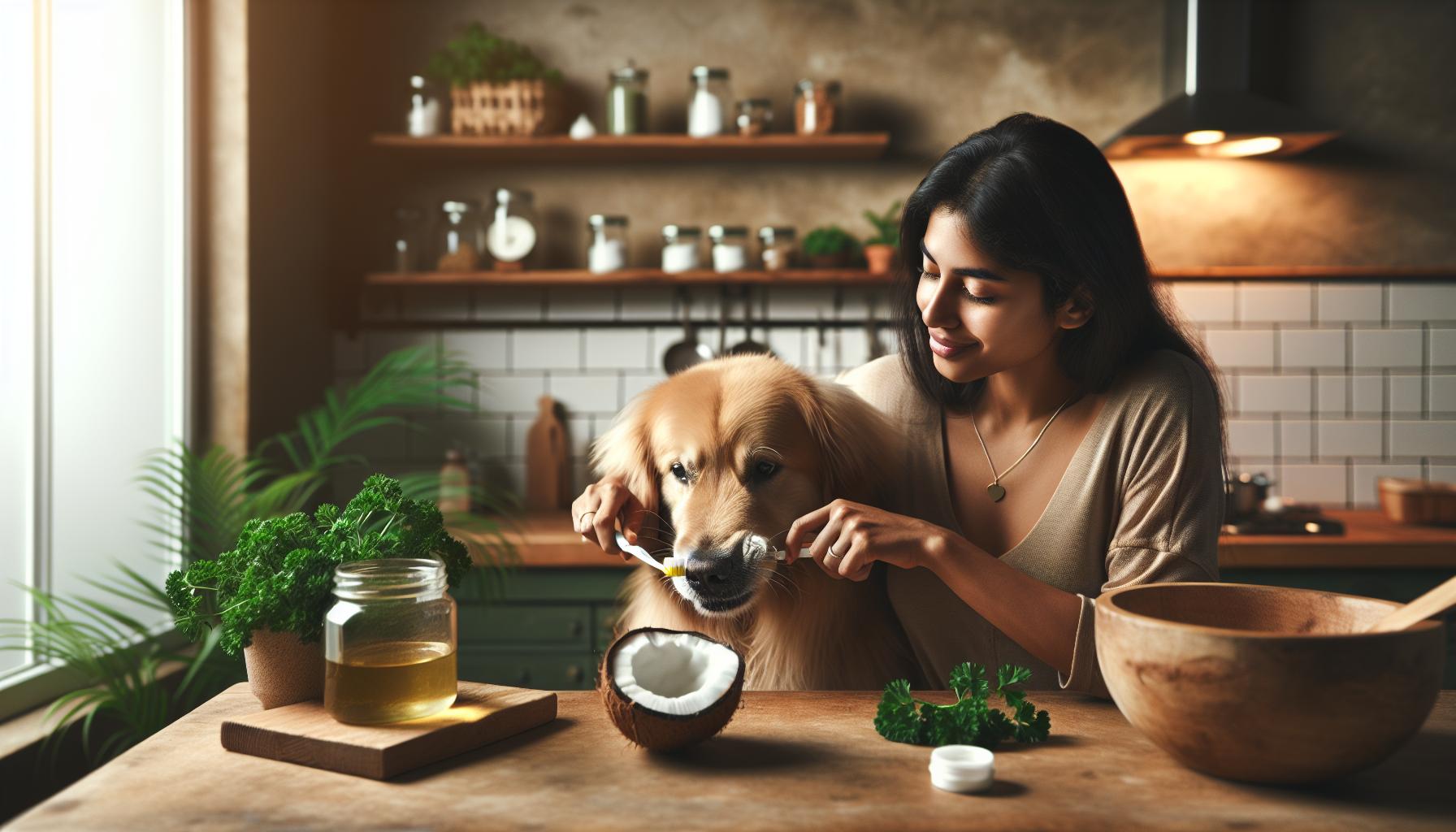
Establishing a daily dental care routine for your dog is pivotal in maintaining their oral hygiene and refreshing their breath. Just as humans benefit from regular brushing and dental check-ups, dogs require consistent care to combat the buildup of plaque and bacteria that can lead to bad breath. A few simple steps can integrate easily into your daily schedule, making it a bonding experience while promoting your dog’s health.
Start by incorporating teeth brushing into your dog’s daily routine. A dog-specific toothbrush and toothpaste (never use human toothpaste) will help you effectively clean their teeth. Aim to brush your dog’s teeth at least 2-3 times a week, gradually introducing them to the process if they are not already accustomed. Here’s how you can go about it:
Steps for Brushing Your Dog’s Teeth
- Choose the Right Tools: Get a dog toothbrush and toothpaste. Flavors like poultry or peanut butter often entice dogs to accept brushing more readily.
- Create a Comfortable Environment: Sit in a quiet area where your dog feels relaxed. You might want to have treats handy for positive reinforcement.
- Introduce the Toothbrush Gradually: Let your dog sniff the toothbrush and toothpaste before you start. Apply a small amount of toothpaste to the brush and allow them to taste it.
- Start Brushing: Gently lift your dog’s lip and brush in a circular motion, focusing on the gum line. Aim to brush around the front and back teeth.
- Reward Them: After brushing, praise your dog and offer a healthy treat as a reward, making them associate brushing with something positive.
In addition to brushing, consider using dental chews or toys designed to reduce plaque and tartar buildup. These can stimulate gums and remove food particles while your dog enjoys chewing. Look for options featuring natural ingredients, like baking soda or herbs known for their breath-freshening properties.
Moreover, incorporating water additives into your dog’s drinking water can help to keep their teeth healthy without additional effort. These additives often contain components that help fight bacteria and reduce odor.
Daily Routine Checklist
- Brush teeth: 2-3 times per week
- Provide dental chews: Daily
- Add dental rinse to drinking water: As directed
- Schedule regular vet dental check-ups: Annually
Creating a daily dental care routine takes dedication but investing that time will pay off in fresher breath and happier, healthier dogs. Over time, your diligent efforts will yield significant improvements in your dog’s oral health, turning their once distressing breath into a fresh and pleasant experience for you both.
Nutrition Tips for a Fresher Breath in Dogs
A well-balanced diet plays a crucial role in maintaining your dog’s oral health and minimizing bad breath. Poor nutrition can lead to plaque buildup and imbalances in the oral microbiome, both contributing factors to unpleasant odors. Incorporating certain foods and ingredients into your dog’s diet can naturally enhance breath freshness and support overall dental health.
Start by choosing high-quality dog food that prioritizes whole ingredients and avoids fillers, as these can compromise your dog’s digestive health, leading to bad breath. Including a variety of fresh fruits and vegetables-such as carrots, apples, and sweet potatoes-can help cleanse your dog’s teeth and promote healthier gums. These snacks not only provide essential vitamins but also encourage chewing, which mechanically removes plaque. Just be sure to introduce these treats gradually and ensure they are safe and appropriate for dogs.
Adding specific supplements can also be beneficial. Ingredients like parsley and peppermint are known for their breath-freshening properties. Try incorporating a small amount of finely chopped fresh parsley into your dog’s meals for an extra boost. Additionally, coconut oil is another excellent addition due to its antibacterial properties. You can administer it by mixing a teaspoon into your dog’s food, helping to reduce harmful bacteria in the mouth.
Hydration is another key factor in maintaining fresh breath. Fresh water is essential for flushing out food particles and bacteria that can lead to odor. To enhance this further, consider using water additives specifically designed for oral health. These products can help combat bad breath and are often made from natural ingredients, making them a great addition to your dog’s routine.
By thoughtfully integrating these nutrition tips into your dog’s daily diet, you lay the foundation for fresher breath and improved overall health. Remember, a proactive approach to your dog’s nutrition will pave the way for a happier pup and a more pleasant experience for you both.
Herbs and Natural Supplements for Breath Improvement
Incorporating herbs and natural supplements into your dog’s diet can significantly enhance their breath and promote overall oral health. Many pet owners may be surprised to learn that simple kitchen herbs, typically reserved for human meals, can be potent allies in fighting doggy breath issues. Natural remedies not only help freshen breath but also contribute to a healthier mouth by combating harmful bacteria.
One of the best herbs to consider is parsley. This common herb is known for its ability to neutralize odors thanks to its high chlorophyll content. You can easily add finely chopped parsley to your dog’s food, providing not only a freshening effect but also a boost in nutrients. Just a teaspoon mixed into meals can work wonders. Another excellent option is peppermint, which has similar properties. Peppermint oil or fresh leaves can be added in moderation to your dog’s diet, promoting fresh breath and digestive health.
Coconut oil is another fantastic supplement to incorporate into your dog’s routine. With its antibacterial and antiviral properties, it helps reduce the bacteria responsible for bad breath. Mixing a teaspoon of coconut oil into your dog’s meals can support both oral hygiene and digestion. Additionally, consider baking soda for a natural remedy, as it can help neutralize acids in the mouth. You can add a pinch to your dog’s food, but it’s essential to use it sparingly to avoid any digestive upset.
Lastly, consider apple cider vinegar. A small amount mixed in with your dog’s food or water can aid in balancing their pH levels, promoting a healthier mouth and fresher breath. Just ensure to dilute it well to prevent any irritation. With these natural supplements and herbs, you can create a simple yet effective strategy to keep your furry friend’s breath as fresh as can be. Always consult with your veterinarian before introducing new elements to your dog’s diet, ensuring these additions suit their individual health needs.
Home-Made Dog Treats to Combat Bad Breath
The bond between you and your dog is special, and nothing feels better than showering your furry friend with love, especially when you can enhance their health with homemade treats. Many common doggy delights can serve as tasty solutions to combat bad breath while also providing essential nutrients. Making your own dog treats allows you to control the ingredients, ensuring they are both safe and beneficial for your pup.
A simple recipe for homemade breath-freshening treats combines the power of parsley and whole wheat flour. Start by preheating your oven to 350°F (175°C). In a bowl, mix 1 cup of whole wheat flour, 1/4 cup of finely chopped fresh parsley, and 1/4 cup of unsweetened applesauce. Add enough water to form a dough, about 1/4 cup. Roll out the dough to about 1/4 inch thick and cut it into fun shapes using cookie cutters. Bake these treats for around 25 minutes or until they are golden brown. Let them cool completely before treating your dog.
Other ingredients to consider for your homemade dog treats include sweet potatoes, which are not only delicious but also rich in vitamins and fiber. A sweet potato and oatmeal treat can be created by baking a sweet potato, mashing it, and combining it with a cup of oatmeal until it reaches a dough-like consistency. Shape it into small balls and bake them at 350°F (175°C) for about 20 minutes. These treats help keep your dog’s mouth clean while providing a satisfying chew.
Lastly, incorporating pumpkin purée into your recipes offers a bonus benefit. It’s excellent for digestion and can help bolster your dog’s overall health. Mix 1/2 cup of pumpkin purée (not the spiced pie filling) with two eggs and two cups of oat flour to create a firm dough. Roll out and cut as desired, then bake at 350°F (175°C) until dry and crisp, about 30 minutes. These treats are not only tasty but also functional in promoting fresher breath.
By making these homemade dog treats, you’re taking proactive steps to enhance your dog’s oral health. Use these tasty recipes to trade that unpleasant doggie breath for fresh kisses and wagging tails!
Signs Your Dog Needs Professional Vet Care
Bad breath in dogs can sometimes be just an annoyance, but it can also be a sign of more serious health issues. As a loving pet owner, it’s crucial to be attentive to changes in your dog’s breath alongside other signs of discomfort. If you notice your furry friend exhibiting any of the following symptoms, it’s time to seek professional veterinary care.
Signs Indicating a Need for Veterinary Care
- Persistent Bad Breath: If your dog’s bad breath doesn’t improve with home remedies or natural treatments, it could indicate underlying dental disease or other health issues.
- Excessive Drooling: While some drooling is normal, excessive saliva may signal dental problems or gastrointestinal issues.
- Changes in Eating Habits: If your dog suddenly refuses to eat or shows discomfort while chewing, dental pain or oral health issues might be a concern.
- Swollen Gums or Mouth: Red, swollen, or bleeding gums are important signs of periodontal disease that require immediate veterinary attention.
- Weight Loss: Unexplained weight loss can be a serious concern, potentially related to oral pain, gastrointestinal problems, or overall health decline.
- Behavioral Changes: Noticeable shifts in behavior, such as lethargy, aggression, or withdrawal, may indicate an underlying health problem.
- Vomiting or Diarrhea: If your dog is experiencing gastrointestinal symptoms along with bad breath, it’s essential to consult your veterinarian.
- Changes in Water Consumption: Increased or decreased thirst can point to a variety of health issues, including kidney problems.
Paying attention to these signs can help you catch serious health concerns early. Regular check-ups with your veterinarian not only foster better oral health for your pup but also ensure they lead a longer, happier life. By being proactive about your dog’s dental care, you can continue to enjoy those affectionate moments without unpleasant breath becoming a concern.
Preventing Bad Breath: Tips for Healthier Pup Hygiene
Maintaining your dog’s oral hygiene is vital not only for their breath but also for their overall health. Did you know that up to 80% of dogs show signs of dental disease by age three? Regular preventive care can help keep your furry friend’s breath fresh and their teeth healthy. By incorporating a few simple practices into your routine, you can significantly reduce their risk of bad breath caused by dental issues or dietary choices.
One effective approach is daily tooth brushing with dog-friendly toothpaste. Aim for at least two to three times a week. This helps remove plaque before it hardens into tartar, which is more difficult to eliminate. If your dog is not accustomed to having their teeth brushed, start gradually-let them sniff the toothbrush, and use positive reinforcement, like treats, to encourage them. If brushing proves challenging, dental wipes or finger brushes can be alternative options.
Regular dental check-ups are indispensable for tackling potential problems early on. During these visits, your veterinarian can assess your dog’s oral health and provide professional cleanings. It’s also essential to monitor your dog’s diet since certain foods can contribute to bad breath. Incorporate crunchy kibble or dental chews specifically designed to reduce plaque and tartar. Look for treats containing ingredients like parsley, which is known for its breath-freshening properties.
Additionally, make hydration a priority. Fresh water is crucial for washing away food particles and bacteria that can lead to foul odors. Ensure your dog always has access to clean water, and consider investing in a pet water fountain to encourage them to drink more. Lastly, keep their toys and bowls clean, as bacteria can build up there too-regular cleaning helps promote a healthier mouth.
By integrating these simple hygiene practices into your dog’s daily life, you can help them enjoy fresher breath and a happier, healthier existence. Remember, a little effort goes a long way in enhancing your pup’s well-being!
Engaging Activities to Promote Your Dog’s Dental Health
Engaging your dog in activities that promote their dental health can be both rewarding and fun. Did you know that dogs love to chew? This natural instinct can be harnessed to help combat bad breath and maintain oral hygiene. By choosing appropriate toys and activities, you can contribute significantly to your dog’s dental health while also providing mental stimulation and exercise.
One effective activity is incorporating dental chews into your dog’s daily routine. Look for chews that promote cleaning through chewing action, particularly those infused with natural breath-freshening ingredients. These chews can help to scuff off plaque while satisfying your dog’s urge to chew. Alternatively, consider using raw vegetables like carrots or apples, which can be both healthy treats and natural teeth cleaners.
Another engaging way to enhance your dog’s dental health is through interactive play involving puzzle toys. These toys can challenge your dog’s brain while encouraging them to use their teeth. Fill a hollow toy with a small amount of peanut butter or another dog-safe filling, and watch as your pup works to get every last morsel out. The act of gnawing will help reduce plaque buildup, making it a win-win situation for both bonding and hygiene.
Routine Playdates
Organizing playdates with other dogs can also be beneficial. Dogs often engage in play that encourages chewing and tugging, which naturally aids in keeping their teeth cleaner. Just be sure to supervise these play sessions to ensure that all interacting dogs are safe and having a good time.
Finally, don’t overlook the importance of regular check-ups with your veterinarian. While engaging activities are fantastic, they should complement professional care. During these visits, your vet can provide additional tips tailored to your dog’s specific needs, ensuring their mouth remains healthy and fresh. Always combine fun with good hygiene practices for a happy, healthy pup!
Common Myths About Dog Bad Breath Debunked
Bad breath in dogs, often referred to by pet owners as “doggy breath,” is a common concern that can lead to unnecessary worry. Many myths surround this issue, leading to misconceptions about its causes and solutions. Understanding the facts can empower you to take the right steps in addressing your pup’s breath problems naturally.
One prevalent myth is that bad breath is a normal part of aging in dogs. While it’s true that older dogs may have different oral health challenges, persistent bad breath should not be normalized. Often, foul breath can indicate underlying dental disease or other health issues. Regular dental check-ups and proper oral care are essential, regardless of your dog’s age.
Another misconception is that all natural remedies are safe and effective for treating bad breath. While natural ingredients like parsley and coconut oil can help, not all home remedies are suitable for every dog. Always research specific ingredients and consult with your vet before introducing new elements to your dog’s diet. Not only can some foods be harmful, but individual reactions may vary greatly.
Lastly, many owners believe that brushing a dog’s teeth is unnecessary if they eat dry kibble or chew on bones. This is misleading; while these activities can aid in some dental health, they don’t eliminate the need for regular brushing. It’s important to establish a consistent dental care routine that includes brushing to effectively remove plaque and food particles that contribute to bad breath.
By debunking these myths, you can make informed decisions about your dog’s health and implement effective natural remedies to freshen their breath. Empower yourself with knowledge, and don’t hesitate to seek professional guidance to ensure your furry friend stays healthy and happy!
Faq
Q: How can I tell if my dog’s bad breath is a sign of a health issue?
A: If your dog’s bad breath is persistent and accompanied by other symptoms like vomiting, excessive drooling, or changes in appetite, it may indicate underlying health problems. Always consult a veterinarian to rule out dental disease or other serious conditions.
Q: What natural ingredients can help freshen my dog’s breath?
A: Natural ingredients like parsley, pumpkin, and coconut oil can help freshen your dog’s breath. These ingredients have antibacterial properties and can improve oral hygiene. Adding them to your dog’s diet or using them in homemade treats can be beneficial.
Q: Are there specific home remedies for dog bad breath that are easy to prepare?
A: Yes, simple home remedies include making a mouth rinse using diluted apple cider vinegar or a spray made from parsley and water. These can be applied regularly to help combat bad breath effectively.
Q: How often should I implement oral care routines for my dog’s dental health?
A: Ideally, you should implement an oral care routine for your dog at least 2-3 times a week. Regular brushing with dog-friendly toothpaste and occasional dental chews can significantly impact breath freshness and overall dental health.
Q: Can my dog’s diet influence their breath odor?
A: Absolutely! A balanced diet rich in fiber and low in carbohydrates can help reduce bad breath. Foods that naturally clean teeth, like raw carrots or apples, can also promote fresher breath.
Q: What are some homemade dog treats to help with bad breath?
A: You can make homemade dog treats using ingredients like sweet potato, parsley, and oatmeal. Mixing these ingredients and baking them into treats serves both as a nutritious snack and a natural breath freshener.
Q: How do I prevent bad breath from recurring in my dog?
A: To prevent bad breath, maintain a consistent dental care routine, provide regular professional cleanings, and feed high-quality dog food. Regularly monitor your dog’s oral health and address any signs of tartar buildup promptly.
Q: Why does my dog’s breath smell even if I brush their teeth regularly?
A: If your dog’s breath still smells after regular brushing, it could be due to hidden dental problems like periodontal disease or infections. It’s essential to have a vet examine your dog to identify and address any potential issues.
Wrapping Up
Now that you’re equipped with effective natural remedies to tackle your dog’s bad breath, it’s time to take action! Utilizing fresh herbs like parsley or turmeric can transform Fido’s smelly situation into sweet puppy kisses in no time. Remember, maintaining your dog’s dental health is crucial-not only for fresh breath but for their overall well-being. For more tips on enhancing your pet’s health, check out our guides on dog dental care and homemade pet treats.
Don’t wait any longer! Start implementing these remedies today and see the difference for yourself. If you have questions or want to share your success stories, we invite you to leave a comment below. Join our community-sign up for our newsletter to receive ongoing tips, updates, and exclusive offers tailored for proud pet parents like you. Together, let’s keep our furry friends healthy and happy!


