


Did you know that feline conjunctivitis, commonly known as pink eye, is one of the most frequent eye issues in cats? This condition can cause discomfort for your furry friend and may leave you feeling helpless. Fortunately, several natural remedies can help soothe and clear up these eye issues, allowing your cat to feel more comfortable without the need for harsh chemicals.
As a dedicated pet owner, you want the best for your cat, especially when it comes to their health. By using safe, home-based solutions, you can effectively address their pink eye symptoms and promote healing. In this guide, we’ll explore simple, easy-to-follow remedies that not only alleviate irritation but also improve your cat’s overall well-being. Keep reading to discover how you can take action today and help your cat see the world more clearly!
Causes of Cat Pink Eye: What You Should Know
Pink eye, or conjunctivitis, in cats often raises concerns for pet owners, as it can affect your cat’s comfort and health. Understanding the causes is essential to effectively address this common issue. Pink eye can be triggered by a variety of factors, and recognizing these can help you take proactive measures for your furry friend.
One of the most common causes of cat pink eye is allergies. Just like humans, cats can be sensitive to pollen, dust, or even certain foods, resulting in eye irritation and inflammation. If you notice your cat displaying symptoms of pink eye during specific times of the year or after exposure to certain substances, allergies may be the culprit. Additionally, bacterial or viral infections are frequent causes of conjunctivitis in cats, especially in young kittens or those with compromised immune systems. These infections can become more prevalent in crowded environments or shelters.
Environmental factors also play a significant role. Irritants such as smoke, strong odors, or cleaning substances can provoke an adverse reaction in your cat’s eyes. If your home is filled with such irritants, consider minimizing their use or providing adequate ventilation. Furthermore, foreign bodies like dust or tiny debris can get lodged in your cat’s eyes, leading to irritation and redness. Regularly checking your cat’s eyes and helping keep their environment clean can make a significant difference in preventing pink eye occurrences.
Lastly, underlying health issues may contribute to susceptibility to conjunctivitis. Conditions such as feline herpesvirus, which can cause chronic respiratory illness, often lead to secondary eye problems, including pink eye. Keeping up with your cat’s veterinary check-ups and vaccinations is crucial for early detection and management of such conditions. By staying informed about these causes, you can contribute to your cat’s overall well-being and take proactive steps to maintain their eye health.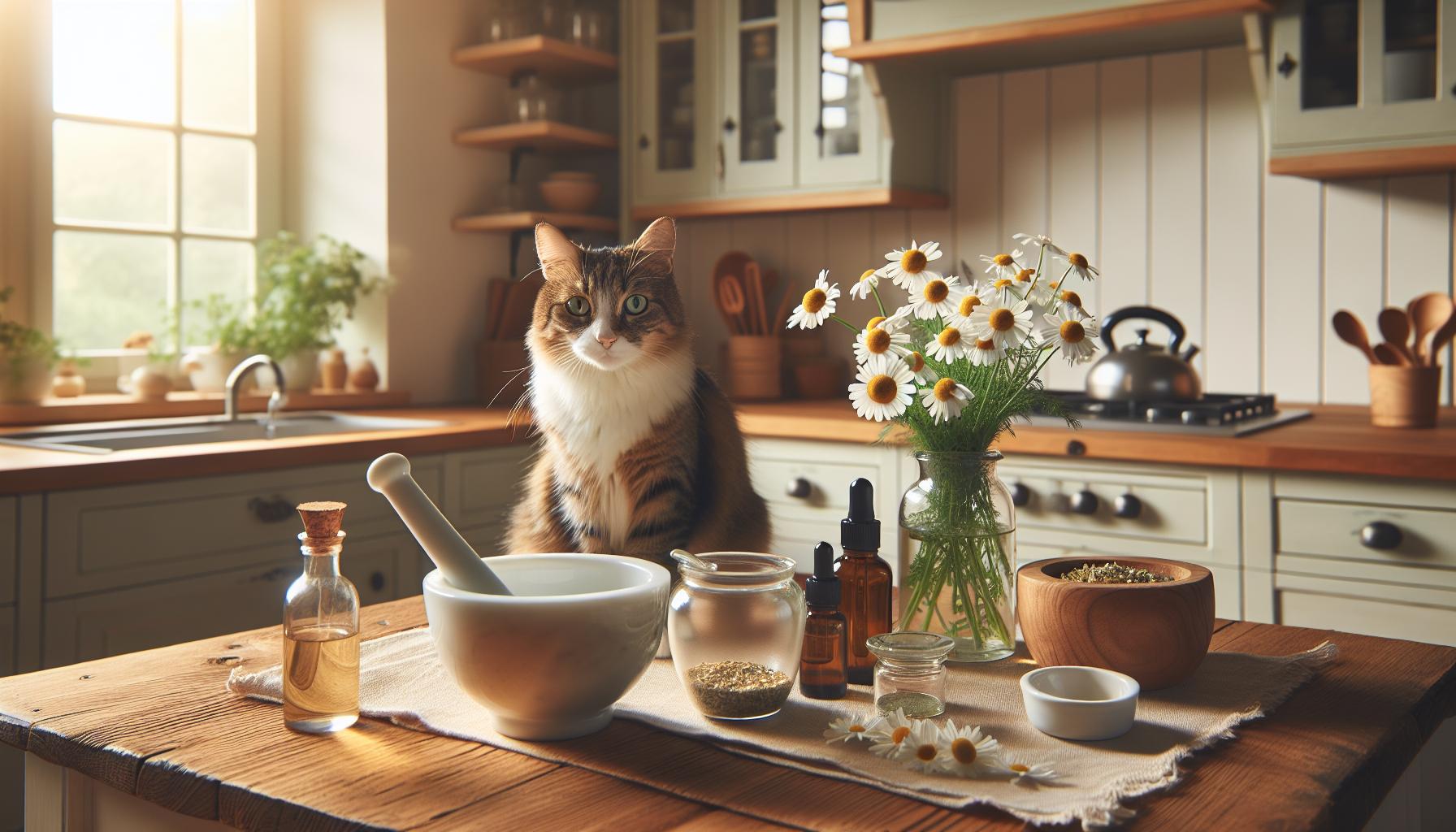
Recognizing Symptoms of Cat Pink Eye
When it comes to your cat’s eye health, being vigilant about the signs of pink eye is essential. Early recognition can make a significant difference in managing this common condition and providing your furry friend with the comfort they need. Observing your cat’s behavior and physical symptoms can help you identify pink eye before it escalates.
Common symptoms to look out for include redness around the eyes, which may vary from a slight tint to a deep crimson hue, indicating irritation. You might also notice swelling or puffiness of the eyelids, often accompanied by tearing or a dreary discharge that can be clear or yellow-green in color, depending on the underlying cause. If your cat frequently rubs or scratches at their eyes, this could be a sign of discomfort and a response to the irritation. In more pronounced cases, you may observe squinting, which indicates sensitivity to light and further discomfort.
Monitoring your cat’s general mood and behavior is equally important. If they seem less active, hide more often, or show signs of disinterest in food, it could signal that they’re feeling unwell. Keep an eye on their grooming habits as well; if your cat is neglecting their usual grooming routines, it may be an indication that they are troubled by their eye condition.
Recognizing these symptoms early on allows you to take proactive steps to soothe your cat’s eyes and explore gentle home remedies. Being attentive not only helps in addressing the immediate discomfort but also enhances your overall approach to your cat’s health and well-being.
Natural Remedies: Gentle Solutions for Your Cat
One of the most reassuring aspects of managing your cat’s pink eye at home is the availability of gentle, natural remedies that can alleviate discomfort and promote healing. Many ingredients you likely already have in your kitchen can be beneficial for your feline friend. For instance, chamomile tea is renowned not only for its calming properties but also for its anti-inflammatory effects. This makes it an excellent option for soothing irritated eyes.
To use chamomile for eye treatment, start by brewing a cup of chamomile tea and allowing it to cool completely. Once cool, dip a clean cotton ball into the tea and gently wipe the affected eye. This can help reduce inflammation and provide relief from any itchiness. Repeat this process two to three times a day, and ensure your cat is comfortable throughout the treatment.
Another practical approach is applying a warm compress to your cat’s eyes. This can be particularly effective if there’s excessive tearing or discharge. Simply soak a clean cloth in warm water-make sure it’s not too hot-and hold it against your cat’s eyes for a few minutes. This not only soothes irritation but also helps to clear away any gunk that may accumulate. Repeat several times a day as needed, ensuring your cat is calm and relaxed.
Additionally, creating a homemade eye wash can be an excellent way to keep your cat’s eyes clean and free from irritants. Mix one part saline solution (which you can buy at the pharmacy or make by dissolving a teaspoon of salt in a pint of boiled and cooled water) with equal parts boiled water. Use a clean dropper or cotton ball to apply the solution to your cat’s eyes carefully. This can serve as a rinse that flushes out any debris and soothes inflammation.
Always keep in mind that while these natural remedies can be effective, observing your cat’s response is essential. If your kitty shows no signs of improvement or if symptoms worsen, don’t hesitate to consult your veterinarian for professional guidance. Being proactive and gentle with these treatments can significantly enhance your cat’s comfort and contribute to a quicker recovery from pink eye.
How to Use Chamomile for Eye Treatment
Chamomile tea is not only renowned for its calming effects on humans but also serves as a gentle remedy for our feline companions when dealing with eye issues like pink eye. This natural ingredient is celebrated for its anti-inflammatory properties, making it an excellent choice for soothing irritation and promoting healing in your cat’s eyes. With just a few simple steps, you can prepare chamomile tea at home to help alleviate your cat’s discomfort.
Start by brewing a cup of chamomile tea using either dried chamomile flowers or chamomile tea bags. If you’re using dried flowers, steep about one tablespoon in boiling water for around 5 minutes. Once brewed, let the tea cool completely to room temperature; it’s crucial to avoid any risk of thermal injury to your kitty’s delicate eyes. After cooling, take a clean cotton ball and dip it into the tea. Gently wipe away any discharge around your cat’s eye, and if the eye is irritated, you can also lightly dab the affected eye with the chamomile-infused cotton. It’s important to be gentle during this process to ensure your cat feels comfortable and safe.
You can repeat this chamomile treatment two to three times a day, depending on your cat’s level of discomfort. Always monitor your pet’s reaction, as any signs of distress may indicate that it’s best to stop the treatment and consult a veterinarian. Additionally, this simple remedy can be a bonding opportunity as you offer your cat gentle care and reassurance during their recovery process. Keeping the environment calm and secure will make this experience more relaxing for both of you. If your cat seems to enjoy the process, it can be a lovely way to connect while helping them feel better.
Benefits of Warm Compresses for Eye Irritation
Applying a warm compress to your cat’s irritated eyes can be a simple yet effective home remedy that offers numerous benefits for their comfort and healing. This soothing treatment helps to relieve discomfort and promote proper eye function, making it an excellent option for addressing pink eye and similar issues. The warmth from the compress not only calms irritated tissues but also encourages increased circulation to the area, facilitating quicker healing and reducing inflammation.
To create a warm compress, you only need a soft cloth or towel and some warm (but not hot) water. Here’s how to do it effectively:
- Prepare the Material: Soak a clean cloth or towel in warm water, wringing out any excess liquid to prevent dripping.
- Test the Temperature: Before applying the compress, ensure it’s a comfortable temperature for your cat by testing it on your wrist or inner forearm.
- Application: Gently place the warm compress over your cat’s affected eye for about 5 to 10 minutes. Be sure to offer gentle reassurance throughout the process, helping your cat feel secure.
This treatment can be repeated several times a day, depending on your cat’s level of discomfort. The warmth will help dissolve any crustiness or discharge, making it easier to keep your cat’s eyes clean. Always have your cat relaxed and in a comfortable position, as this not only aids in better cooperation but also enhances the overall experience for both you and your feline friend.
Incorporating warm compresses into your cat’s eye care routine not only soothes their symptoms but can also be a comforting ritual that strengthens your bond. The experience may also serve as an opportunity for gentle interaction and care, making recovery a more pleasant journey for your pet.
Homemade Eye Wash: Safe Recipes for Cats
Creating a gentle and soothing eye wash can be an effective way to help alleviate your cat’s pink eye symptoms at home. With a few simple ingredients, you can provide relief and support your cat’s eye health. These homemade recipes are safe, natural, and easy to prepare, making them accessible to every cat owner looking to offer their furry friend a bit of comfort.
To make a basic saline eye wash, you’ll need:
- ¼ teaspoon of salt
- 1 cup of distilled water
Begin by boiling the distilled water to ensure it’s sterile. Once it cools to room temperature, mix in the salt until fully dissolved. This solution can be stored in a clean glass container in the refrigerator for up to a week. When you’re ready to use it, soak a clean cloth or cotton ball in the solution and gently wipe your cat’s eyes to remove discharge or crustiness.
Another calming option is a chamomile-infused eye wash, known for its soothing properties:
- 1 chamomile tea bag
- 1 cup of boiling water
Steep the chamomile tea bag in boiling water for about 10 minutes. After the tea has cooled to a comfortable temperature, you can use it similarly to the saline solution. Chamomile can help reduce inflammation while providing a comforting effect, making it an ideal choice for cats experiencing irritation.
In both recipes, ensure that all materials used (like cotton balls or cloths) are clean and free from contaminants. Always monitor your cat’s reaction to any new treatment and stop use if any adverse effects occur. These eye washes not only assist in maintaining cleanliness but also promote overall eye health, offering a gentle, supportive home remedy for your feline friend.
Essential Oils: Caution and Alternatives for Cats
When considering natural remedies for your cat’s pink eye, essential oils may come to mind as a potential solution due to their popularity in holistic health. However, it’s crucial to approach their use with caution. Many essential oils can be harmful to cats, as their livers are less efficient at metabolizing certain compounds found in these oils. For example, oils like tea tree and eucalyptus, while beneficial for humans, can cause severe toxic reactions in felines.
Instead of relying on essential oils, consider safer alternatives that can provide relief without the risk of adverse effects. Herbal infusions, such as chamomile or calendula, offer soothing properties and are generally safe for cats. You can easily create a gentle wash or rinse using these herbs, which can help alleviate irritation without compromising your cat’s safety.
When using any remedy, even natural ones, always start with small amounts to assess your cat’s reaction. If you notice any signs of discomfort or adverse reactions, discontinue use immediately and consult your veterinarian. Prioritizing your cat’s health means opting for solutions that are both effective and safe, ensuring a smooth recovery from those pesky pink eye symptoms. Remember, nature offers numerous gentle solutions that respect the unique needs of your pet!
When to Seek Veterinary Help for Eye Issues
Identifying when to seek veterinary help for your cat’s eye issues is crucial in ensuring their health and comfort. While you may be tempted to treat your feline friend at home, certain symptoms warrant professional attention. If you notice excessive redness, swelling, or discharge from the eye, it’s vital to consult a veterinarian. These signs could indicate a more serious underlying condition, such as conjunctivitis, which may require prescription medication. Additionally, if your cat is squinting or keeping the affected eye closed, it could signify pain or discomfort that needs immediate evaluation.
It’s also important to monitor your cat’s behavior closely. If they show signs of distress, such as rubbing their face against surfaces, excessive pawing at the eye, or changes in appetite, these could be signals that their condition is more severe than initially thought. A sudden onset of eye issues can sometimes be associated with infections or foreign bodies lodged in the eye, both of which require prompt veterinary intervention to prevent further complications.
As a rule of thumb, if home remedies, including gentle washes with chamomile or warm compresses, do not alleviate the symptoms within a couple of days, an appointment with your vet is advisable. Catching potential problems early can lead to more effective treatment and a quicker recovery for your beloved pet. Trust your instincts as a cat owner; if something feels off, your veterinarian is the right resource to ensure your kitty’s health and well-being are prioritized.
Preventing Pink Eye: Tips for Cat Care
One of the most effective ways to keep your feline friend healthy and happy is by preventing pink eye before it becomes an issue. Regular care and attention can significantly reduce the risk of your cat developing eye problems. Understanding their environment and maintaining good hygiene practices can go a long way toward safeguarding their eye health.
Start by keeping your cat’s living area clean and free from potential irritants. Dust, smoke, and strong odors can exacerbate eye issues, so ensure your home is well-ventilated and clean. Additionally, regularly groom your cat to minimize shedding and dirt that could find its way into their eyes. A good grooming routine not only keeps their coat healthy but also reduces allergens and debris that might lead to irritation.
Feeding your cat a balanced diet rich in essential nutrients contributes to their overall health, including eye health. Ingredients like omega-3 fatty acids found in fish help maintain good vision, while vitamins A, C, and E support eye function. If you’re ever in doubt about your cat’s diet, consult with your veterinarian for recommendations tailored to your cat’s specific needs.
Lastly, regular veterinary check-ups are essential in catching any underlying issues before they become major problems. Inform your vet about any changes in your cat’s behavior or symptoms, even if they seem minor. Early detection is key in preventing complications that could lead to pink eye or other ocular diseases. By observing these preventive measures, you not only enhance your cat’s quality of life but also strengthen your bond through proper care and attention.
Understanding the Difference: Pink Eye vs. Other Eye Issues
Understanding your cat’s eye health is crucial, especially when distinguishing between conditions like pink eye and other eye-related issues. Pink eye, or conjunctivitis, often presents with redness, swelling, and discharge, indicating inflammation of the eye’s outer membrane. However, not all eye problems are the same. For instance, corneal ulcers might cause excessive tearing and squinting, but the eye may not appear distinctly red. It’s important to recognize that allergies can also mimic the symptoms of pink eye; your cat may have watery eyes and sneezing due to environmental factors like pollen or dust, rather than an infection.
In addition to these common conditions, foreign bodies lodged in the eye or eyelid may lead to sudden irritation and might be accompanied by signs like pawing at the eye or noticeable discomfort. These situations require careful observation and, in some cases, may necessitate veterinary intervention. Comparatively, although glaucoma presents with similar symptoms such as cloudiness and lethargy, it has a unique cause related to increased pressure within the eye, indicating the importance of proper diagnostic measures.
To help you differentiate between these conditions, observe the following symptoms:
- Pink Eye (Conjunctivitis): Redness, swelling, discharge (clear or yellow), excessive tearing.
- Corneal Ulcers: Cloudy appearance, squinting, sensitivity to light.
- Allergic Reaction: Watery eyes, sneezing, itchiness without significant redness.
- Foreign Bodies: Pawing at the eye, irritation, potentially visible objects.
- Glaucoma: Cloudiness, distorted appearance, serious discomfort.
Being attuned to your cat’s normal eye appearance and behavior will empower you to act decisively, whether that means implementing natural remedies or seeking veterinary assistance. With careful observation, you can provide the best support for your feline friend, ensuring they stay healthy and comfortable.
Aftercare for Your Cat: Ensuring Recovery
Ensuring your cat’s recovery after experiencing pink eye involves a combination of vigilance, comfort, and natural care methods. A soothing environment can significantly aid in their healing process. Begin by keeping your cat in a calm, quiet space where they can rest undisturbed. Make sure the area is free from irritants, such as dust or strong odors, which could worsen their condition. This not only helps the healing but also reduces stress for your furry friend.
For aftercare, consistent application of warm compresses can make a world of difference. Use a soft, clean cloth soaked in warm water to gently press against the affected eye for a few minutes, several times a day. This helps reduce swelling and can aid in clearing any discharge. Be attentive to your cat’s reactions during this process; ensuring they feel calm and secure will help alleviate any anxiety. It’s also crucial to monitor their behavior for any changes and maintain a playful yet gentle demeanor to keep their spirits up.
Another beneficial approach is to introduce homemade eye wash that incorporates natural, soothing ingredients like chamomile or saline solutions. You can prepare a simple saline solution by mixing one teaspoon of salt in a cup of boiled, then cooled water. Use a clean dropper to apply a few drops to the affected eye or to rinse it, which can help flush out irritants. Always ensure that your tools are clean to avoid introducing further bacteria.
Throughout this recovery period, patience is key. Cats may need time to mend fully, and they might appreciate extra affection and gentle petting during this time. Remember to keep their litter box clean and pay attention to their overall diet and hydration, as a balanced intake can support their immune system. Keeping track of your cat’s progress can empower you to act quickly should any complications arise. If symptoms persist or worsen, don’t hesitate to consult your veterinarian, as timely professional guidance can ensure your cat receives the best care possible. With the right nurturing, your cat can bounce back swiftly from pink eye and return to their playful self.
Holistic Care: Supporting Your Cat’s Eye Health
Maintaining your cat’s eye health goes beyond treating immediate issues like pink eye; it can incorporate holistic practices that support overall wellness. Did you know that a cat’s diet can significantly impact its eye health? Just like humans, cats require specific nutrients to keep their eyes sharp and free from irritation. By focusing on a balanced diet rich in Omega-3 fatty acids, vitamins A, C, and E, you’re not just nourishing their body but also fortifying their eyesight.
One effective strategy involves incorporating natural supplements into your cat’s regimen. For instance, adding fish oil to their diet can help reduce inflammation and promote healthy tear production, which may benefit conditions like dry eyes and contribute to general eye health. Additionally, ensure your cat stays hydrated, as adequate water intake helps maintain moisture in the eyes, reducing the likelihood of irritants causing problems.
Creating a Stress-Free Environment
Stress can exacerbate many health issues, including eye problems. Creating a peaceful and comforting space for your feline friend can do wonders for their overall well-being. You might consider setting up a cozy corner with their favorite blanket and toys, away from loud noises and activity. Regular playtime can also alleviate stress and anxiety, keeping their immune system robust and their body primed to combat potential eye issues.
Regular Grooming
Maintaining proper grooming habits is another key aspect of holistic care. Regularly brushing your cat not only strengthens the bond between you both but also helps to avoid matting and debris that can irritate the eyes. Pay attention to discharge around the eyes; gently wipe it away with a clean, damp cloth. This simple act can prevent further irritation and assist in keeping their vision clear.
Incorporating these holistic practices into your cat’s daily routine not only mitigates the risk of eye issues but fosters an enriching, healthy life. By focusing on proper nutrition, stress management, and routine care, you are empowering your cat to thrive and shine, both in health and spirit.
Q&A
Q: What are the first signs of pink eye in cats?
A: The initial signs of pink eye, or conjunctivitis, in cats often include redness of the eye, excessive tearing, and squinting. You may also notice discharge from the eye and your cat rubbing its face more than usual. Monitoring these symptoms is vital for timely home remedy application.
Q: Can home remedies effectively treat cat pink eye?
A: Yes, home remedies can be effective for mild cases of cat pink eye. Solutions like warm compresses and chamomile eye wash help soothe irritation. However, always observe your cat’s condition and consult a veterinarian if improvement isn’t seen within a couple of days.
Q: How can I prevent pink eye in my cat?
A: To prevent pink eye in cats, maintain a clean living environment and ensure good hygiene. Regularly wash your cat’s bedding and dishes, and keep their eyes free from debris. Additionally, avoid exposure to irritants like smoke and dust, which can trigger eye issues.
Q: Are there essential oils safe for treating cat pink eye?
A: Generally, it’s best to avoid using essential oils directly on cats, as many can be toxic. While some oils like chamomile can be beneficial when diluted properly, consult with a veterinarian before use to ensure safety for your cat.
Q: How often should I apply a warm compress to my cat’s eye?
A: For treating pink eye, apply a warm compress to your cat’s affected eye for 5 to 10 minutes, two to three times a day. This can help reduce swelling and discomfort. Make sure the compress is clean and not too hot to avoid burns.
Q: What can I use for a homemade eye wash for my cat?
A: A simple homemade eye wash can be made using distilled water with a pinch of salt or brewed and cooled chamomile tea. Use a clean dropper or cotton ball to apply the wash gently to keep the eye area clean and reduce irritation.
Q: When should I take my cat to the vet for pink eye?
A: If your cat’s pink eye worsens, shows severe discharge, or is accompanied by swelling, pain, or loss of vision, seek veterinary care immediately. Persistent symptoms beyond a few days also warrant a professional consultation to rule out serious conditions.
Q: Can allergies cause pink eye in cats?
A: Yes, allergies can lead to pink eye in cats. Common allergens include pollen, dust mites, and certain foods. If you suspect allergies, observe your cat for other signs like sneezing or itching, and discuss treatment options with your veterinarian.
Closing Remarks
Incorporating natural remedies for your cat’s pink eye can transform your pet’s comfort and well-being. Remember, consistency is key-administer treatments regularly and monitor your cat’s progress closely. If symptoms persist, don’t hesitate to consult your veterinarian for further guidance. For additional tips on pet health and natural solutions, explore our article on general eye care for pets or discover our guide on home remedies for common feline ailments.
Now that you’re equipped with effective, natural treatments, it’s time to take action! Share your experiences in the comments below, or connect with other pet owners facing similar challenges. Don’t forget to subscribe to our newsletter for the latest insights and tips on keeping your furry friends healthy and happy. Your cat deserves the best care possible-start today!


