


Noticing blood in your dog’s urine can be alarming, but understanding the natural options available to support your pet’s urinary health can empower you as a pet owner. This condition, often a sign of underlying issues, can be addressed with a combination of home remedies and preventative measures, allowing you to nurture your furry friend back to wellness.
Many pet owners share the concern of their beloved companions experiencing urinary troubles, and addressing these issues swiftly can lead to better outcomes. Utilizing natural solutions not only promotes healing but also fosters a deeper bond between you and your dog. In this guide, we will explore practical and accessible remedies that can bolster urinary health, making your pet’s recovery journey smoother and more supportive.
Stay with us as we delve into these home remedies that are easy to implement and may offer your dog the relief and comfort they need. Your dog deserves the best, and with the right knowledge, you can take effective steps to ensure their health and happiness.
Natural Causes of Blood in Dog Urine
Noticing blood in your dog’s urine can be quite alarming, but understanding the natural causes can help ease your worries. Various factors can lead to this distressing symptom, ranging from common infections to more complex health issues. Urinary tract infections (UTIs) are one of the most frequent culprits, often stemming from inflammation rather than just bacterial infections. Other potential causes include bladder stones, kidney disease, prostate issues in males, clotting disorders, and even trauma. Recognizing these underlying factors is crucial in addressing your dog’s urinary health effectively.
When a dog experiences hematuria, or blood in urine, it may also be accompanied by other symptoms like frequent urination, straining to urinate, and signs of pain or discomfort. These symptoms indicate underlying health troubles that need prompt attention. It’s essential to observe your dog’s behavior closely and consult with a veterinarian for a thorough diagnosis, especially if you notice any of these accompanying signs. Remember, a proactive approach to your dog’s health can lead to better outcomes and an overall healthier pet.
It’s also worth noting that certain lifestyle and dietary factors can contribute to urinary health. A proper diet that promotes urinary tract health can aid in preventing conditions that lead to blood in urine. Keeping your dog hydrated is key. Water helps to dilute urine and flush out harmful substances that can irritate the urinary system. Furthermore, regular physical activity can encourage more frequent urination, which is beneficial for urinary tract health.
If you suspect your dog might be experiencing these issues, consider making immediate changes that support their urinary health. Incorporating natural remedies, such as cranberries or pumpkin, may aid in keeping the urinary tract healthy and functioning properly. Always be sure to check with a veterinary professional before introducing new supplements or dietary changes, especially when your dog is displaying concerning symptoms.
Common Symptoms to Watch For
Noticing abnormalities in your dog’s urine can often be concerning, especially when blood is present. Understanding the common symptoms that accompany this condition is essential for early detection and treatment. Besides the noticeable presence of blood, dogs may exhibit a range of behaviors, including frequent urination, straining or difficulty while urinating, or an increased urgency to go outside. If your dog seems to be whining or showing signs of discomfort during bathroom breaks, these could be vital indicators that something is amiss.
Additionally, keep an eye out for changes in your dog’s drinking habits. Increased thirst can sometimes accompany urinary issues, as your dog’s body tries to flush out irritants. On the other hand, a decrease in appetite or lethargy might suggest a more serious underlying health concern that warrants immediate attention. If you observe any of these symptoms, it’s crucial to monitor them closely and consult your veterinarian for a thorough evaluation.
In general, keeping a daily log of your dog’s urinary patterns, drinking habits, and behavior can be incredibly helpful. For instance, note if you see your dog licking their genital area more than usual, which can indicate discomfort or irritation. A detailed account can give your vet valuable insights into your dog’s health and assist in diagnosis. Remember, being proactive about your pet’s health-by recognizing and responding to symptoms early-can make a significant difference in their well-being.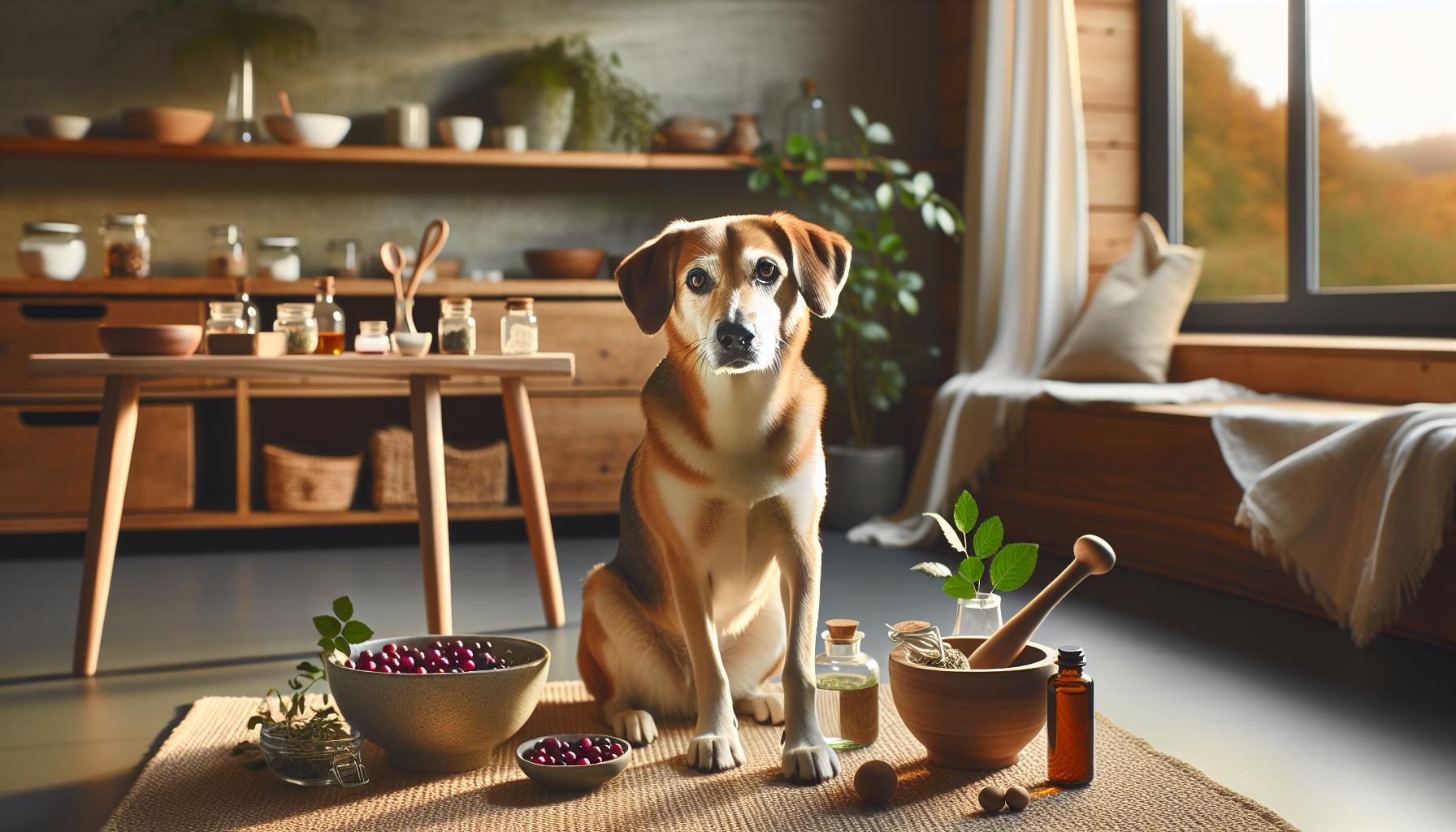
Understanding Dog Urinary Health
Understanding your dog’s urinary health is crucial, especially when issues such as blood in the urine arise. The urinary system in dogs is vital for filtering waste, balancing fluids, and regulating essential minerals. It’s composed of the kidneys, ureters, bladder, and urethra. When this system isn’t working properly, it can lead to discomfort and serious health problems.
Several factors can contribute to urinary health issues in dogs, ranging from infections and stones to dietary choices and hydration levels. For instance, urinary tract infections (UTIs) are common and can cause inflammation, often resulting in blood being present in the urine. Additionally, conditions such as bladder stones or tumors can also lead to similar symptoms. Because dogs cannot articulate their discomfort, it’s essential for pet owners to be observant of their behaviors and regular patterns.
Maintaining a balanced diet and sufficient hydration plays a significant role in preventing urinary problems. Providing fresh, clean water at all times helps dilute urine, reducing the risk of crystals and stones forming. Moreover, a diet rich in moisture-whether through wet food or added broth-can enhance hydration and overall urinary health. Always observe your dog’s bathroom habits; any irregularities could signal underlying issues that need attention.
Using natural remedies can support urinary health as well. Some pet owners find that cranberry extract, for example, is beneficial for promoting urinary tract health by acidifying urine and preventing bacterial adhesion. Regular exercise and a healthy weight can also contribute to a well-functioning urinary tract, as obesity can increase the risk of various health issues, including urinary problems. Encouraging your dog to engage in play and activity helps improve overall health, including urinary function.
In summary, proactive measures, vigilant observation, and natural support can significantly enhance your dog’s urinary health, promoting a happy and healthy life. By prioritizing these factors, you can help ensure your furry friend’s urinary system remains in peak condition.
Home Remedies for Immediate Relief
When your furry friend experiences blood in their urine, it can be concerning and may prompt immediate action to provide relief and support their urinary health. Thankfully, several home remedies can help manage the situation, boost their comfort, and promote recovery. These natural solutions are often safe, simple to implement, and can provide your dog with the relief they need.
One effective option is to incorporate cranberry juice into your dog’s diet. Cranberries contain compounds that prevent bacteria from sticking to the urinary tract, which can be especially helpful for dogs prone to urinary tract infections. Be sure to choose unsweetened cranberry juice, and dilute it with water to make it easier for your dog to consume. Another soothing remedy is plain, unsweetened yogurt, which contains probiotics that can help restore healthy gut flora and support the immune system.
Additionally, consider adding pumpkin to their meals. Its high fiber content aids in digestion and may help soothe their urinary tract. Simply mix a tablespoon of canned pumpkin (not the spiced pie filling) into their food. Besides these ingredients, ensuring your dog is drinking enough water is crucial. Encouraging hydration can help dilute their urine, making it less irritating to their urinary tract. You can entice them to drink more by offering fresh water, adding water to their meals, or providing ice cubes made from broth as a treat.
Creating a comfortable environment is essential as well. Make sure your dog has easy access to the outdoors to relieve themselves frequently. Reducing stress by maintaining a calm atmosphere may also aid in their overall recovery. If symptoms persist or worsen, it’s important to consult your veterinarian, but these home remedies can serve as immediate support while you monitor your dog’s condition.
Herbal Solutions for Urinary Support
When looking to support your dog’s urinary health naturally, the use of herbs can be a powerful ally. Certain herbs have been traditionally recognized for their beneficial properties in promoting urinary tract wellness. These natural remedies can complement dietary adjustments and hydration efforts, providing a holistic approach to managing urinary issues, including the troublesome symptom of blood in urine.
Popular Herbal Remedies for Urinary Health
- Dandelion: Known for its diuretic properties, dandelion can help flush out toxins from the urinary system. This herb is rich in vitamins A, C, and K, as well as important minerals. Incorporating dandelion leaves or root into your dog’s diet can promote healthy urine flow and support overall kidney function.
- Parsley: This common kitchen herb is more than just a garnish. Parsley acts as a natural diuretic, helping to increase urine production. By enhancing urinary output, it can assist in flushing out impurities that may contribute to infections or discomfort.
- Marshmallow Root: Not to be confused with the sweet treat, marshmallow root is known for its soothing properties. It helps coat the urinary tract and reduces irritation, making it beneficial for dogs experiencing discomfort from inflammation.
- Corn Silk: The silky threads found on corn ears are more than just kitchen waste-they can be beneficial for urinary health. Corn silk has diuretic effects and contains compounds that may help reduce inflammation in the urinary tract.
How to Administer Herbal Support
When incorporating these herbs, you can use them in different forms, including teas, capsules, or tinctures. Here are some steps to help you introduce these herbal solutions into your dog’s routine:
- Consult your vet: Before starting any herbal remedy, discuss your plans with your veterinarian, especially if your dog is on medication or has pre-existing health conditions.
- Introduce gradually: Start with small amounts to see how your dog reacts. Add herbs to their food or mix them into their favorite treats.
- Monitor effects: Keep an eye on your dog for any changes, both positive and negative. Look for improvements in their urinary symptoms and overall health.
By choosing the right herbs and using them appropriately, you can promote urinary health for your furry friend in a natural and supportive way. Each herb can contribute uniquely to your dog’s well-being, providing gentle yet effective relief from urinary discomfort.
Dietary Changes to Consider
Making mindful dietary changes can significantly influence your dog’s urinary health and help alleviate issues such as blood in urine. A balanced diet not only supports overall well-being but can enhance the function of the kidneys and urinary tract, facilitating the natural elimination of toxins and promoting healthy urine production.
Begin by incorporating low-ash and high-quality protein sources into your dog’s meals. These types of proteins are easier for your dog’s body to process and reduce the likelihood of crystal formation in the bladder. Foods such as lean chicken, turkey, or fish can serve as excellent protein sources. Consider adding fiber-rich vegetables like pumpkin or green beans, which promote digestive health while ensuring the urinary tract is flushed regularly.
It’s also beneficial to explore specialized dog foods formulated for urinary health. Many commercial dog food brands offer products designed to reduce urinary pH levels and minimize the risk of stone formation. Look for ingredients like cranberries or blueberries known for their urinary tract benefits, or seek out foods specifically labeled for urinary care. Additionally, be wary of excessive sodium in commercial foods, as it can lead to dehydration and increased urine concentration, exacerbating urinary issues.
Remember, hydration plays a crucial role in urinary health. Ensure your dog has constant access to fresh, clean water, and consider incorporating wet food into their diet, which can help increase their overall moisture intake. By focusing on these dietary adjustments, you can empower your furry friend to maintain a healthier urinary tract and feel their best every day.
Hydration Tips for Healthy Urine
Ensuring your dog stays properly hydrated is essential for maintaining urinary health and preventing issues such as blood in urine. Adequate hydration helps to dilute the urine, making it less concentrated and reducing the risk of crystal and stone formation in the bladder. A well-hydrated dog is also less likely to suffer from urinary tract infections, which can cause painful symptoms. By following some simple and effective hydration strategies, you can support your furry friend’s urinary health.
One of the most straightforward ways to encourage your dog to drink more water is to provide fresh, clean water at all times. Dogs can be picky about their water; they may turn up their noses at stale or dirty bowls. To keep their water attractive, change it several times a day. You might also experiment with various bowls-some dogs prefer ceramic or stainless steel over plastic. Additionally, consider using a pet water fountain. Many dogs are naturally drawn to moving water, which can significantly increase their water intake.
Another great tip is to integrate wet food into your dog’s diet. Canned dog food generally contains a higher moisture content than dry kibble, making it an excellent option for boosting hydration. You can also mix water, low-sodium chicken broth, or bone broth into their dry food to enhance palatability while increasing hydration. If your dog enjoys snacks, offer them fruits and vegetables with high water content, such as cucumber, watermelon, or carrots. These treats not only hydrate but can also serve as a refreshing reward.
Introducing regular exercise is also important for encouraging healthy urination. After playtime or a walk, dogs will often feel inclined to drink more water, especially if they sweat and lose moisture. Ensuring your dog has opportunities to urinate frequently can help flush out their urinary tract more effectively, preventing the buildup of harmful substances.
By prioritizing hydration, you’re taking a proactive step toward ensuring your dog’s urinary system functions optimally. Simple changes can lead to significant improvement in their overall health and well-being, empowering you as a pet owner to manage and prevent urinary issues naturally.
When to Seek Veterinary Care
When you notice blood in your dog’s urine, it can be a concerning experience for any pet owner. While minor issues may sometimes lead to this alarming symptom, there are cases where immediate veterinary intervention is crucial. Understanding the signs that indicate the need for professional care will empower you to act promptly and ensure the best possible outcome for your furry friend.
If your dog exhibits any of the following symptoms along with blood in their urine, it’s time to reach out to your veterinarian without delay:
- Persistent Blood in Urine: If the blood persists over a couple of urinations or worsens, seek veterinary help.
- Frequent Urination: A significant increase in the frequency of urination, especially if your dog seems to struggle or cries out, may indicate discomfort or a serious issue.
- Change in Drinking Habits: If you notice your dog drinking much less water than usual or showing signs of excessive thirst, this could point towards underlying health issues.
- Other Symptoms: Look out for additional signs such as vomiting, diarrhea, lethargy, loss of appetite, or abdominal pain. These symptoms can indicate systemic issues that require immediate veterinary attention.
Keep in mind that some conditions leading to blood in urine, such as urinary tract infections, bladder stones, or more severe conditions like tumors, require swift diagnosis and treatment. Delaying veterinary care may lead to worsening conditions that could have been managed more effectively with early intervention.
Taking the proactive approach of monitoring your dog’s health and being attentive to changes can make all the difference in securing timely care. If you are ever in doubt, it’s best to err on the side of caution and consult your vet. Your intuition combined with professional guidance will ensure your beloved companion receives the attention they need.
Preventative Measures for Urinary Issues
Maintaining your dog’s urinary health is not just about addressing issues as they arise; it involves proactive measures to prevent potential problems, including the distressing sight of blood in their urine. A well-rounded approach focused on nutrition, hydration, and regular veterinary care can make a significant difference in your dog’s urinary well-being.
One of the most effective strategies is to ensure your dog stays well-hydrated. Water is essential for flushing out toxins and preventing urinary tract infections, which are common culprits for blood in urine. Aim to provide fresh, clean water at all times. You can also incorporate wet dog food or add water to dry kibble to increase fluid intake.
Diet plays a pivotal role in urinary health as well. Consider feeding high-quality dog food that includes essential nutrients and avoids excessive fillers that can contribute to urinary issues. Ingredients like cranberries and probiotics are known for their urinary tract benefits, helping to maintain a healthy pH balance and support beneficial bacteria.
Regular exercise is another key factor in prevention. Physical activity helps to maintain healthy weight and good circulation, both of which support overall urinary function. Additionally, established bathroom routines can prevent accidents and build a habit, ensuring that your dog is relieved frequently and comfortably.
Lastly, routine veterinary check-ups cannot be overlooked. Regular wellness exams can catch potential issues early, such as urinary tract infections or bladder stones, before they develop into more serious concerns. By keeping your vet in the loop about changes in your dog’s behavior or health, you can ensure timely interventions when needed.
Incorporating these simple yet effective preventative measures into your dog’s daily routine will go a long way in promoting a healthy urinary system and potentially avoiding the distress of blood in their urine. Your attentive care can help keep your furry friend happy and healthy!
Lifestyle Adjustments for Better Health
Making thoughtful lifestyle adjustments can significantly enhance your dog’s urinary health and well-being. One simple yet effective change is to modify your dog’s environment to create a stress-free space. Stress can adversely affect a dog’s health, including their urinary function. Ensure your furry friend has a comfortable resting area, free from loud noises and disturbances. Regular playtime and positive interactions can also relieve anxiety and contribute to overall health.
Incorporating routine potty breaks into your dog’s daily schedule is another vital adjustment. Establish a regular bathroom routine, making it a habit for your pet to relieve itself at consistent times throughout the day. This practice not only helps in preventing accidents but also promotes healthy bladder function. For instance, taking your dog out after meals or during walks can encourage good habits and reduce the risk of urinary issues.
Moreover, consider the benefits of daily physical activity. Engaging your dog in moderate exercise, such as walks or interactive play, boosts circulation and aids in maintaining a healthy weight. A dog that is manageable and active is less likely to develop obesity-related complications, which can lead to urinary tract problems. Aim for at least 30 minutes of exercise daily, tailored to your dog’s breed and physical capabilities.
Lastly, creating a temperature-controlled environment is essential, especially during extreme weather conditions. Hot weather can lead to dehydration, while cold can worsen irritation in the urinary tract. Ensure your dog has access to clean water at all times and a comfortable place to relax, regardless of the season. By implementing these lifestyle adjustments, you are investing in a happier, healthier life for your beloved pet, ultimately reducing the likelihood of experiencing blood in their urine.
Alternative Therapies for Urinary Health
Incorporating alternative therapies into your dog’s routine can provide significant support for urinary health, especially in cases where you might notice blood in their urine. Many pet owners are exploring natural remedies to complement traditional treatments and improve their dogs’ overall well-being, embracing holistic approaches that align with their commitment to natural care.
One popular option is the use of homeopathic remedies. These can be tailored to your dog’s specific symptoms and may include ingredients like Cantharis, which is often recommended for urinary issues. This remedy can help relieve burning sensations during urination, and additionally, it may be beneficial for frequent urination problems. Consult with a veterinarian experienced in homeopathy to find the right dosage for your furry friend.
Another effective approach involves incorporating acupuncture into your dog’s health regimen. This ancient practice has been shown to relieve urinary discomfort and improve bladder function. Many pet owners report positive outcomes after a series of sessions, as acupuncture stimulates organs and promotes blood circulation, enhancing overall urinary health. If you’re considering this therapy, look for a qualified veterinarian who has experience with acupuncture for pets.
Aromatherapy is also gaining traction among dog owners as a supplementary therapy for urinary health. Utilizing essential oils like cypress and geranium, known for their ability to improve circulation and relieve stress, can create a calming environment for your dog. Ensure any oils used are pet-safe and always diluted properly. You can diffuse the oils in the room or add a few drops to your dog’s bedding for optimal effect.
Lastly, don’t underestimate the power of massage therapy. Regular gentle massages can help relieve tension throughout your dog’s body, including the areas surrounding the urinary organs. Incorporating this practice not only strengthens your bond but also provides an avenue for relaxation, which can positively impact overall urinary health. For guidance, consider taking a class on pet massage or consult a certified pet massage therapist.
By exploring these various alternative therapies, you are opening doors to diverse ways of supporting your dog’s urinary health naturally. Each pet is unique, so it’s essential to observe their responses and consult with a professional when experimenting with new methods. Your dedication to maintaining their well-being is a significant step towards happier, healthier lives for your furry companions.
Success Stories: Dogs and Natural Remedies
There are countless heartwarming stories of dogs overcoming challenges through the power of natural remedies. One such tale is of Bella, a spirited Golden Retriever who faced a worrying issue of blood in her urine. Her owner, concerned yet hopeful, sought guidance on natural approaches to support Bella’s urinary health. After researching home remedies, they decided to incorporate organic cranberry juice into Bella’s diet. Known for its ability to promote urinary tract health, cranberry is rich in antioxidants that prevent bacteria from adhering to the bladder, thus reducing the risk of infection.
Alongside the cranberry juice, Bella’s owner also introduced a calming herbal tea made from chamomile and dandelion root to help soothe her system. Chamomile is known for its anti-inflammatory properties, while dandelion root can support kidney function. With consistent diet adjustments and newfound hydration efforts, Bella showed remarkable improvement within weeks. Her owner noted not only a reduction in blood during urination but also a more vibrant and playful temperament.
Another inspiring case involves Max, a Beagle who struggled with urinary discomfort due to recurring infections. His owner decided to explore acupuncture after hearing from friends about its benefits. Under the care of a veterinarian specializing in acupuncture for pets, Max underwent several sessions. The gentle stimulation of points along his body led to reduced inflammation and improved bladder function. Max’s transformation was so compelling that his owner became an advocate for complementary therapies, sharing their story through online pet forums to help other dog owners find relief for similar issues.
These success stories illustrate that with a little research, dedication, and a holistic approach, many dogs can find relief from urinary health problems without relying solely on pharmaceuticals. Always remember to consult your veterinarian before starting any new treatment to ensure that it’s safe and appropriate for your furry friend. By integrating natural remedies into your dog’s health routine, you not only enhance their well-being but also foster a stronger connection with them through moments of care and compassion.
Q&A
Q: What are the natural remedies for blood in dog urine?
A: Natural remedies for blood in dog urine include increasing water intake to dilute urine, adding cranberry supplements to prevent urinary tract infections, and incorporating probiotics into your dog’s diet for gut health. Always consult a veterinarian for tailored advice.
Q: How to improve a dog’s urinary health at home?
A: To improve urinary health at home, ensure your dog has access to fresh water, provide a balanced diet rich in vitamins, and encourage regular bathroom breaks. You can also consider herbal remedies like marshmallow root and dandelion leaf which may soothe urinary tract irritation.
Q: What does it mean if my dog’s urine is red but they’re not sick?
A: Red urine can indicate various issues, including diet discrepancies (like beet consumption) or minor irritations. If your dog shows no other symptoms, monitor their condition closely. However, consult a veterinarian if the redness persists or if other symptoms develop.
Q: Can diet changes help with blood in dog urine?
A: Yes, dietary changes can alleviate blood in urine. Introduce high-quality dog food rich in omega fatty acids and antioxidants, and consider adding hydration-friendly foods like watermelon. Always implement dietary changes progressively and consult your vet for optimal nutrition guidance.
Q: When should I be concerned about blood in my dog’s urine?
A: Seek veterinary care if blood in your dog’s urine persists, is accompanied by symptoms like pain or frequent urination, or if there are changes in appetite or behavior. Early diagnosis is crucial for effective treatment.
Q: Are there specific herbs that support urinary health in dogs?
A: Yes, herbs like parsley, dandelion, and corn silk are known to support urinary health in dogs. These herbs can help reduce inflammation and promote healthy urine flow. Always confirm with your vet before adding new herbs to your dog’s diet.
Q: How can hydration help reduce blood in dog urine?
A: Increasing hydration helps dilute urine, which can reduce irritation in the urinary tract, potentially alleviating symptoms like blood in urine. Encourage your dog to drink more water, or consider wet dog food options to enhance their fluid intake.
Q: Is it safe to use home remedies alongside traditional treatments for urinary issues in dogs?
A: Many home remedies can be safely used in conjunction with traditional treatments, but it’s important to consult your veterinarian first. They can help you determine which remedies are safe and appropriate for your dog’s specific health needs.
Key Takeaways
Understanding how to address blood in your dog’s urine through natural remedies can significantly improve their urinary health and overall well-being. By implementing the practical strategies discussed, you can take immediate steps to support your furry friend and potentially alleviate their discomfort. Remember, consistency is key; regularly monitor your dog’s hydration, diet, and health to reinforce these natural approaches effectively.
For further exploration, consider checking out our guides on “Healthy Diets for Dogs” and “Signs of Urinary Tract Infections in Pets.” Don’t hesitate to share your experiences or concerns in the comments below-we love hearing from fellow pet lovers! And if you haven’t yet, sign up for our newsletter for exclusive tips and resources to ensure your pet stays happy and healthy. Your proactive approach to your dog’s health can make all the difference, so let’s continue this journey together!


