


Have you ever faced the frustration of a rusted bolt that just won’t budge? You’re not alone. Many DIY enthusiasts and homeowners encounter this problem, often stemming from the natural process of rust formation when metal comes into contact with moisture and oxygen. Thankfully, you don’t need to resort to harsh chemicals or expensive tools.
In this guide, we’ll explore effective home remedies to loosen those stubborn rusted bolts with ease. By utilizing simple household items, you can tackle this common challenge without breaking a sweat. Not only will you save time and money, but you’ll also gain the satisfaction of knowing you handled it yourself. So, let’s dive into these practical solutions that could restore your projects with minimal effort and maximum results.
How Rust Formations Occur and Why Bolts Seize
Rust is more than just an eyesore; it’s a complex chemical process that can lead to frustrating situations, especially when it comes to seized bolts. Rust forms when iron and oxygen react in the presence of moisture, a process known as oxidation. Over time, this reaction creates iron oxides, weakening the structural integrity of metal objects. Bolts succumb to this deterioration as they become encased in rusty deposits, which can significantly increase friction and lead to corrosion that binds them to surrounding materials.
When bolts seize, the culprit is often a combination of rust and corrosion. This bonding can occur in environments where moisture is frequent or where dissimilar metals are in contact, leading to galvanic corrosion. As the rust expands, it can literally lock the bolt into place, making it nearly impossible to remove using standard tools. This frustration is common in outdoor or older applications, where exposure to the elements has taken its toll.
For a smooth resolution, understanding this process is key. Regular maintenance, such as applying protective coatings and checking for signs of rust, can prevent the problem before it starts. However, should you find yourself faced with a stubborn bolt, a variety of natural remedies-like vinegar or baking soda-can help break down rust. As you prepare to tackle these issues, remember that patience and persistence can go a long way in loosening those stubborn fasteners.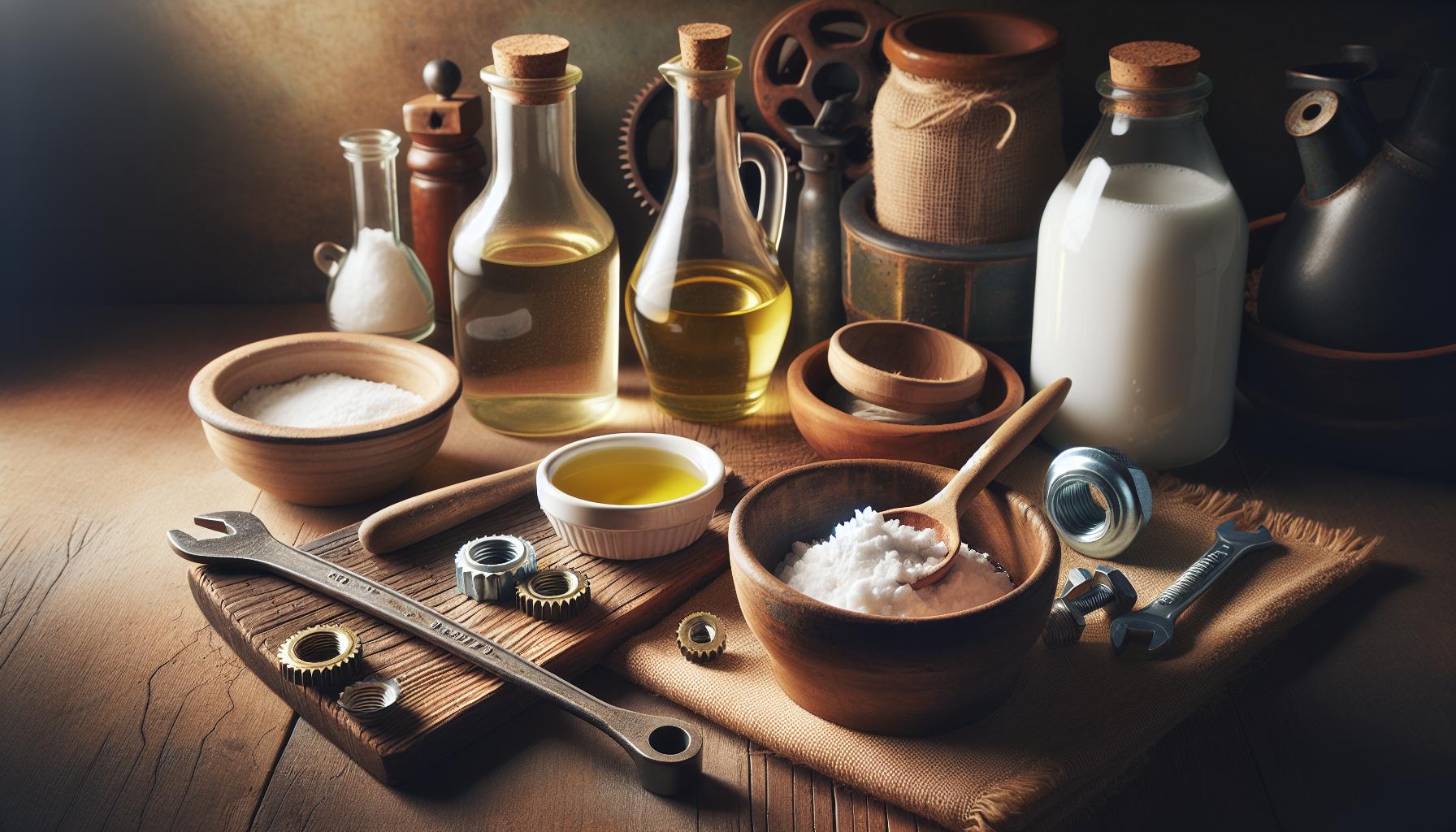
Common Household Ingredients for Loosening Bolts
When faced with a stubborn rusted bolt, you might feel at a loss, but the kitchen is often a treasure trove of natural remedies that can help. Several common household ingredients have effective rust-loosening properties, allowing you to tackle those pesky fasteners without resorting to harsh chemicals or expensive products. Utilizing these everyday items not only addresses the immediate problem but also promotes a more eco-friendly approach to DIY repairs.
The first go-to ingredient is vinegar, especially white vinegar. Its acetic acid content allows it to penetrate rust effectively, gradually breaking it down and loosening the bolt. Simply soak a cloth in vinegar and wrap it around the rusted area. For enhanced effectiveness, let it sit for several hours or overnight. If soaking isn’t feasible, pouring vinegar directly onto the bolt and allowing it to sit can also work wonders.
Another remarkable ally in this battle against rust is baking soda. When combined with water, it forms a thick paste that can be applied directly to the rusted bolt. Apply a generous amount of the baking soda paste, let it sit for at least 30 minutes, then scrub with a wire brush or cloth. The mild abrasiveness of baking soda can help dislodge the rust without damaging the underlying metal.
Additionally, lemon juice can act as a natural rust remover due to its citric acid. Apply lemon juice to the rusted area and sprinkle some salt over it to create an abrasive reaction. Leave this mixture for a couple of hours before scrubbing, and you may find that the rust has loosened significantly.
Finally, consider using cooking oil or WD-40, which can act as lubricants to penetrate and loosen the rust’s grip on the bolt. Apply a liberal amount and let it soak in for a few minutes before attempting to turn the bolt again.
Incorporating these household ingredients into your toolkit not only provides effective solutions for loosening rusted bolts but also allows you to experiment with the power of what you already have at home. Don’t hesitate to give these methods a try; with patience and persistence, you can reclaim those stuck fasteners and continue with your projects.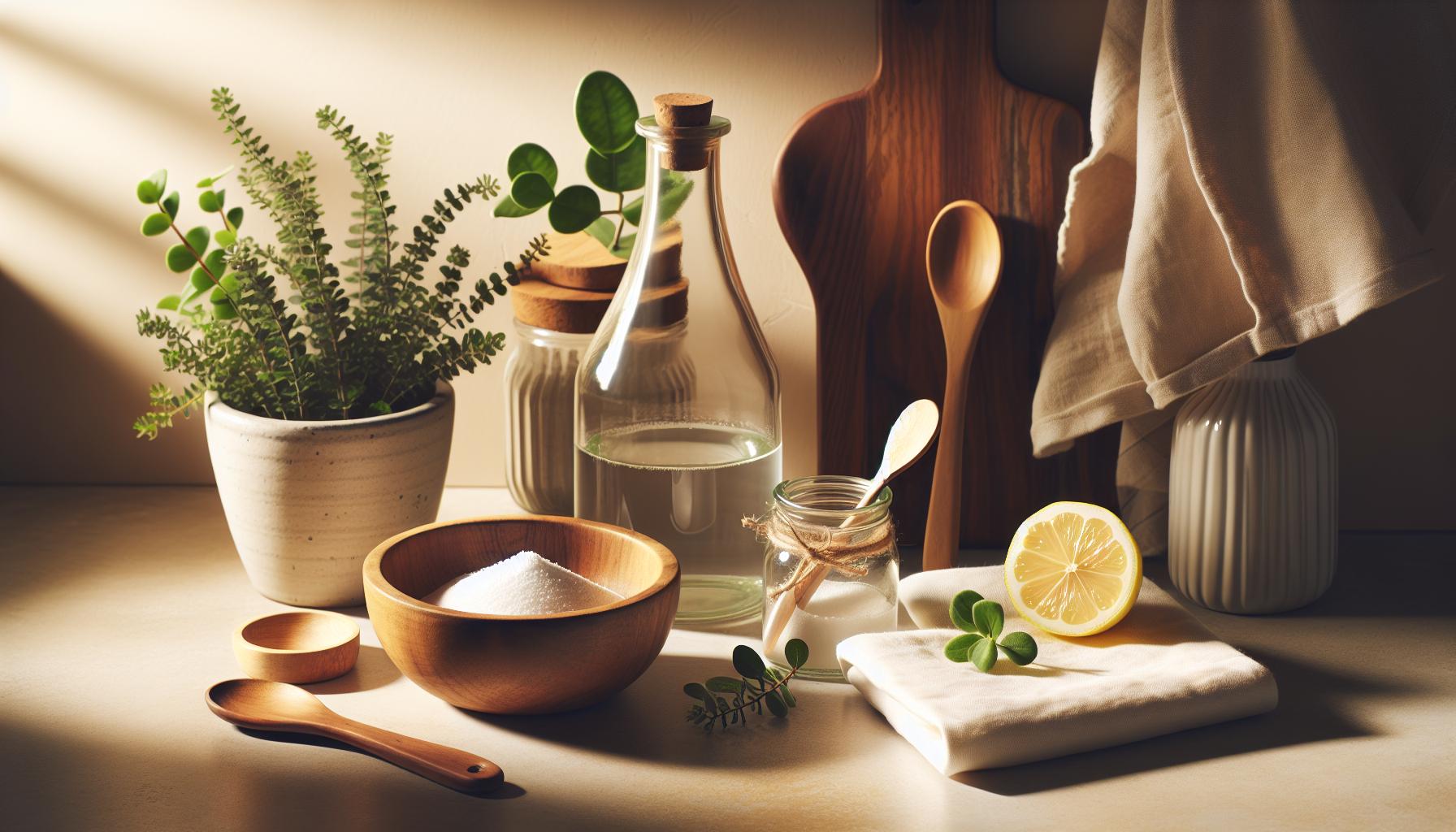
Step-by-Step Guide to Using Vinegar and Baking Soda
When faced with a rusted bolt, using natural remedies like vinegar and baking soda can be remarkably effective and simple. These common household items not only alleviate rust but also save you time and money. The acetic acid in vinegar works to break down rust, while baking soda’s mild abrasiveness helps scrub it away without damaging the metal. The combination of these two ingredients forms a powerful rust-busting duo. Here’s a straightforward step-by-step guide to help you free those stuck bolts easily.
Step 1: Gather Your Materials
Before starting, ensure you have the following items ready:
- White vinegar: Enough to soak the rusted bolt or to use directly.
- Baking soda: A few tablespoons to create a paste.
- Water: To mix with baking soda.
- Old cloth or rag: For applying vinegar.
- Wire brush or scrubber: To remove loosened rust.
- Safety gloves: To protect your hands during the process.
Step 2: Soak and Soften
Start by immersing the rusted bolt in white vinegar. If the bolt is small, a bowl of vinegar works perfectly. For larger items, soak a cloth in vinegar and wrap it around the rusted area, securing it as needed. Allow the vinegar to sit for several hours, or even overnight if possible. This soaking time allows the acetic acid to penetrate and loosen the rust effectively.
Step 3: Create a Baking Soda Paste
While the vinegar is working its magic, prepare a baking soda paste. In a small bowl, mix three parts baking soda with one part water until you achieve a thick consistency. This paste will provide both mild abrasion and neutralization of any remaining acidity from the vinegar, making it an effective follow-up treatment.
Step 4: Scrub and Remove
After the soaking period, remove the bolt from the vinegar and rinse it under water to eliminate any residual vinegar. Apply the baking soda paste generously to the rusted areas. Let it sit for about 15-30 minutes before scrubbing with a wire brush or scrubber. The baking soda will help dislodge any remaining rust, and you should start seeing significant improvement.
By following these steps, you not only tackle rusted bolts effectively but also gain confidence in using natural ingredients for DIY projects. Whether it’s a DIY furniture repair or a car maintenance task, embracing simple home remedies can often yield outstanding results. Don’t hesitate to give these methods a try; with a little patience, you’ll be able to free those stubborn fasteners and continue with your projects successfully!
Essential Oils: A Surprising Solution for Rusted Bolts
Essential oils, often celebrated for their myriad health and wellness benefits, can also play a surprising role in loosening rusted bolts. With their natural properties, certain oils such as clove, cinnamon, and even tea tree oil contain compounds that can help break down rust and corrosion, making it easier to free stuck fasteners. When you think of tackling rust, essential oils might not be the first solution that comes to mind, but they can be quite effective and serve as a gentle alternative to harsher chemical removers.
To effectively use essential oils for rusted bolts, consider their application in a simple DIY method. Begin by mixing a few drops of your chosen oil with a carrier oil, such as olive or coconut oil. This combination not only enhances the lubricating properties but also helps the essential oil penetrate the rust. Apply the mixture directly to the affected bolt, ensuring it thoroughly covers the rusted areas. Allow it to sit for at least 30 minutes; this downtime gives the oil an opportunity to work on loosening the corrosion.
How to Apply Essential Oils
- Choose Your Oil: Opt for oils like clove, cinnamon, or tea tree for their rust-fighting abilities.
- Mix: Combine a few drops of essential oil with a tablespoon of a carrier oil.
- Apply: Generously coat the rusted bolt with the mixture, using a cloth or brush for precision.
- Wait: Let it sit for 30 minutes to an hour for best results.
- Scrub: Use a wire brush or scrub pad to remove loosened rust.
Once you’ve allowed the essential oils to do their magic, you can scrub the rust off with a wire brush, revealing a much cleaner and freer bolt. This approach not only addresses the rust effectively but also showcases the potential of using natural ingredients in your DIY toolkit. By embracing these gentle solutions, you can tackle rusted bolts with confidence, proving that a little ingenuity in the approach can lead to impressive results!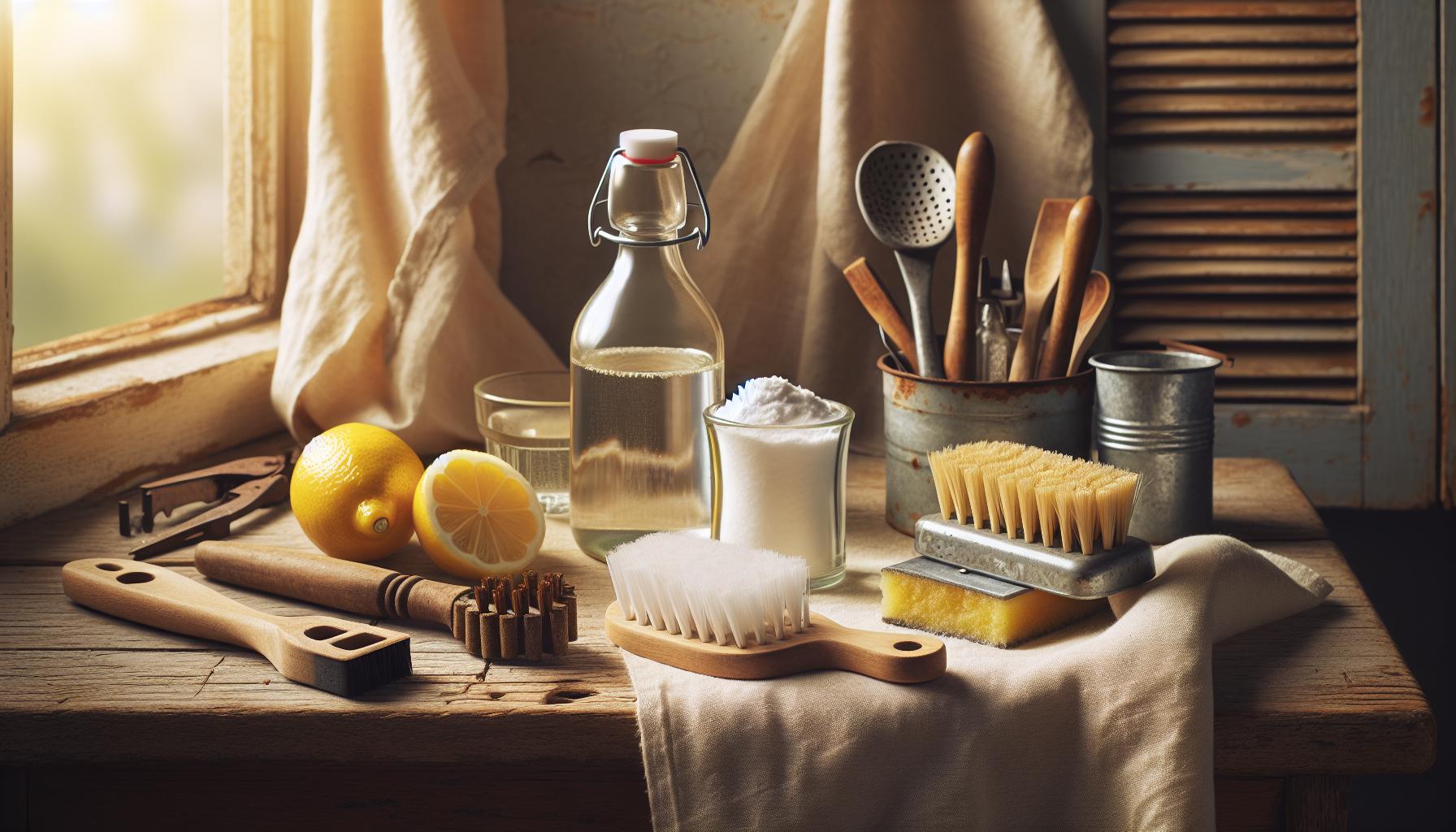
Advanced Techniques for Stubborn Rust Issues
When confronted with particularly stubborn rust, it’s essential to employ techniques that go beyond the usual remedies. Sometimes conventional approaches like vinegar and baking soda just won’t cut it. In such cases, you might need to employ more advanced methods, combining hard work with creativity to free those stubborn rusted bolts.
One effective technique is the application of heat. Using a heat source like a propane torch can expand the metal and break the rust’s grip on the bolt. However, caution is critical; you must ensure that no flammable materials are in the vicinity. Begin by applying heat directly to the bolt for about 30 seconds to a minute, which can create just enough expansion to release the bond created by rust. After heating, allow the bolt to cool slightly, then try turning it with your wrench. This method can be surprisingly effective when other methods have failed.
If heat doesn’t do the trick, consider a penetrating oil as an alternative. Products like PB Blaster or Liquid Wrench are specifically designed for this purpose. Simply apply a generous amount to the rusted area, and let it sit for a few hours (or overnight, for best results). The oil works its way into the rusted threads, effectively loosening the bond. After giving it time, use your wrench again to attempt to turn the bolt.
For those who prefer a DIY alternative, try creating a rust-dissolving paste. Mix baking soda with enough water to form a paste and apply it to the affected areas. Leave it on for several hours or overnight, as the alkaline properties can help loosen the rust. Once you remove the paste, scrub the area with a wire brush and test the bolt again.
These advanced techniques are valuable assets in your toolbox for dealing with rusted bolts. Approach each situation calmly and carefully, and don’t hesitate to combine methods for optimal results. With persistence and the right strategy, you can tackle even the most obstinate rust issues and get your projects back on track.
Safety Precautions When Dealing with Rusted Bolts
When tackling rusted bolts, safety should always be your top priority. The last thing you want is to end up with an injury while trying to free a stubborn fastener. Whether you’re applying heat, using penetrating oils, or working with homemade remedies, following a few essential precautions can make all the difference.
First and foremost, always wear appropriate personal protective equipment (PPE). This includes safety goggles to protect your eyes from flying debris or splashes from rust solvents, gloves to safeguard your hands from harsh chemicals, and a mask if you’re working in an enclosed space to avoid inhaling any fumes. If you’re using heat, flame-resistant gloves are advisable to prevent burns.
Work Environment
Clear your workspace of any flammable materials, especially if you’re using heat. Items like paper, cloth, and any chemicals should be stored away from where you’ll be working. Ensure that you’re in a well-ventilated area when using chemicals or oils to avoid inhaling potentially harmful vapors. A well-lit environment will also help you see what you’re doing, minimizing risks associated with slipping or misjudging your tools.
Additionally, before applying heat to a rusted bolt, inspect surrounding parts for any potential hazards. If the bolt is near wiring or sensitive materials, it may be better to explore alternative methods or seek professional help. If using penetrating oils, keep the product away from any sources of ignition, as these substances can be flammable.
Using Tools Safely
When applying torque to a rusted bolt with a wrench, ensure that your tools are appropriate for the task and in good condition. A worn-out tool can slip and cause injury. If you’re encountering excessive resistance, don’t force the bolt; this could result in the tool slipping or breaking. Instead, revisit your chosen method or try applying additional penetrating oil, or using heat as previously mentioned. Remember, patience is essential when dealing with stuck fasteners.
By adhering to these safety practices, you not only ensure your well-being but also increase your chances of successfully loosening those rusted bolts. Taking the time to prepare correctly will often save time and prevent mishaps, allowing you to focus on the task at hand with confidence.
Preventive Measures to Avoid Future Seizing
One of the most effective ways to save yourself from the frustration of dealing with rusted bolts is to implement a few simple preventive measures. Taking proactive steps can significantly decrease the likelihood of bolts seizing over time, ensuring your projects stay on track.
The first strategy is to apply a rust-inhibiting product to fasteners and exposed metal parts. Products such as anti-seize lubricant are designed to create a protective barrier against moisture and corrosion. Applying this product during installation can protect your bolts from rust in the long run. Additionally, consider using stainless steel or galvanized fasteners in areas prone to rust. These materials have better resistance to corrosion, making them less likely to seize up.
Regular inspection and maintenance are also key players in rust prevention. Make it a habit to check on your metal components, especially in damp environments. This allows you to catch any signs of rust early. If rust is detected, take immediate action to clean and treat it before it spreads. Furthermore, keeping your tools and metal parts dry and clean will minimize conditions favorable for rust formation.
Lastly, a simple yet effective tip is to apply grease or oil to bolts and fasteners at least once a year. This creates a protective seal that helps displace moisture and prevent rust. By integrating these habits into your routine, you can minimize future issues with rusted bolts and enhance the longevity of your projects. Taking these preventative measures not only saves time but also emboldens you to tackle DIY tasks with greater confidence.
When to Consider Professional Help for Rusted Bolts
In the world of DIY, facing a rusted bolt can feel like a daunting challenge. While many home remedies can effectively loosen these stubborn fasteners, there may come a time when the situation exceeds what DIY solutions can handle. Recognizing when to seek professional help can save you headaches, time, and potentially prevent damage to your projects.
If you’re attempting to loosen a rusted bolt and find that common methods-such as soaking with vinegar, applying baking soda, or using penetrating oils-are ineffective after multiple attempts, it might be time to call in an expert. Similarly, if you’re dealing with critical machinery or structural components where a broken bolt could lead to significant safety risks or costly repairs, it’s best to err on the side of caution. Professionals have specialized tools and techniques that can address stubborn rust without risking further damage.
Additionally, assess the accessibility of the bolt. If it’s located in a tight or uncomfortable space that makes it difficult to apply force safely, a professional’s assistance can ensure the job is done right and reduce the risk of injury. Sometimes the installation of the bolt can also affect the rust situation; if it’s deeply embedded or secured with other components, a technician equipped with the right experience is likely to navigate around these challenges more effectively.
For those occasional instances when all else fails, remember that some projects benefit immeasurably from the expertise of seasoned professionals. By knowing when to step back and seek help, you empower yourself to tackle DIY tasks with greater confidence and clarity in your approach.
Tools That Can Assist in Loosening Rusty Fasteners
When tackling the frustrating issue of rusted bolts, having the right tools can make all the difference between a successful fix and a stalled project. Several tools are particularly effective for loosening fasteners that have become seized due to rust, enabling you to complete your DIY tasks with ease and confidence.
Essential Tools for Rusted Bolts
- Penetrating Oil: Products like WD-40 or Liquid Wrench are designed to seep into rusted joints, breaking down the rust’s hold on the bolt. Soaking the bolt for several hours or overnight can significantly enhance the oil’s effectiveness.
- Impact Wrench: If the bolt is exceptionally stubborn, using an impact wrench can provide a powerful, high-torque force that can help loosen it without damaging the surrounding material.
- Heat Source: Applying heat helps expand the metal and break the rust’s grip. A propane torch can be used carefully; just be cautious with nearby combustible materials.
- Socket Set: A good quality socket set ensures that you have the precise size needed to grip the bolt securely, reducing the risk of stripping the bolt head.
- Breaker Bar: This tool enables you to apply significant leverage when trying to turn a seized bolt, making it easier to overcome the rust adhesive.
- Hammer or Mallet: Sometimes, a few strategic taps can help break the bolt free. Gently strike the handle of the wrench or the bolt itself to help dislodge it.
If you find that manual methods aren’t cutting it, consider incorporating these tools into your approach. Remember, preparation is key. Before starting, ensure you have all the necessary tools on hand to avoid interruptions. With the right equipment and techniques, you’ll not only restore functionality but also gain the satisfaction of overcoming a common DIY challenge.
User Experiences: Success Stories of Homemade Remedies
There’s something incredibly satisfying about tackling a stubborn rusted bolt and winning! Many DIY enthusiasts have shared their success stories using simple household remedies that can turn a frustrating situation into a triumphant one. From innovative methods involving everyday ingredients to effective techniques passed down through generations, these experiences can inspire you to try your hand at loosening those pesky bolts without reaching for harsh chemicals.
One popular homemade remedy involves the clever use of vinegar. Homeowners have reported remarkable results by soaking a rusted bolt in white vinegar for several hours. The acetic acid in the vinegar works its magic by breaking down rust, making it easier to unscrew the bolt. Many DIYers recommend applying the vinegar with a soaked cloth directly to the bolt, then letting it sit for a while before using a socket wrench. Several users have noted that a simple soak before attempting to loosen the bolt can save time and effort, often leading to successful results within a day.
Another household favorite is the combination of baking soda and water to create a paste. A DIYer shared how they mixed baking soda with a small amount of water to form a thick paste, which they applied generously around the rusted bolt. After letting it sit for an hour, they were able to easily twist the bolt with minimal effort. This remedy not only proved effective for loosening bolts but also seemed to help prevent further rusting, as many users have found that a little preventative maintenance goes a long way.
Moreover, some have had luck with the surprising use of essential oils! A user recounts how adding a few drops of clove oil to their rust removal routine not only helped to penetrate the rust but also left a refreshing aroma in the garage. Essential oils contain properties that can soften rust, making it easier to break free that stubborn fastener. These anecdotes highlight how creative approaches combining what you likely have at home can yield incredible results, making the process not only effective but enjoyable as well.
Trying these simple yet effective remedies can empower you to take on rusted bolts with confidence. With patience and these accessible solutions, you may just find yourself among those who have conquered even the toughest rusted bolts, turning frustration into accomplishment.
Environmental Impact of Rust Removal Methods
The quest for effective rust removal often leads people to wonder about the environmental implications of various methods. Choosing natural household ingredients for loosening rusted bolts, such as vinegar and baking soda, not only reflects a desire for effectiveness but also aligns with eco-conscious practices. These methods stand in stark contrast to commercial rust removers that can contain harsh chemicals, potentially harmful to both human health and the environment.
Using simple, biodegradable ingredients helps mitigate environmental harm. For example, vinegar, a common kitchen staple, is not only effective against rust due to its acetic acid content but also degrades naturally after use. Similarly, baking soda is safe for the environment and can help neutralize odors and maintain pH balance, reducing harmful runoff. By opting for these natural alternatives, DIY enthusiasts can tackle rust issues while reducing their ecological footprint.
Moreover, the environmental advantages don’t end there. Many commercial rust removers release volatile organic compounds (VOCs) into the atmosphere, contributing to air pollution and posing health risks. When opting for methods like soaking bolts in vinegar or applying baking soda paste, you’re avoiding these harmful emissions while championing a more sustainable approach. This choice not only protects the environment but also celebrates the resourcefulness found in everyday kitchen items, encouraging a shift toward greener practices in home maintenance.
Embracing natural remedies not only fosters a healthier living space but can also cultivate a deeper connection with sustainable living. Whether sharing successes in loosening stubborn bolts or exploring further eco-friendly practices, each small step contributes to a broader commitment to protecting our planet. Consider these simple remedies a way to blend effectiveness with environmental stewardship, celebrating your commitment to care for both your projects and the Earth.
Alternative Strategies for Unique Applications
Finding a way to free rusted bolts can sometimes feel like an overwhelming task, but with a bit of creativity and some unique approaches, you can enhance your chances of success. Besides the popular choices like vinegar and baking soda, there are several other surprising strategies that can make loosening those stubborn fasteners much easier.
One effective method is using essential oils. Oils such as lavender or tea tree oil possess properties that can help penetrate rust and lubrication. To utilize this technique, apply a few drops of the essential oil directly onto the rusted bolt and allow it to sit for several hours or overnight. This not only provides a natural lubricant but can also help break down the rust’s grip on the bolt.
Another interesting approach involves the use of potatoes. The oxalic acid in potatoes can gently loosen rust. Cut a potato in half and press the cut side against the rusted bolt. Let it sit for a few hours; the moisture and acid will work on the rust, making it easier to turn the bolt. Plus, this method is completely biodegradable, keeping your environmental impact minimal.
For particularly stubborn rust, consider making a coca cola soak. The phosphoric acid found in cola can help dissolve rust. Fully submerge the rusted pieces in cola and let them soak for a few hours or overnight. After soaking, try to turn the bolt while occasionally applying gentle heat with a heat gun or a hairdryer to expand the metal slightly, making it easier to break the bond of rust.
Lastly, utilizing heat and cold treatments can be an effective way to tackle rusted bolts. For this method, heat the bolt with a heat gun or torch for several seconds, then quickly apply ice or cold water. The rapid temperature change can sometimes break the rust’s hold. Always exercise caution with this approach to avoid burns or other accidents.
These alternative strategies allow you to address rusted bolts in a natural and environmentally friendly way. With a little patience and ingenuity, you can loosen those bolts and get back to your projects with ease. Always remember to wear safety gear, particularly when using heat, to ensure a safe DIY experience.
Frequently asked questions
Q: What is the best way to remove rust from bolts using household items?
A: The best method to remove rust from bolts is to use a mixture of vinegar and baking soda. Soak the rusty bolts in vinegar for several hours, then scrub with baking soda to loosen stubborn rust. This method is effective and eco-friendly.
Q: How long does vinegar need to soak rusty bolts?
A: Vinegar typically needs to soak rusty bolts for at least 30 minutes to several hours, depending on the severity of the rust. For best results, check periodically and scrub lightly with a brush to enhance rust removal.
Q: Can I use cola to loosen rusted bolts?
A: Yes, cola contains phosphoric acid, which can help loosen rusted bolts. Soak the bolts in cola for a few hours, then scrub them to remove rust. This is an accessible and simple home remedy.
Q: Are there any precautions to take when using home remedies for rust?
A: When using home remedies for rust removal, wear gloves and goggles to protect your skin and eyes. Ensure you work in a well-ventilated area and dispose of any waste materials safely. Refer to the “Safety Precautions When Dealing with Rusted Bolts” section for more details.
Q: What should I do if the bolt is still stuck after trying home remedies?
A: If the bolt remains stuck after attempting home remedies, consider using penetrating oil or heat techniques, such as warming the bolt with a heat gun. For extreme cases, it may be best to consult a professional or consider cutting the bolt.
Q: Can essential oils really help with rust removal?
A: Yes, certain essential oils, such as clove oil, have properties that can help in breaking down rust. Mix a few drops of essential oil with a carrier oil, apply it to the rusty area, and let it sit before scrubbing.
Q: How can I prevent my bolts from rusting in the future?
A: To prevent bolts from rusting, keep them dry and apply a light coat of oil or grease regularly. Use rust-resistant coatings or consider using stainless steel bolts for outdoor applications. Check out the section on “Preventive Measures to Avoid Future Seizing” for more tips.
Q: What tools can help remove rusted bolts?
A: Useful tools for removing rusted bolts include a wrench, wire brush, penetrating oil, and heat sources like a heat gun. These tools can effectively assist in loosening even the most stubborn fasteners. For further insights, refer to the “Tools That Can Assist in Loosening Rusty Fasteners” section.
In Summary
Now that you’ve discovered effective home remedies to loosen rusted bolts, it’s time to put this knowledge into action! Remember, whether using vinegar, baking soda, or other natural solutions, these methods not only help free stuck bolts but also save you time and money on repairs. Don’t let rust hold you back-tackle those stubborn fasteners today!
For more DIY solutions, check out our guides on removing rust from tools and restoring metal surfaces. Have questions or tips of your own? We invite you to share your thoughts in the comments below! If you’re keen on learning more ways to enhance your DIY skills, consider signing up for our newsletter. Explore further and empower yourself with the best natural remedies for home challenges!


