


Stepping on a nail can be a painful and frightening experience, leaving many wondering how to prevent infection and promote healing at home. With the right knowledge, however, you can effectively manage this situation using natural remedies that are both safe and accessible. Understanding how to properly care for the wound is crucial, as neglected injuries can lead to complications, including infection.
By employing simple practices involving common household ingredients, you can support your body’s healing process and minimize the risk of infection. Whether you’re a parent caring for a child or simply wanting to be prepared for life’s little accidents, learning these home remedies empowers you to take control of your health. Dive into our guide to discover practical steps and effective solutions that will put your mind at ease and help you recover quickly.
Home Remedies to Treat Nail Punctures Effectively
Stepping on a nail can be a surprisingly common accident, often leading to considerable concern about infection and proper care. Luckily, there are effective home remedies that not only help treat the injury but also reduce the likelihood of complications. The key lies in immediate action and the use of natural ingredients that can be found in most households.
To start, gently clean the area with mild soap and water to remove any debris. Once cleaned, you can apply a natural antiseptic like honey or tea tree oil. Honey, renowned for its antibacterial properties, can be spread over the wound to not only help prevent infection but also to promote healing. If you opt for tea tree oil, dilute it with a carrier oil (such as coconut oil) before applying, as it may be irritating to the skin when used undiluted.
Another simple and effective remedy is the use of garlic. Known for its potent antimicrobial properties, crushed garlic can be applied directly to the wound. Simply crush a clove, apply it to the puncture, and cover it with a bandage. Its natural compounds will help ward off bacteria and speed up the healing process. Additionally, aloe vera gel can be a soothing application, known for its anti-inflammatory benefits. It not only hydrates the area but also reduces swelling and pain, making it an excellent choice for aftercare.
Maintaining cleanliness and regularly changing the dressing will go a long way in promoting healing and preventing infection. If you notice signs of infection-such as increased redness, swelling, or discharge-it’s crucial to consult a healthcare professional. By employing these natural remedies, you can effectively manage a nail puncture at home while ensuring a smoother recovery process.
Signs of Infection After Stepping on a Nail
Stepping on a nail is not only painful but can also lead to significant concerns about infection. Understanding the signs of infection can give you peace of mind and help you take appropriate measures quickly. Infections can manifest in various ways, and recognizing these early signals is crucial for ensuring a swift recovery and avoiding complications.
Common indicators of infection include increased redness around the wound, which extends beyond the immediate puncture site. If you observe that the area is also swelling more than usual or feels warm to the touch, these are strong signs that inflammation is present. Additionally, drainage that is cloudy or has a foul odor suggests the presence of bacteria, making it imperative to address the issue promptly. Fever is another symptom that should not be ignored, as it indicates that the body is fighting an infection.
To promote healing and prevent the progression of infection after a nail injury, keep an eye on your wound. Regularly changing the dressing and keeping the area clean is essential. If you notice any of these warning signs, it’s crucial to consult a healthcare professional for further evaluation and treatment. Staying vigilant can empower you to manage the situation effectively, allowing you to focus on recovery while utilizing home remedies to soothe discomfort.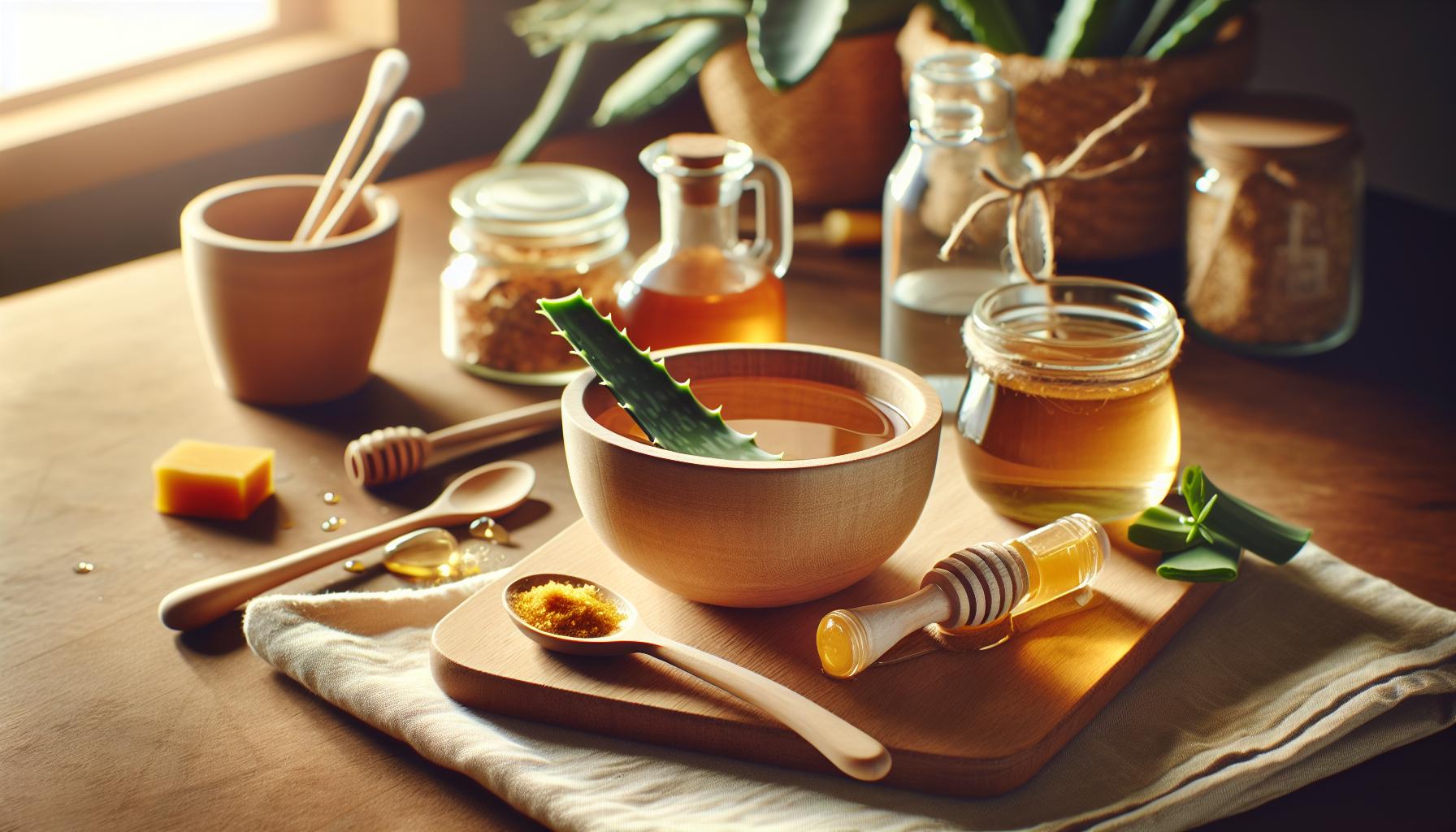
Essential First Aid Steps for Nail Injuries
Stepping on a nail can be a jarring and painful experience, but knowing how to respond can make a huge difference in preventing infection and promoting healing. The key is to act quickly and follow some essential first aid steps that can minimize complications and set you on the path to recovery.
First and foremost, after removing your foot from the source of injury, it’s crucial to assess the situation. If the nail is still embedded, do not attempt to remove it; seek professional medical help instead. If the nail has pierced through your skin, gently clean the area with mild soap and water to remove any debris and dirt. Avoid scrubbing too hard, as this can aggravate the wound.
Once the area is clean, apply an antiseptic solution to further reduce the risk of infection. You can use natural disinfectants like tea tree oil or aloe vera gel, known for their antimicrobial properties. After applying the antiseptic, cover the wound to protect it from further injury. Use a sterile bandage or gauze and change it regularly, especially if it becomes wet or dirty.
Monitoring for signs of infection is also essential. Look for increased redness, swelling, or pus formation around the wound. If any of these symptoms occur, seek medical attention promptly. Remember, while home remedies can help, they shouldn’t replace professional care when needed. By taking these initial steps, you equip yourself with the knowledge to handle nail injuries effectively and can help pave the way for a smoother healing process.
Natural Disinfectants You Can Use at Home
After stepping on a nail, ensuring that the wound is disinfected is crucial in preventing infection and promoting healing. Fortunately, many natural disinfectants readily available at home can effectively combat potential germs. These simple ingredients not only possess antimicrobial properties but also provide a holistic approach to wound care.
One of the most widely recognized natural disinfectants is tea tree oil. This essential oil is celebrated for its strong antibacterial and antifungal properties, making it an excellent choice for cleaning minor wounds. To use it, dilute a few drops of tea tree oil in a carrier oil, such as coconut or olive oil. Gently apply this mixture around the puncture site to help reduce the risk of bacterial infection. Similarly, aloe vera gel is another fantastic option; it’s not only soothing but also provides a protective barrier against bacteria. Simply apply fresh aloe vera directly to the wound to promote healing and keep the area moist.
Another effective natural disinfectant is honey, particularly raw or Manuka honey, which has natural antibacterial properties. You can apply a thin layer of honey directly to the cleaned wound, covering it with a sterile bandage afterward. Honey not only helps fight infection but also aids in maintaining moisture, which can speed up the healing process.
Lastly, apple cider vinegar (ACV) can serve as a powerful disinfectant. Its acetic acid content helps to kill off unwanted pathogens. To utilize ACV, mix one part vinegar with three parts water and soak a cotton ball in the solution. Apply it gently to the affected area; however, ensure that the skin is intact to prevent irritation.
Remember to always test a small area for sensitivity when using these natural remedies and consult with a healthcare provider if the wound shows any signs of infection or does not improve. With these natural disinfectants, you not only promote healing but also harness the power of nature in your journey toward recovery.
Herbal Remedies for Soothing Nail Puncture Pain
Natural remedies can be a gentle and effective way to help soothe the pain associated with a nail puncture. When you step on a nail, not only can the physical injury be distressing, but the accompanying pain can also be quite uncomfortable. Utilizing herbal remedies can provide relief while nurturing the healing process.
One highly regarded herbal option is arnica, a flowering plant known for its anti-inflammatory properties. Arnica can be applied topically in the form of a cream or diluted oil directly to the area around the puncture site. Make sure to avoid applying it on open wounds, but surrounding areas may benefit from its use. Regular application can help reduce swelling and discomfort, making it easier to manage the pain.
Another effective remedy is chamomile, renowned for its calming effects and anti-inflammatory benefits. You can create a simple chamomile tea poultice by steeping chamomile tea bags in hot water for several minutes, allowing them to cool slightly afterward. Apply the warm, damp tea bag to the affected area for 10-15 minutes, letting the soothing properties work their magic. Chamomile is also excellent for reducing any irritation around the injury.
A soothing mixture of lavender essential oil may also help alleviate pain. Lavender not only has analgesic properties but also promotes relaxation. To use it, dilute a few drops of lavender oil in a carrier oil like coconut or almond oil and gently massage it around the puncture site. The calming scent and pain-relieving qualities can help ease discomfort while also providing emotional relief during a stressful time.
As you explore these herbal remedies, always keep an eye on your injury for any signs of infection. Should the pain persist or worsen, it’s important to consult a healthcare provider. These natural methods can complement your recovery process, allowing you to feel more comfortable as your body heals.
How to Promote Healing After a Nail Injury
When you experience a nail injury, promoting healing becomes a priority. The right care can not only alleviate discomfort but also significantly reduce the risk of infection. Start by keeping the puncture site clean and protected. Rinse the area gently with warm, soapy water to remove any debris. After rinsing, pat the area dry with a clean towel and apply an antiseptic ointment to ward off germs.
A crucial step in promoting healing is to maintain a moist environment around the injury. Cover the wound with a sterile bandage or gauze, changing it regularly to keep it clean and dry. This helps accelerate the healing process by preventing the formation of a scab which can break open if the skin shifts during movement. While the bandage protects the site, consider using natural remedies like honey, known for its antimicrobial properties, to promote healing. Applying a thin layer of honey before securing the bandage can aid in moisture retention and enhance recovery.
In addition to topical treatments, your diet can play a vital role in healing. Eating foods rich in vitamins C and E, such as citrus fruits, nuts, and leafy greens, can boost your immune system and improve skin repair. Hydration is essential as well; drinking plenty of water can facilitate the healing process by ensuring your body functions optimally.
Finally, allow your body time to heal by avoiding pressure and movement that could exacerbate the injury. Elevating the affected limb can reduce swelling and throbbing. Always stay vigilant for any signs of infection-such as increased redness, swelling, or an abnormal discharge-and seek medical attention if you notice these symptoms. With attentive care and natural remedies, you can effectively foster an environment conducive to recovery.
Preventative Measures to Avoid Future Injuries
To keep your feet healthy and prevent the risk of stepping on a nail, proactive measures are essential. You can greatly reduce the chances of a nail puncture by simply being mindful of your environment and your footwear choices. By creating a habit of safety and awareness, you can save yourself from potential injury.
Start by ensuring you wear appropriate footwear, especially in unfamiliar or outdoor settings. Opt for closed-toe shoes that provide ample protection. When performing chores, gardening, or any activities where sharp objects are common, consider wearing sturdy, reinforced shoes. This additional layer can act as a barrier against nails and other pointed hazards lurking on the ground.
Additionally, maintaining a clean and organized environment contributes significantly to injury prevention. Regularly check areas where you walk or work for any stray nails, thorns, or debris that could pose a risk. If you have children or pets, educate them about the dangers of sharp objects and encourage them to play in designated areas away from hazards. Keeping tools and materials properly stored can also help minimize the risk of accidents.
Furthermore, consider incorporating safety mats in high-traffic areas or workshops where you often work with tools. These mats not only provide cushioning but can also offer some protection against sharp objects that may be accidentally dropped or left behind. Finally, engaging in a community awareness campaign about safe practices in shared spaces can bolster collective vigilance, making everyone more aware of their surroundings and the importance of maintaining a safe environment.
By adopting these preventative strategies, you give yourself the best chance of avoiding an unwelcome nail puncture and its accompanying discomfort. Empower yourself with the knowledge and tools needed to create a safer space, ensuring your feet remain protected and healthy.
When to Seek Medical Attention for Nail Injuries
It’s essential to recognize when a nail injury necessitates professional medical attention. While many puncture wounds can be effectively managed at home, certain signs and symptoms indicate a more serious concern that warrants a visit to a healthcare provider. Understanding these signals can help prevent complications and ensure proper healing.
If you experience significant swelling, redness, or tenderness around the nail puncture, these may be early signs of infection. An infection can rapidly escalate, so it’s prudent to seek help if these symptoms worsen or if you develop feverish chills or fatigue. These indicate that your body is fighting an infection and you might require antibiotics to manage it effectively.
Another scenario that calls for medical evaluation is if the nail has penetrated deeply, particularly if it pierces the bone. Deep puncture wounds can lead to osteomyelitis, an infection of the bone, which may not be immediately apparent. If the puncture involves a large, foreign object or has caused a fracture, professional care is crucial to ensure proper treatment and to maximize your chances of a full recovery.
Additionally, if you have not had a tetanus shot in the last five years-or if you’re unsure about your immunization status-consulting a healthcare provider is vital. Tetanus can develop from wounds inflicted by rusted or dirty objects. In these cases, a booster shot might be necessary to protect against this serious bacterial infection.
In summary, being vigilant about your symptoms and understanding when to seek medical attention can help avoid complications following a nail injury. If you find yourself in doubt or if the injury appears severe, don’t hesitate to reach out to a healthcare professional for advice and treatment. Your health and safety should always come first!
Common Myths About Nail Puncture Treatment
It’s easy to feel overwhelmed after stepping on a nail, especially with so much conflicting information about treatment options. Unfortunately, many common beliefs about nail puncture treatment are based on myths that can lead you down the wrong path. Understanding the truth can empower you to take better care of your injury and avoid unnecessary complications.
One widespread myth is that you should immediately remove the object that caused the puncture, believing this will alleviate pain. However, this can actually lead to increased bleeding or further damage. Instead, it’s best to keep the object in place until you can get medical assistance, unless it poses a danger of further injury or is visibly sticking out and easily removable.
Another misconception is that you can simply clean the wound, and it’ll be fine without additional care. While it’s important to clean the area, relying solely on soap and water might not be enough to prevent infection. Utilizing natural disinfectants like diluted apple cider vinegar or honey, known for their antimicrobial properties, can boost your home treatment regime. Just be sure to apply these remedies only after gently cleaning the wound to avoid trapping dirt or bacteria.
Lastly, many believe that a puncture wound will heal quickly on its own without extra attention. In reality, observing the wound for signs of infection is crucial. If you notice increased redness, swelling, or discharge, or if pain intensifies over time, it’s critical to consult with a healthcare provider. Don’t let myths lead you to underestimate the importance of monitoring your injury.
By being aware of these common myths, you can take more informed steps toward healing after a nail puncture, using appropriate home remedies while also knowing when to seek professional help. Remember, your well-being is priority number one!
Safe Practices for Nail Care After an Injury
After a nail injury, caring for the affected area is essential to prevent complications and support healing. Adopting safe practices can significantly improve your recovery process and minimize the risk of infection. First and foremost, ensure that your hands are clean before you touch the injured area. Wash them thoroughly with warm, soapy water, and consider applying an antibacterial gel for extra protection.
When managing the injury, use clean, breathable bandages to cover the wound. Aim for bandages that allow air circulation, which can promote healing. Change the dressing daily or whenever it becomes wet or dirty. If you notice bleeding, apply gentle pressure with sterile gauze until the bleeding stops.
Keep an eye on your injury throughout the healing period. Look for signs of infection, such as increased redness, swelling, or pus. If you observe any concerning symptoms, don’t hesitate to seek medical advice. Additionally, stay proactive about pain management. Natural remedies like turmeric, known for its anti-inflammatory properties, can be mixed with honey and applied as a soothing paste over the area to help reduce swelling and promote comfort.
To foster a healthier environment for your nails post-injury, it’s crucial to avoid exposing the area to excessive moisture, such as soaking in baths or swimming immediately after the injury. Instead, try to keep the wound dry while it heals. Lastly, ensure your footwear is comfortable and protective-open-toed shoes or sandals may expose the area to potential hazards, so opt for closed shoes until you’re confident in your recovery.
By following these guidelines, you can enhance your healing journey after a nail puncture while minimizing the risk of infection and promoting overall nail health.
Emergency Kit Essentials for Nail Accidents
When it comes to stepping on a nail, having a well-stocked emergency kit can make a significant difference in how effectively you manage the injury and prevent complications. A thoughtfully assembled kit not only ensures immediate access to essential supplies but also gives you peace of mind knowing you’re prepared for such accidents. Here are some critical items to include in your emergency kit for nail-related accidents:
Essential Supplies for Your Kit
- Sterile Gauze Pads: These are crucial for covering the wound and controlling bleeding. Ensure they are of various sizes to accommodate different injury types.
- Adhesive Bandages: For minor scrapes or to cover smaller punctures, adhesive bandages come in handy for quick protection.
- Antiseptic Wipes: Keep these on hand to clean the area around the injury. They help reduce the risk of infection right from the start.
- Alcohol Swabs: Perfect for disinfecting tools or surfaces before use.
- Antibiotic Ointment: A good antibiotic ointment like Neosporin can be applied after cleaning the wound to prevent infection.
- Pain Relievers: Over-the-counter pain relievers, like ibuprofen or acetaminophen, can help manage pain and reduce inflammation.
- Hydrogen Peroxide: Useful as a mild antiseptic for cleaning wounds, though it should be used sparingly as it can also irritate healthy tissue.
- Elastic Bandage: This is helpful for wrapping the foot to ensure that any gauze remains securely in place.
- Small Scissors and Tweezers: These can assist in removing splinters or cutting bandages to the desired size.
- Disposable Gloves: Important for keeping the area sterile while dressing the wound.
- Instant Cold Packs: A cold pack can help reduce swelling and numb pain if the area feels inflamed.
Storing and Maintaining Your Kit
It’s best to keep your emergency kit in a designated, easily accessible location, such as a bathroom cabinet or a first-aid drawer in the kitchen. Regularly check the items to ensure they are stocked and that none are expired, particularly the ointments and antiseptics. Involve family members in understanding where the kit is and how to use the items within it effectively.
Being equipped with an emergency kit specifically designed for nail accidents empowers you to act quickly, reducing anxiety in distressing situations. In moments of injury, knowing you have the right supplies on hand can be the difference between a minor setback and a more severe complication.
FAQ
Q: What should I do immediately after stepping on a nail?
A: Immediately clean the wound with soap and water to prevent infection. Apply gentle pressure with a clean cloth to stop any bleeding, and then cover the area with a sterile bandage. For further steps, refer to the section on Essential First Aid Steps in the main article.
Q: How can I tell if my nail puncture is infected?
A: Signs of infection include increased redness, swelling, warmth around the wound, pus or discharge, and persistent pain. If you notice these symptoms, consult the Signs of Infection section in the main article for more detailed information.
Q: Are there any natural ways to disinfect a nail puncture?
A: Yes, natural disinfectants like diluted apple cider vinegar or tea tree oil can be effective. Apply them directly to the cleaned wound to help prevent infection. More details can be found in the Natural Disinfectants You Can Use at Home section.
Q: What herbal remedies can soothe pain from a nail injury?
A: Chamomile tea compresses or aloe vera gel can help soothe pain and inflammation. Apply them gently to the affected area for relief. Check the Herbal Remedies for Soothing Nail Puncture Pain section for more options.
Q: How can I speed up the healing process after stepping on a nail?
A: To promote healing, keep the wound clean and dry, change the bandage regularly, and consider taking vitamin C or zinc supplements to support tissue repair. For comprehensive healing strategies, see the section on How to Promote Healing After a Nail Injury.
Q: What preventative measures can I take to avoid stepping on a nail?
A: Wearing appropriate footwear, keeping outdoor areas clear of debris, and using caution when walking in unfamiliar places are key preventative measures. For a detailed guide, refer to Preventative Measures to Avoid Future Injuries in the article.
Q: How long does it take for a nail puncture to heal?
A: Healing time varies, but most minor puncture wounds can heal within 1 to 3 weeks. Factors such as wound care and overall health impact recovery time. More insight can be found in the section on How to Promote Healing After a Nail Injury.
Q: When should I see a doctor after stepping on a nail?
A: Seek medical attention if you experience severe pain, signs of infection (like fever or excessive swelling), or if the nail penetrated deeply. For further guidance, refer to the When to Seek Medical Attention for Nail Injuries section in the main article.
These answers are structured for clarity and optimization for search engines, ensuring user engagement and providing actionable advice. For additional information, visit the specific sections mentioned in the responses.
In Retrospect
Stepping on a nail can be alarming, but taking quick action can help prevent infection right at home. Remember, essential steps like cleaning the wound thoroughly and applying natural antiseptics can go a long way in reducing risks. Don’t hesitate-if symptoms worsen or there’s persistent pain, seek professional help immediately. To explore more about home remedies for other minor injuries, check our guides on treating cuts and scrapes and managing infections naturally.
For ongoing wellness tips that empower you to take care of your family’s health with natural solutions, subscribe to our newsletter. Your journey to a healthier home continues here! If you found this content helpful, share it with friends facing similar challenges, and leave your thoughts in the comments below. Together, we can make home remedies more accessible to everyone!


