


In a world filled with synthetic solutions and quick-fixes, it’s comforting to know that nature offers powerful remedies for many of life’s everyday challenges. “Book of Home Remedies: Your Go-To Guide for Natural Solutions” is your essential companion for harnessing the healing properties of plants and simple ingredients to address common ailments and enhance your well-being.
Whether you’re battling seasonal allergies, seeking relief from digestive discomfort, or looking for effective ways to care for your skin, this guide provides accessible, trustworthy advice to empower you to take control of your health naturally. With every page, you’ll uncover practical recipes and remedies, backed by science and tradition, that can easily be integrated into your daily routine.
Embrace the journey toward holistic wellness and discover how simple, natural solutions can transform your approach to health. Get ready to dive into a treasure trove of wisdom designed to rejuvenate your spirit and support your family’s well-being.
Natural Remedies for Common Ailments
Natural remedies offer a wide array of accessible solutions for common ailments, appealing to those seeking alternatives to conventional treatments. Whether you’re battling a minor headache, congestion, or digestive discomfort, turning to nature can often provide relief with minimal side effects. Many individuals have found success in harnessing the power of herbs, essential oils, and everyday kitchen ingredients, making natural remedies a trusted part of their health maintenance.
Herbal Solutions for Everyday Health
Herbs such as peppermint, ginger, and chamomile have been used for centuries to alleviate various health issues. For instance, ginger is renowned for its anti-inflammatory properties and can help reduce nausea and digestive problems. A simple ginger tea can be brewed by boiling fresh ginger slices in water for about 10 minutes. On the other hand, peppermint can clear sinuses and soothe upset stomachs. You can enjoy it as a tea or simply inhale the steam from hot water infused with peppermint leaves.
Using Kitchen Ingredients
Common kitchen staples also serve as effective remedies. Honey, known for its natural antibacterial properties, can help soothe sore throats and coughs. Simply mix honey with warm lemon water for a comforting drink. Another versatile ingredient is apple cider vinegar; it can aid digestion and may help with weight loss. Dilute one or two tablespoons of apple cider vinegar in a glass of water and consume it before meals.
Mindfulness for Stress Relief
Beyond physical ailments, natural remedies extend to emotional well-being. Practices such as deep breathing and mindfulness can significantly decrease stress levels. Techniques like mindfulness meditation, which encourage focus on the present moment, promote a sense of tranquility. Try setting aside a few minutes each day to practice deep breathing or guided meditation. These strategies not only enhance mood but can also support overall mental health.
Integrating these natural approaches into your daily routine can empower you to take charge of your health. With curiosity and a bit of experimentation, you can discover which remedies work best for you, supporting both body and mind while promoting a holistic lifestyle.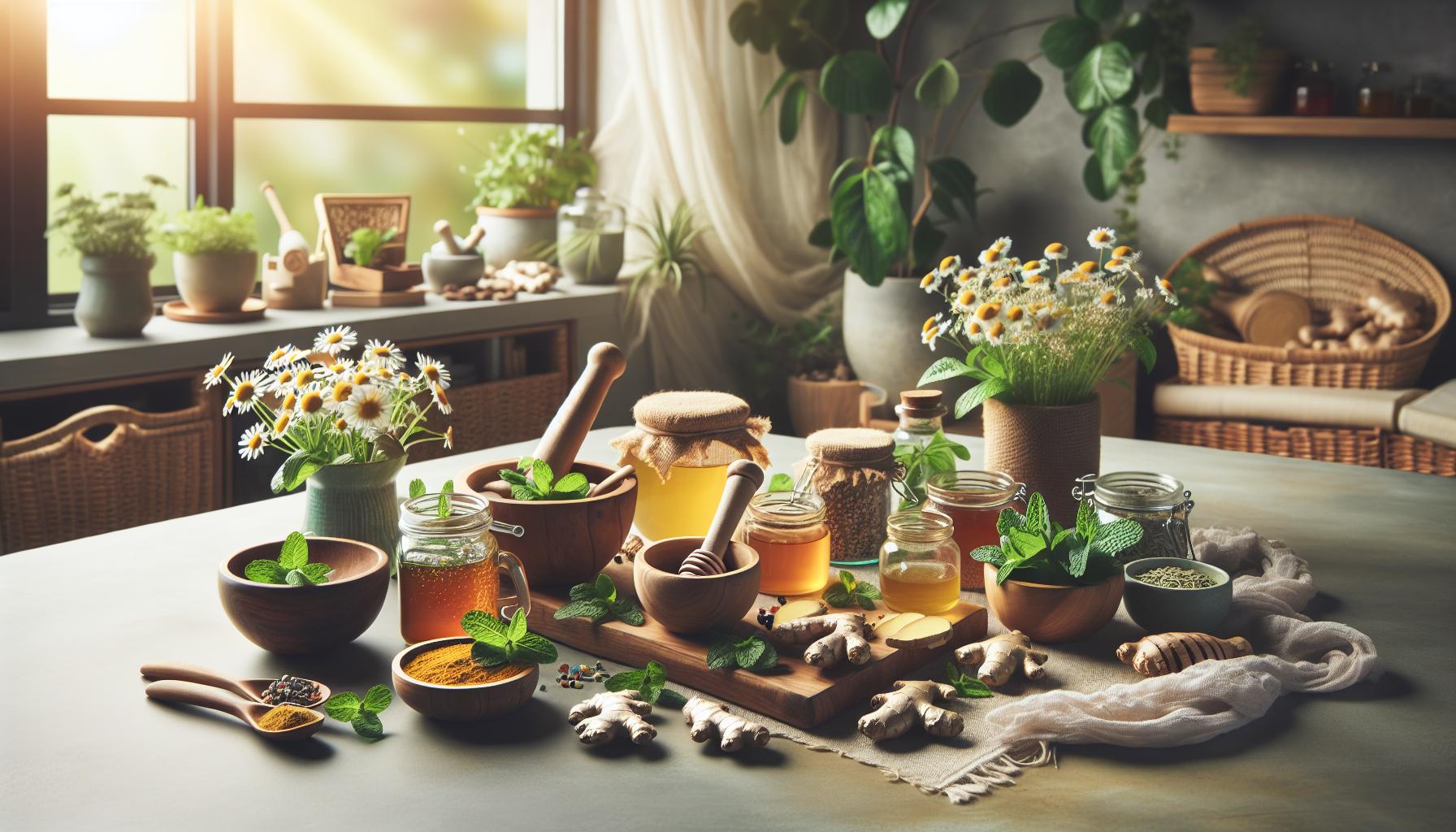
Herbal Solutions for Everyday Health Issues
Herbs can be remarkable allies in your quest for better health, providing accessible and effective remedies for a variety of everyday ailments. By incorporating natural ingredients into your routine, you can address issues ranging from digestive discomfort to stress relief without the potential side effects of synthetic medications. Here are a few herbal solutions you can explore.
Ginger: The Anti-Inflammatory Hero
Renowned for its powerful anti-inflammatory properties, ginger is an excellent natural remedy for nausea and digestive issues. Whether you’re dealing with motion sickness or an upset stomach, ginger can provide quick relief. To make a soothing ginger tea, simply peel and slice fresh ginger root, then boil around 1-2 teaspoons of the slices in water for 10 minutes. Strain the mixture and enjoy it warm, perhaps adding a little honey for sweetness and additional soothing benefits.
Peppermint: Cool and Calming
This refreshing herb is not just a flavoring; peppermint is effective for soothing digestive troubles and alleviating headaches. You can enjoy peppermint as a tea by steeping fresh leaves in hot water for about five minutes, or you can inhale steam from hot water infused with peppermint leaves to clear your sinuses. Another creative way to utilize peppermint is to make peppermint-infused oil, which can be massaged onto your temples to ease headache symptoms.
Chamomile: A Gentle Sleep Aid
Often celebrated for its calming effects, chamomile can be a great natural remedy to promote sleep and relieve anxiety. Brews made from chamomile flowers have been used for centuries to help with insomnia and digestive issues. To prepare chamomile tea, steep dried chamomile flowers in hot water for about five minutes. Drinking this tea before bed can help signal your body to unwind, supporting a restful night’s sleep.
Turmeric: The Golden Spice
Many know turmeric for its characteristic bright yellow color and inclusion in curry dishes, but this spice is also a potent anti-inflammatory agent thanks to its active compound, curcumin. You can create a simple turmeric latte or “golden milk” by mixing one teaspoon of turmeric powder with warm milk (or a dairy-free alternative), adding a pinch of black pepper to enhance absorption. This comforting drink is not only delicious but can also help soothe inflammation and digestive upset.
Incorporating these herbs into your daily life can empower you to manage minor health issues more naturally. By exploring the distinct benefits of each herb, you may find effective solutions tailored to your needs, providing comfort and healing while embracing the power of nature.
Essential Oils: Usage and Benefits
Using essential oils can be a transformative way to enhance your well-being, both physically and emotionally. These concentrated plant extracts can serve various purposes, from relieving stress to promoting better sleep, making them a versatile addition to your natural remedy toolkit. By understanding the unique properties and applications of essential oils, you can create a customized approach to your health and happiness.
Choosing the Right Essential Oils
When it comes to essential oils, not all are created equal. Some popular options and their uses include:
- Lavender: Known for its calming properties, lavender oil can help reduce anxiety and improve sleep quality. You can add a few drops to a diffuser before bedtime or mix it with a carrier oil and massage it onto your temples during stressful moments.
- Peppermint: This invigorating oil can be beneficial for headaches and digestive issues. Inhaling its scent or applying diluted peppermint oil on your temples can provide immediate relief from tension headaches.
- Tea Tree: Renowned for its antibacterial and antifungal properties, tea tree oil can be used to treat minor cuts and skin irritations. Dilute it with a carrier oil and apply it directly to the affected area.
- Eucalyptus: Often used for respiratory health, eucalyptus oil can help clear your sinuses. Add a few drops to a bowl of hot water, cover your head with a towel, and inhale the steam to alleviate congestion.
Safe Usage and Application
To safely enjoy the benefits of essential oils, it’s essential to dilute them properly, especially when applying them to the skin. Here’s a simple guideline for dilution:
- For adults, mix 3-5 drops of essential oil with 1 tablespoon of a carrier oil (like coconut or almond oil).
- For children or those with sensitive skin, use fewer drops (1-2 drops) and always perform a patch test before widespread use.
You can also incorporate essential oils into your routine through inhalation or diffusion. Invest in a diffuser to spread the beneficial aromas throughout your home, or simply add a few drops to a cotton ball and place it in your drawer to enjoy continuous fragrance.
Creating Your Own Blends
Experimenting with essential oil blends can enhance their therapeutic effects. Consider combining oils for a tailored experience. For example, a blend of lavender and chamomile can promote relaxation, while a mix of citrus oils can uplift your mood. Here’s a basic recipe for a calming blend:
- 10 drops of lavender essential oil
- 5 drops of chamomile essential oil
- 5 drops of sandalwood essential oil
Mix these oils in a small glass bottle, and diffuse them when you need a calming atmosphere.
By integrating essential oils into your everyday life, you empower yourself to create a soothing environment and address common ailments naturally. Their rich scents and healing properties can inspire a greater sense of wellness and peace in your home.
DIY Home Remedies for Skin Conditions
Skin conditions can be frustrating, but many common issues can be addressed effectively with simple DIY home remedies. Utilizing ingredients from your kitchen or garden, you can create effective solutions that are both natural and safe for everyday use. Whether it’s a pesky rash, dry skin, or minor irritations, these remedies empower you to take control of your skin health without relying heavily on commercial products filled with chemicals.
One highly effective remedy for soothing dry or irritated skin is coconut oil. This versatile oil contains moisturizing properties and can help alleviate dryness and flakiness. Simply apply a thin layer of organic coconut oil directly to the affected area, massaging it gently until absorbed. For additional benefits, consider mixing in a few drops of lavender essential oil, known for its calming and anti-inflammatory properties. This combination not only nourishes the skin but also leaves a delightful scent.
If you are faced with a more localized irritant, aloe vera gel can be your best friend. Fresh aloe vera directly from the plant is incredibly soothing and can reduce redness and swelling caused by minor burns or sun exposure. To use, simply cut an aloe leaf, scoop out the gel, and apply it directly onto the skin. For even better results, store the gel in the refrigerator beforehand for a refreshing and cooling effect.
For those dealing with acne, a paste made from honey and cinnamon can provide a natural treatment. Honey is a natural antibacterial agent, while cinnamon contains anti-inflammatory properties. Mix two tablespoons of honey with one teaspoon of ground cinnamon and apply the mixture to blemishes. Leave it on for about 15-20 minutes before rinsing it off with warm water. This remedy can help reduce redness and prevent future breakouts.
Lastly, consider a soothing oatmeal bath if you’re experiencing widespread skin irritation or itchiness. Simply grind rolled oats into a fine powder and add it to your warm bathwater. Soaking in this oatmeal-infused bath can help calm itching and soothe the skin. For a more targeted approach, you can create oatmeal poultices by mixing oatmeal with water to form a paste and applying it directly to irritated areas for relief.
By exploring these DIY remedies, you’re not only providing your skin with natural care but also fostering confidence in your ability to handle minor skin issues at home. Embracing these remedies encourages a healthier relationship with your body and empowers you to choose what’s best for your skin.
Natural Approaches to Digestive Health
Digestive health is a cornerstone of overall well-being, yet many people experience discomfort from issues like bloating, indigestion, and constipation. Fortunately, natural remedies abound in your kitchen or garden, offering gentle solutions to support your digestive system. By incorporating specific foods and herbs into your routine, you can promote a happier gut and improve your comfort without resorting to harsh medications.
One of the most effective remedies for bloating is ginger. This aromatic root has been celebrated for centuries for its ability to soothe the digestive tract and relieve gas. You can make a simple ginger tea by boiling fresh ginger slices in water for about 10 minutes. Strain and sip the tea warm, adding honey for sweetness if desired. This soothing beverage can help ease discomfort and improve digestion.
Another powerhouse for digestive health is apple cider vinegar (ACV). This tangy liquid is known for helping to stimulate digestive juices and enzymes. Mix one to two tablespoons of organic ACV in a glass of warm water and drink it about 20 minutes before meals. This can help enhance digestion and reduce feelings of fullness. Just be sure to rinse your mouth afterward, as the acidity can affect tooth enamel.
For those dealing with constipation, flaxseeds may offer a natural solution. These tiny seeds are rich in fiber, which helps add bulk to your stool and promotes regularity. Simply grind a tablespoon of flaxseeds and mix it into a smoothie, yogurt, or oatmeal. Alternatively, you can soak the seeds overnight in water, then consume them in the morning for an effective, easy-to-digest fiber boost.
Incorporating fermented foods into your diet is another great way to support your digestive health. Foods like sauerkraut, kimchi, and yogurt are excellent sources of probiotics, which are beneficial bacteria that help maintain a healthy gut microbiome. Start with a small serving to see how your body reacts, and gradually increase your intake to boost your digestive health naturally.
By exploring these accessible remedies, you can take proactive steps towards maintaining a healthy digestive system. Embrace these natural solutions with confidence, knowing they empower you to feel your best every day. Prioritizing digestive health not only enhances your comfort but also contributes to overall wellness-a win-win situation for anyone looking to improve their quality of life.
Pet Care: Safe Remedies for Common Issues
When it comes to caring for our beloved pets, natural remedies offer gentle, effective solutions for a variety of common issues that your furry friends may face. From minor cuts and scrapes to digestive discomfort, using natural ingredients can promote healing without the side effects often associated with conventional medications.
One of the most frequent ailments in pets is upset stomach, which can be alleviated with the help of plain, unsweetened pumpkin puree. This simple addition to their diet can help soothe digestive issues and firm up loose stools thanks to its high fiber content. Just a tablespoon mixed into their food can be enough for dogs, while a teaspoon is a good starting point for cats.
If your pet has itchy skin or minor irritations, coconut oil is a fantastic natural remedy. Not only is it safe for pets to lick, but it also has antifungal and antibacterial properties. Apply a small amount topically to the affected area and watch as it soothes both the skin and the mood. Additionally, you can add a few drops of lavender essential oil (diluted in a carrier oil) to their bedding to promote relaxation and alleviate stress.
Dental care is vital to the overall health of pets, and natural options can help to maintain their oral hygiene. Regularly brushing your pet’s teeth with a mixture of baking soda and water can help remove plaque buildup. Alternatively, adding raw carrots or dental chews to their diet not only satisfies their chewing instinct but also helps clean their teeth naturally.
Lastly, if your pet suffers from anxiety during thunderstorms or fireworks, consider making a cozy space for them with their favorite blanket and some calming herbs. Chamomile and valerian root can be sprinkled into their bedding or given in treat form to help ease their nerves during stressful times.
Embracing these safe, natural remedies not only supports your pet’s health but also strengthens the bond you share. With a little care and creativity, you can address common issues swiftly and effectively, ensuring your pets stay happy and healthy naturally.
Eco-Friendly Pest Control Solutions
The presence of pests in our homes can be an unsettling experience, but opting for ensures a safe environment for both your family and the planet. Many natural methods are not only effective but also easy to implement using ingredients often found in your home. With these approaches, you can combat pests without relying on harmful chemicals.
One of the simplest and most effective solutions is using a mixture of soap and water to deter pests like aphids and spider mites. Combine a few drops of liquid soap with water in a spray bottle and apply it directly to the affected plants or areas. The soap suffocates the pests and disrupts their ability to move, providing a quick remedy without any lingering toxic effects.
Essential Oils for Pest Control
Essential oils can be powerful allies in keeping unwanted critters at bay. For instance, mix water with a few drops of peppermint or eucalyptus oil in a spray bottle and apply it around entry points and areas where you notice pest activity. These strong scents are not just pleasant for us; they are offensive to many insects, deterring them from settling in your space. Additionally, lemon juice acts as a natural deterrent for ants. Sprinkling lemon juice around doorways and windows effectively creates a barrier that ants are reluctant to cross.
Homemade Traps
Another creative solution involves crafting simple traps using everyday items. For fruit flies, fill a bowl with apple cider vinegar and cover it with plastic wrap, securing it with a rubber band. Poke small holes in the plastic; the flies are drawn to the vinegar but won’t be able to escape. Similarly, to manage rodent populations, scatter some safe bait (like peanut butter) in snap traps placed strategically around your home.
Preventative Measures
Preventing pests from entering your home in the first place is crucial. Regularly check for cracks and crevices around doors and windows, sealing them with caulk. Keeping your home tidy by frequently taking out the trash and storing food in airtight containers can also reduce attraction points for pests.
From homemade sprays to traps, these natural pest control solutions can empower you to take charge of your home’s health without compromising safety or the environment. Embrace these eco-friendly methods, and enjoy a pest-free home with the confidence that you’ve chosen a sustainable path.
Household Kitchen Remedies with Common Ingredients
Every kitchen is a treasure trove of remedies waiting to be discovered. Common ingredients found in your pantry can be transformed into effective solutions for minor ailments and everyday challenges. From soothing sore throats to tackling stubborn stains, you’ll be amazed at how versatile and helpful these kitchen staples can be.
Honey for Soothing Coughs
Honey is not just a delicious sweetener; it’s also a powerful natural remedy. A teaspoon of honey can coat the throat, reducing irritation and providing relief from coughs. For an extra boost, mix honey with warm water and a squeeze of lemon. This concoction not only helps alleviate coughing but also supports hydration and adds vitamin C.
Vinegar for Cleaning and Wellness
White vinegar is an incredibly effective cleaning agent due to its natural acidity. It can be used to remove stains, deodorize, and even repel pests. For a simple all-purpose cleaner, mix equal parts white vinegar and water in a spray bottle. Additionally, drinking a tablespoon of apple cider vinegar mixed with water may aid digestion and help balance blood sugar levels.
Turmeric for Inflammation
Known for its bright yellow hue, turmeric is celebrated for its anti-inflammatory properties. Incorporating turmeric into your meals or drinking it as a tea can aid in reducing inflammation and provide relief from joint pain. For a delightful turmeric tea, mix a teaspoon of turmeric powder with hot water, a pinch of black pepper (to enhance absorption), and honey for taste.
Salt for Minor Injuries
For minor wounds, a saltwater solution can help disinfect and promote healing. Mix a teaspoon of salt in a cup of warm water, and use it as a rinse for minor cuts or scrapes. It’s a simple yet effective way to clean and protect your skin, although it’s important to ensure that the wound is not severe.
These household kitchen remedies not only harness the natural healing powers of everyday ingredients but also encourage a holistic approach to health and wellness. Experiment with these remedies, and enjoy the comfort and efficacy of solutions right from your own kitchen, nurturing both your well-being and home.
Sustainable Practices for a Healthy Home
Creating a healthy home is not only about maintaining a clean environment but also about adopting sustainable practices that benefit both your well-being and the planet. Simple changes in daily habits can significantly enhance your home’s healthiness while minimizing your ecological footprint. For instance, reducing waste by composting kitchen scraps not only enriches your garden but also decreases the amount of organic waste sent to landfills. Composting is a straightforward process: collect fruit peels, vegetable scraps, coffee grounds, and yard waste, then layer them in a compost bin. Over time, these materials break down into nutrient-rich compost that you can add to your plants or garden.
Natural Cleaning Alternatives
Traditional cleaning products can be laden with toxic chemicals that can affect your indoor air quality. Fortunately, you can make effective natural cleaners using everyday pantry items. For example, a mixture of baking soda and vinegar creates a powerful deodorizer and stain remover. Simply sprinkle baking soda on surfaces, spray with vinegar, let it fizz for a few minutes, and wipe clean. This not only cleans but also leaves behind a fresh scent without harmful residues.
Water Conservation Techniques
Conserving water is another key element of sustainability at home. Simple practices like fixing leaks, using low-flow fixtures, and collecting rainwater can lead to significant savings. Consider setting up a rain barrel to collect water from your roof; you can use this for watering plants or flushing toilets. Also, turning off the tap while brushing your teeth or washing dishes can save gallons each day, making a big difference in your water usage.
Energy Efficiency Tips
An energy-efficient home not only reduces utility bills but also decreases your environmental impact. Switching to LED light bulbs, unplugging devices when not in use, and utilizing natural light during the day can enhance your home’s efficiency. Additionally, consider investing in smart home technology that can monitor and manage your energy consumption, adapting usage patterns to save resources without sacrificing comfort.
By integrating these sustainable practices into your home, you promote a healthier environment for your family and contribute positively to the earth. Every small change can lead to significant results over time, encouraging a lifestyle that’s beneficial both to you and the planet. Experiment with one or two strategies at a time to see what works best for your household and enjoy the journey toward sustainable living!
Boost Your Immune System Naturally
Your immune system is your body’s frontline defense against illness, working tirelessly to protect you from various pathogens. A strong immune system is essential for maintaining overall health, and fortunately, there are plenty of natural ways to give it a boost. By incorporating specific foods, herbs, and lifestyle changes, you can enhance your body’s ability to ward off infections and diseases naturally.
Fuel Your Body with Nutrient-Rich Foods
What you eat plays a crucial role in supporting your immune health. Focus on incorporating a variety of foods rich in vitamins, minerals, and antioxidants. Here are some to consider:
- Citrus fruits like oranges, grapefruits, and lemons are high in vitamin C, which is known to increase the production of white blood cells.
- Garlic contains allicin, a compound that boosts the immune system and has antimicrobial properties.
- Spinach is loaded with vitamin C and antioxidants, making it a powerhouse for immunity.
- Yogurt provides probiotics that nourish your gut bacteria, essential for a well-functioning immune system.
Incorporating these foods into your meals can support your body’s defenses and help you feel your best.
Herbs and Spices for Immune Support
Certain herbs and spices are powerful allies in your journey toward better health. Consider adding the following to your cooking routine:
- Echinacea is often used to prevent colds and boost the immune response.
- Ginger has anti-inflammatory and antioxidant properties that can enhance immune function.
- Turmeric contains curcumin, which has been shown to bolster the immune system and reduce inflammation.
These natural ingredients can be easily incorporated into soups, smoothies, teas, or as seasonings for various dishes, enhancing both flavor and health benefits.
Prioritize Sleep and Manage Stress
Your lifestyle choices significantly impact your immune system. Ensure that you’re getting enough quality sleep-at least 7-8 hours per night-as this is when your body repairs and regenerates. Stress management is equally important; chronic stress can weaken your immune response. Techniques like deep breathing, yoga, or even a simple walk in nature can help mitigate stress levels.
By focusing on a balanced diet, integrating immune-boosting herbs, and taking care of your lifestyle choices, you can enhance your immune health naturally. These practical tips not only promote better immunity but also contribute to your overall well-being, helping you feel more vibrant and resilient.
Calming Natural Remedies for Stress Relief
In a world filled with constant demands and pressures, stress can often feel overwhelming. Fortunately, nature offers numerous calming remedies to help soothe your nerves and restore a sense of tranquility. One powerful option is herbal tea, which can be a delightful ritual for relaxation. Chamomile tea, known for its mild sedative effects, is particularly effective at reducing anxiety and promoting restful sleep. Simply steep dried chamomile flowers in hot water for about five minutes, sip slowly, and let the warmth envelop you as you unwind.
Another excellent natural remedy is the use of essential oils. Oils such as lavender and bergamot are renowned for their stress-relieving properties. You can add a few drops of lavender oil to a diffuser or sprinkle it on your pillow before bedtime to inspire relaxation. Alternatively, dilute a few drops of bergamot oil in a carrier oil and massage it onto your wrists or the back of your neck to alleviate tension during a stressful day.
Incorporating mindfulness practices can also significantly contribute to stress relief. Techniques such as deep breathing or meditation can empower you to regain control and calm your mind. For instance, try the 4-7-8 breathing technique: inhale deeply through your nose for four seconds, hold your breath for seven seconds, and exhale slowly through your mouth for eight seconds. Repeating this for a few minutes can create a serene environment within you, calming racing thoughts and overwhelming emotions.
Creating a calming environment at home is equally beneficial. You can do this by introducing soothing scents, dimming the lights, and playing soft music. Spending time in nature, even if just a short walk in a local park, can also provide immense relief. By connecting with the outdoors, you can boost both your mood and mental clarity, helping to combat stress in an organic and accessible manner. Integrating these natural remedies into your daily routine can significantly enhance your overall well-being, allowing you to face each day with renewed strength and serenity.
Using Food as Medicine: Nutritional Healing
Eating isn’t just a necessity; it’s a powerful tool for enhancing health and healing. The idea of using food as medicine resonates deeply with those seeking natural remedies for common health issues. By choosing the right ingredients, you can nourish your body while addressing ailments, often with ingredients already in your kitchen.
Healing Foods Worth Incorporating
Certain foods are known for their medicinal properties. Incorporating these items into your daily meals can promote healing and improve overall well-being. Here are a few notable examples:
- Garlic: Renowned for its antimicrobial and antiviral properties, garlic can help boost your immune system. Consider adding raw garlic to salads or cooking it in your dishes to maximize its health benefits.
- Ginger: This potent root is excellent for digestive health and can help relieve nausea and inflammation. Prepare a soothing ginger tea by steeping fresh ginger slices in hot water, or add it to stir-fries for a satisfying kick.
- Turmeric: Known as a natural anti-inflammatory, turmeric contains curcumin, which can help manage chronic inflammation. You can enhance your meals with a dash of turmeric, or mix it into a glass of warm milk for a soothing bedtime drink.
- Leafy Greens: Foods like spinach and kale are rich in antioxidants and vitamins, crucial for maintaining overall health. Add them to smoothies, salads, or soups for a nutritious boost.
Simple DIY Remedies Using Food
Creating remedies from food is easy and satisfying. Here are some practical applications for common issues:
- Honey and Lemon for Sore Throats: Mix a tablespoon of honey with freshly squeezed lemon juice in warm water to soothe an irritated throat.
- Apple Cider Vinegar for Digestion: Dilute one to two tablespoons of apple cider vinegar in a glass of water and drink it before meals to aid digestion.
- Oatmeal for Skin Irritation: If you’re dealing with dry skin or irritation, making a paste from ground oats and water can provide relief when applied topically.
Making Food Work for You
To truly harness the healing power of food, consider integrating these practices into your daily routine:
- Create meal plans that incorporate a variety of healing foods to ensure a balanced intake of nutrients.
- Experiment with cooking methods like steaming or roasting, which can preserve the nutrients of the food.
- Stay hydrated with herbal teas or infused water, which can enhance the benefits of your meals and aid digestion.
Utilizing food as medicine not only supports your health but also adds flavor and joy to your meals. Embrace these natural dietary strategies and watch how they transform your well-being, helping you feel your best every day.
Frequently Asked Questions
Q: What are some natural remedies for headaches?
A: Natural remedies for headaches include drinking peppermint tea, which can help ease tension, or using lavender essential oil for aromatherapy. Staying hydrated and applying a cold compress to your forehead can also provide relief. For more remedies, refer to the section on Natural Remedies for Common Ailments.
Q: How can I use essential oils for relaxation?
A: Essential oils like lavender, chamomile, and bergamot can promote relaxation. Use them in a diffuser, or dilute with a carrier oil and apply to pulse points. Additionally, adding a few drops to a warm bath can enhance calming effects, as discussed in the Essential Oils: Usage and Benefits section.
Q: What are some quick DIY home remedies for colds?
A: Quick DIY remedies for colds include drinking hot honey-lemon water to soothe a sore throat and inhaling steam with eucalyptus oil to relieve congestion. Ginger tea can also provide warmth and support overall health, detailed in the Natural Approaches to Digestive Health section.
Q: Are there natural treatments for anxiety?
A: Natural treatments for anxiety include practicing mindfulness meditation, using chamomile tea, and engaging in regular physical activity. Incorporating calming herbs like valerian root may also help. Explore more calming remedies in the Calming Natural Remedies for Stress Relief section.
Q: How can food help improve my health?
A: Food can improve health by incorporating a variety of nutrients essential for well-being. Foods rich in antioxidants, like berries and leafy greens, support the immune system. The Using Food as Medicine: Nutritional Healing section provides recipes and tips for nutritional healing.
Q: What are safe remedies for pet allergies?
A: Safe remedies for pet allergies include regular grooming, using hypoallergenic pet shampoos, and keeping the environment clean by vacuuming frequently. Adding omega-3 fatty acids to your pet’s diet may also help reduce allergic reactions, as detailed in the Pet Care: Safe Remedies for Common Issues section.
Q: How can I make my own natural cleaning products?
A: You can make natural cleaning products using ingredients like vinegar, baking soda, and lemon juice. Mix vinegar with water for a great glass cleaner or use baking soda to scrub surfaces. For more recipes, refer to the Household Kitchen Remedies with Common Ingredients section.
Q: When is the best time to use herbal remedies?
A: The best time to use herbal remedies is when you first notice symptoms, as they can be more effective during the early stages of an illness. For specific guidance on timing and application, review the Herbal Solutions for Everyday Health Issues section.
In Retrospect
Thank you for exploring “Book of Home Remedies: Your Go-To Guide for Natural Solutions.” We hope you feel empowered to embrace natural remedies in your everyday life, from easing common ailments to tackling household challenges. Remember, every remedy is a step toward a healthier, more sustainable lifestyle. Don’t wait to start your journey-check out our guides on homemade cleaning solutions and herbal remedies to expand your knowledge further!
We invite you to share your experiences with these remedies in the comments below, as your insights could inspire someone else. If you found this guide helpful, consider signing up for our newsletter to receive more practical tips and exclusive content straight to your inbox. Dive deeper into the world of natural solutions and discover endless possibilities-your next adventure awaits!


