


Did you know that a bright smile can significantly boost your confidence? Many people are seeking ways to enhance their smiles but worry about the potential damage caused by harsh chemicals in conventional whitening products. Luckily, nature offers effective alternatives! In “At-Home Remedies to Whiten Teeth: Brighten Your Smile Without Chemicals,” you will discover tried-and-true methods that utilize simple, natural ingredients to help you achieve a stunning, radiant smile.
Whether you’re looking to remove stubborn stains from coffee, tea, or red wine or simply wish to enhance your natural whiteness, exploring at-home remedies can be both rewarding and easy. Not only do these methods often come with fewer side effects, but they also empower you to take control of your oral care routine. Continue reading to uncover practical, safe approaches to teeth whitening that you can incorporate into your daily life, giving you the confidence to smile brightly without compromising your health.
At-Home Teeth Whitening Techniques That Work
Want to brighten your smile without resorting to harsh chemicals? At-home teeth whitening techniques offer a natural and effective way to achieve a radiant look, leveraging accessible ingredients that can enhance your enamel’s shine while minimizing sensitivity. By incorporating simple remedies into your daily routine, you can effectively remove surface stains and achieve a brighter smile.
One popular method involves using baking soda, a gentle abrasive that can effectively scrub away surface stains. Combine a tablespoon of baking soda with a few drops of water to form a paste. Using a toothbrush, gently apply the paste to your teeth, and leave it on for about two minutes before rinsing thoroughly. Another effective ingredient is hydrogen peroxide, known for its natural bleaching properties. Dilute it with equal parts water and swish it around your mouth for a few minutes. Be sure to spit it out and rinse well afterward. Both of these methods can be done a few times a week for best results.
Incorporating certain foods can also aid in the whitening process. Strawberries, for instance, contain malic acid which can help remove surface stains naturally. You can mash a ripe strawberry and apply it to your teeth for a few minutes before rinsing. Additionally, crunchy fruits and vegetables like apples and carrots can help scrub your teeth as you chew, promoting brightness along with oral health.
For those seeking a more holistic approach, consider oil pulling with coconut oil. Swishing a tablespoon of coconut oil in your mouth for about 15-20 minutes can help remove bacteria and contribute to whiter teeth. This ancient practice not only whitens but can also improve your overall oral health by reducing plaque buildup. Incorporating these simple yet effective techniques into your routine can empower you to enhance your smile naturally and effectively.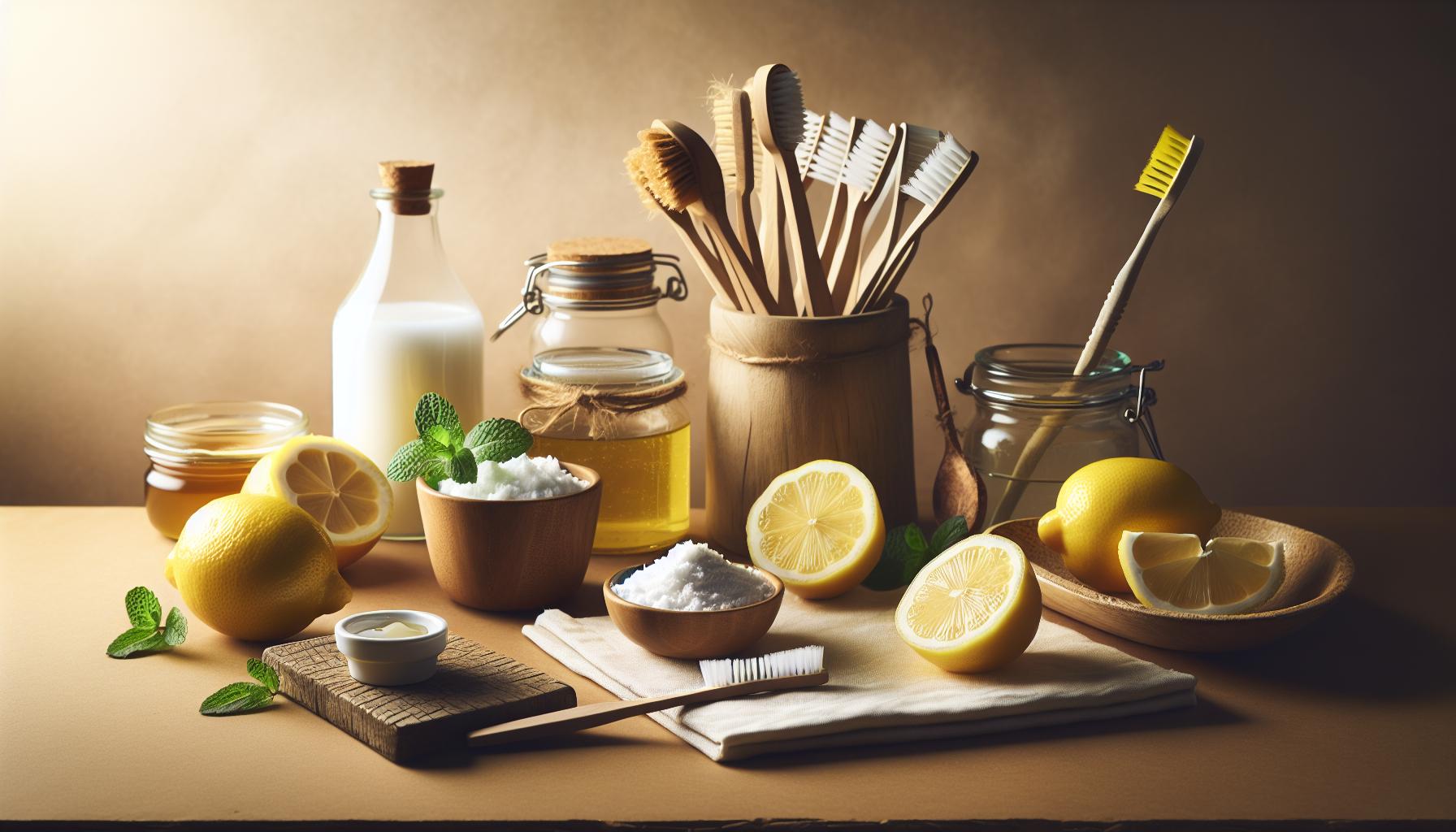
Natural Ingredients for Brightening Your Smile
Did you know that some of the most effective natural ingredients for teeth whitening can be found right in your kitchen? Many people are turning to at-home remedies for brighter smiles, embracing options that are not only gentle on enamel but also budget-friendly. Here’s a look at some natural ingredients that can help enhance your pearly whites without the need for harsh chemicals.
Baking Soda
Baking soda is a superstar in the world of natural teeth whitening. Its mild abrasive properties make it excellent for scrubbing away surface stains. To create a simple whitening paste, mix one tablespoon of baking soda with a few drops of water to form a paste-like consistency. Using your toothbrush, gently apply the paste to your teeth, focusing on areas that may have deep stains. Let it sit for about two minutes, then rinse thoroughly. This method can be repeated a few times a week for optimal results.
Hydrogen Peroxide
Another widely used natural whitener is hydrogen peroxide. Known for its bleaching properties, it can help lighten stains effectively. For a safe mouth rinse, dilute 3% hydrogen peroxide with equal parts water. Swish it around in your mouth for around 30 seconds to one minute, then spit it out and rinse well with water afterward. This should also be done sparingly, around two to three times a week.
Fruits and Vegetables
Certain crunchy fruits and vegetables can naturally promote whiter teeth. Apples and carrots, for example, serve as natural scrubs that help remove plaque as you chew. Strawberries have a unique advantage; they contain malic acid, a natural compound that can help lift stains. Simply mash a ripe strawberry and apply it to your teeth, leaving it on for a few minutes before rinsing. The combination of these delicious and healthy foods not only benefits your teeth but also contributes positively to your overall dietary habits.
Coconut Oil
Oil pulling, an ancient practice, involves swishing oil in your mouth to unlock various health benefits, including teeth whitening. Coconut oil is particularly effective due to its antibacterial properties. Take one tablespoon of coconut oil and swish it around your mouth for about 15-20 minutes. This process can help remove harmful bacteria and reduce plaque, leading to shinier teeth and healthier gums.
By incorporating these natural ingredients into your daily routine, you can confidently work towards a brighter smile while embracing healthier choices. These methods not only contribute to oral health but also provide a refreshing approach to self-care that is both effective and enjoyable. Remember, consistency is key, so try to make these remedies a regular part of your oral hygiene regimen for the best results.
Step-by-Step Guide to Whiten Teeth at Home
One of the most empowering aspects of home care is the ability to brighten your smile using simple ingredients you likely already have. With a little effort, you can achieve noticeable results without resorting to harsh chemicals or expensive treatments. Here’s a practical guide to help you whiten your teeth at home, using natural remedies that are safe and effective.
To get started, choose your method. Here are a few approachable options:
Baking Soda and Water Paste
- Mix one tablespoon of baking soda with a few drops of water until you create a paste.
- Using your toothbrush, apply the paste to your teeth, focusing on areas with visible stains.
- Let it sit for about two minutes, then rinse thoroughly with water.
- Repeat this process two to three times a week for best results.
Hydrogen Peroxide Mouth Rinse
- In a small glass, combine equal parts of 3% hydrogen peroxide and water (e.g., one tablespoon of each).
- Swish this mixture in your mouth for 30 seconds to one minute.
- Spit it out and rinse thoroughly with water afterwards.
- Limit this to two to three times a week to avoid overuse.
Fruit-Based Whitening
- Mash a ripe strawberry into a paste.
- Apply the paste to your teeth with your fingers or a soft toothbrush and leave it on for five minutes.
- Rinse your mouth well with water afterward.
- This method can be done once a week as part of your routine.
Oil Pulling with Coconut Oil
- Take one tablespoon of coconut oil and swish it in your mouth for 15-20 minutes.
- Spit the oil into the trash (not the sink, as it can clog pipes).
- Rinse your mouth with water and brush your teeth as usual.
- Repeat this practice several times a week for optimal results.
Consistency is the key to success! Whichever method you choose, integrate it into your daily oral hygiene routine. You might also find it beneficial to track your progress and note any improvements over time. In addition, complement these whitening techniques with proper oral hygiene practices like regular brushing and flossing to maintain a healthy mouth. By following these steps, you’ll be well on your way to achieving a brighter, more confident smile.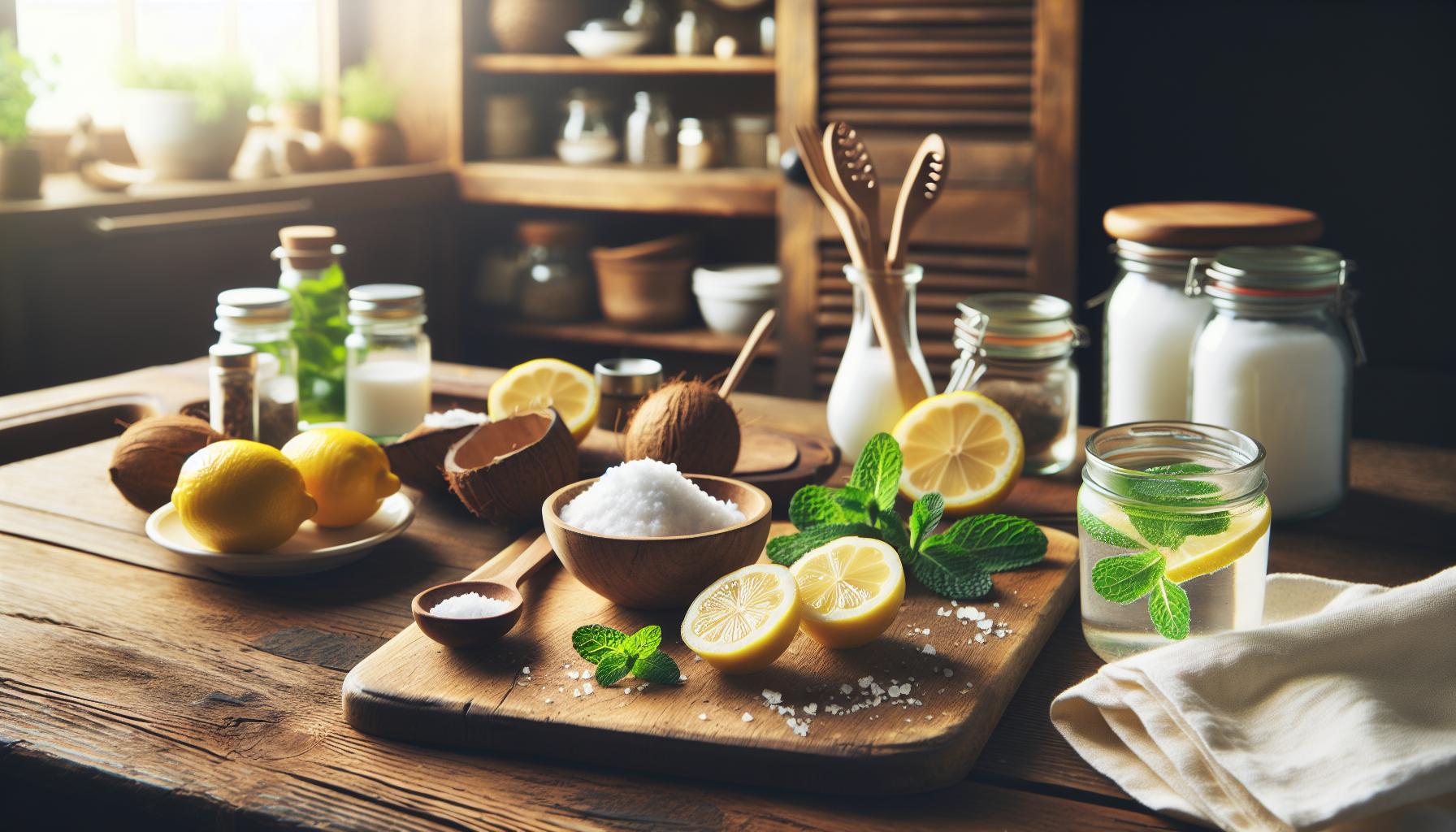
The Science Behind Natural Teeth Whitening
Natural teeth whitening methods leverage the unique properties of easily accessible ingredients to combat stains and discoloration. Understanding the science behind these remedies not only demystifies their effectiveness but also empowers you to make informed choices for your oral care routine. Many natural whitening techniques utilize mild abrasives, chemical reactions, or pH adjustments to lift stains without the need for harsh chemicals commonly found in commercial products.
One popular natural ingredient, baking soda, acts as a mild abrasive that can physically scrub away surface stains. Its alkaline nature neutralizes acidic environments in the mouth, potentially reducing acid erosion on enamel. Additionally, the fine particles create a gentle polishing effect, aiding in brighter teeth over time. Using baking soda sparingly, as in the baking soda and water paste mentioned earlier, maximizes its benefits while minimizing potential wear on your enamel.
Another effective natural option is hydrogen peroxide, which serves as a bleaching agent. This compound breaks down into water and oxygen when used in small concentrations, allowing it to penetrate the enamel and lighten colored molecules. When mixed with water and swished in the mouth, hydrogen peroxide works similarly to professional-grade whitening treatments but at a much lower strength. Using it judiciously, as suggested, can help maintain a bright smile without overexposing your teeth to harsh chemicals.
Fruit-based acids, like those found in strawberries, also play a role in teeth whitening. The malic acid in strawberries acts as a natural astringent, helping to remove surface stains while providing a refreshing taste. However, it’s important to follow up with brushing to mitigate any potential acidity, which could harm enamel. Lastly, oil pulling with coconut oil can help reduce plaque buildup and improve overall oral health, contributing to a brighter smile through improved hygiene.
By understanding these natural ingredients and their mechanisms, you can integrate safe and effective whitening practices into your oral care routine, leading to a healthier and more confident smile.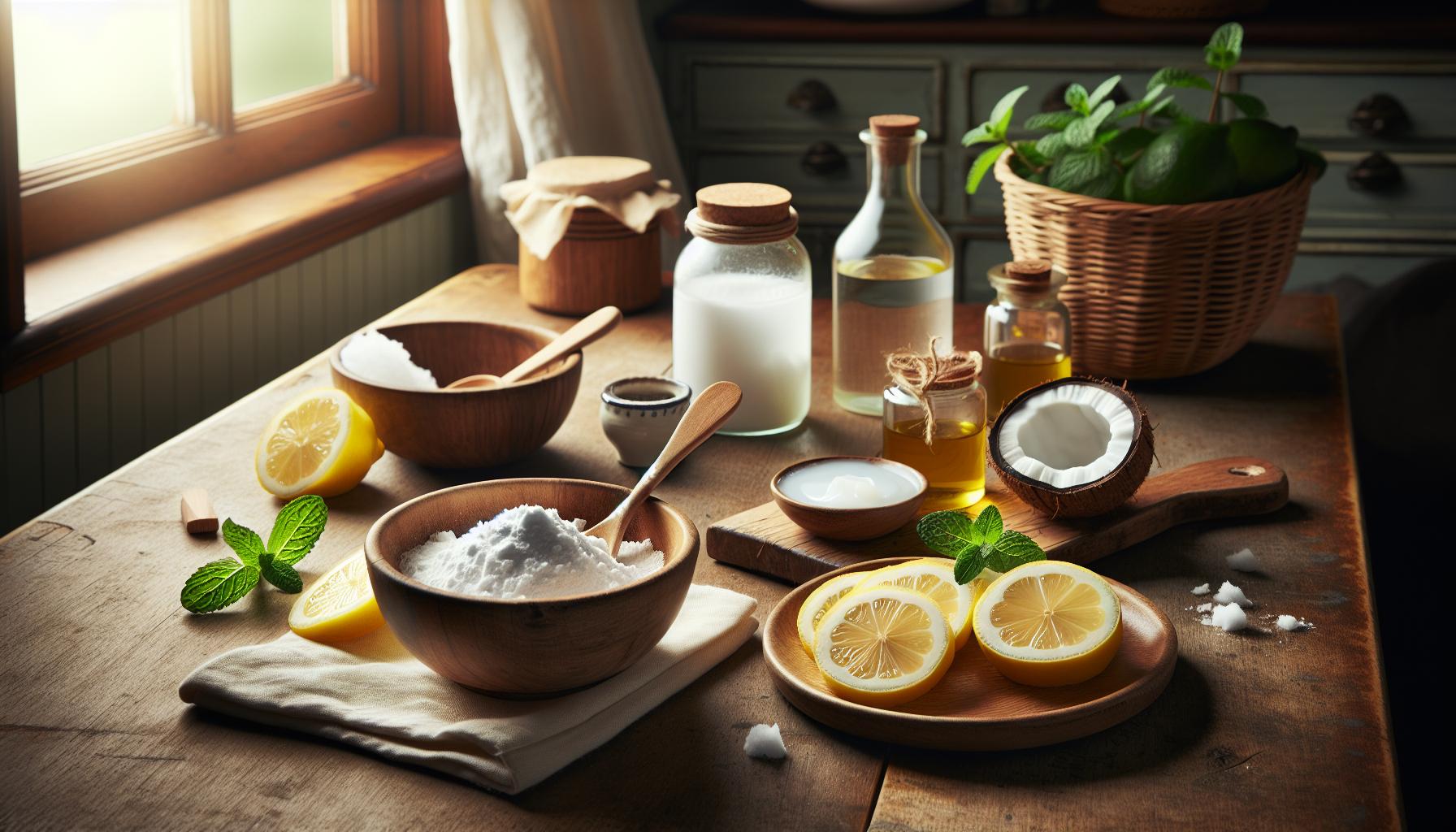
Common Myths About DIY Teeth Whitening
There are plenty of misconceptions floating around about DIY teeth whitening that might hinder you from experiencing the benefits of natural remedies. One of the biggest myths is that all whitening agents available at home are equally safe and effective. While many natural ingredients can indeed help brighten your smile, it’s essential to use them correctly and in moderation to avoid damaging your enamel or causing other dental problems.
Many people believe that baking soda, often touted for its whitening properties, can be used as a daily toothbrush substitute. However, this is not advisable. Using baking soda excessively can lead to enamel wear due to its abrasive nature. A more effective approach is to use a baking soda paste mixed with water occasionally, which allows you to enjoy its benefits while minimizing risks. Similarly, while hydrogen peroxide is an effective whitening agent, its concentration should not exceed 3% when used at home. Higher concentrations can irritate gums and damage tooth enamel.
Another common misconception is that fruit enzymes, particularly those in strawberries, can replace brushing. While strawberries contain malic acid, which may help remove surface stains, they can also be acidic and potentially harmful to enamel if left on the teeth too long. Always remember to rinse your mouth and brush afterward. Additionally, some people think that if a remedy shows results quickly, it must be safe. This isn’t always true; rapid whitening methods can often indicate abrasive ingredients that may harm long-term dental health.
Ultimately, a well-rounded approach to teeth whitening at home involves understanding both the capabilities and limitations of natural methods. Focus on integrating healthy practices such as consistent oral hygiene and using safe whitening techniques. Embrace these methods with care, and you’ll be well on your way to maintaining a bright and healthy smile without resorting to harsh chemicals.
Essential Tips for Safe Teeth Whitening
To achieve a brighter smile with at-home whitening techniques, it’s crucial to prioritize safety while exploring various natural remedies. Many people are eager to enhance their teeth’s whiteness but often overlook the potential risks associated with certain methods. By adopting safe practices, you’ll not only brighten your smile but also protect your dental health.
One key guideline to follow is to limit the frequency of whitening treatments. Overuse of acidic or abrasive substances-like baking soda or citrus fruits-can wear down enamel. A good rule of thumb is to use these natural whitening agents no more than once or twice a week, allowing your teeth a chance to recover in between treatments. Additionally, always ensure that any abrasive agent is used in moderation and accompanied by gentle brushing techniques.
Another vital aspect to consider is the concentration of any whitening agent you choose to use. For instance, if you’re using hydrogen peroxide, ensure its concentration is no higher than 3%. This level is generally considered safe for home use; any stronger might lead to gum irritation and enamel erosion. Additionally, when using fruit acids, it’s wise to rinse your mouth with water after application to neutralize acidity and protect your enamel.
Lastly, practicing good oral hygiene is essential in supporting your whitening efforts. Regular brushing and flossing not only remove plaque and surface stains but also fortify your teeth against potential damage. Incorporating a fluoride toothpaste can provide additional protection. Engaging in a balanced diet rich in crunchy fruits and vegetables can further promote oral health and enhance your smile’s brightness naturally.
By approaching at-home teeth whitening with care and attentiveness, you can effectively achieve a dazzling smile while minimizing risks. Following these essential tips ensures that you maintain both the aesthetic appeal of your teeth and their overall health.
Homemade Toothpaste Recipes for Whitening
Whipping up your own toothpaste at home can feel like a fun experiment, and the added bonus is that it can help whiten your teeth naturally. Many commercial toothpaste brands contain harsh chemicals, but with a few simple ingredients, you can create effective and gentle DIY formulas that promote a brighter smile without compromising your dental health.
One popular homemade toothpaste recipe combines baking soda and coconut oil. Baking soda is naturally abrasive and helps remove surface stains, while coconut oil has antibacterial properties that can also benefit your gums. To make this combination, mix 2 tablespoons of baking soda with 1 tablespoon of coconut oil. For added flavor and benefits, consider adding a few drops of peppermint essential oil. Use this mixture just like regular toothpaste-apply a small amount to your toothbrush and brush thoroughly.
Another fantastic option is a paste made from strawberry and baking soda. Strawberries contain malic acid, which can gently lift stains. To create this paste, mash one ripe strawberry and mix it with a teaspoon of baking soda until it forms a smooth paste. Apply it to your teeth using a toothbrush, leave it on for about five minutes, and then rinse thoroughly to enjoy a naturally sweet and effective whitening treatment.
For those seeking a bit more variety, you can experiment with a turmeric and coconut oil mixture. Turmeric has antibacterial properties and has been shown in some studies to help with teeth whitening. Mix one teaspoon of turmeric powder with two tablespoons of coconut oil to create a paste. Brush your teeth with this mixture, keeping in mind that turmeric can temporarily stain lighter-colored toothbrushes. After brushing, rinse your mouth thoroughly.
These simple recipes not only provide a natural way to whiten your teeth but also allow for customization based on your taste preferences and oral health needs. As with any whitening method, remember to use these DIY toothpastes sparingly to protect your enamel and gums, ensuring that your journey to a whiter smile is safe and effective.
Foods That Naturally Whiten Your Teeth
For those looking to brighten their smile naturally, certain foods can serve as excellent allies in your quest for whiter teeth. Incorporating a variety of these foods into your diet not only enhances your oral health but may also lead to a more radiant smile. Some foods actively work to remove surface stains, while others promote overall oral hygiene.
One of the standout options is crunchy fruits and vegetables, such as apples and carrots. Their fibrous texture helps scrub away plaque and debris from your teeth as you chew. Apples, in particular, are also high in malic acid, which can help break down stain buildup. Try snacking on raw carrots or slices of apple for an enjoyable way to keep your teeth clean and fresh throughout the day.
Another great addition is dairy products, like cheese and yogurt. The calcium and phosphorus in these foods not only promote strong teeth but the act of chewing cheese can also stimulate saliva production, which is essential for neutralizing acids produced by bacteria in the mouth. Additionally, the proteins in dairy can help to form a protective barrier on your teeth, further preventing staining.
Strawberries, already praised in home whitening recipes, are also beneficial in their whole form. Their natural acidity can help lift existing stains, and the vitamin C they provide is vital for gum health. Enjoy strawberries fresh or blend them into a smoothie for a nutritious treat that supports both your oral and overall health.
Lastly, don’t forget about nuts and seeds! Their rough texture helps in the mechanical removal of plaque, and they are packed with nutrients that support dental health. Enjoy a handful of almonds or walnuts as a snack, knowing that you’re contributing to a whiter smile while nourishing your body.
By focusing on these natural options, you can take steps toward a healthier, brighter smile without resorting to harsh chemicals. Incorporating these foods into your daily routine will not only benefit your teeth but also enhance your overall wellness, making it an enjoyable journey towards achieving that radiant smile.
The Role of Oral Hygiene in Teeth Brightening
Good oral hygiene is your first line of defense when it comes to achieving and maintaining a brighter smile. Regular brushing and flossing not only keep your teeth clean but also play a critical role in minimizing stains and preventing discoloration. Did you know that neglecting your oral hygiene can actually exacerbate stains caused by food and beverages? By adopting a consistent oral care routine, you can protect your teeth from plaque buildup and decay, allowing any natural whitening remedies to work more effectively.
To start, make sure to brush your teeth at least twice a day with fluoride toothpaste. This helps remove surface stains and keep your enamel healthy. When choosing a toothpaste, look for one that mentions whitening properties, as these typically contain mild abrasives that can gently scrub away stains. It’s also essential to floss daily. Flossing removes food particles and plaque that may have settled between your teeth, where even the best toothbrushes can’t reach. This daily habit not only keeps your gums healthy but also contributes to a whiter smile by reducing potential stain sources.
Another important aspect of oral hygiene is regular dental visits. While at-home remedies can be incredibly effective, they are most impactful when paired with professional cleanings. Your dentist can remove tartar buildup that can’t be eliminated with brushing alone and offer tailored advice on the best whitening strategies for your specific dental health. During these visits, don’t hesitate to ask about the efficacy of natural whitening methods or any specific at-home remedies you’re considering. This proactive approach ensures you’re enhancing your efforts safely and effectively.
Finally, consider integrating mouthwash into your routine. An antimicrobial mouthwash can help reduce plaque and bacteria that contribute to discoloration. Select a mouthwash that is alcohol-free to avoid drying out your mouth, as a hydrated oral environment is essential for maintaining a radiant smile. By prioritizing your oral hygiene in these ways, you’ll create the perfect canvas to showcase the brightening benefits of your chosen natural remedies.
How to Maintain Your Whitened Smile
To enjoy the benefits of a bright, white smile, it’s crucial to adopt habits that help maintain your results after whitening. Just like any beauty treatment, your efforts can fade over time without proper care. To ensure your smile remains dazzling, consider integrating several lifestyle changes and practices into your daily routine.
One effective method is to minimize the intake of stain-causing foods and beverages. Dark-colored drinks, such as coffee, tea, and red wine, can contribute to discoloration. Whenever possible, opt for a straw to minimize contact with your teeth. Additionally, rinsing your mouth with water after consuming these items can help wash away pigments before they settle. Likewise, incorporating crunchy fruits and vegetables like apples and carrots can give your teeth a gentle scrub while you eat.
Daily Care Routine
Establishing a consistent oral hygiene routine will also play a significant role in maintaining your whitened smile. Brush twice daily with a fluoride toothpaste that includes whitening agents, and don’t forget to floss at least once a day to remove food particles and plaque hidden between teeth. If you prefer natural options, look for toothpaste containing baking soda or charcoal, which have mild abrasive properties and can enhance whiteness.
Regular use of mouthwash, preferably non-alcoholic and formulated with teeth-whitening ingredients, can further support your efforts. These mouthwashes not only reduce bacteria and plaque but can also provide additional stain-fighting benefits. Swishing with mouthwash after meals can also help keep your smile bright between brushings.
Regular Dental Visits
Finally, schedule routine dental cleanings and checkups to ensure your oral health remains at its best. Dentists can provide timely cleanings and can help manage any staining that may occur despite your at-home efforts. They’ll also offer tailored advice for your specific dental needs and may even suggest further whitening options if necessary.
By following these tips and prioritizing your oral care, you can enjoy the confidence that comes with a bright, captivating smile for years to come!
When to Seek Professional Help for Whitening
For many, a brighter smile can boost confidence and enhance overall appearance. While at-home remedies can certainly help in achieving whiteness, there are times when seeking professional help becomes essential. Professional whitening treatments are specifically designed to address stubborn stains or discoloration that at-home methods might not effectively manage.
If you’re experiencing severe tooth discoloration that doesn’t respond to natural remedies, it might be time to consult a dentist. This could be due to intrinsic stains-those that occur within the tooth structure-often caused by factors such as aging, certain medications, or even genetics. A professional can provide insights on the most suitable whitening options tailored to your unique dental situation.
Signs You Should Consult a Dentist
Look out for these indications that may warrant a visit to your dental professional:
- Persistent Stains: If your teeth remain discolored despite using various at-home remedies, professional evaluation is beneficial.
- Tooth Sensitivity: Increased sensitivity can signal that your teeth are reacting negatively to at-home treatments. This is a clear sign to seek expert advice.
- Gum Issues: If you notice swelling or bleeding in your gums after using at-home whitening products, a dentist can help diagnose any underlying problems.
- Desire for Quick Results: If you’re preparing for a special event and need fast results, professional treatments are typically quicker and more effective.
- Preventive Checkups: Regular dental visits can help maintain your overall oral health and provide tailored whitening solutions when necessary.
By keeping these factors in mind, you’ll be better equipped to know when your efforts at home may need professional intervention. A healthy, white smile is not just about aesthetics-it’s essential to maintain your oral health. Consulting a dentist ensures you use safe, effective methods that cater specifically to your smile’s needs.
Budget-Friendly Alternatives to Chemical Products
There are numerous budget-friendly methods to achieve a brighter smile without resorting to expensive chemical products. Many of these natural alternatives can be found right in your kitchen and offer effective results. By utilizing simple ingredients like baking soda, hydrogen peroxide, and activated charcoal, you can elevate your oral care regime without breaking the bank.
One popular and effective method is creating a baking soda paste. Mix a tablespoon of baking soda with a few drops of water to form a thick paste. Use this paste to gently brush your teeth a few times a week. Baking soda is mildly abrasive, helping to scrub away surface stains while providing a basic whitening effect. However, moderation is key; overuse can lead to enamel erosion.
Another gentle option is hydrogen peroxide. This natural bleaching agent can be diluted in equal parts with water and used as a mouth rinse before brushing. Not only does hydrogen peroxide help lift stains, but it also has antibacterial properties that promote overall oral health. For those who prefer something with a little zest, combining hydrogen peroxide with citrus juices, such as lemon or orange, can also add a refreshing touch. Just remember to rinse well afterward, as citric acid can weaken teeth’s enamel if left on for too long.
Here are a few more ideas to explore:
- Activated Charcoal: This trendy ingredient can absorb toxins and stains. Create a slurry with a little water and apply it directly to your teeth. Brush gently and rinse thoroughly!
- Strawberries: They contain malic acid, which can help naturally whiten teeth. Mash a couple of strawberries and mix the paste with baking soda, then apply it to your teeth for a few minutes before rinsing.
- Apple Cider Vinegar: Known for its antibacterial properties, diluted apple cider vinegar can be used as a mouthwash to help remove stains. Use sparingly, as its acidity can affect tooth enamel.
Investing a little time into these natural and budget-friendly alternatives allows you to maintain good oral hygiene while safely whitening your teeth. Remember to pair these techniques with a steady oral care routine, including regular brushing and flossing, to keep your smile shining bright!
Frequently Asked Questions
Q: What are some effective natural methods to whiten teeth at home?
A: Effective natural methods to whiten teeth include using baking soda and hydrogen peroxide paste, coconut oil pulling, and brushing with activated charcoal. These ingredients help remove surface stains and promote oral health. Check out the section on “Natural Ingredients for Brightening Your Smile” for more details.
Q: How long does it take to see results from at-home teeth whitening?
A: Typically, you can expect to see results in about 1 to 2 weeks with consistent use of at-home whitening remedies. Factors like the method used and initial tooth staining may influence the duration. For tips on maintaining results, refer to “How to Maintain Your Whitened Smile.”
Q: Can I use fruit to naturally whiten my teeth?
A: Yes, certain fruits like strawberries and pineapple have natural whitening properties. Strawberries contain malic acid, which can help remove surface stains. However, it’s important to rinse your mouth afterward to prevent acid damage. Explore “Foods That Naturally Whiten Your Teeth” for more options.
Q: Are there any risks associated with DIY teeth whitening?
A: Yes, risks include enamel erosion and gum irritation if natural remedies are used excessively or improperly. Always follow guidelines for usage and maintain good oral hygiene. For safety tips, check the section on “Essential Tips for Safe Teeth Whitening.”
Q: What common mistakes should I avoid when whitening my teeth at home?
A: Common mistakes include overusing whitening agents and neglecting oral hygiene. It’s essential to balance treatment with proper care to avoid sensitivity issues. Read about “Common Myths About DIY Teeth Whitening” to learn more about these pitfalls.
Q: Can lifestyle changes help maintain whitened teeth?
A: Absolutely! Avoiding staining foods and beverages like coffee and red wine, quitting smoking, and maintaining regular dental check-ups significantly help keep your teeth bright. For more on maintenance, see the “How to Maintain Your Whitened Smile” section.
Q: How can I safely combine different at-home teeth whitening techniques?
A: Safely combining techniques requires moderation; for example, you can use a baking soda paste once a week while incorporating oil pulling daily. Monitor your teeth’s response and adjust frequency as needed. Refer to “At-Home Teeth Whitening Techniques That Work” for combinations.
Q: What should I do if I experience tooth sensitivity after whitening?
A: If you experience sensitivity, reduce the frequency of whitening treatments, switch to less abrasive ingredients, and use toothpaste designed for sensitive teeth. If discomfort persists, consult a dentist. For more info on safe practices, see “Essential Tips for Safe Teeth Whitening.”
The Conclusion
As you explore at-home remedies for whitening your teeth, remember that achieving a brighter smile can be both natural and effective. By implementing these chemical-free methods, you’re not just enhancing your appearance but also taking a step towards healthier dental practices. Consider sharing your own experiences in the comments below, and don’t hesitate to connect with our community, where we discuss more ways to maintain your oral health naturally.
If you found this guide helpful, check out our related articles on natural oral hygiene tips and DIY dental care recipes [link to related content 1] and [link to related content 2]. For ongoing insights and exclusive content, sign up for our newsletter today! Your journey to a sparkling smile doesn’t stop here-each step you take will inspire others, too. Together, let’s promote a smile that shines brightly for both you and those around you!


